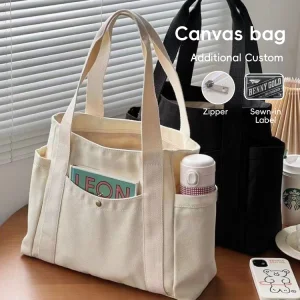
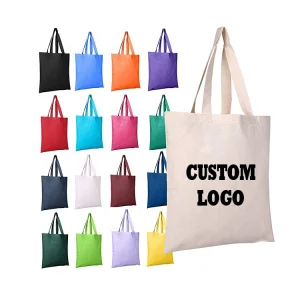
Highly customized, high-density cotton canvas bags specifically optimized for Seoul's retail landscape, promotional distributions, and corporate marketing campaigns.
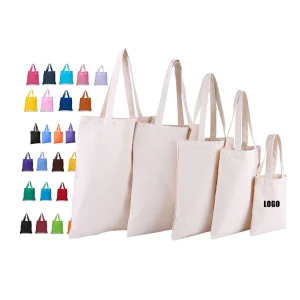
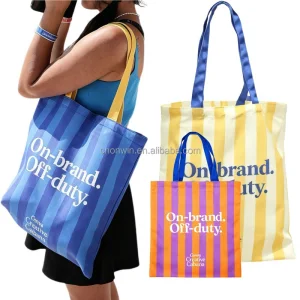
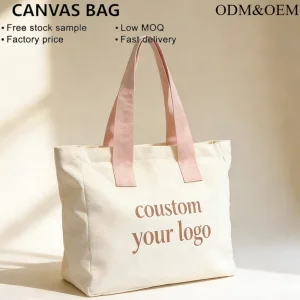
Analysing structural changes in South Korea’s retail packaging guidelines and the shift toward heavy-duty reusable canvas architectures.
Seoul stands as a global epicentre of fashion innovation, cosmetic branding, and tech-driven lifestyle trends. However, beneath the aesthetic brilliance of Dongdaemun Design Plaza (DDP) and the retail strips of Myeongdong lies a strict regulatory shift toward environmental sustainability. The South Korean Ministry of Environment has progressively tightened restrictions on single-use plastics and non-biodegradable packaging materials. Consequently, multi-use, high-grammage organic cotton canvas totes have transitioned from simple promotional novelty items into strategic brand assets.
Historically, domestic manufacturers in Seoul's outskirts or Gyeonggi-do province managed low-volume, high-turnover boutique runs. However, as Seoul's top-tier retail chains, fast-fashion conglomerates, and cosmetics giants scale up their operations, local manufacturing plants face structural capacity ceilings. The high cost of labor in Korea and limited raw fabric availability have forced global logistics and supply chain managers in Seoul to establish resilient B2B partnerships with Chinese factories. By combining China's raw material sourcing power with streamlined transport lines direct to Busan and Incheon Ports, companies achieve optimal cost-per-unit performance.
Pioneering eco-performance, anti-microbial treatments, and high-fidelity print technologies for modern urban environments.
The demands of Seoul's daily commuters require canvas products that withstand harsh weather and mechanical stress. Our research and development focuses on three primary textile technological pillars:
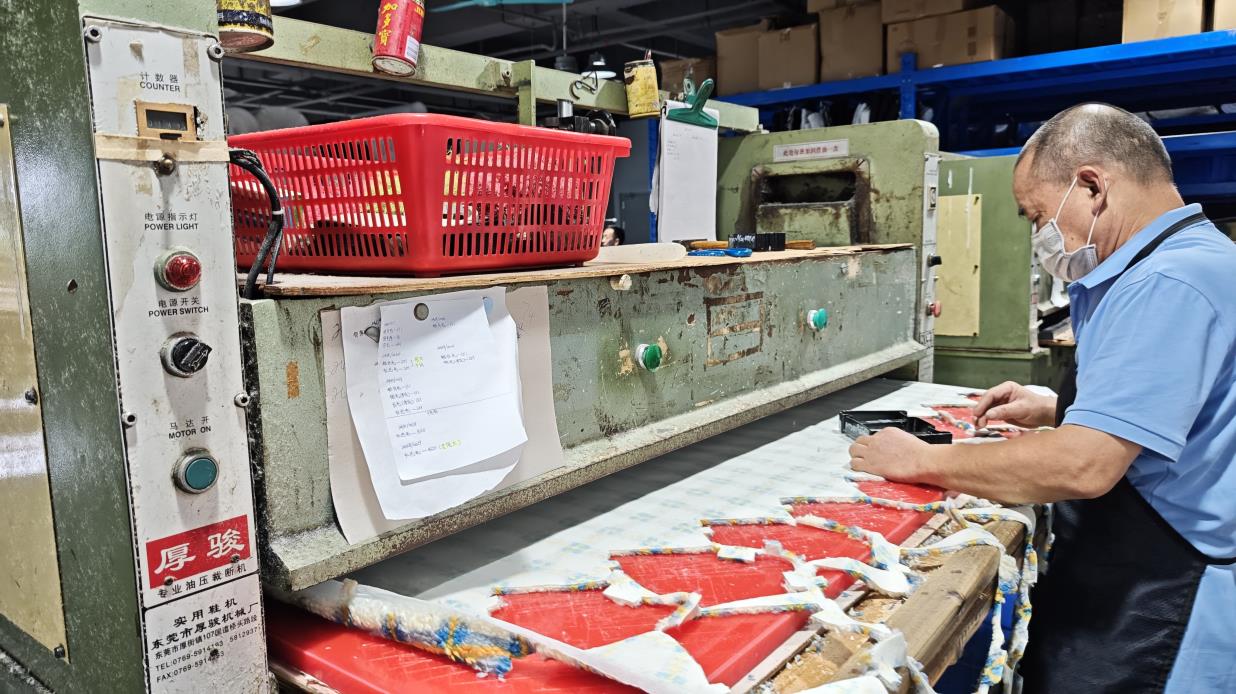
Seoul’s high aesthetic standards require precise color matching and durability under repeated washing. Our factory uses automatic screen printing and advanced sublimation machinery to achieve sharp, high-resolution logo prints. By using eco-friendly water-based inks that meet strict chemical standards, we guarantee that our products are free from harmful heavy metals and toxic AZO dyes, ensuring seamless customs clearance at South Korean borders.
How Hebei Ripped Fashion Co., Ltd. leverages its strategic location to guarantee fast lead times and cost efficiency.
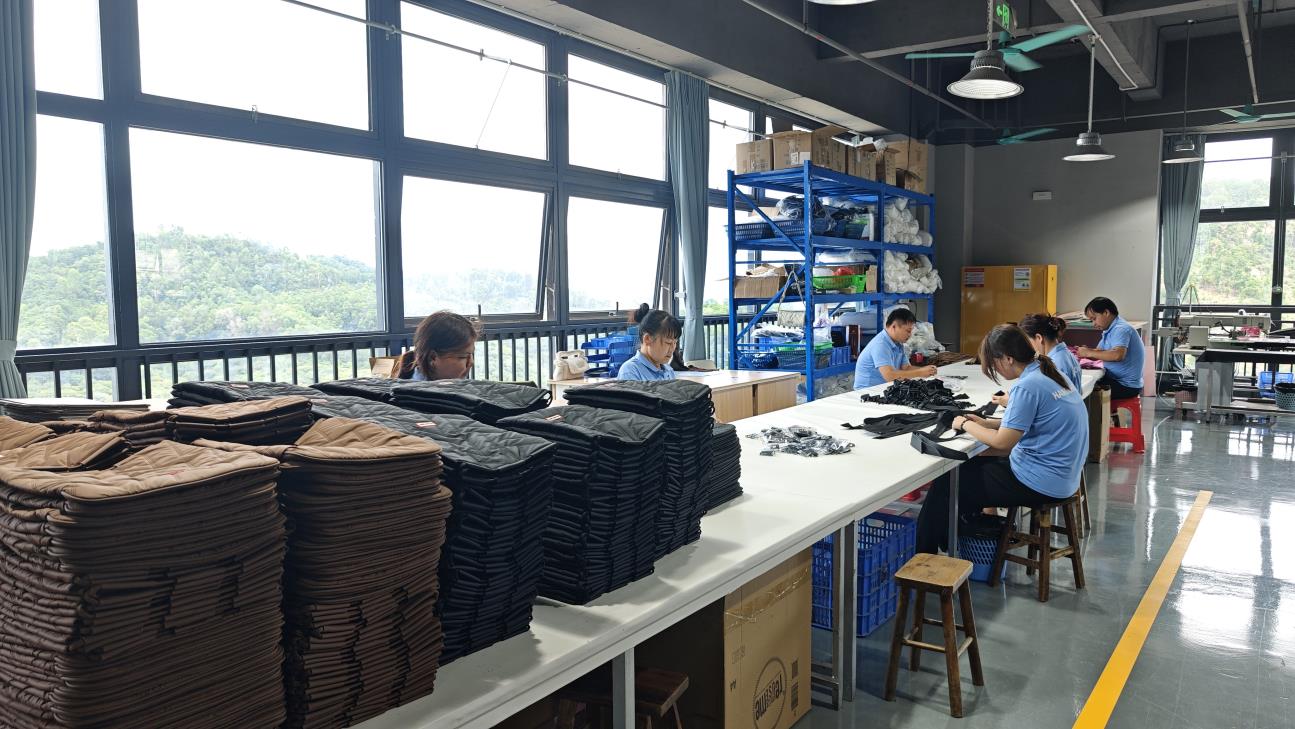
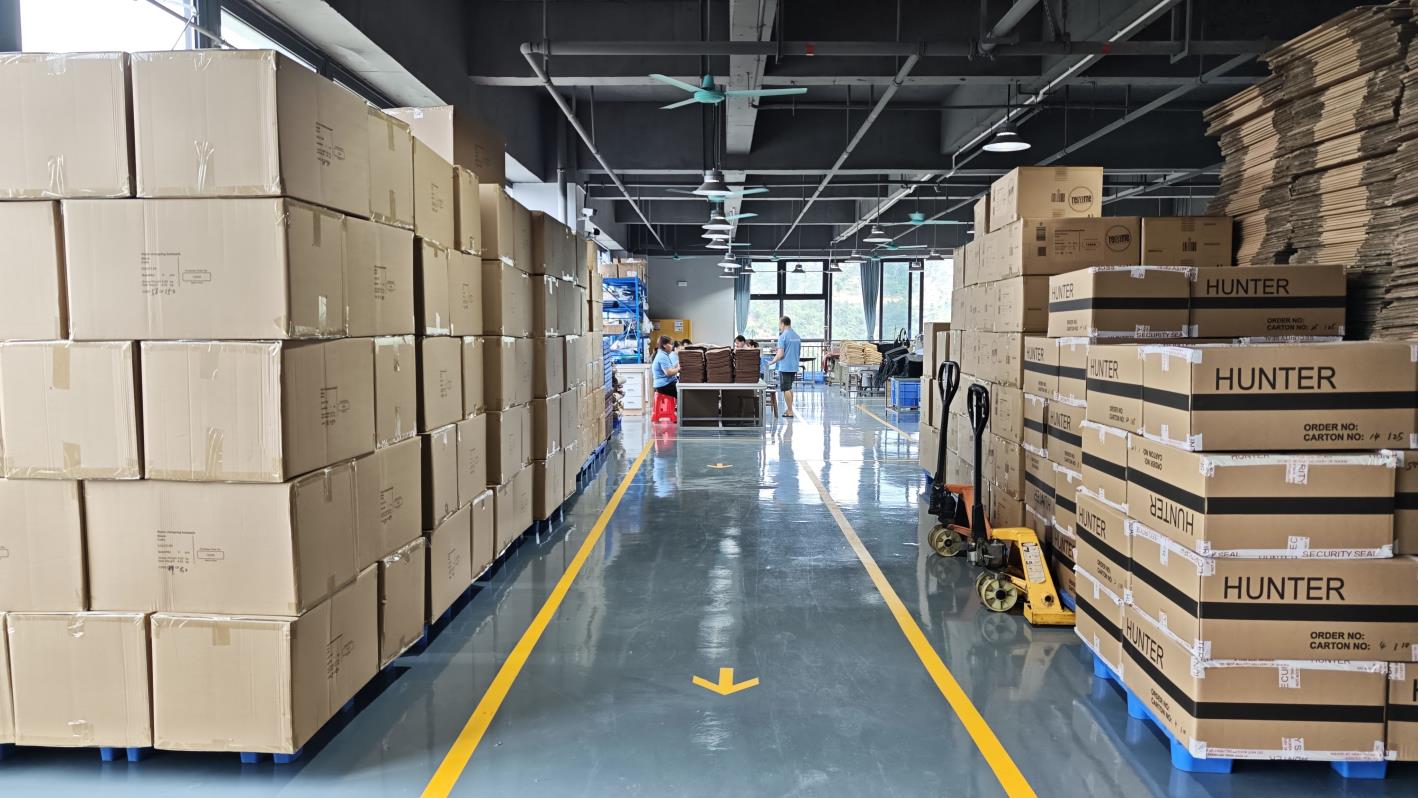
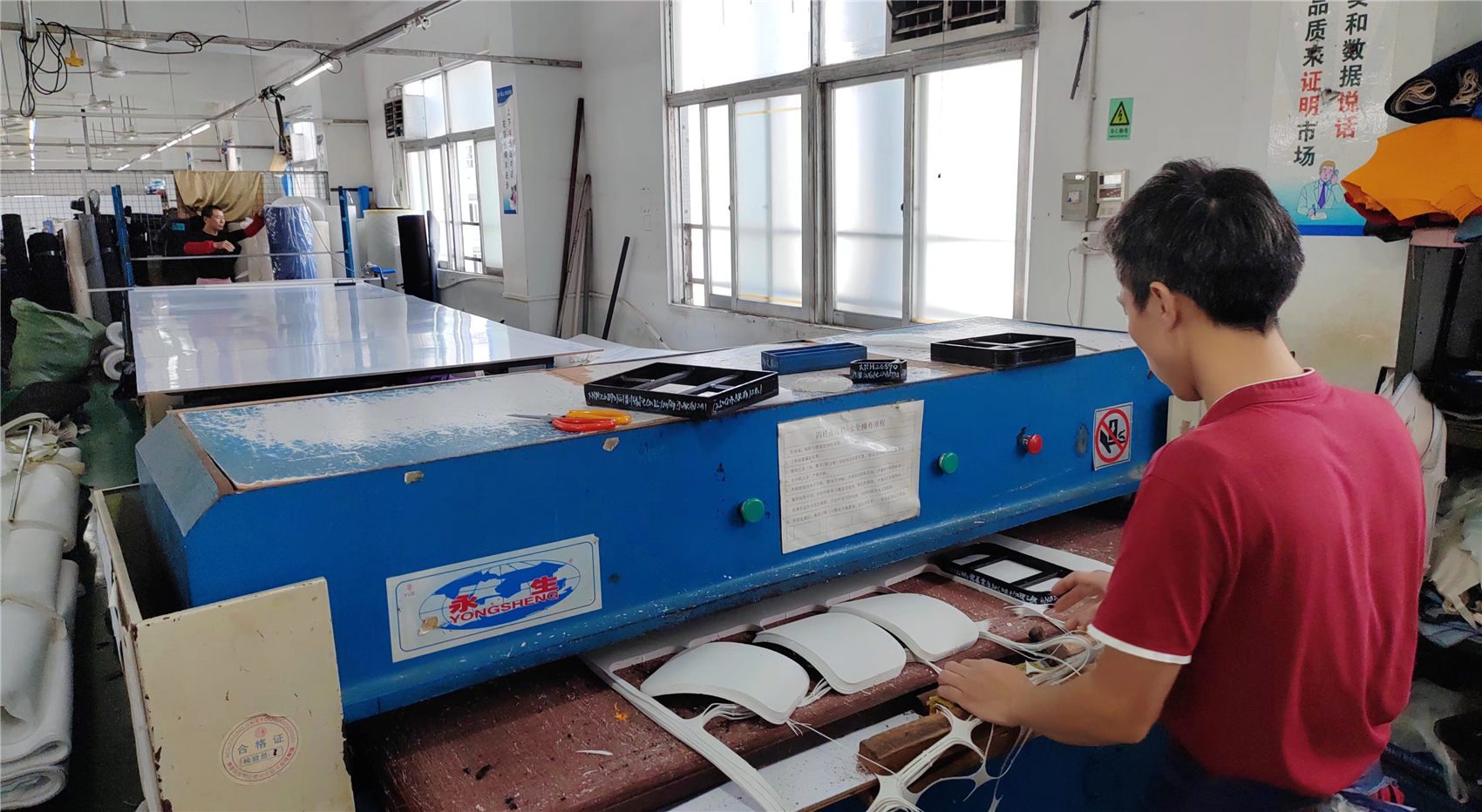
Founded in 2009, Hebei Ripped Fashion Co., Ltd. is located in Baigou Town, Baoding City, Hebei Province—famously recognized as the "luggage capital of China." Our facility spans a total area of 3,000 square meters, featuring a dedicated 2,000-square-meter modern production workshop operated by more than 300 skilled employees.
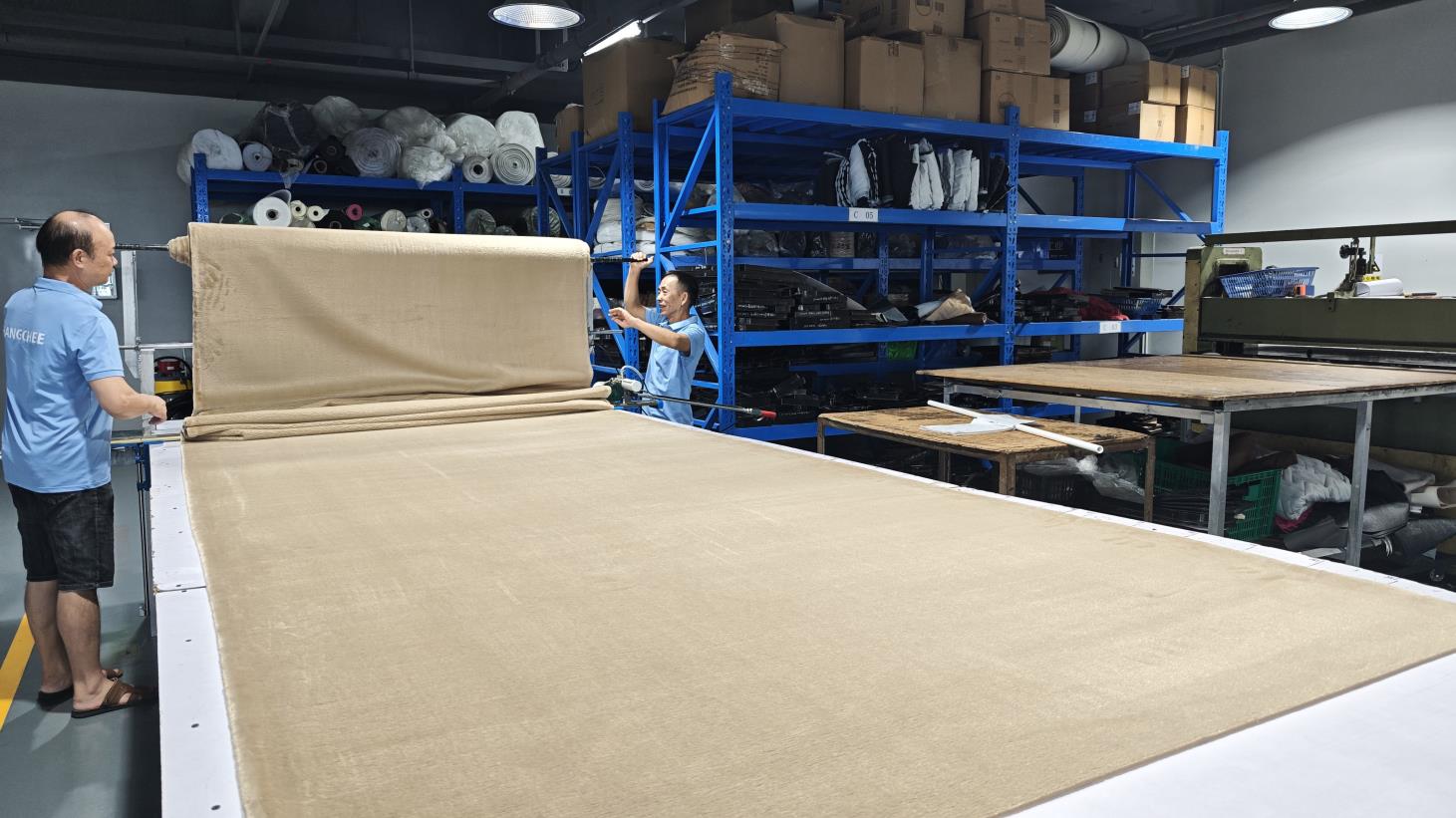
Our manufacturing model relies on raw material integration. In Baigou, we source premium cotton yarn and hardware components within a 10-kilometer radius. This localized ecosystem eliminates domestic shipping delays and allows us to keep our pricing highly competitive without compromising on quality. For Seoul-based enterprises, this geographical advantage translates to high production flexibility and fast shipping timelines, with transit times from our factory to Incheon Port taking as little as 5 to 7 days.
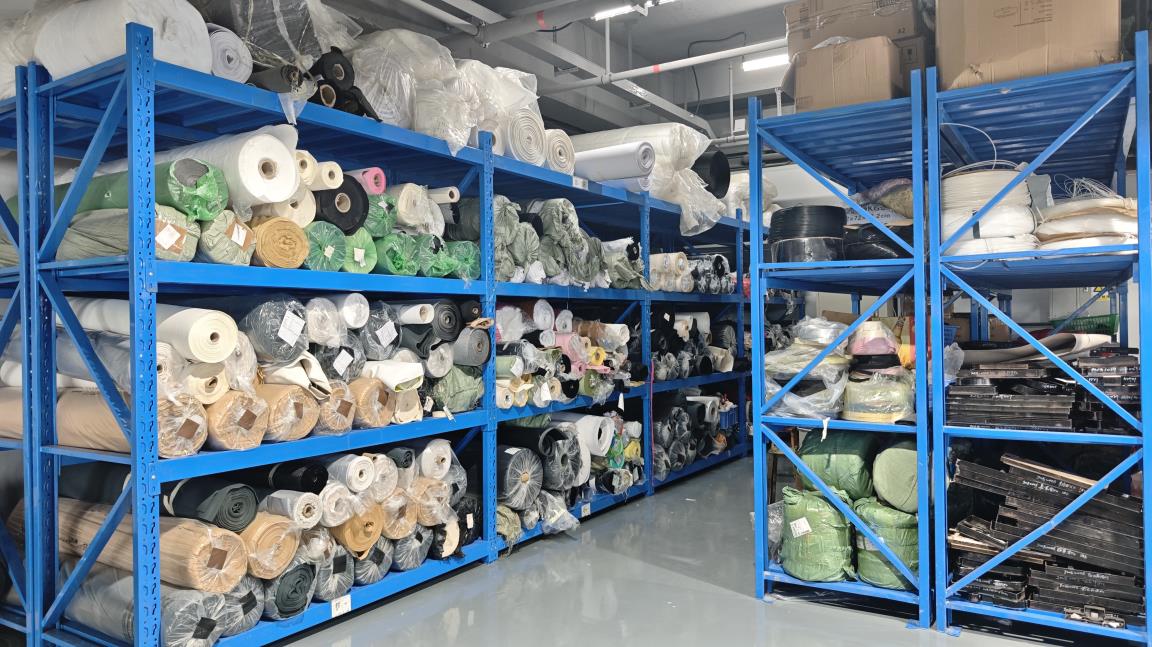
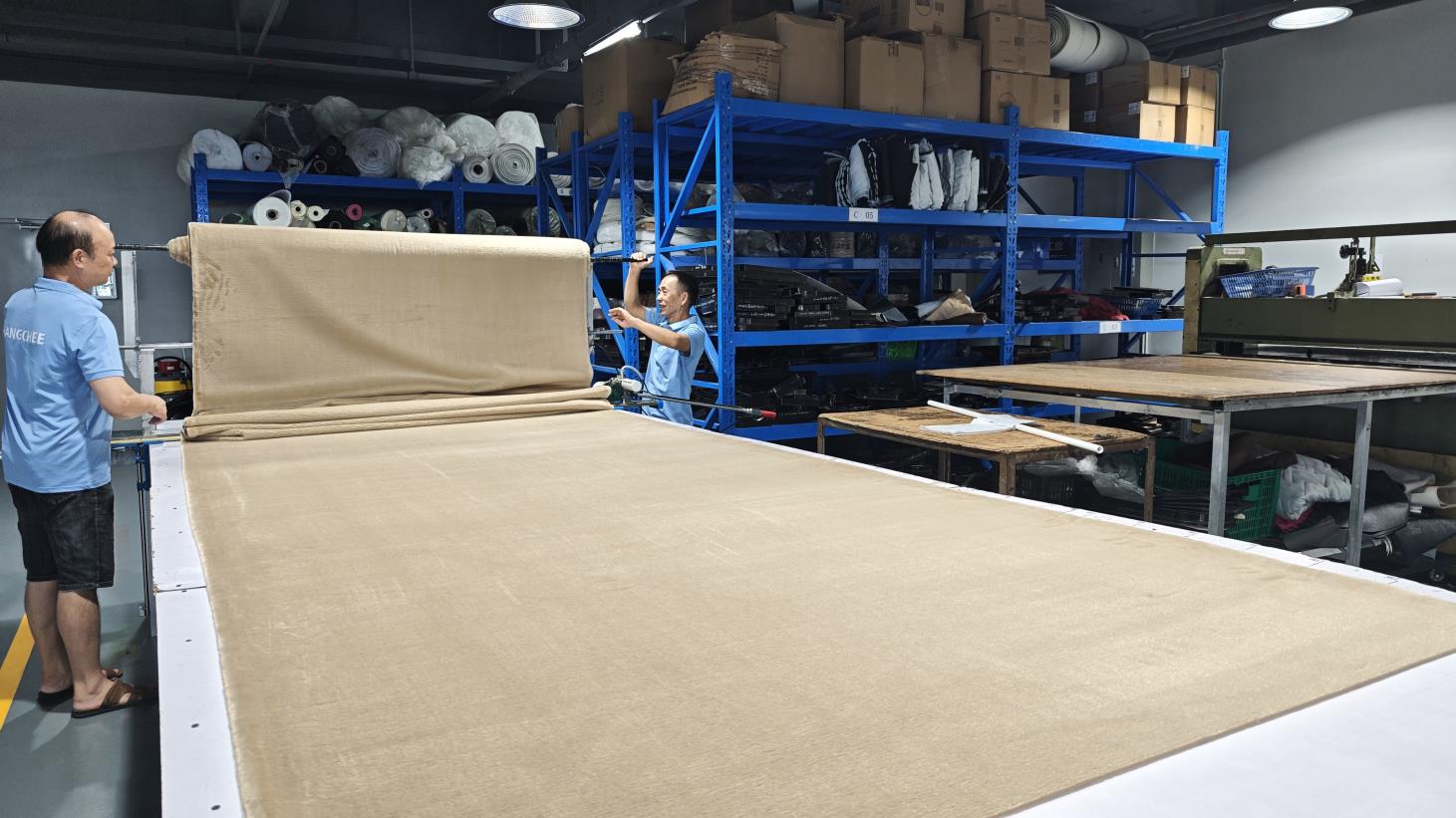
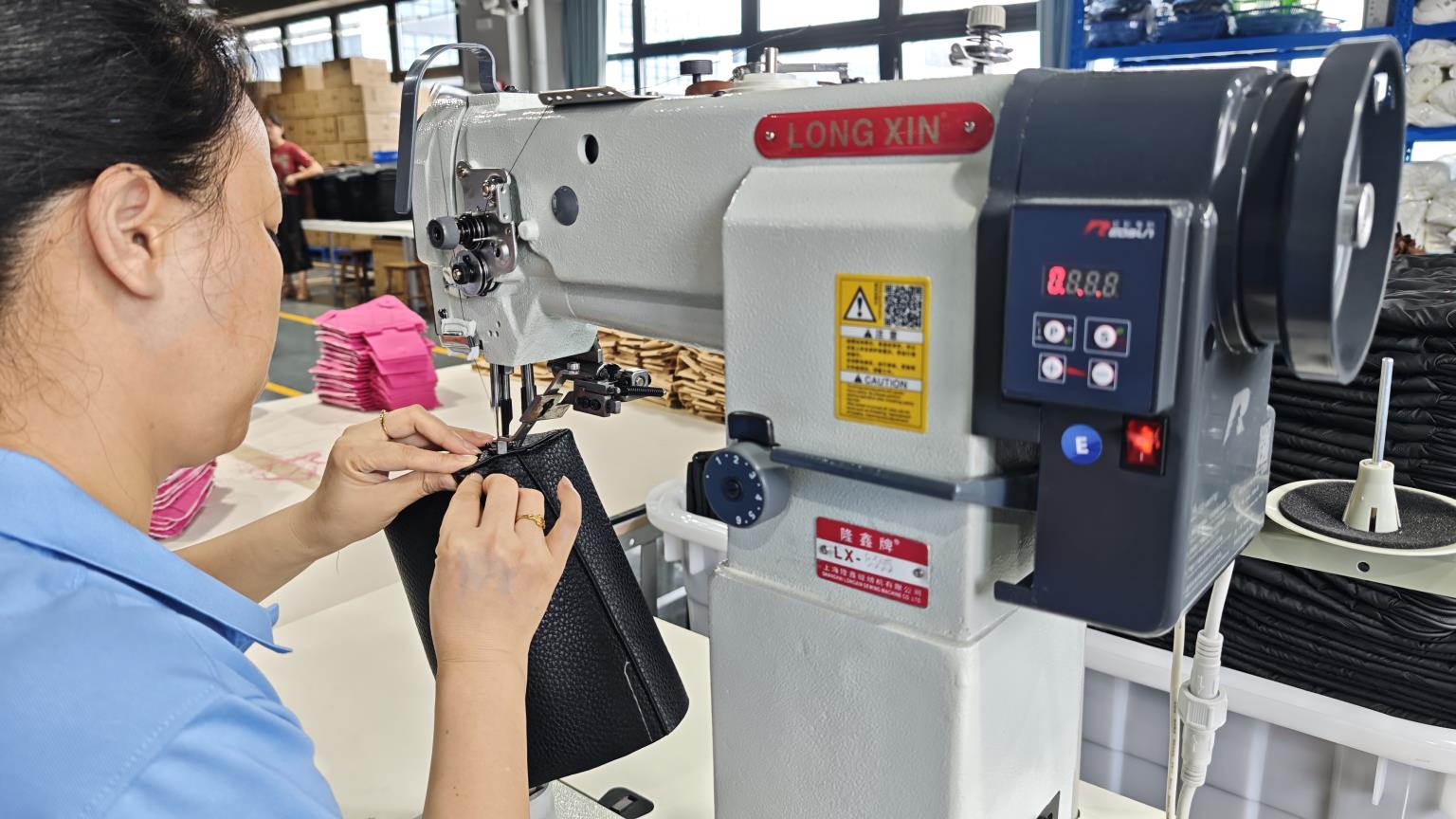
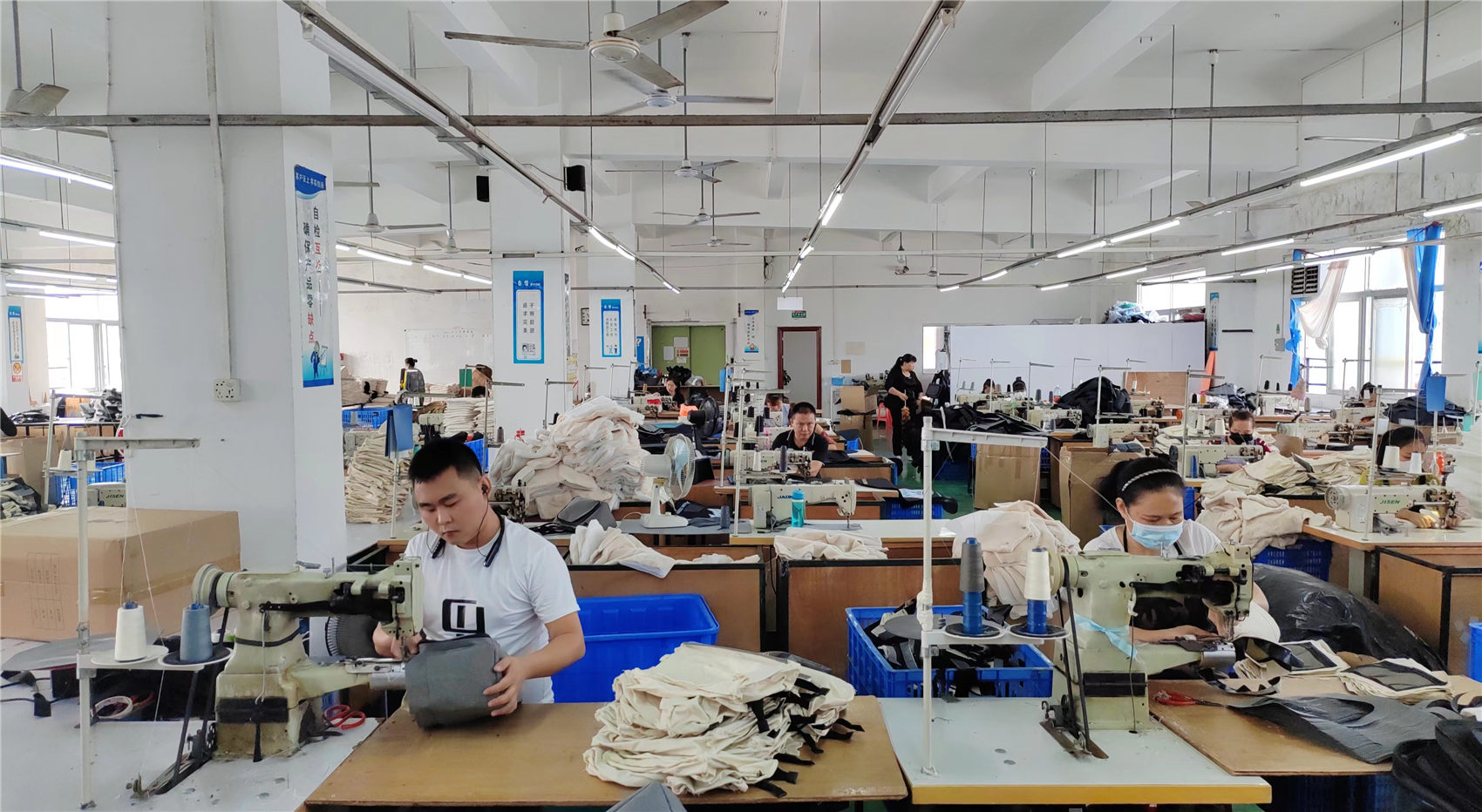
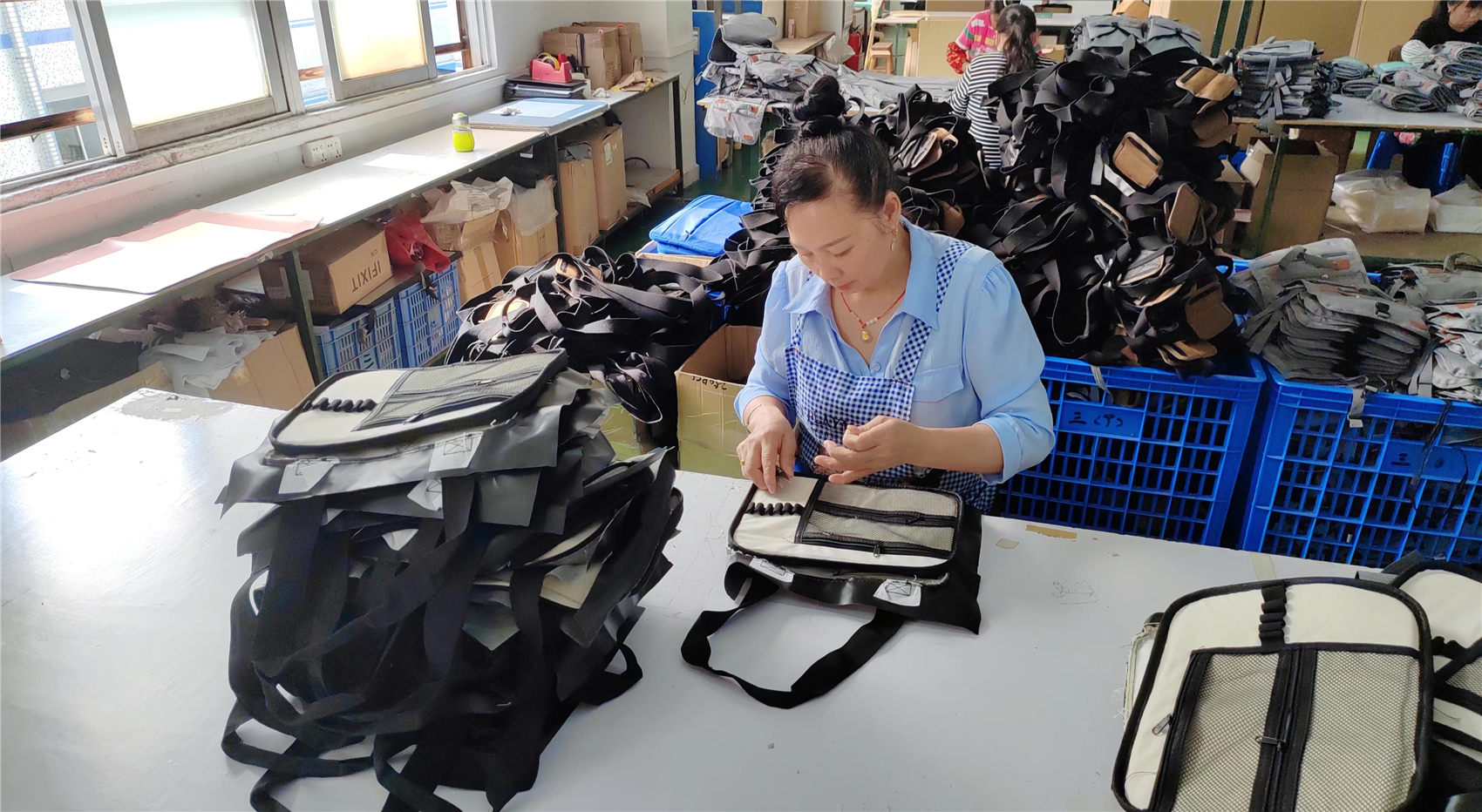
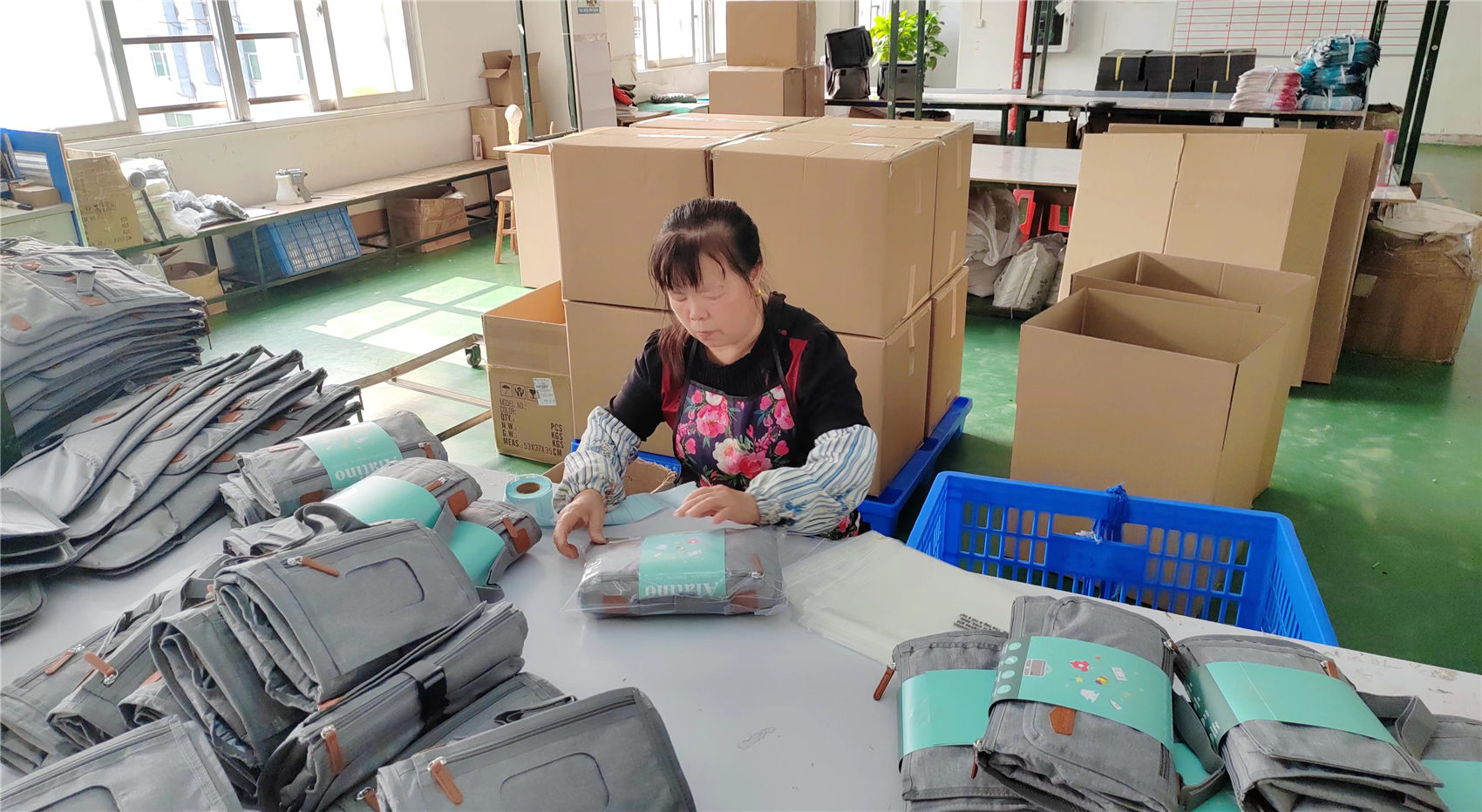
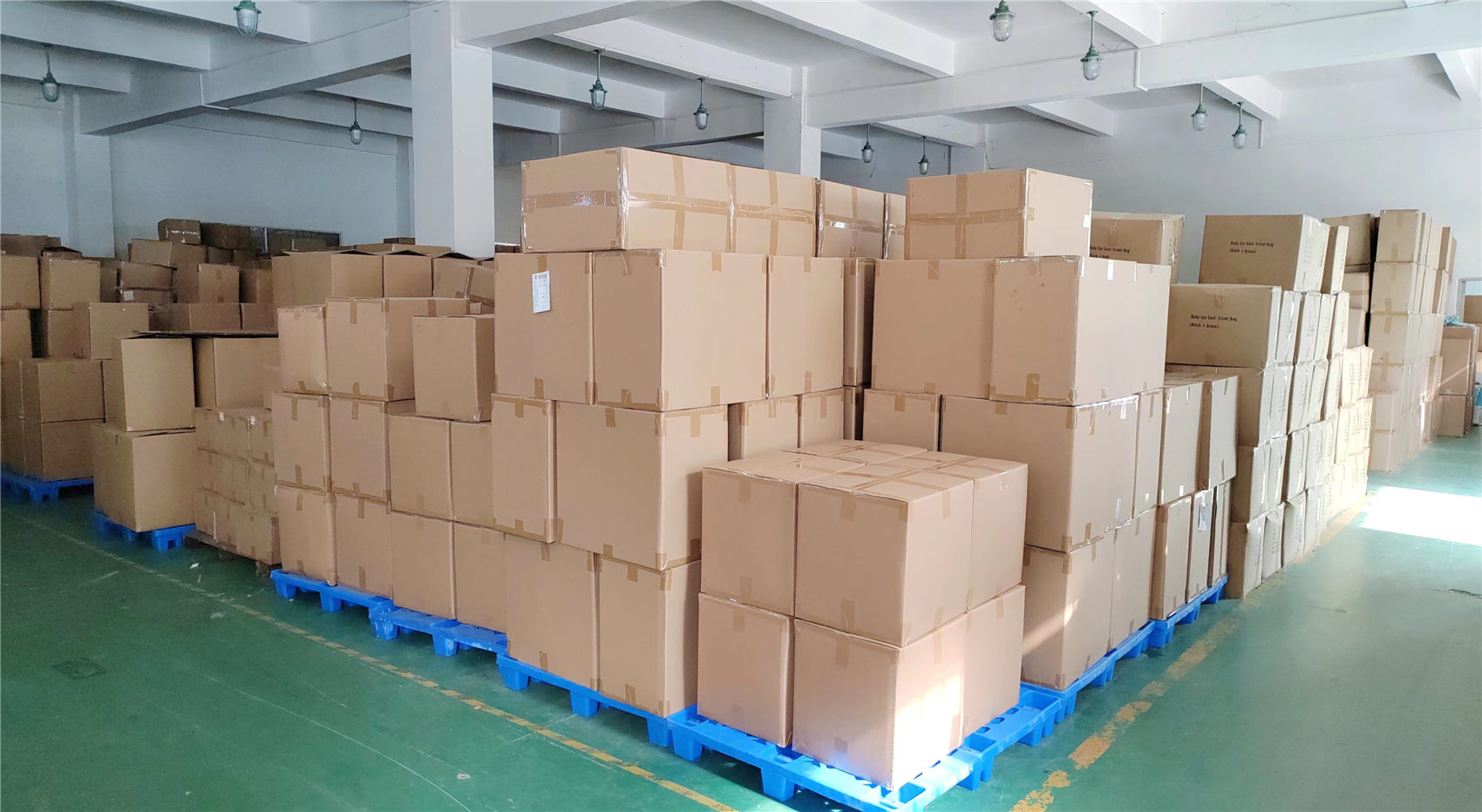
Understanding the technical protocols and quality checkpoints required to enter the South Korean retail market.
Exporting customized textile products to South Korea requires strict adherence to local safety standards, notably the KC (Korea Certification) Mark for consumer goods. Products intended for kids or general consumer use must go through rigorous chemical testing:
| Target Hazard | Standard & Limit | Relevance to Tote Bags |
|---|---|---|
| Arylamines (AZO Dyes) | < 30 mg/kg (Non-detectable) | Applies to dyed fabrics & printed logos |
| Free Formaldehyde | < 75 mg/kg (Adult skin contact) | Fabric finish coatings and print binders |
| Total Lead (Pb) | < 90 mg/kg | Metal zippers, snaps, and magnetic buttons |
At Hebei Ripped Fashion Co., Ltd., we perform pre-shipment inspections and work closely with international testing labs like SGS, Intertek, and TÜV to provide certificates of conformity. This pre-emptive compliance strategy ensures that your shipments clear customs at Incheon or Busan Port without costly quarantine delays.
Get in touch with our B2B export specialists for complete OEM/ODM production estimates.
Send Inquiry NowEssential insights for B2B procurement managers and purchasing agents sourcing canvas products for South Korea.
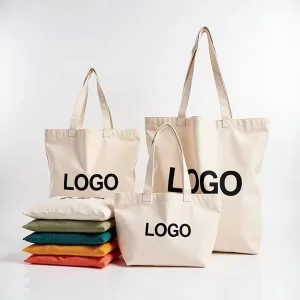
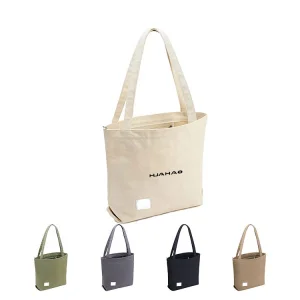
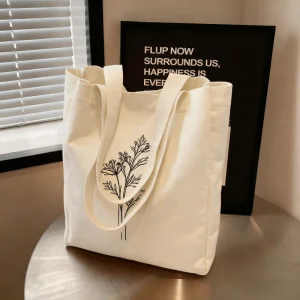
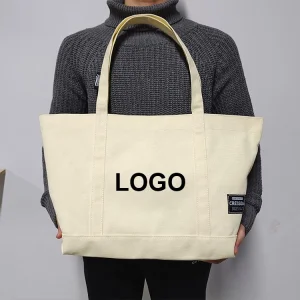
Customizable canvas formats designed for cosmetic promos, sports events, and high-street fashion retail.
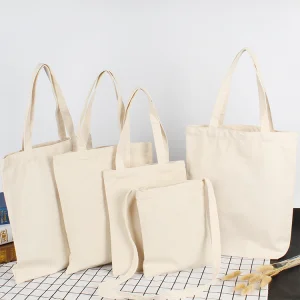
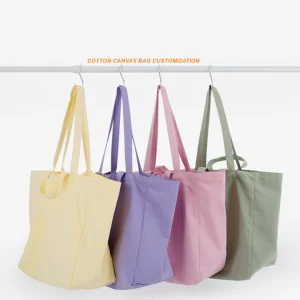
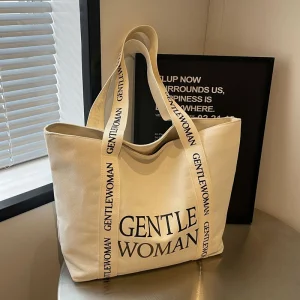
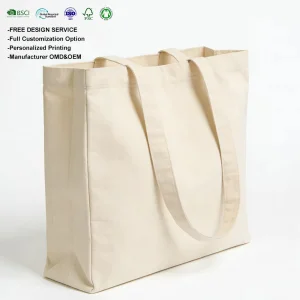
Certified organic fabrics and structured bags customized for high-value branding needs in South Korea.
 Ripped Fashion