Advanced OEM shoulder bag solutions customized for Mexican retail demand, balancing lightweight functional structures with fashion-forward designs.
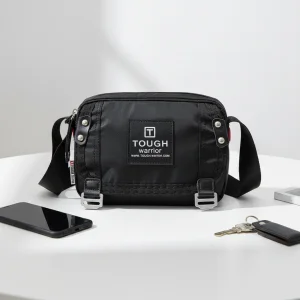
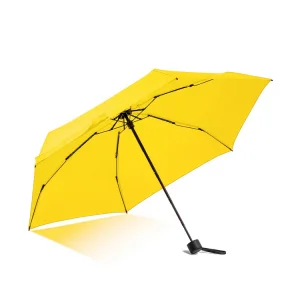
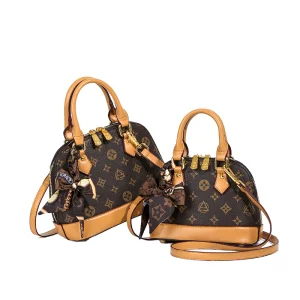
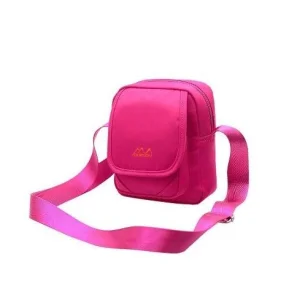
Mexico's position in the global textile, leather, and bags manufacturing sector has experienced a profound shift over the past decade. Driven by the nearshoring wave, brand owners in North America are increasingly looking to Mexico as a regional powerhouse. Major industrial corridors, particularly in León, Guanajuato (famed for its leatherwork lineage) and Guadalajara, Jalisco, host a sophisticated network of factories that excel in custom bag fabrication.
Despite these strong regional capabilities, global procurement managers frequently confront structural limitations. The domestic supply chain for premium synthetic textiles, such as ultra-high-density waterproof nylon and custom engineered hardware, remains largely import-reliant. While Mexican factories excel in final assembly, design execution, and close-to-market logistics, they often struggle with the raw material price scaling. As a result, bulk exporters in Mexico frequently partner with Chinese primary materials ecosystems to remain cost-competitive in the international marketplace.
León and Guadalajara offer highly skilled artisan workforces specializing in genuine leather craftsmanship, traditional patterns, and local assembly processes.
Reduced lead times for the US market under the USMCA trade agreement, enabling rapid turnaround for high-velocity fashion retail lines.
Lack of comprehensive high-grade synthetic textile mills and functional hardware suppliers forces dependence on foreign raw material inputs.
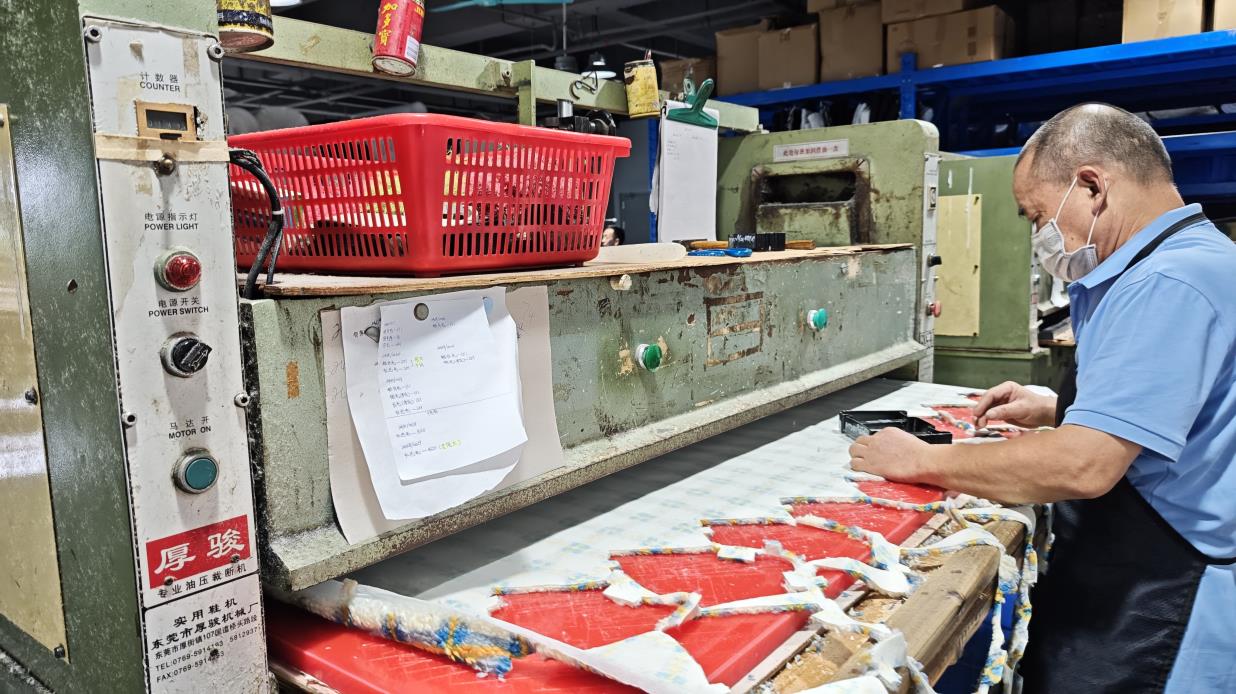
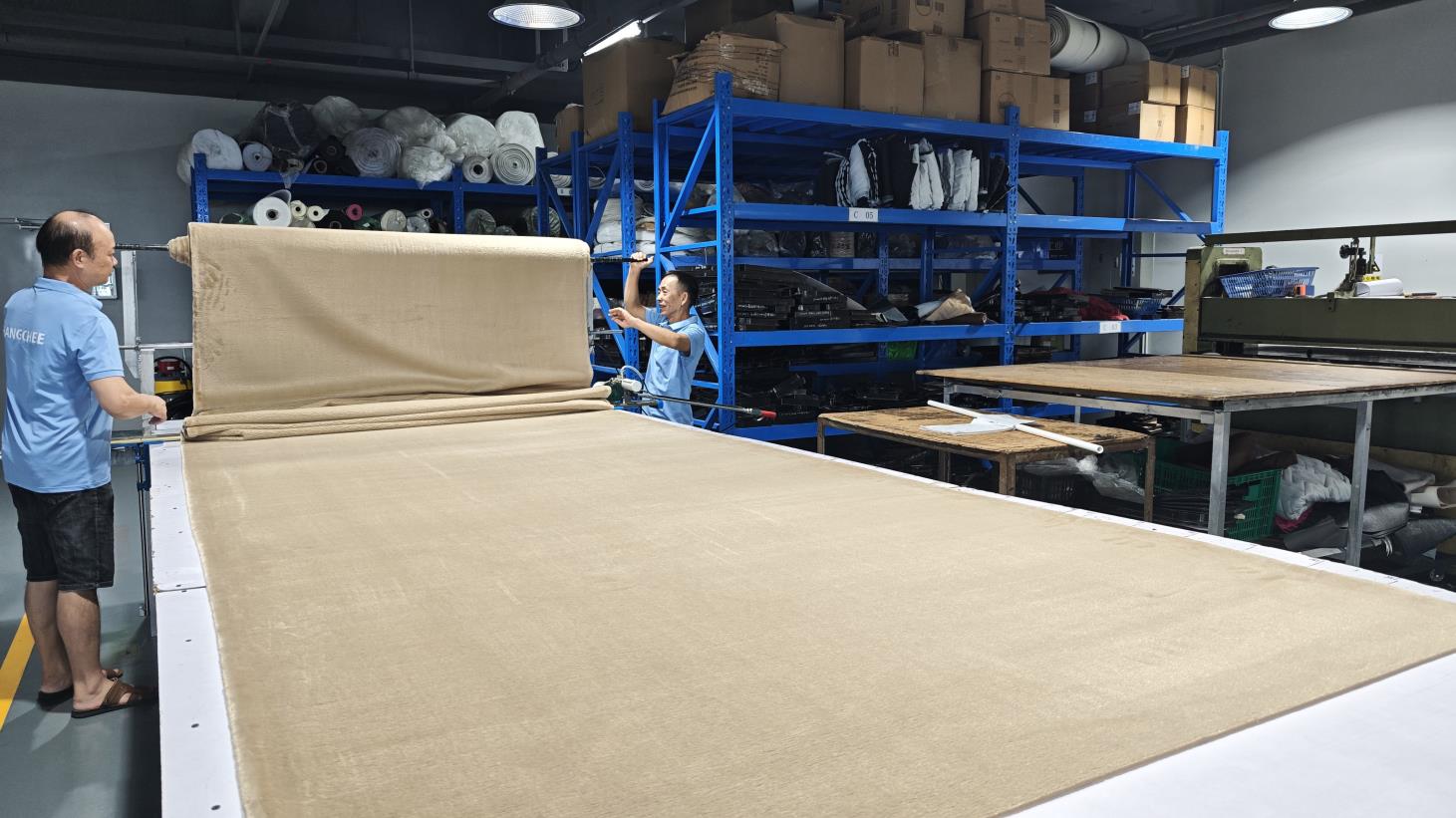
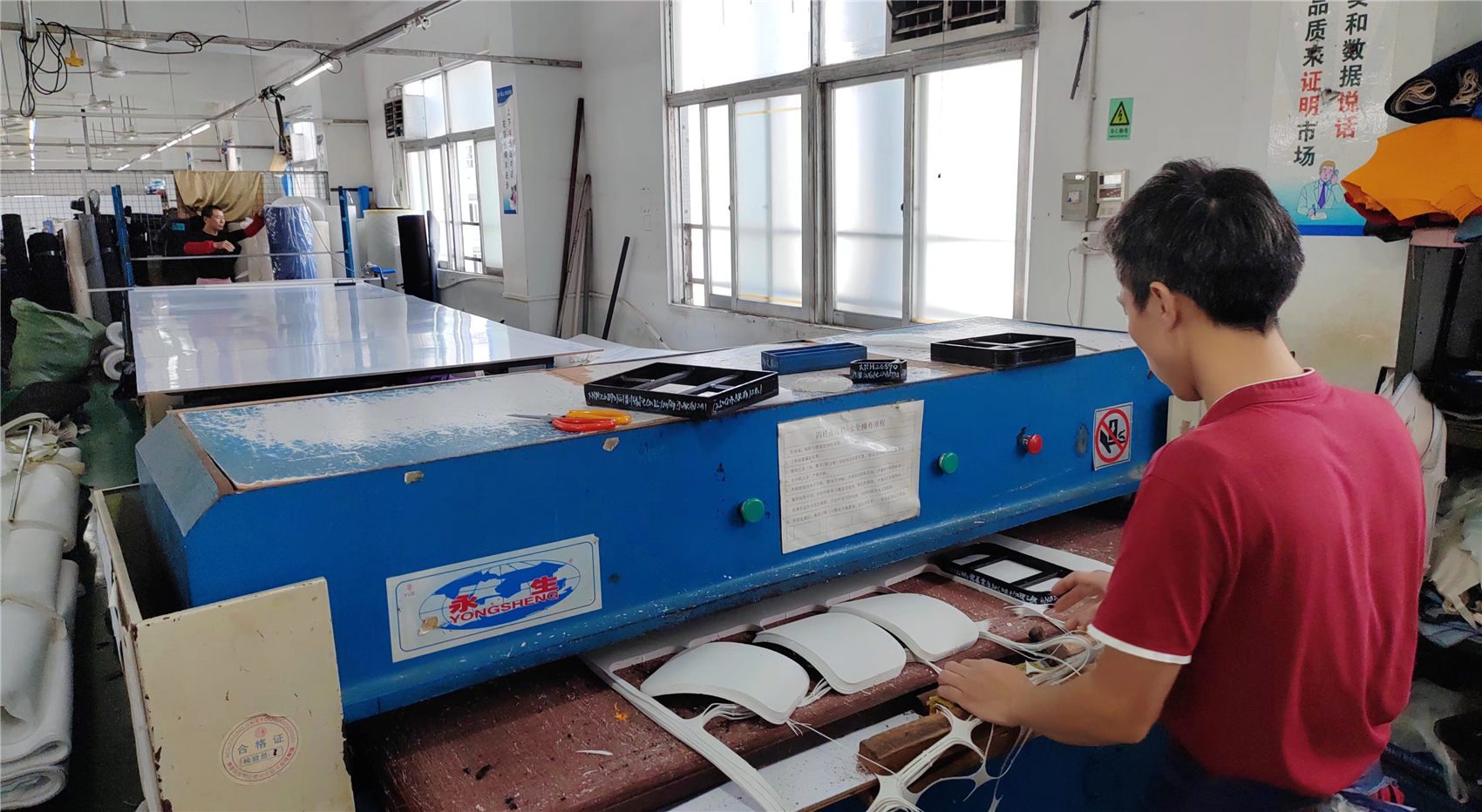
For buyers targeting high-efficiency, multi-compartment, and highly technical bag products, understanding the comparative metrics between Chinese production and Mexican domestic assembly is essential. The "Luggage Capital of China" (such as Baigou in Hebei Province) hosts an optimized ecosystem where raw material procurement, CAD pattern digitization, high-speed laser cutting, and precise manual sewing occur within a single industrial perimeter.
This localized integration results in a 30% to 45% production efficiency premium compared to facilities operating in Latin America. By sourcing directly from a vertically integrated facility, buyers gain access to advanced material engineering (such as RFID-blocking pockets, sustainable fabrics, and anti-theft zipper mechanisms) that are cost-prohibitive to implement in regional assembly units.
Established in 2009 and situated in Baigou Town, Baoding City, Hebei Province—famously recognized as the “luggage capital of China,” Hebei Ripped Fashion Co., Ltd. has evolved into a premier ODM & OEM manufacturing partner. Over twenty years of cumulative manufacturing experience allows us to provide comprehensive design-to-delivery services for global retailers, corporate importers, and distributor networks across North and South America.
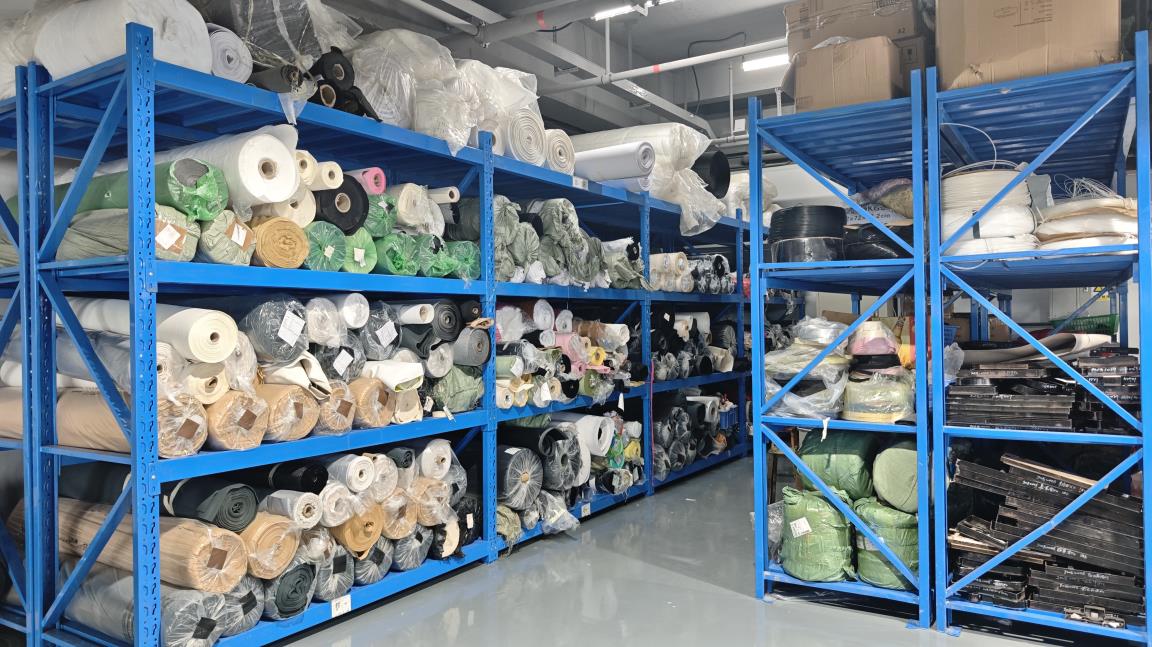
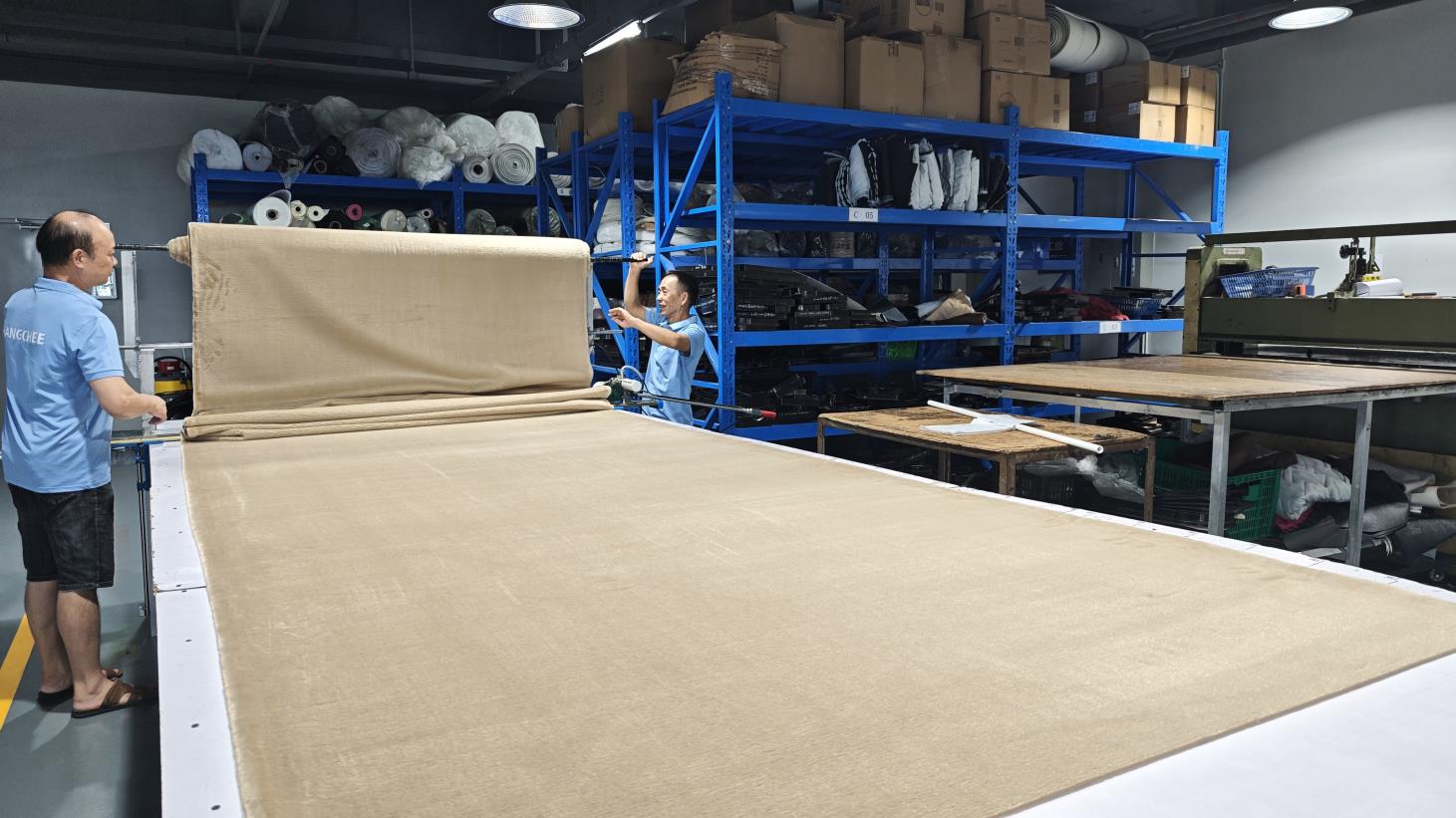
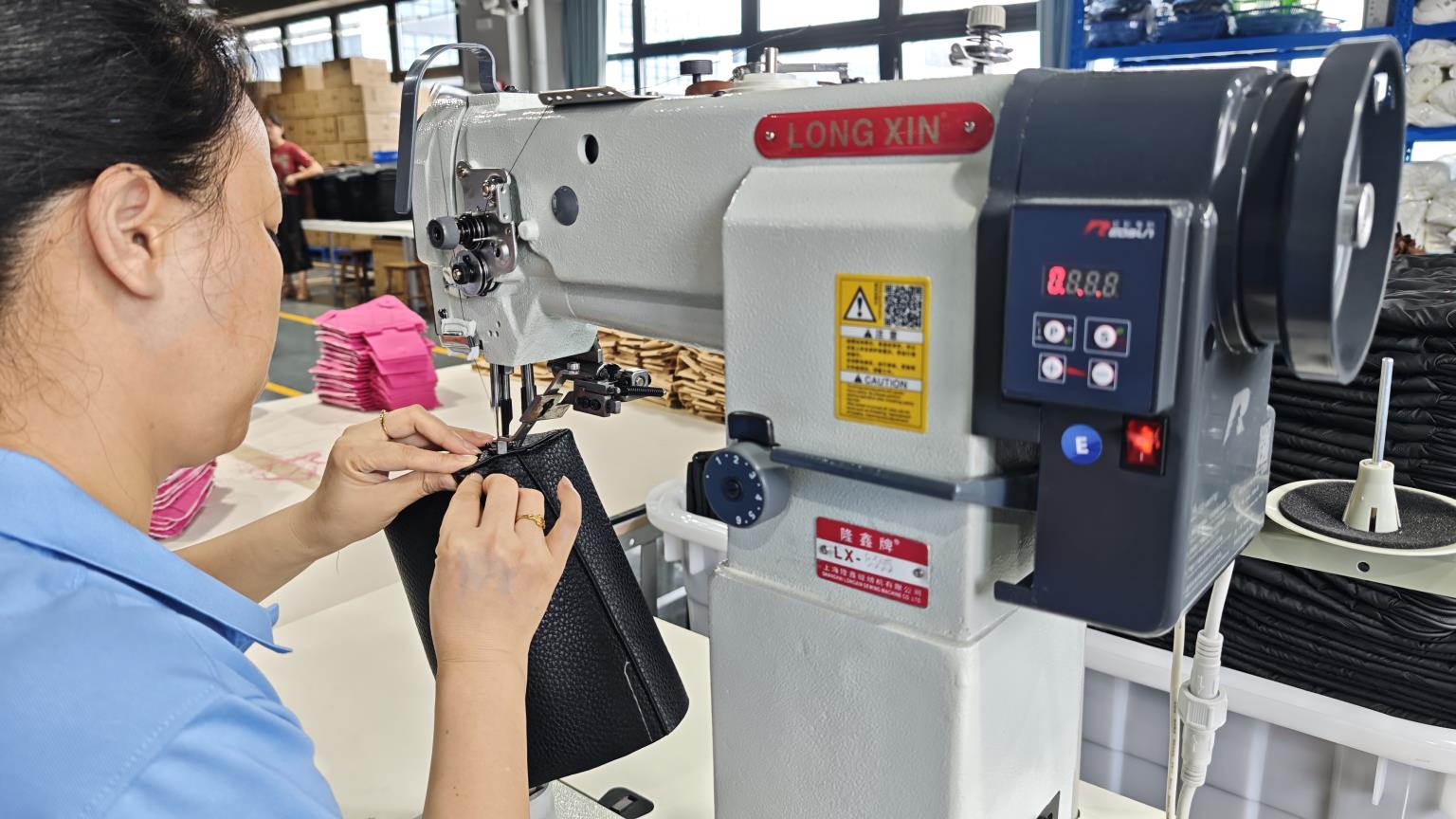
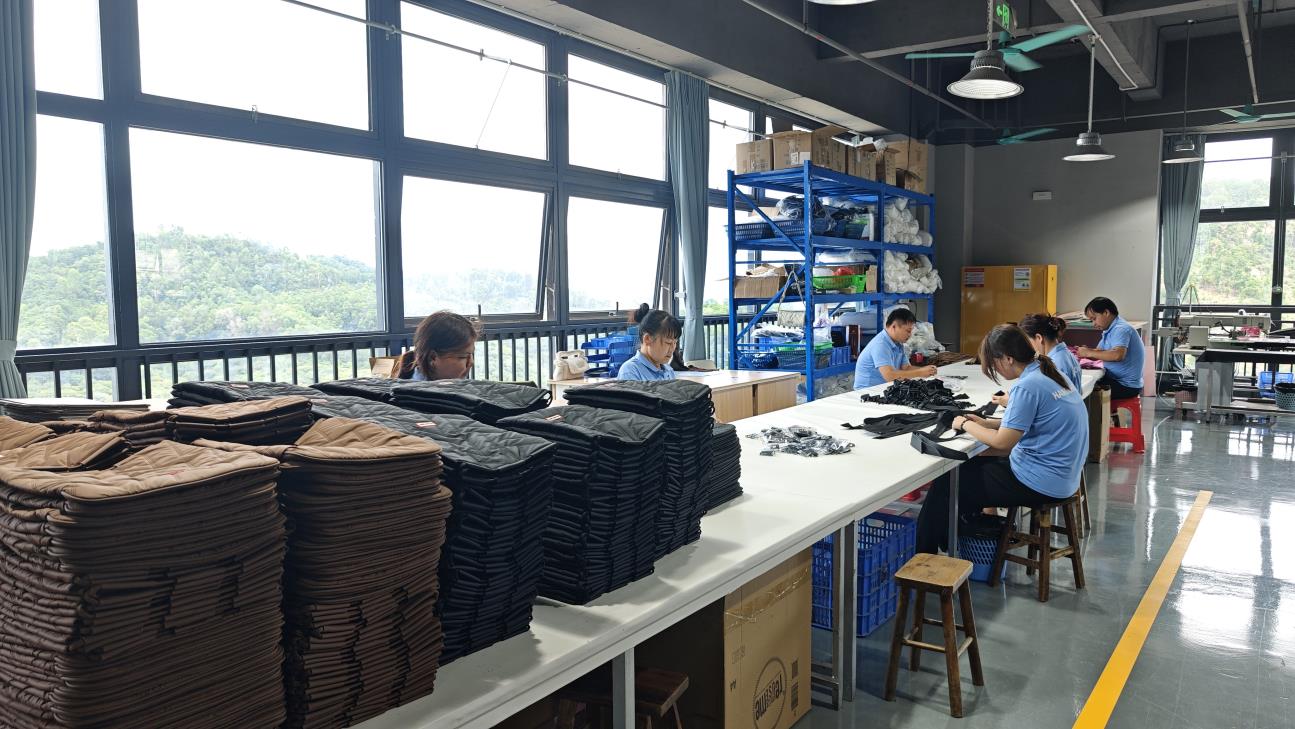
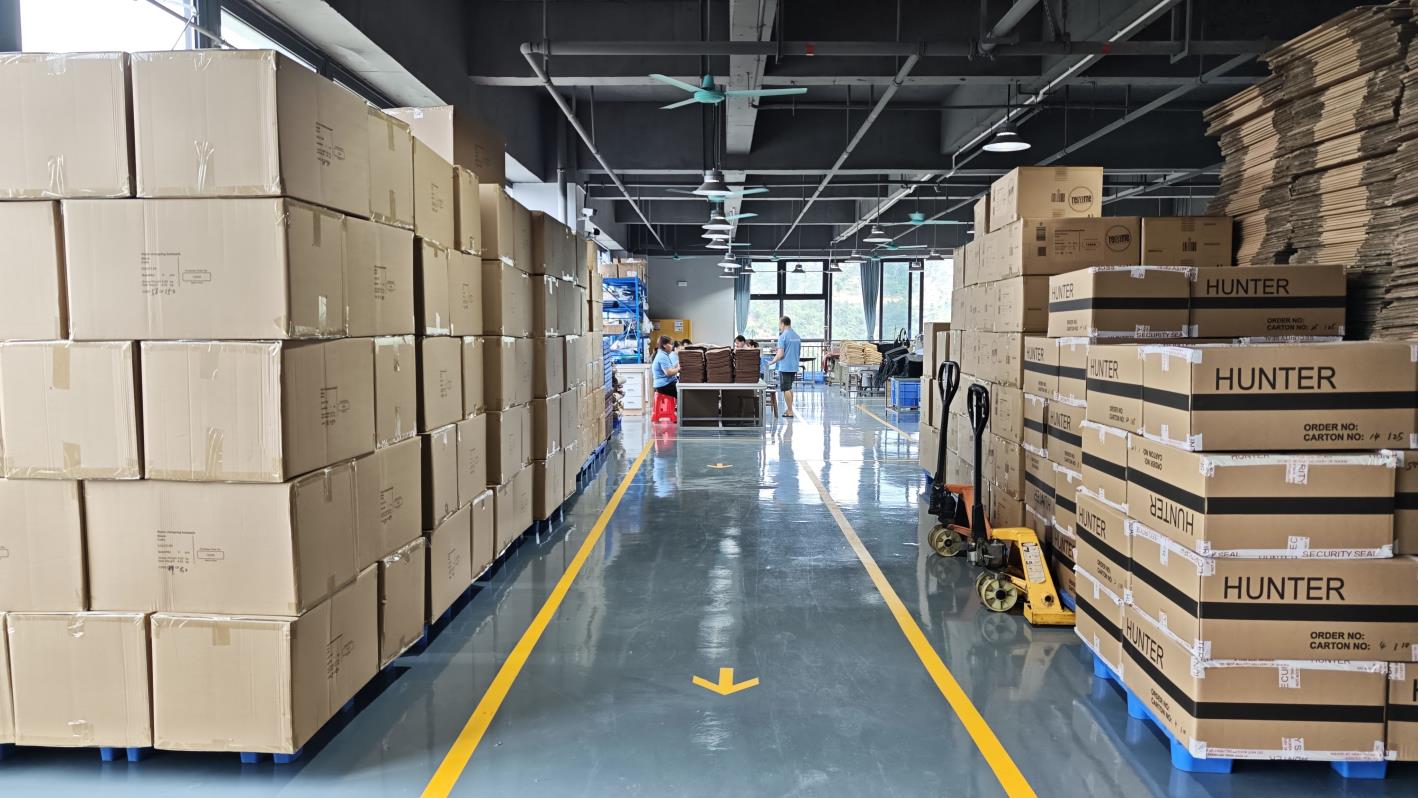
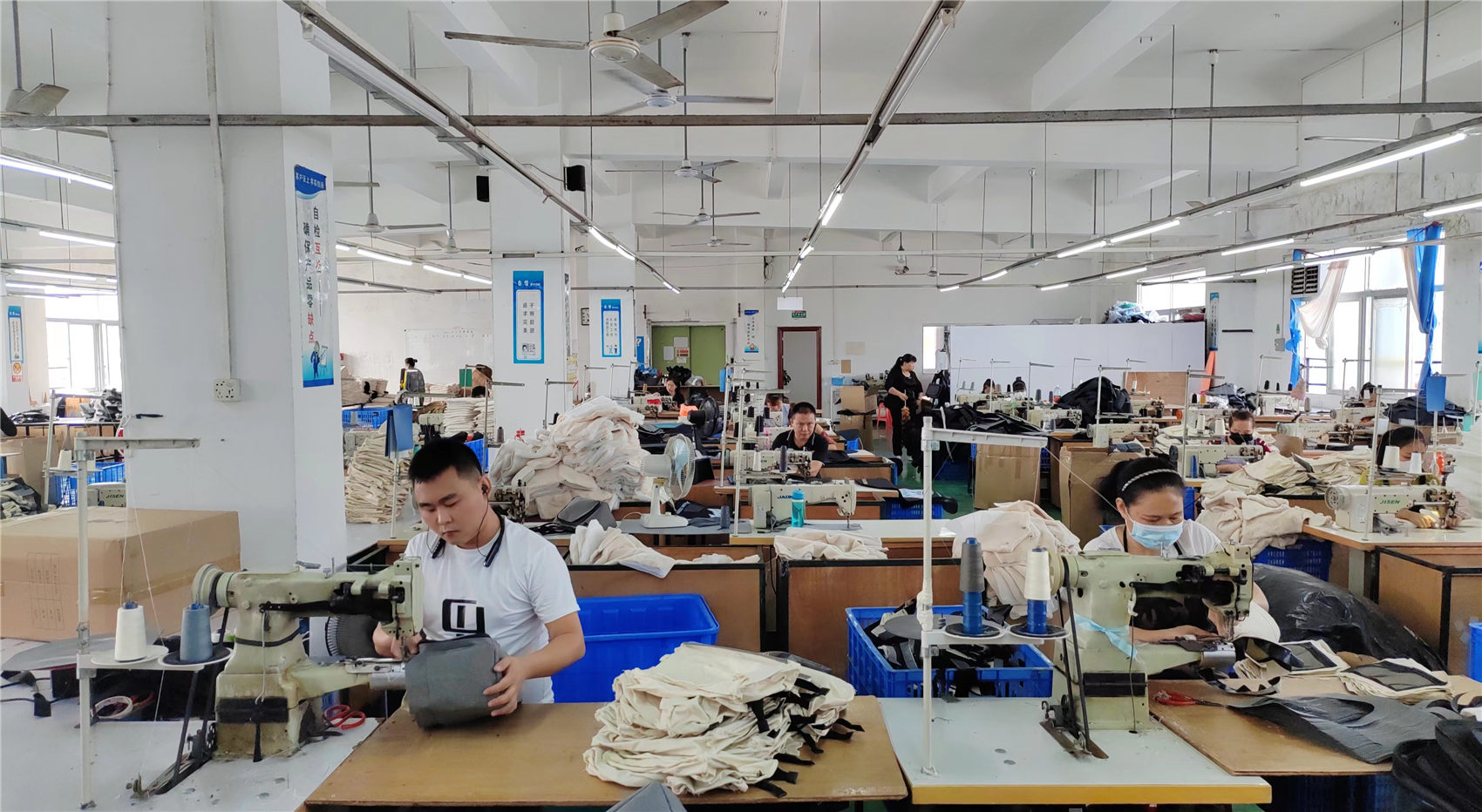
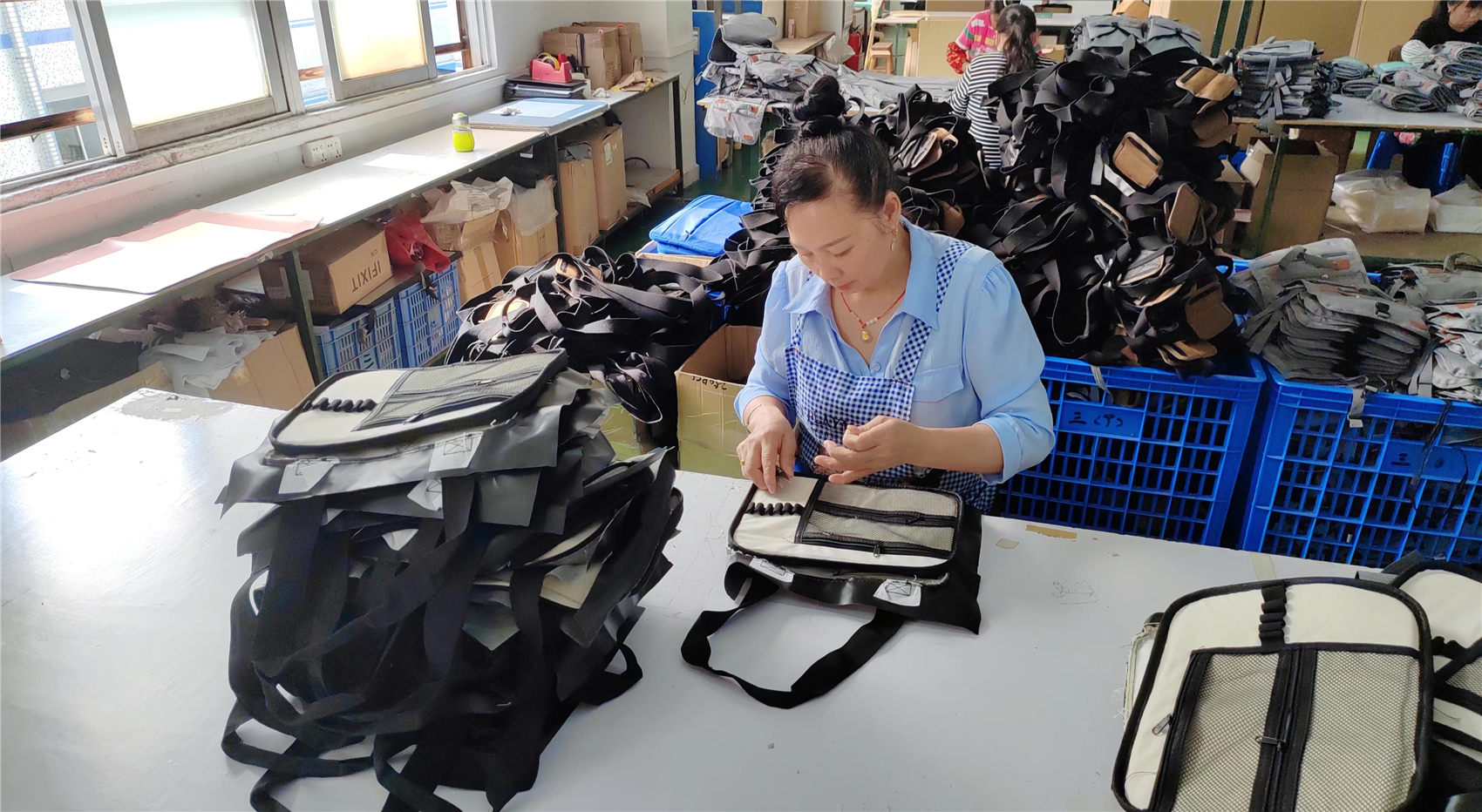
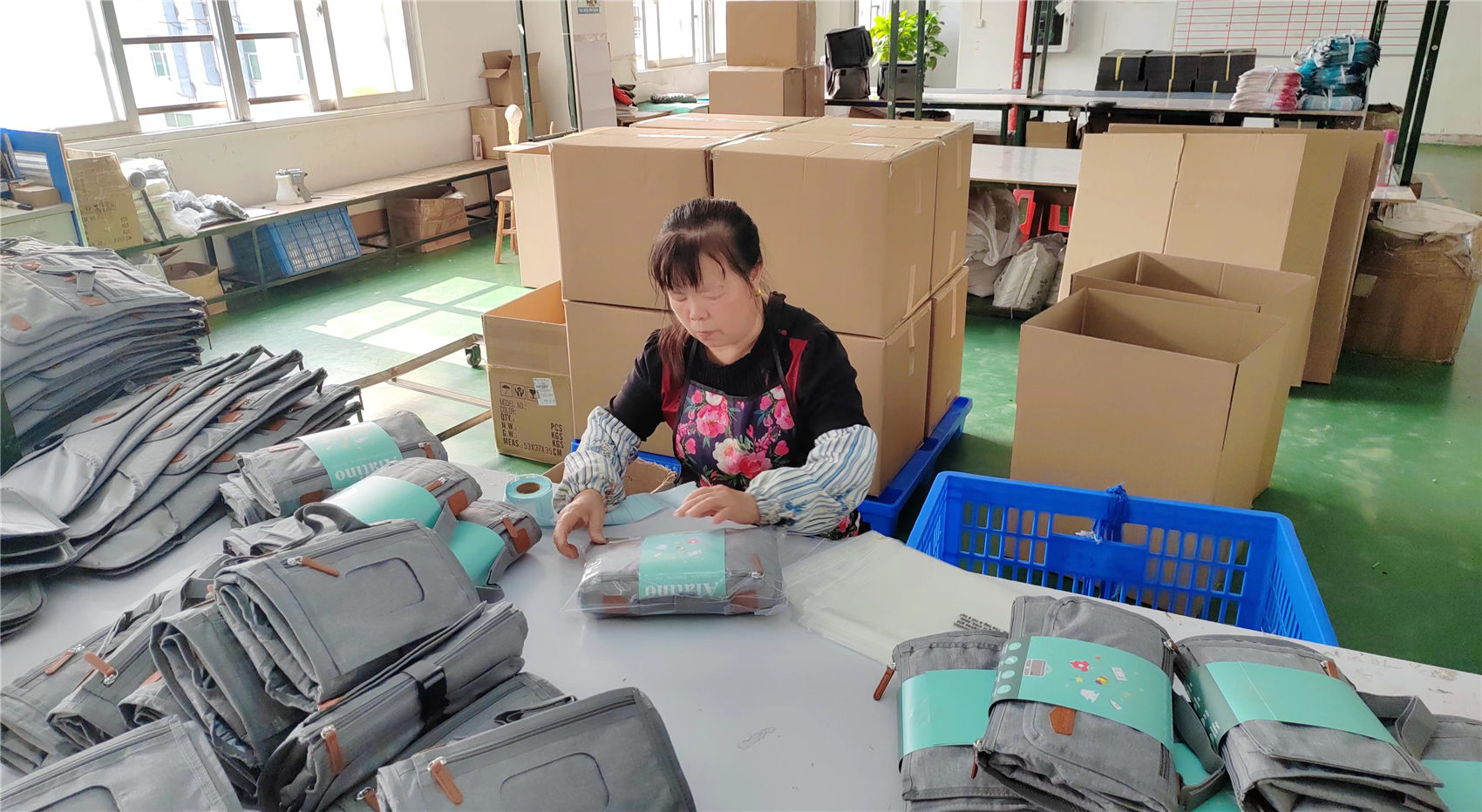
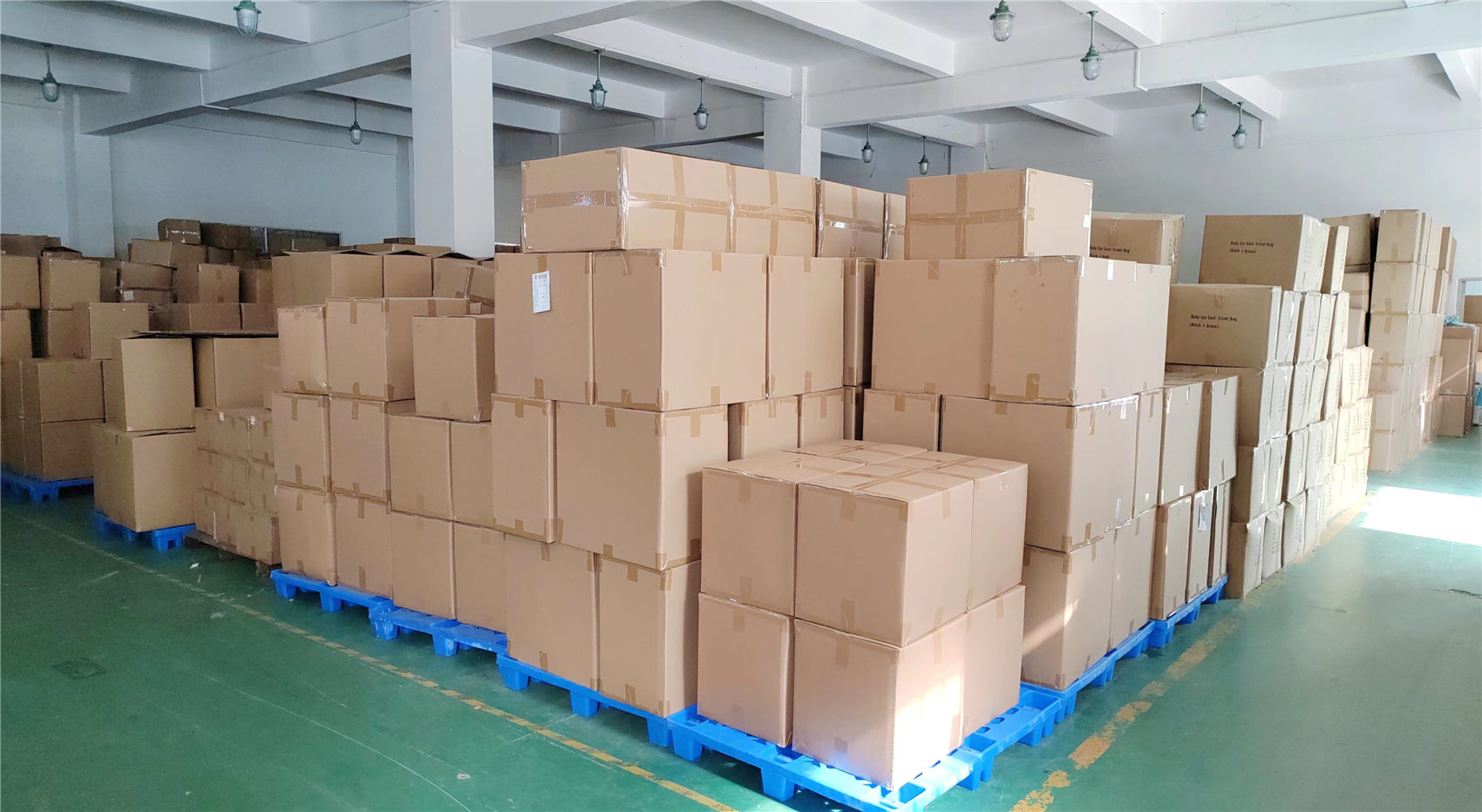
Spanning an industrial footprint of 3,000 square meters, including a dedicated 2,000-square-meter modern production workshop, our facility operates with over 300 highly experienced machine technicians and QC specialists. Our core capabilities center around fashion handbags, backpacks, active waist packs, functional utility tote bags, and versatile shopping carriers.
To capture market share in Mexico's high-demand metropolitan areas (Mexico City, Monterrey, Guadalajara), bags must be designed around specific regional utility scenarios:
Sustainable sourcing has moved from a niche preference to a foundational requirement. B2B buyers must prioritize materials constructed from certified recycled plastics (RPET) and waterborne polyurethane (PU) formulations that avoid harmful solvents. Tactile design trends show a shift toward geometric architecture, structural baguettes, and clean lines that easily transition from professional settings to casual environments.
Explore our export-ready collections designed to fit diverse lifestyle markets and international retail requirements.

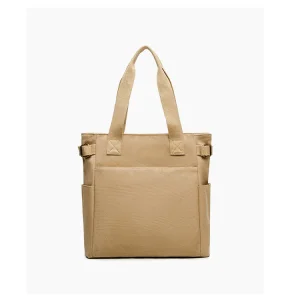
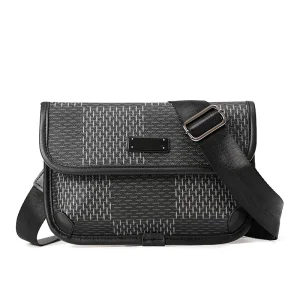
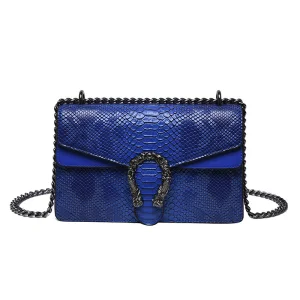
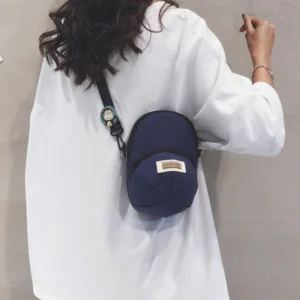
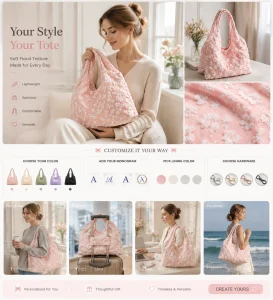

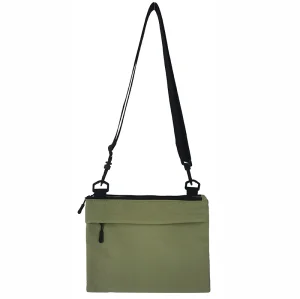
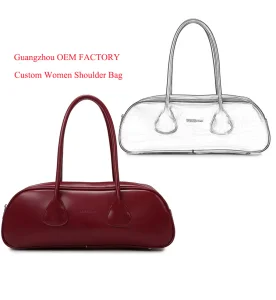
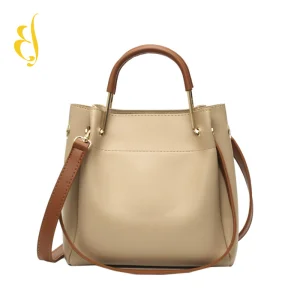
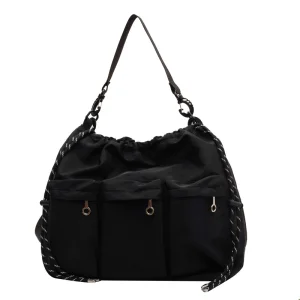
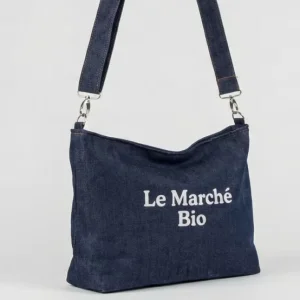
Managing international logistics and customs compliance for bulk bag orders requires clear technical guidelines. Whether shipping under nearshoring models or direct from Chinese manufacturing zones, professional buyers should adhere to the following standard operating procedures:
Quality Inspection Levels (AQL): Standard orders should enforce Acceptable Quality Limit (AQL) standards of 1.5 for critical defects and 2.5 for minor cosmetic variations. Double-stitching checks, zipper life-cycle evaluations (minimum 5,000 pulls), and load bearing capacity tests (up to 15kg for computer carrying items) must be validated before port clearance.
Regulatory and Chemical Compliance: For brands distributing throughout North America and Europe, products must comply with California Proposition 65 (heavy metal limits) and REACH standards. All PU materials should be tested for phthalates, cadmium, and lead concentrations.
A: Under USMCA provisions, goods qualifying as Mexican-origin enter the US tariff-free. However, if the components (such as specialized nylon and custom zippers) are sourced globally, final assembly in Mexico must meet specific rules of origin to receive tariff exemption. Direct shipping from China to North America is subject to standard MFN tariffs, which is often offset by the significantly lower unit production costs realized through Chinese factory automation.
A: For standard styles with existing colorways, the MOQ starts at 500 units per style. For fully customized hardware shapes, specific dye-to-match fabric requirements, or advanced anti-theft modifications, the factory MOQ ranges from 1,000 to 2,000 units to justify configuration costs and automated cutting machine setups.
A: We use a multi-tiered inspection protocol. Once raw materials arrive at our workshop, they undergo incoming quality control (IQC) for color accuracy and water resistance. During assembly, in-line checkers evaluate seam strength, pocket alignments, and hardware function. Finally, a 100% manual inspection is carried out before packaging to guarantee no thread loose ends, alignment errors, or surface scuffs reach the shipping container.
A: Yes. We source materials from certified suppliers who can provide Global Recycled Standard (GRS) certificates for polyester and nylon textiles. Our green PU leathers are manufactured without toxic solvents, compliant with REACH regulations for human and environmental safety.
A: Marine freight from Chinese ports (such as Tianjin or Shanghai) to Manzanillo or Lázaro Cárdenas in Mexico typically requires 20 to 28 days. Customs clearance at Mexican ports averages 3 to 7 days, depending on paperwork accuracy and inspection protocols. For high-priority launches, air cargo takes between 5 to 9 days.
 Ripped Fashion