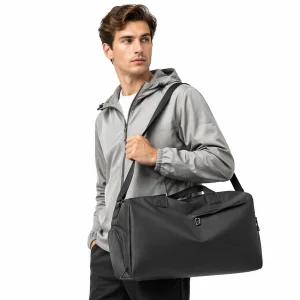
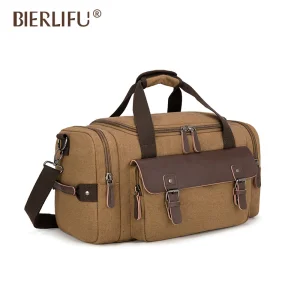
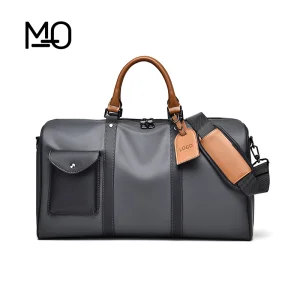
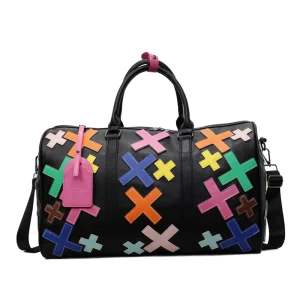
Explore our premium curated collection of custom duffle bags engineered for heavy-duty travel, extreme outdoor pursuits, and high-performance athletic activities.
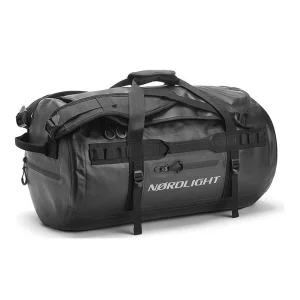
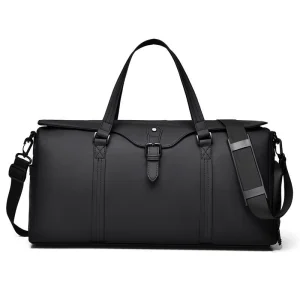
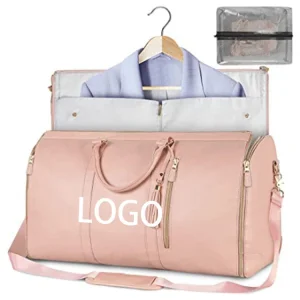
The global bag and luggage market is undergoing a seismic shift. As international procurement heads look to diversify their supply chains under the "China + 1" strategy, India has emerged as a key destination. With its rich textile heritage, abundant raw cotton, and growing manufacturing sector, the country is home to several specialized duffle bag factories. The industrial hubs of Mumbai, Kanpur, Chennai, Kolkata, and New Delhi form the backbone of India's bag manufacturing landscape.
Historically, India's bag manufacturing excels in leather and cotton canvas duffle bags. Kanpur and Chennai, globally famous for their leather tanneries, feed the luxury and vintage travel bag sectors. Kolkata is the primary hub for eco-friendly jute and canvas materials, catering to the growing European demand for natural-fiber weekenders. However, as modern luggage requirements lean toward synthetic, ultra-lightweight, and fully waterproof polymer-coated fabrics (like 500D PVC, TPU, and ripstop Nylon), Indian factories are adapting, though they still face systemic challenges in synthetic raw material integration and specialized automated welding technologies.
For B2B buyers, sourcing managers, and outdoor brands, choosing the right production destination requires a deep look at raw materials, production scale, lead times, and structural costs. The comparison between Indian and Chinese bag factories highlights distinct operational profiles:
1. Raw Material Ecosystem: India has an excellent supply of natural fibers like cotton, canvas, and jute, along with premium buffalo and goat leather. If your brand targets organic, rustic, or vintage aesthetics, India offers competitive pricing. However, for high-performance, waterproof, and sports duffle bags, synthetic textiles (TPU, high-denier PVC, Oxford polyester) are mostly imported. China's industrial hubs, particularly in Hebei, Zhejiang, and Guangdong, feature fully integrated vertical supply chains where polymer extrusion, fabric weaving, and coating happen locally, reducing lead times and costs.
2. Automation and Manufacturing Scale: Chinese bag factories leverage high-end machinery, including automated CAD cutting machines, electronic pattern-sewing units, and high-frequency RF welders. This allows for high consistency, minimal sewing errors, and massive scale. Indian duffle bag factories rely more heavily on manual processes. While this supports low-volume, highly customized, and artisanal runs, it can lead to higher defect rates in large-scale commercial runs.
Company Profile
Hebei Ripped Fashion Co., Ltd. was established in 2009 and is located in Baigou Town, Baoding City, Hebei Province—widely known as the “luggage capital of China.” Leveraging its strong local supply chain advantages and mature manufacturing ecosystem, the company has developed into a professional manufacturer specializing in fashion bags and accessories.
Guided by the principles of high-quality products, excellent service, and competitive pricing, Hebei Ripped Fashion Co., Ltd. has built long-term and stable partnerships with overseas retailers, chain stores, and well-known trading companies in China and abroad. Its products are widely distributed across global markets and are well received by customers for their reliability and style.
The company occupies a total area of approximately 3,000 square meters, including a 2,000-square-meter production workshop. With a skilled workforce of more than 300 experienced employees, the company maintains strong production capacity and strict quality control throughout the manufacturing process.
Its main product categories include handbags, backpacks, waist bags, tote bags, and shopper bags. The company also provides comprehensive OEM and ODM services, offering flexible customization solutions based on client requirements, including design development, material selection, logo branding, and packaging.
With over 20 years of combined industry experience in bag manufacturing, Hebei Ripped Fashion Co., Ltd. continuously updates its product designs to follow global fashion trends while ensuring durability and practical functionality. Fast delivery, fine craftsmanship, and consistent quality are the company’s core strengths, enabling it to maintain a strong reputation in international markets.
Looking ahead, the company is committed to further expanding its global presence, enhancing product innovation, and delivering more sustainable, stylish, and cost-effective fashion bag solutions to customers worldwide.
Our streamlined manufacturing process ensures every duffle bag meets rigorous international quality benchmarks before dispatch.
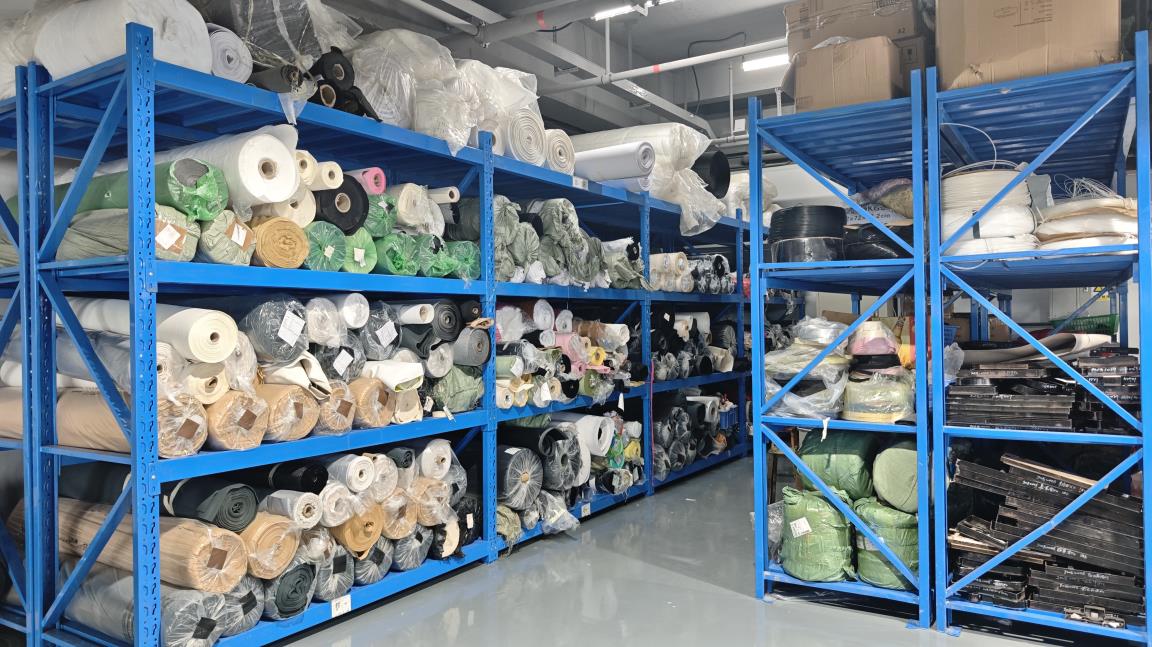
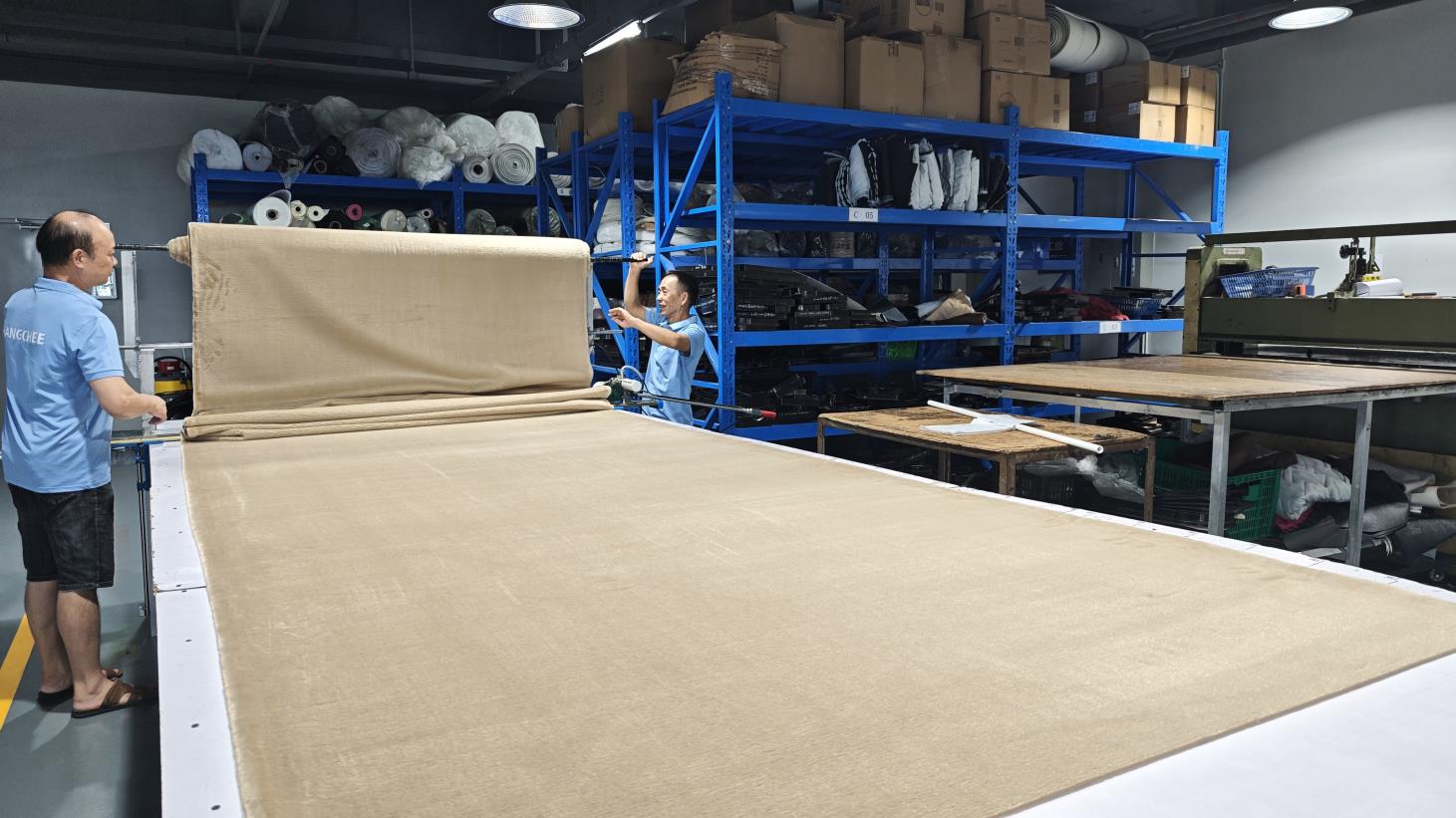
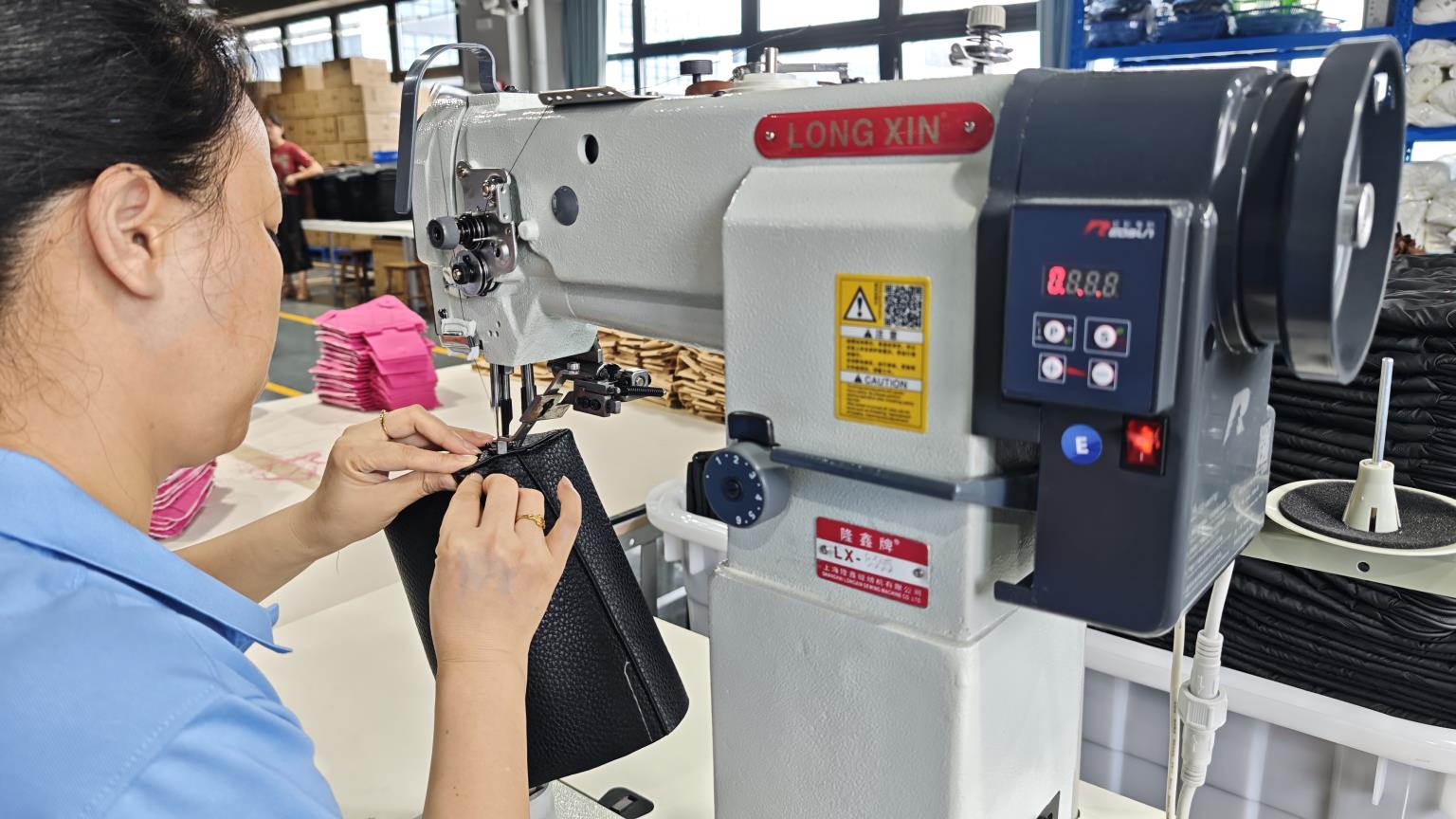
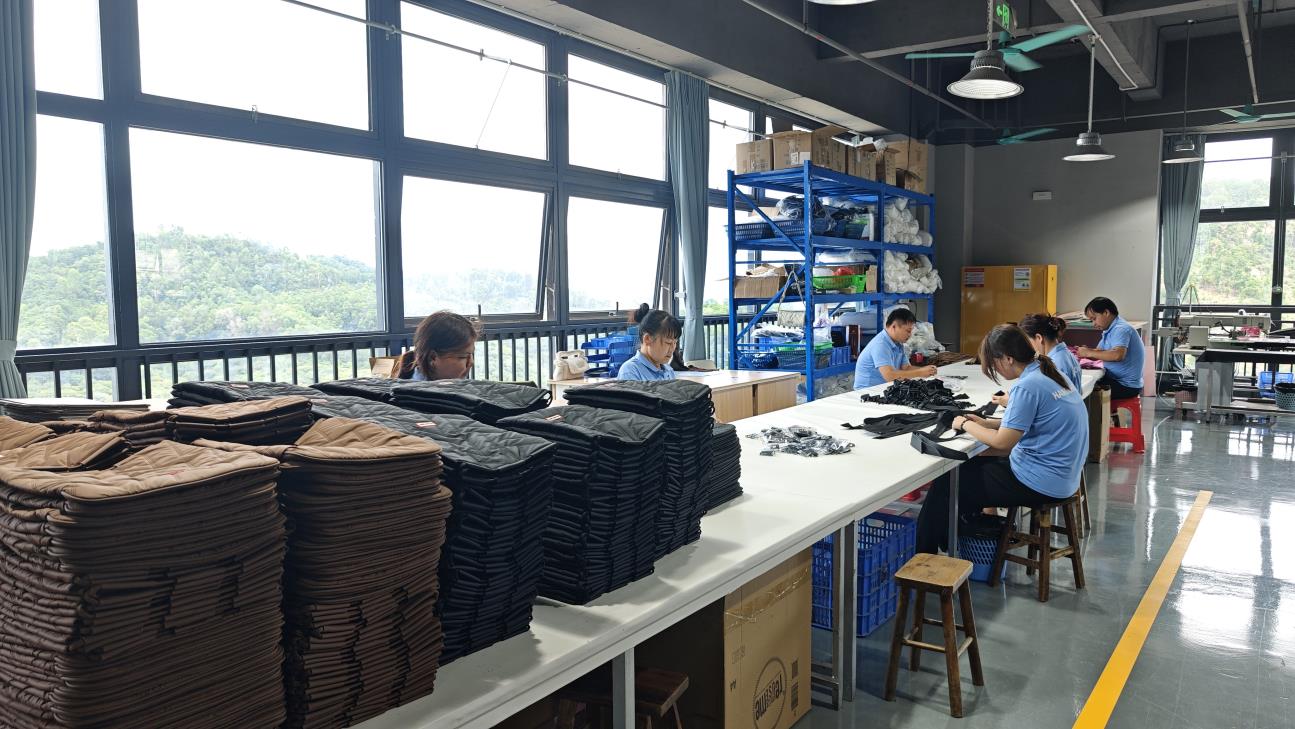
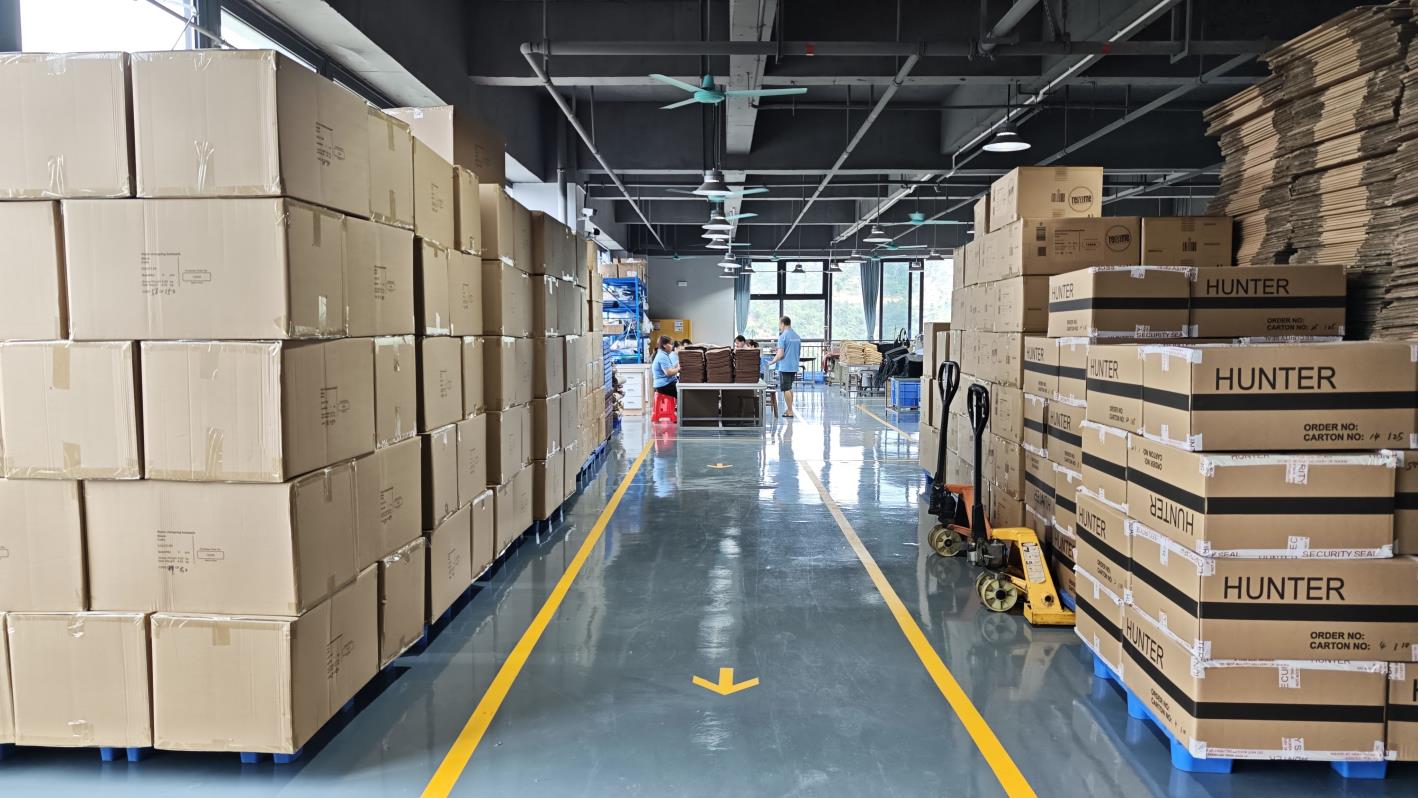
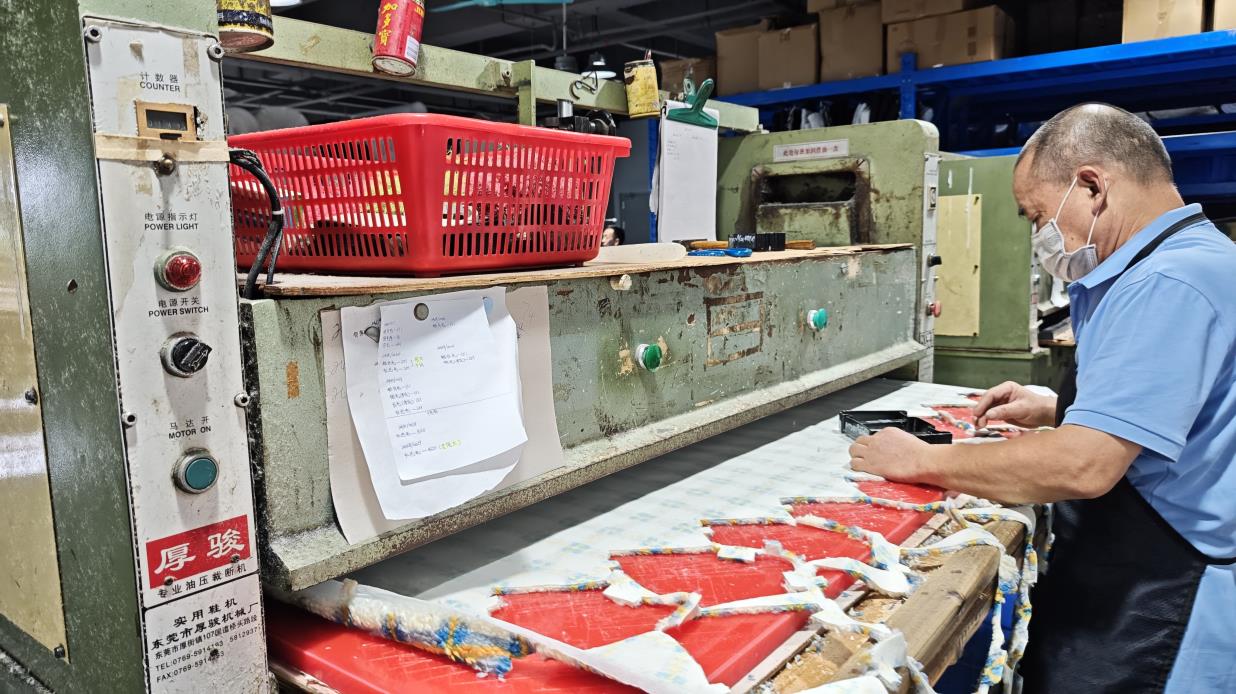 Cutting Machine
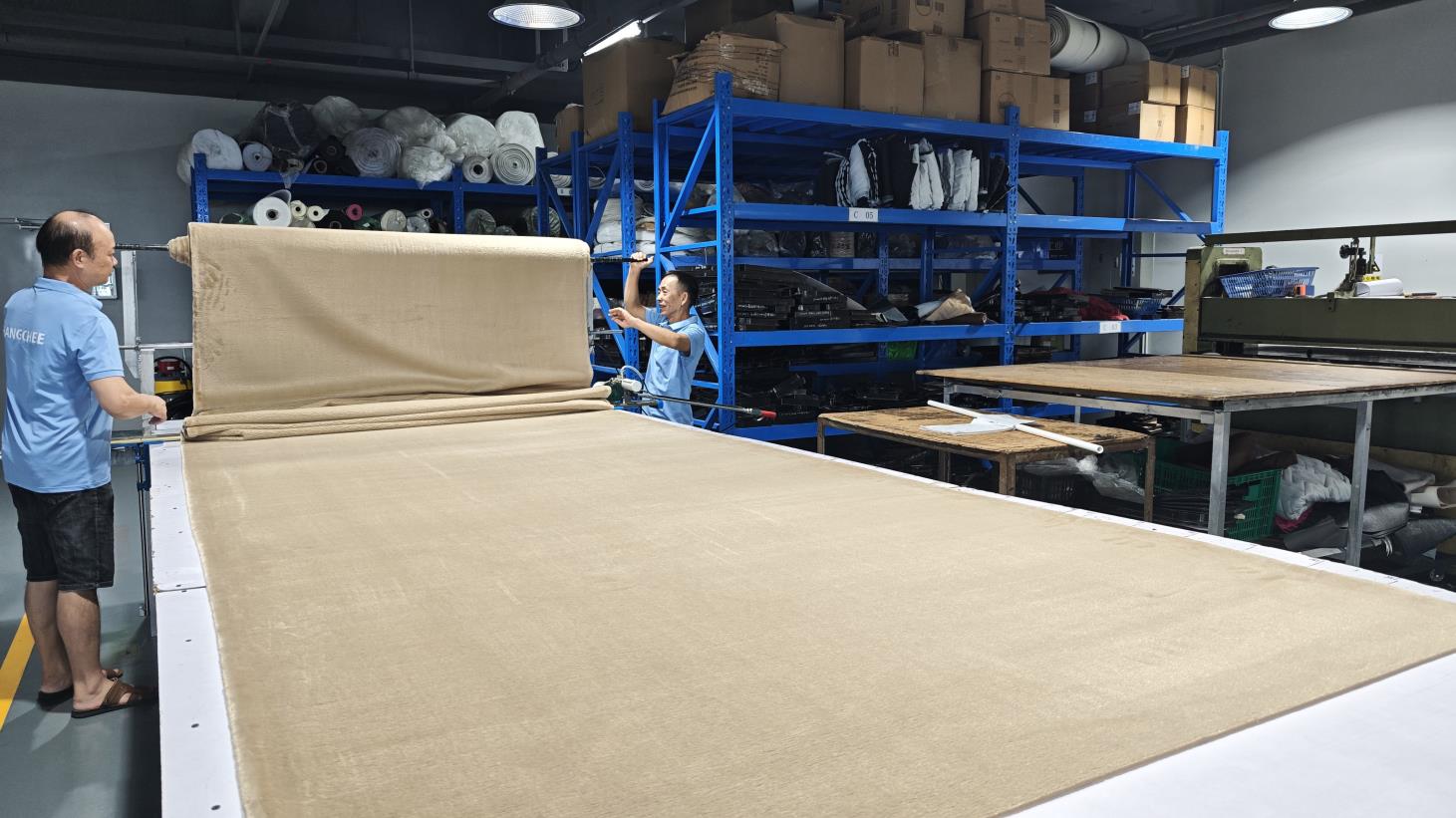 Cutting Table
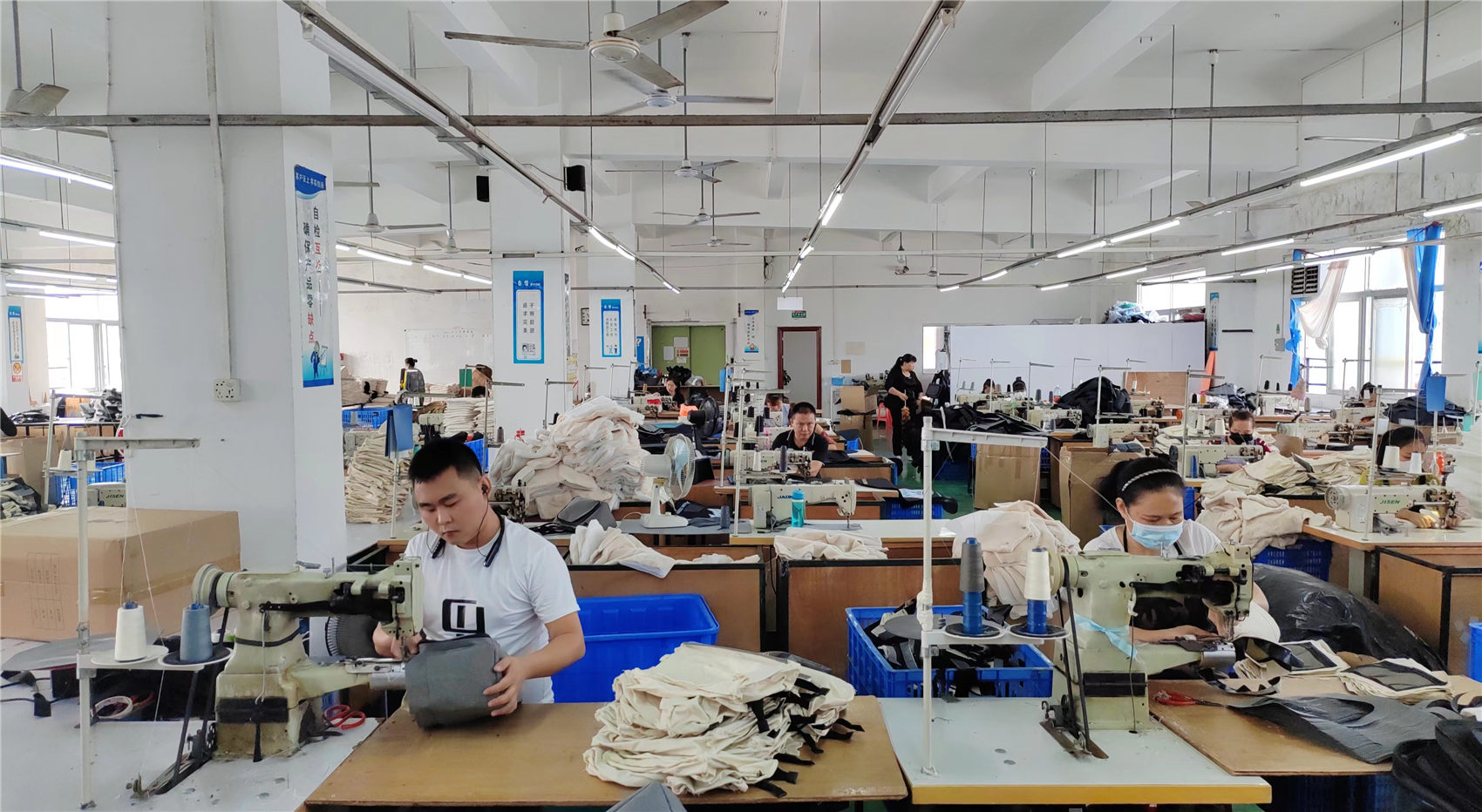 Sewing Station
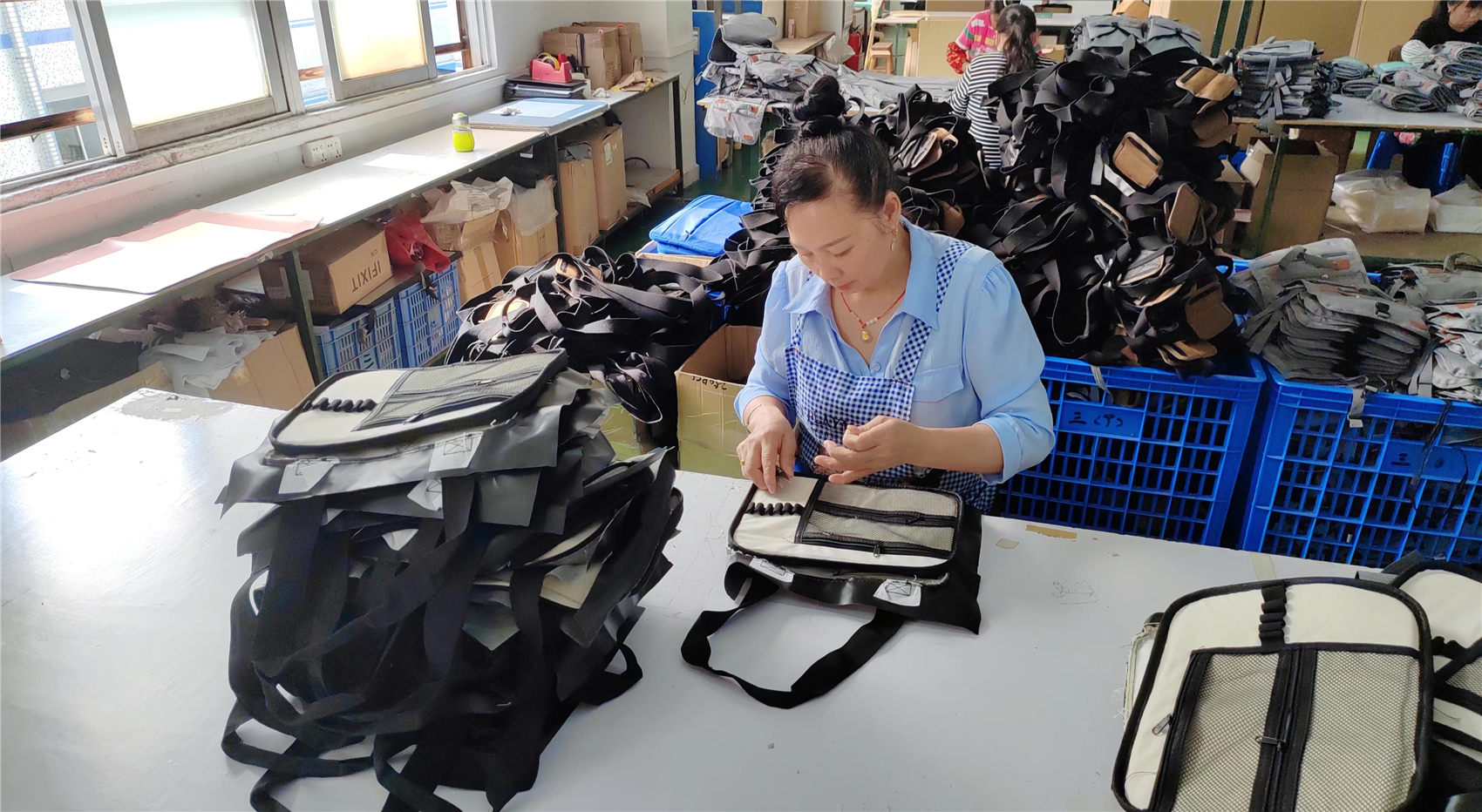 Inspection Area
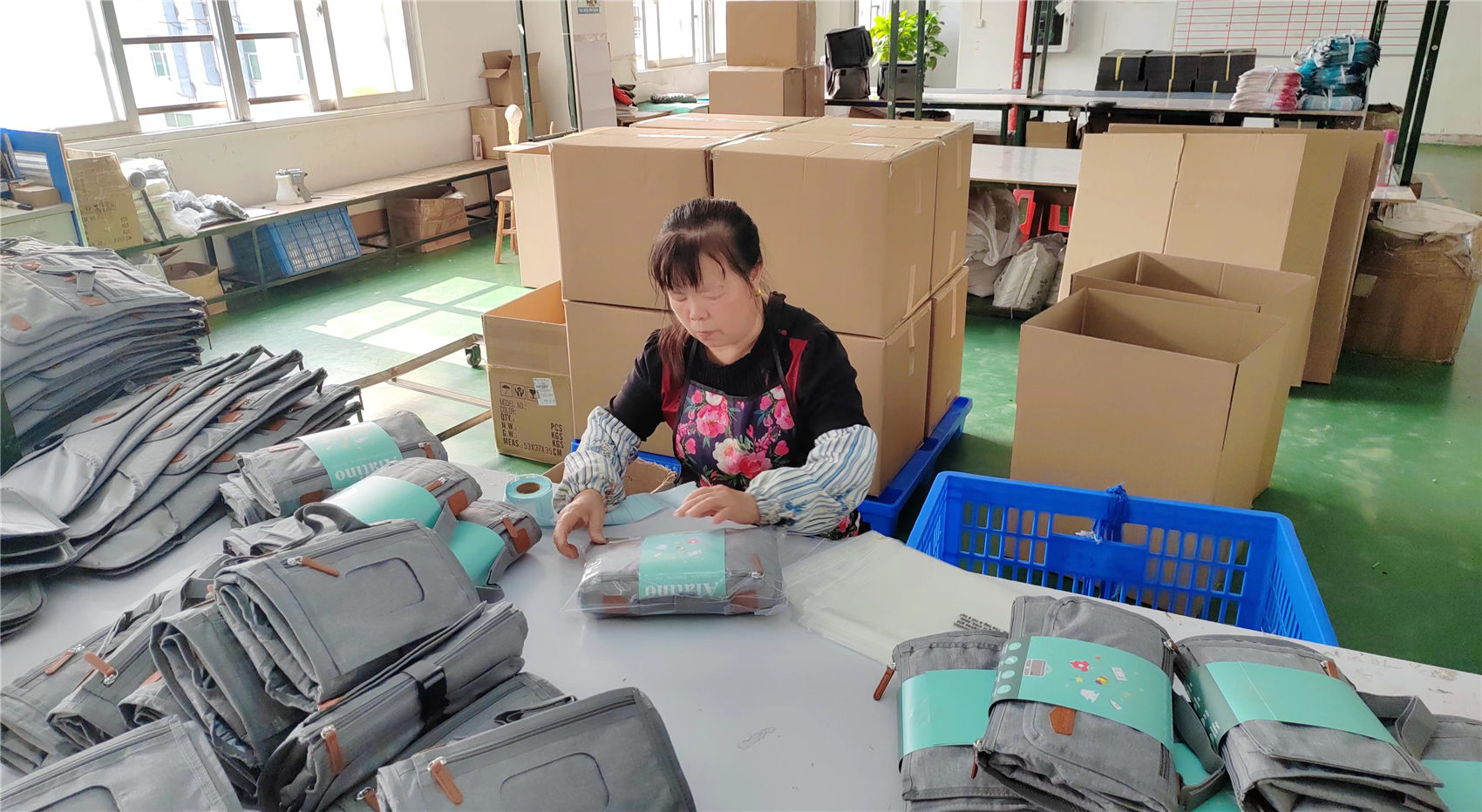 Packaging Area
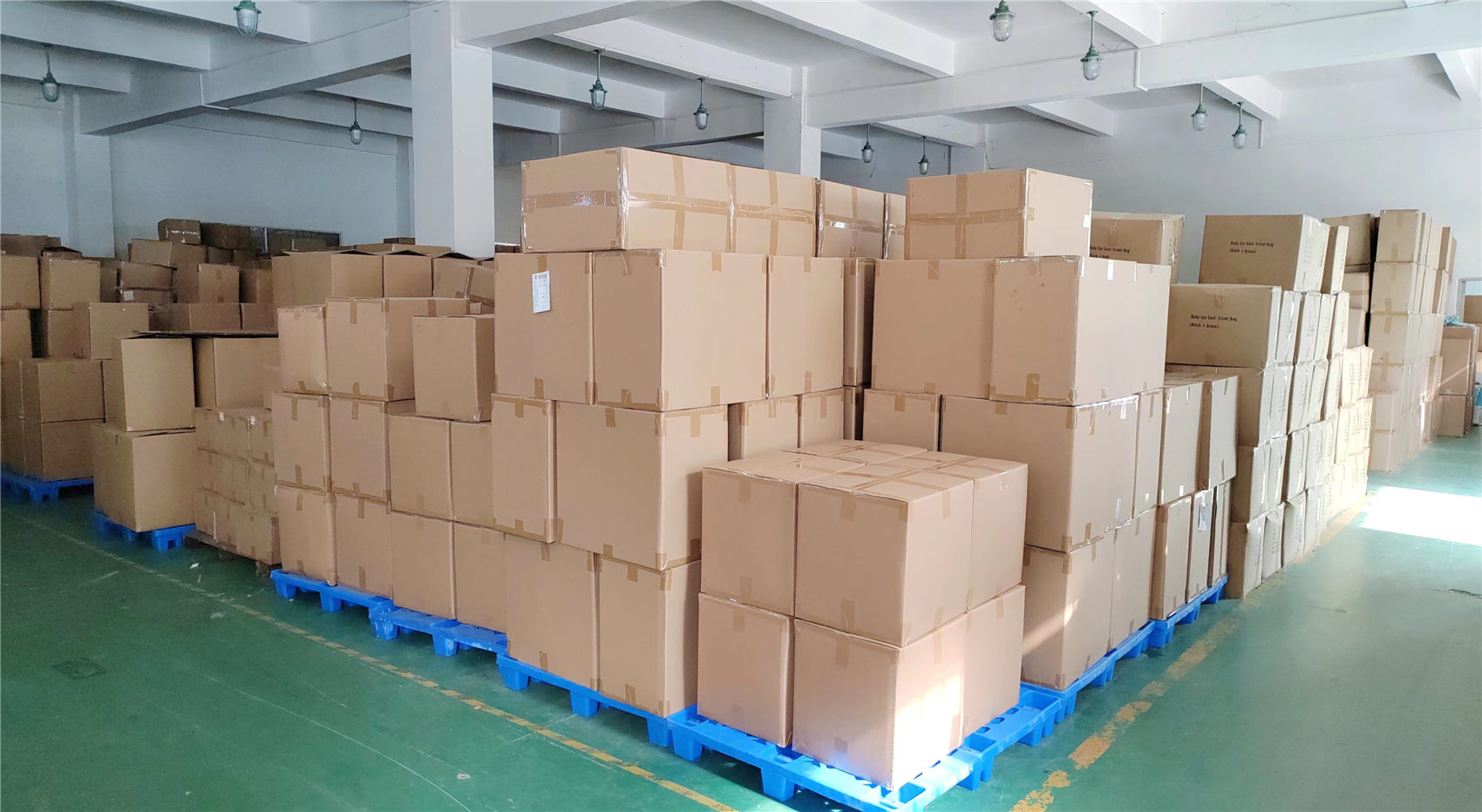 Storage Facility
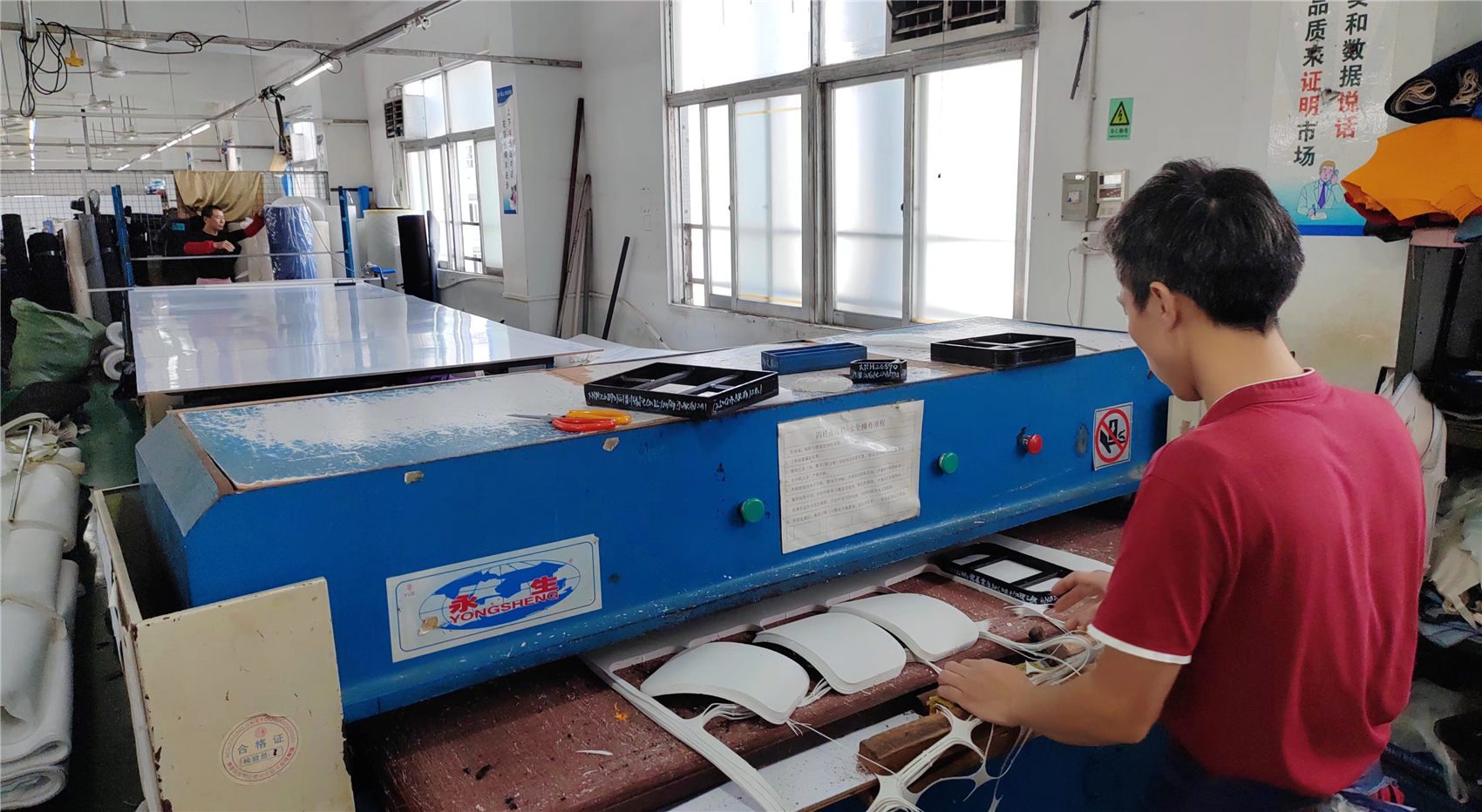 Press Machine
A duffle bag is no longer just a simple utility item; it serves as a specialized travel accessory designed for specific environments. Different target markets require distinct technical specifications:
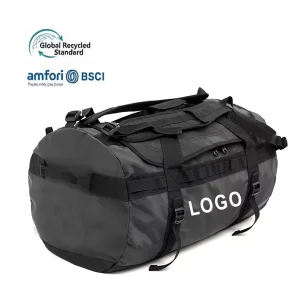
1. The Monsoon-Proof Outdoor Dry Bag: In regions with high rainfall, such as the Indian Western Ghats or Northeast India, as well as global tropical travel destinations, standard canvas duffle bags fail. Outdoor retailers require heavy-duty waterproof duffles made from 500D PVC or TPU coated fabrics with seam-welded (non-stitched) construction to keep gear dry during motorcycling, boating, or hiking.
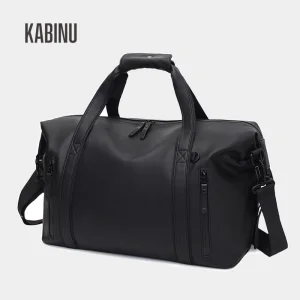
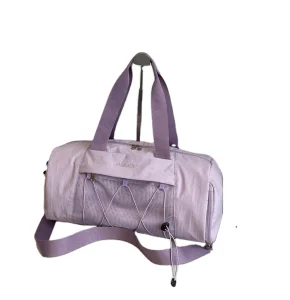
2. The Urban Fitness Weekender: In major metros like Mumbai, Bangalore, and Delhi, the active lifestyle trend has driven demand for hybrid gym duffle bags. These need dedicated shoe compartments to separate footwear from clean office clothes, waterproof linings for damp towels, and lightweight, tear-resistant Oxford fabrics that look professional in corporate offices.
3. Heritage Corporate Gifting: The Indian domestic market has a strong demand for corporate gifting, particularly during festive seasons like Diwali. Premium leather or thick canvas-and-leather hybrid duffle bags are popular gifts for high-level executives. Sourcing managers look for custom logo debossing and vintage hardware to convey brand value.
Sourcing from overseas factories requires careful verification of quality, ethical labor, and chemical compliance. International buyers should evaluate potential bag manufacturers on the following standards:
The global bag market is evolving, driven by changing consumer preferences and technical innovations:
1. Recycled and Eco-Friendly Synthetics: Brands are shifting from virgin polyester and PVC to recycled PET (rPET) fabrics and biodegradable TPU coatings. Factories that offer GRS (Global Recycled Standard) certified materials are increasingly favored by international buyers.
2. Modular and Multi-functional Layouts: Modern travelers prefer versatility. Hybrid duffle-backpacks with tuck-away shoulder straps, integrated laptop sleeves, and expandable compartments are becoming industry standards.
3. Smart Travel Integration: Some duffle bag lines now feature integrated TSA lock docks, external USB charging ports, and dedicated pockets for tracking devices like Apple AirTags.
Contact our sourcing team today for free design consulting, material options, and a detailed bulk manufacturing quote tailored to your budget.
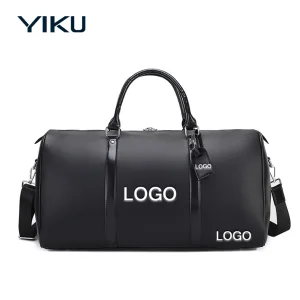
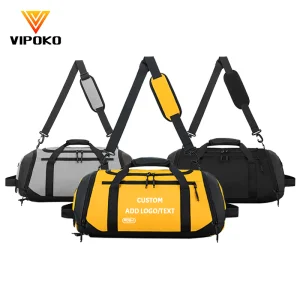
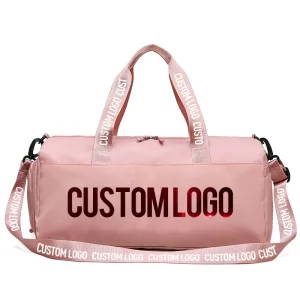
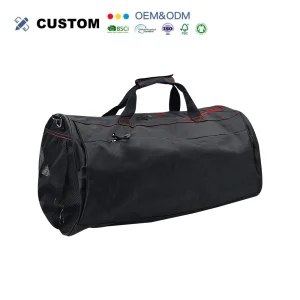
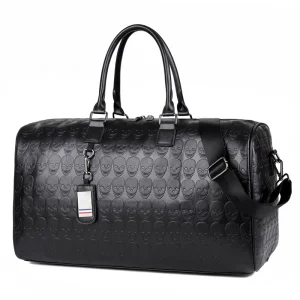
Send Inquiry NowExplore our full range of products, customizable for global distributors, outdoor brands, and corporate gift suppliers.
 Ripped Fashion