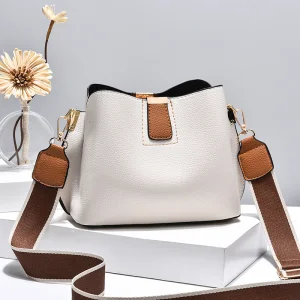
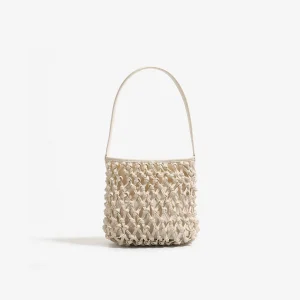
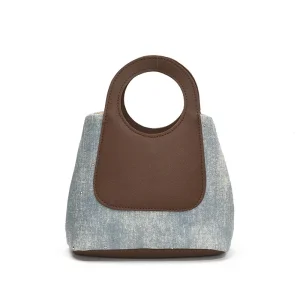
Premium OEM/ODM Manufacturing Partner & Cross-Border Supply Chain Solutions for Elite Global Brands
Send Inquiry NowDirect from our design-collaborated production line, engineered for Tokyo's metropolitan lifestyles.
A B2B Whitepaper analyzing market demands, structural ergonomics, and structural sourcing advantages.
Tokyo stands as a global epicenter of high-end fashion, luxury aesthetics, and practical urban styling. In metropolitan districts such as Ginza, Shibuya, Aoyama, and Omotesando, the bucket bag is not merely a style accessory; it is a fundamental pillar of modern commuter wardrobe engineering. Modern Tokyo consumers demand structured versatility—a bag that transitions seamlessly from dense subway transits to formal corporate boardrooms and weekend social gatherings.
However, Tokyo's local manufacturing base faces significant structural headwinds. High local labor costs, aging artisan populations, and limited access to massive raw material pools restrict local factories to micro-batch runs and astronomical unit pricing. Consequently, prominent Japanese brands and distributors act as the design core, utilizing overseas high-efficiency production hubs to achieve critical scale, rigorous product consistency, and price competitiveness.
Globally, the bucket bag market is experiencing a strong resurgence due to the shift toward flexible workspace arrangements and travel. B2B buyers require bucket bag silhouettes that boast high volume-to-weight ratios, detachable dual-straps, and water-repellent capabilities. Material innovation has also accelerated, with growing calls for REACH, RoHS, and LWG (Leather Working Group) certifications across synthetic, canvas, and natural leather products.
Bridging Tokyo's precise design standards with China's elite manufacturing scale.
Established in 2009, Hebei Ripped Fashion Co., Ltd. is situated in Baigou Town, Baoding City, Hebei Province—affectionately recognized as the "luggage capital of China." Capitalizing on a localized industrial cluster, the company manages an integrated ecosystem covering raw material sourcing, rapid pattern drafting, advanced stitching, and absolute quality inspection (Kenpin-compliant).
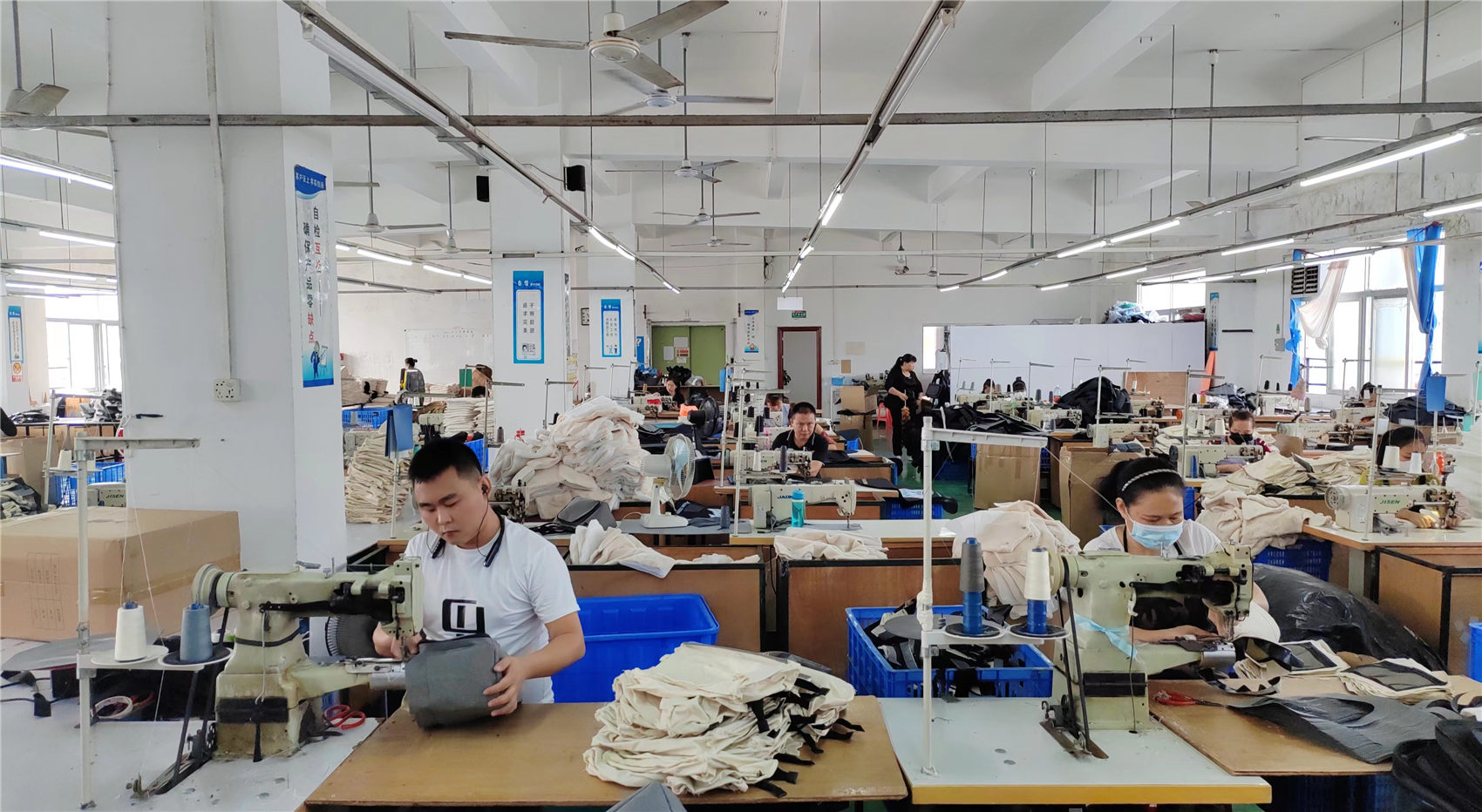
Operating out of a modern 3,000 square meter facility (featuring a 2,000-square-meter dedicated high-efficiency production workshop), the company houses over 300 highly experienced bag-making professionals. Combining over two decades of technical expertise, our team specializes in custom OEM/ODM services for global retailers, e-commerce giants, and prestigious Japanese trading companies.
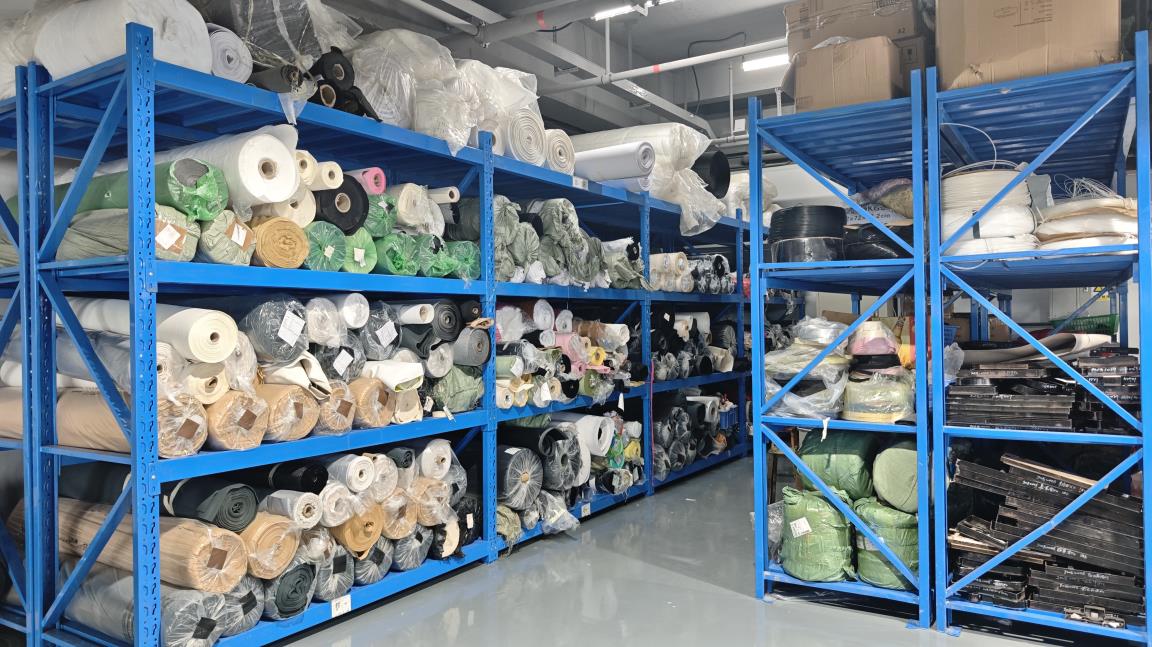
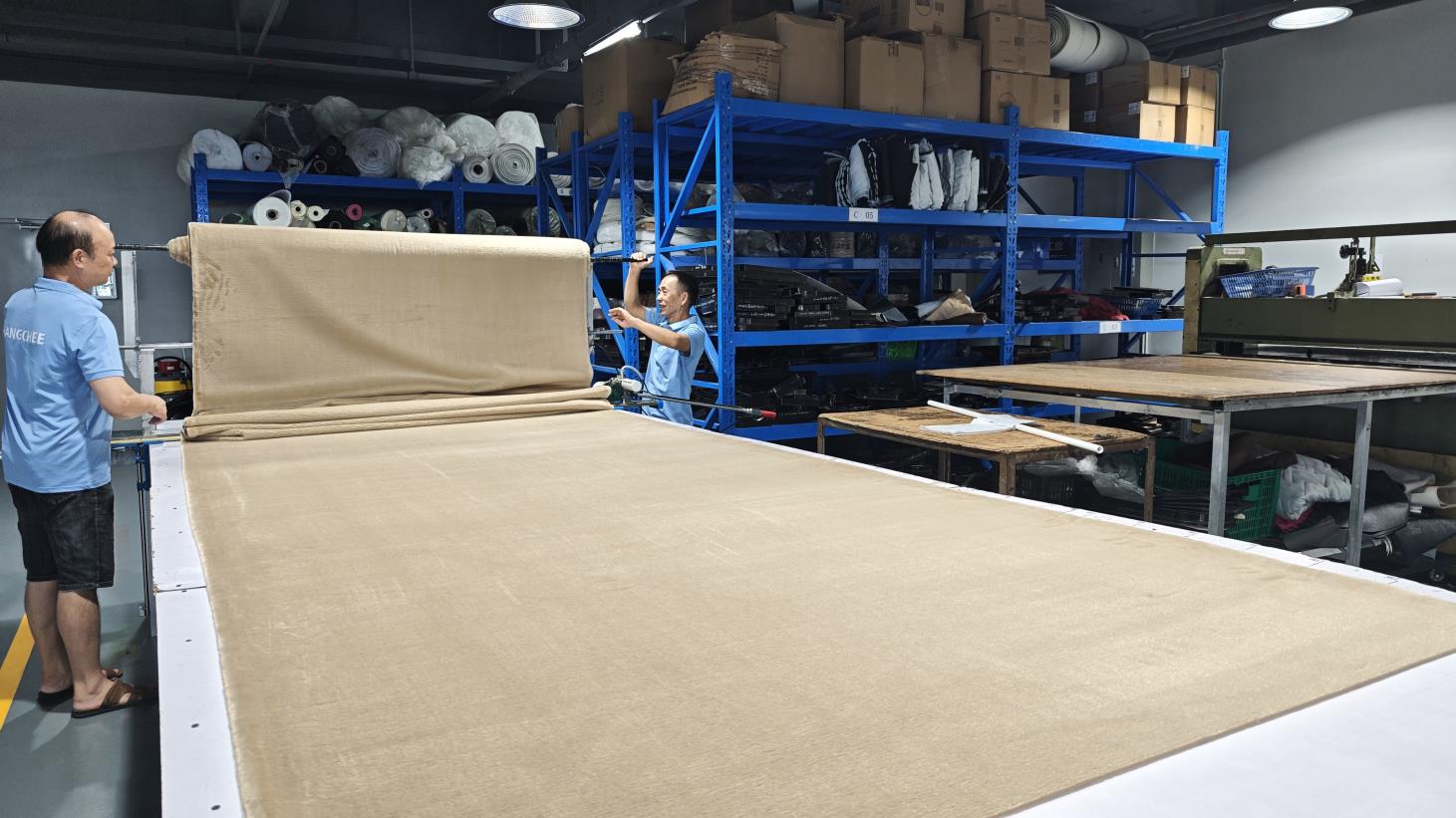
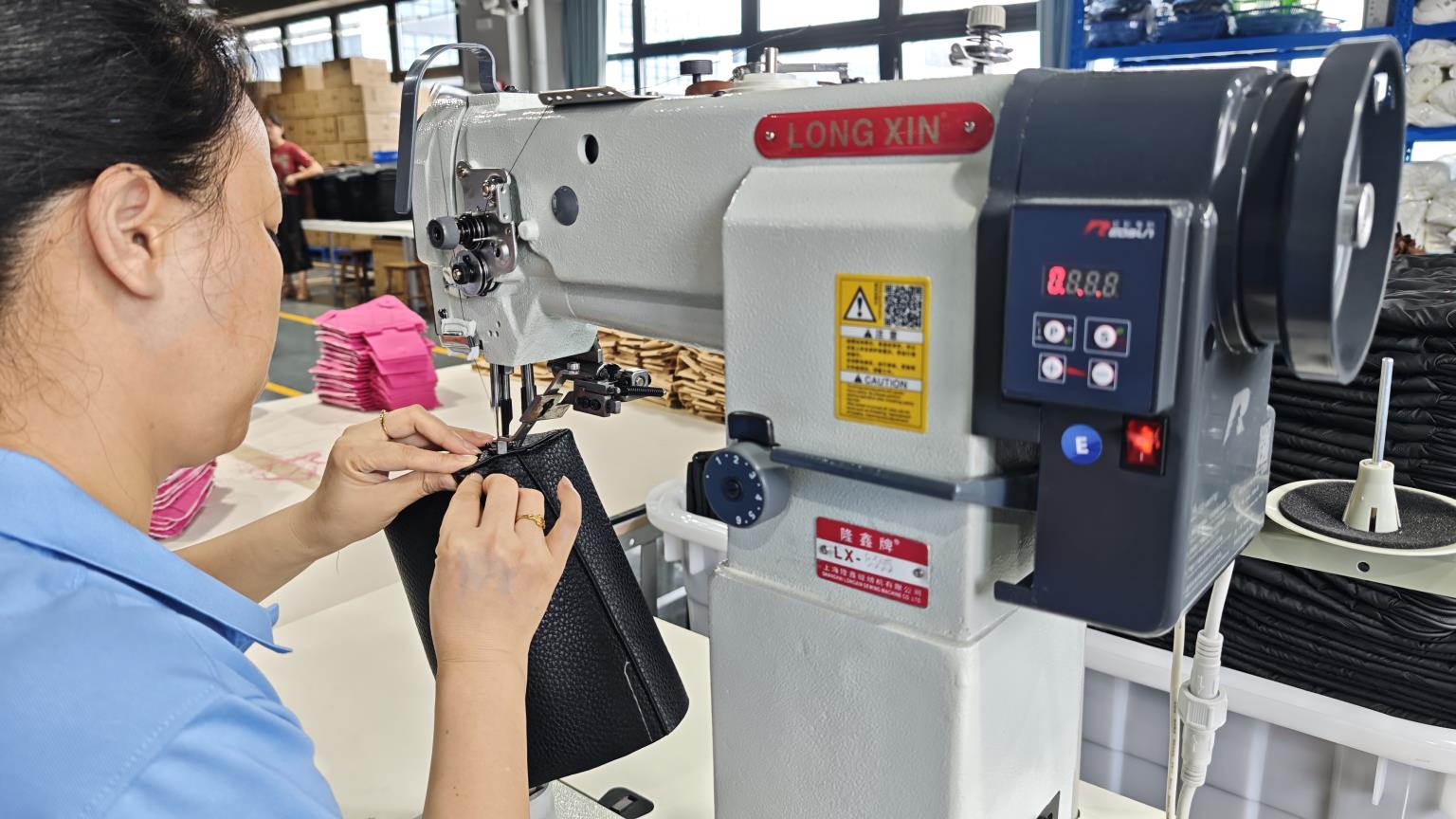
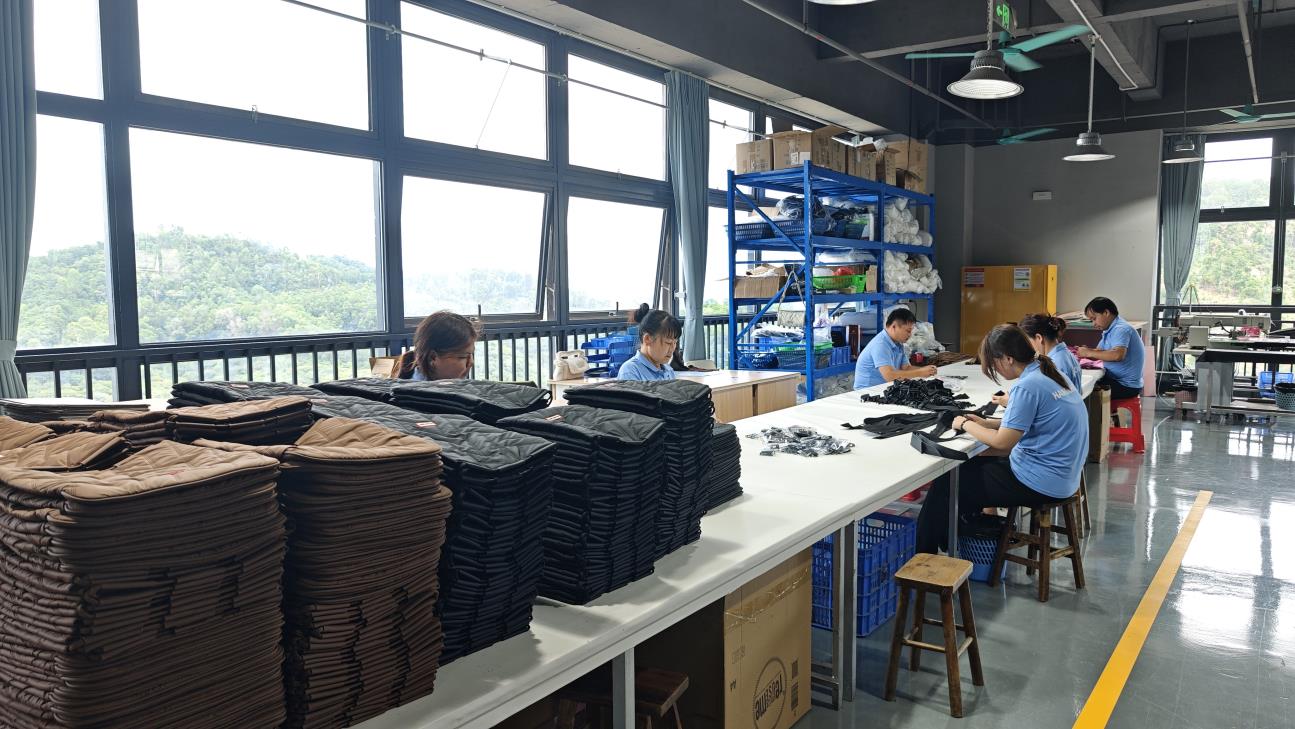
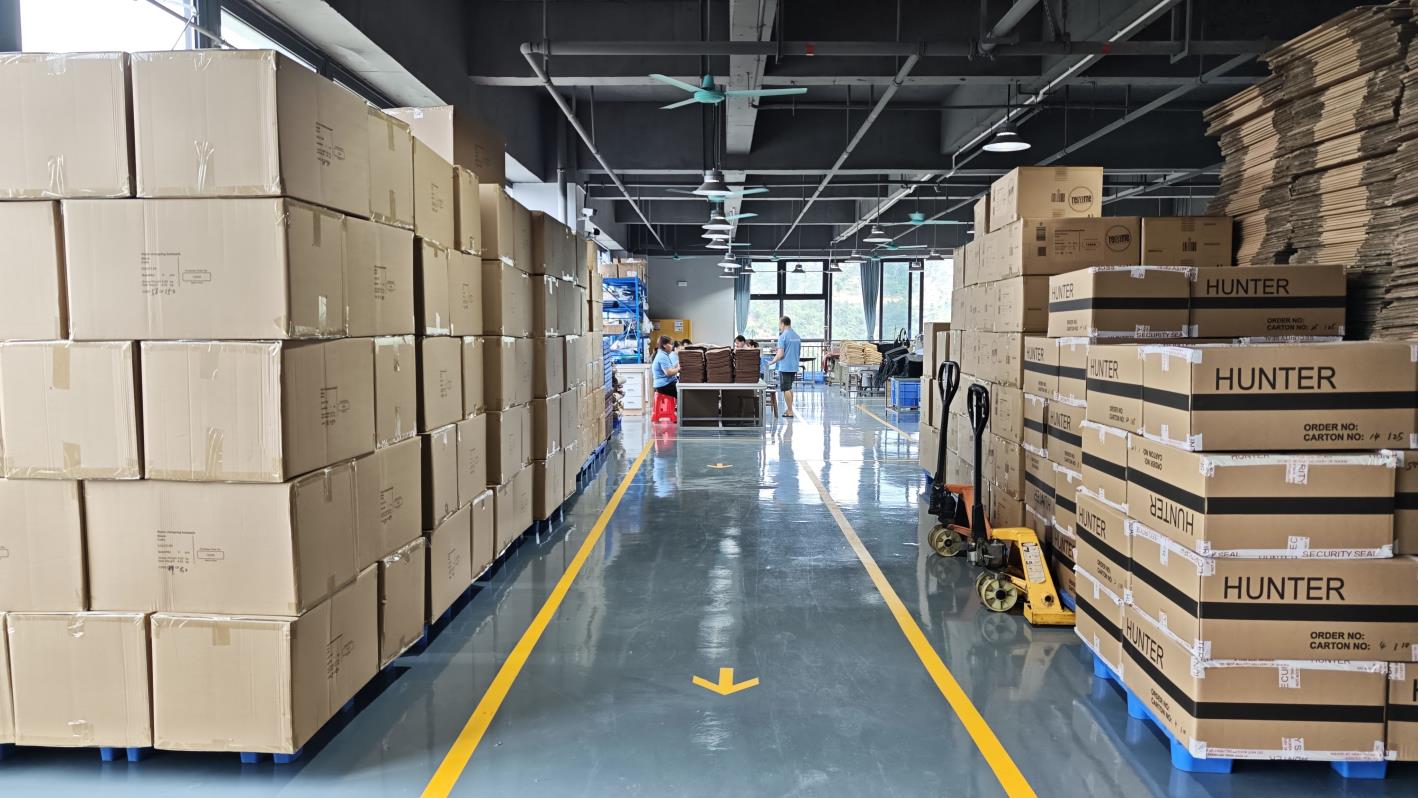
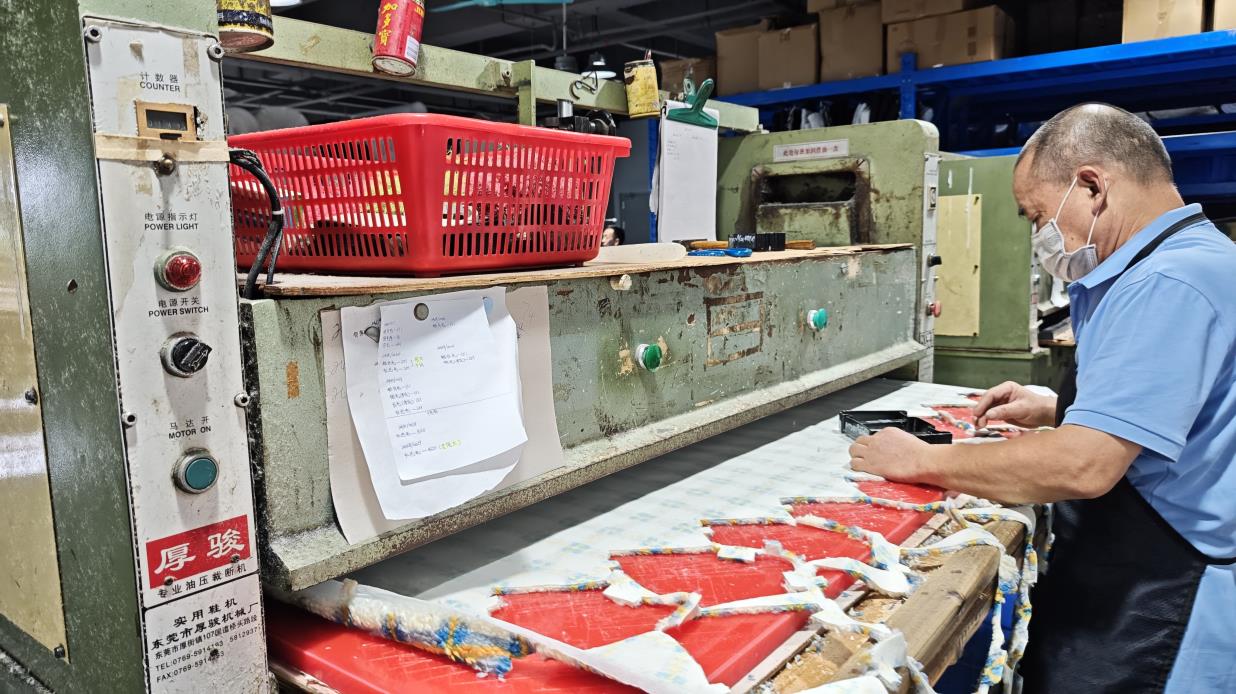
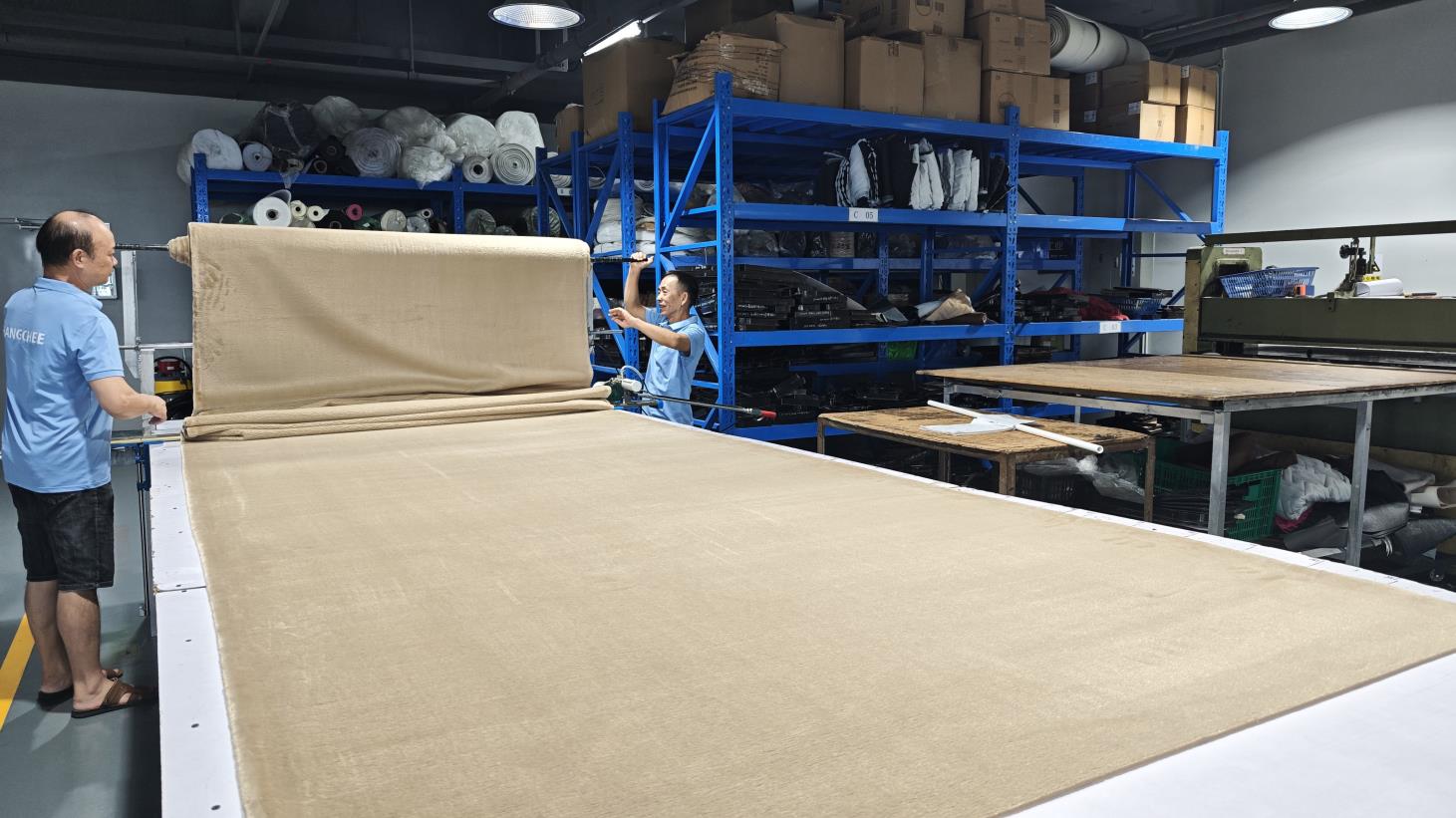
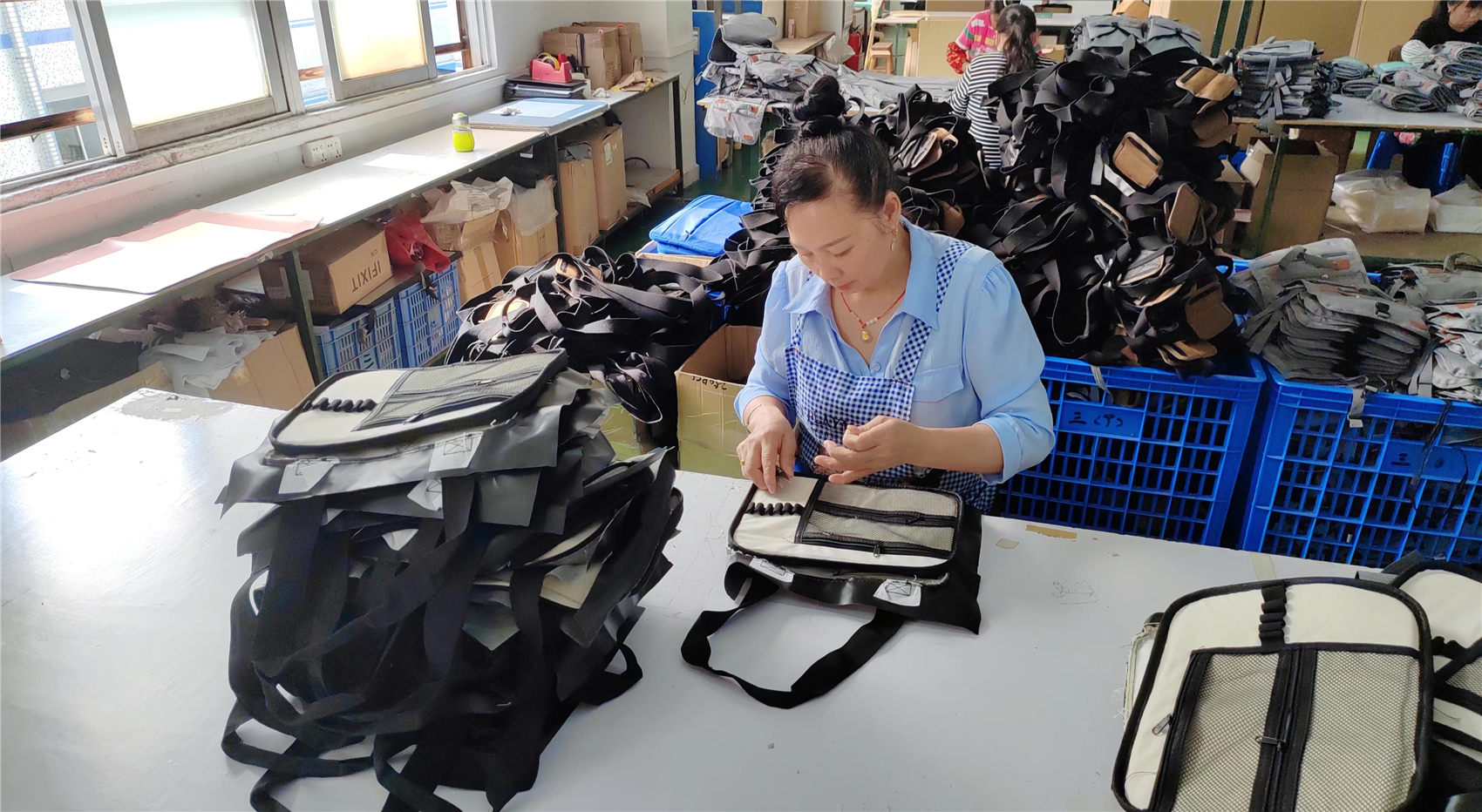
Our factory employs a systematic, 12-stage manufacturing blueprint. Every piece of raw material undergoes moisture-testing and physical pull-testing prior to entering the automated CNC cutting process. Below is a window into our physical production floor:
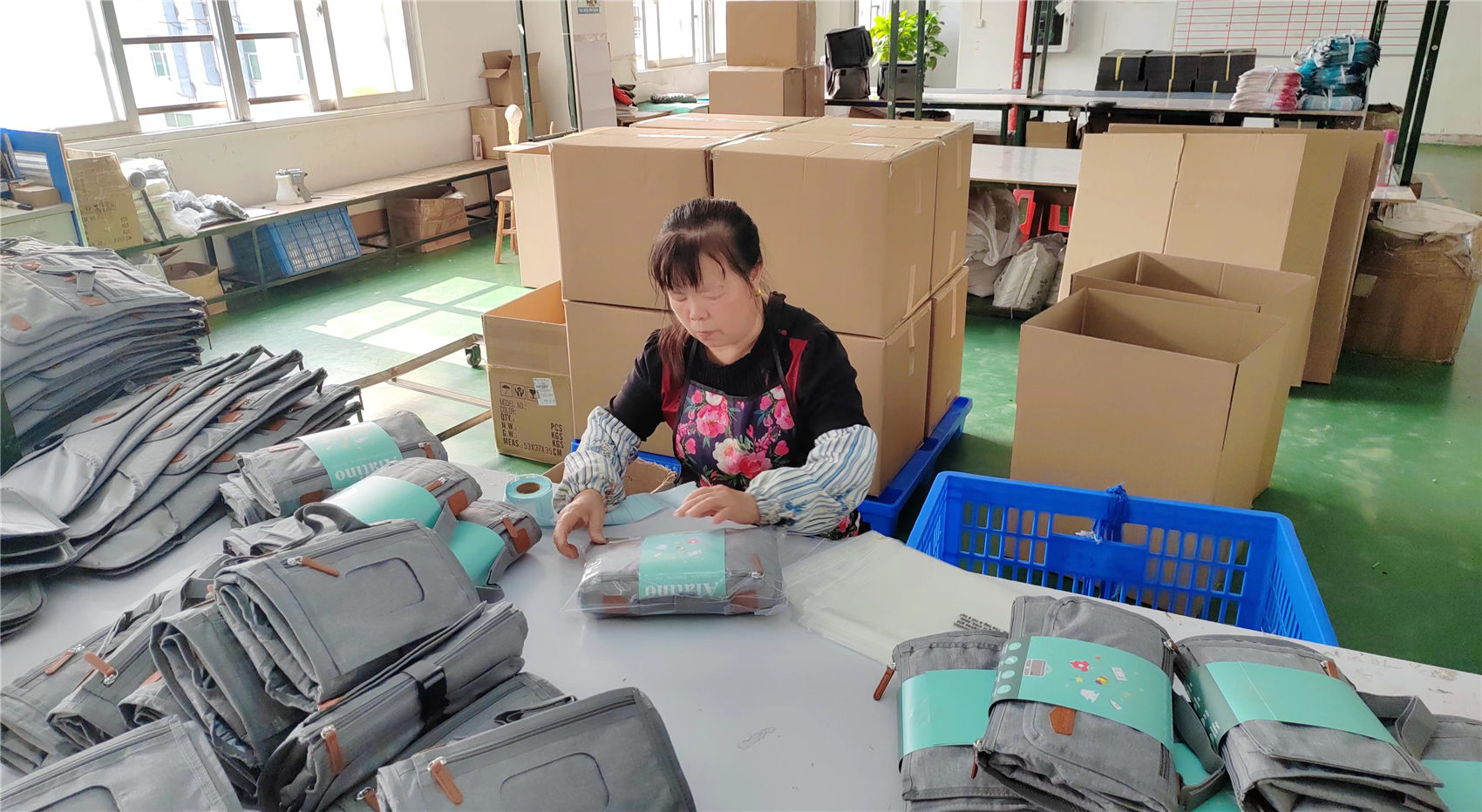
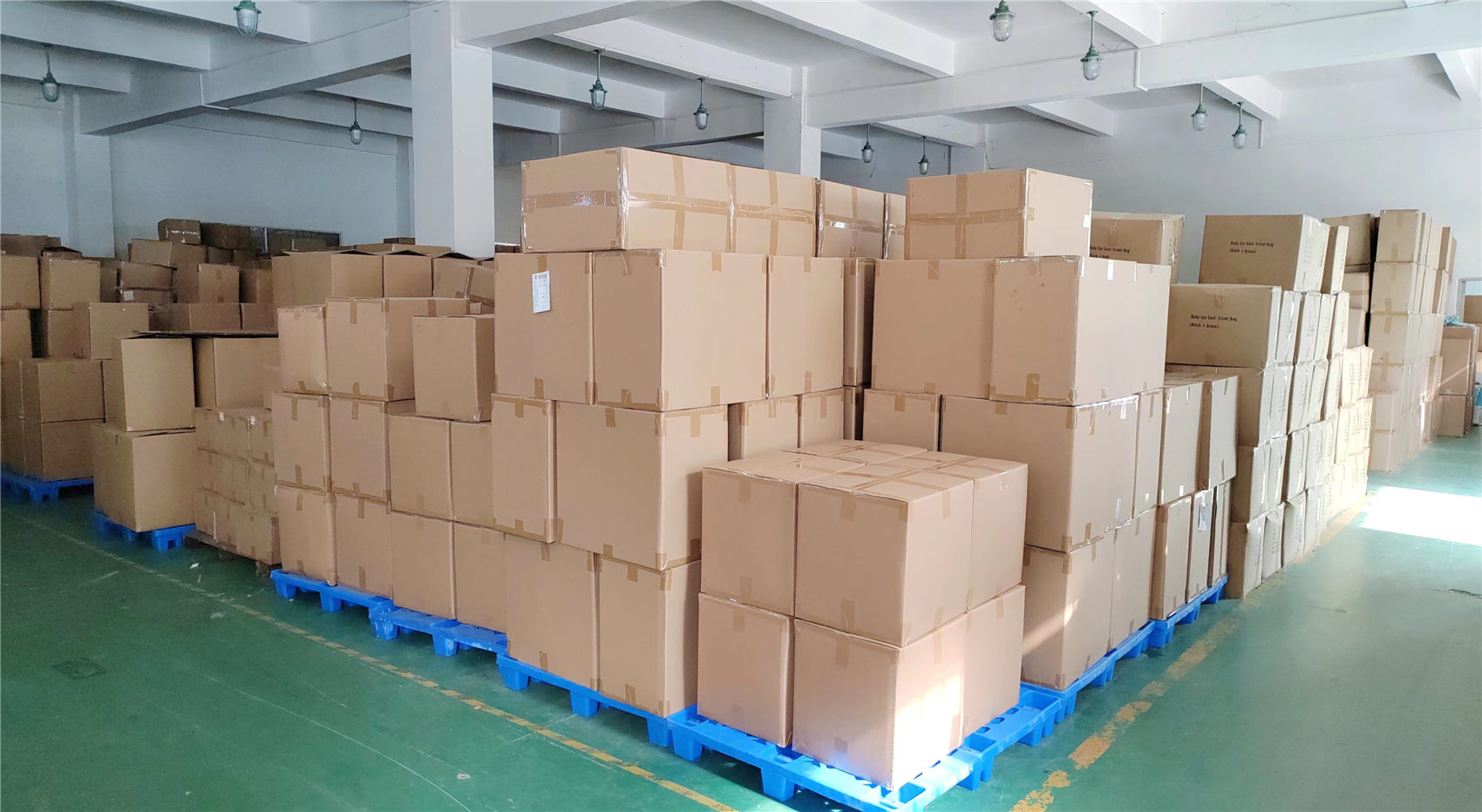
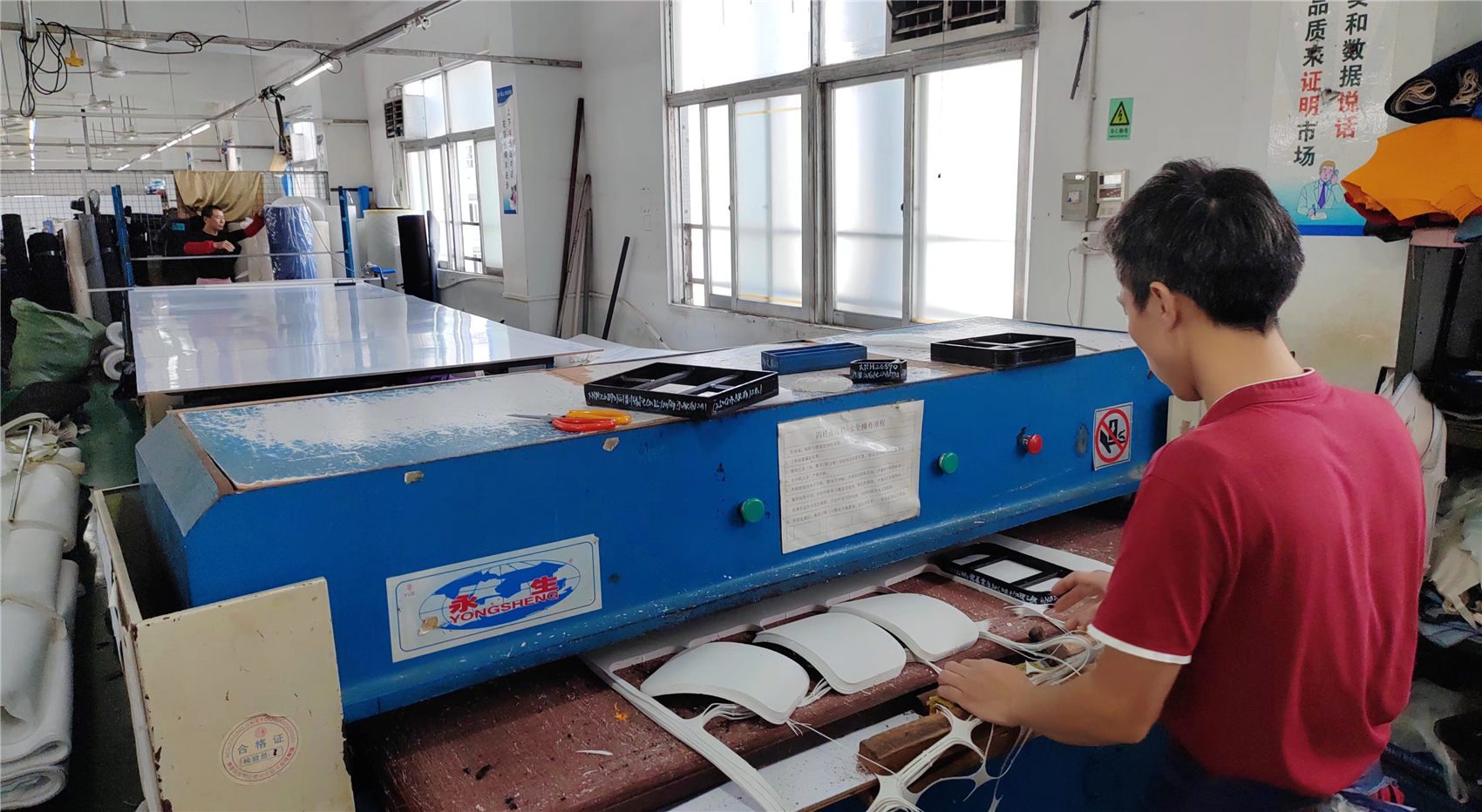
Understanding the rigorous specifications required for Japanese customs clearance and high-end department store shelf-space.
Japanese retail buyers have zero tolerance for minor manufacturing defects. Our factory is structurally aligned with the "Kenpin" framework—a Japanese standard of inspection. This process involves:
In alignment with the Tokyo Metropolitan Government's green initiatives, we have expanded our OEM sourcing capabilities. We offer GOTS-certified organic cotton canvas, water-based solvent-free PU, and LWG-certified vegetable tanned cowhide, ensuring your brand achieves modern ESG standards.
Expert answers addressing the core concerns of B2B procurement managers and supply chain directors.
Yes. We routinely manufacture bucket bags that meet Japanese chemical, physical, and safety standards. All materials—ranging from PU to metal hardware—can be sourced to pass REACH, RoHS, and California Prop 65 requirements. Additionally, we conduct thorough metal detection scans on all packaging before exporting.
Prototyping and sample development take 5 to 7 days. Bulk production takes 25 to 35 days from deposit confirmation and sample approval, depending on the material sourcing complexity. Urgent orders can be accommodated through our expedited line.
By operating out of Baigou Town (Hebei), we benefit from a comprehensive, local raw material supply chain. This lowers procurement costs for zippers, linings, hardware, and fabrics. Paired with our high-capacity production workshops and skilled labor, we pass significant cost savings to our clients without compromising on style or durability.
We offer FOB Tianjin/Qingdao, CIF Tokyo/Yokohama, and DDP (Delivered Duty Paid) shipping configurations. Working alongside reliable shipping lines, we ensure swift, hassle-free customs clearance and deliver goods directly to your warehouse.
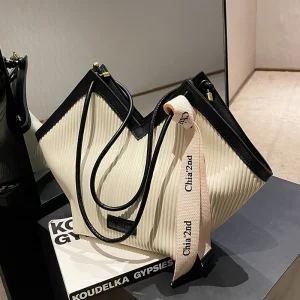
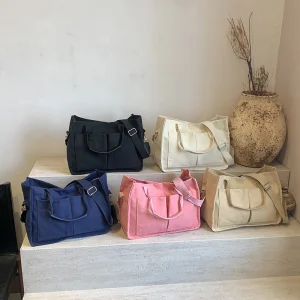
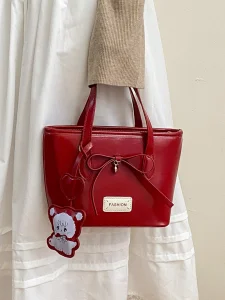
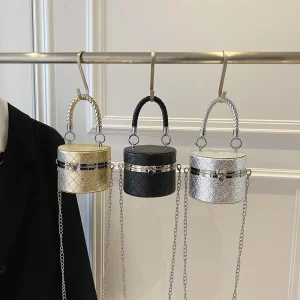
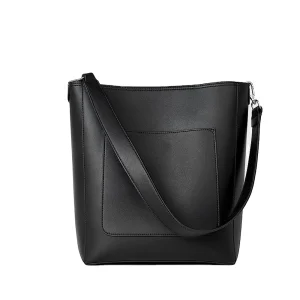
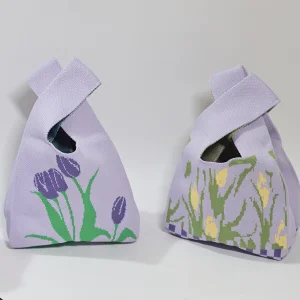
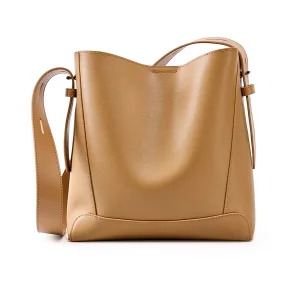
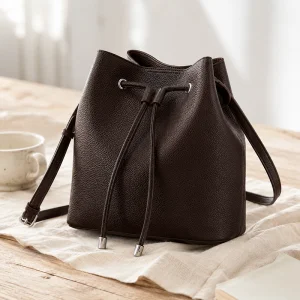
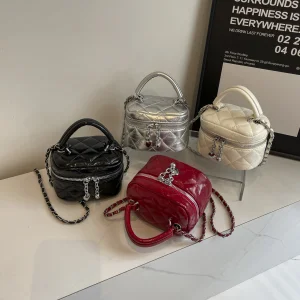
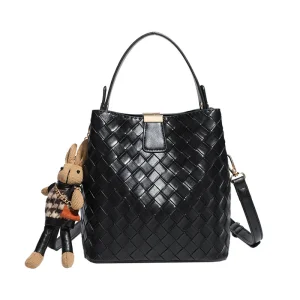
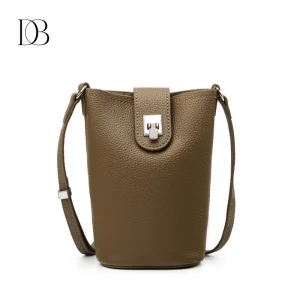
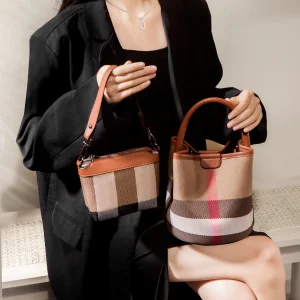
Explore our extensive, high-durability range of custom bucket bags designed for global distribution networks.
 Ripped Fashion