Explore our hot-selling commercial and fashion backpack selections, tailored for global retailers, e-commerce giants, and retail brands.
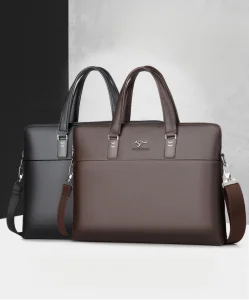
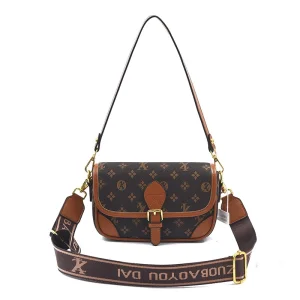
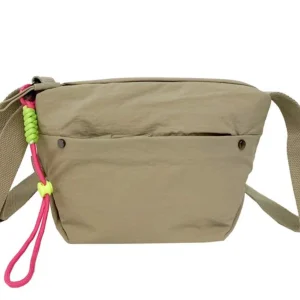
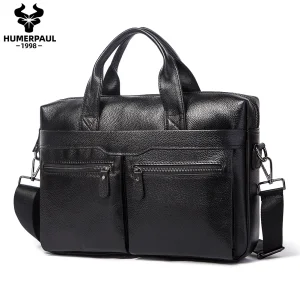

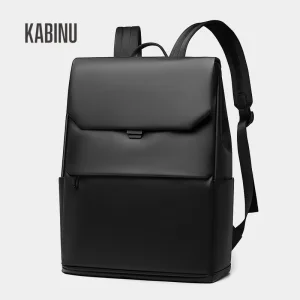
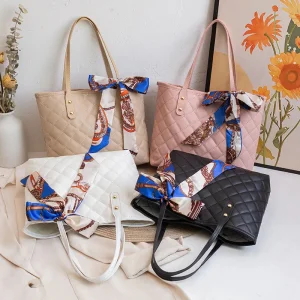
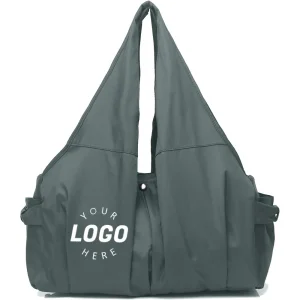
Understanding the structural shifts in consumer preferences and supply chain optimizations driving the hybrid carry goods industry.
In the contemporary consumer goods sector, the convergence of utilitarian design and corporate fashion has catalyzed the rapid growth of the hybrid bag category. Foremost among these items is the tote backpack—a dual-function design configured to serve as a high-capacity hand-tote while retaining the ergonomic shoulder strap dynamics of a backpack. The global market value for lifestyle and business luggage has seen an impressive compound annual growth rate (CAGR), fueled by the rise of flexible workspaces, urban commuting, and multi-modal transit systems.
As professionals navigate transitions between home, office, and travel environments, the demand for versatile carry solutions has skyrocketed. This integration is no longer a niche trend; it represents a fundamental shift in user intent. Modern consumers look for accessories that maintain professional credibility in corporate boardrooms while providing comfort during long walks. Consequently, global buyers are seeking experienced manufacturing partners capable of balancing raw-material strength, functional aesthetics, and reliable production processes.
Hebei Ripped Fashion Co., Ltd. was established in 2009 and is strategically located in Baigou Town, Baoding City, Hebei Province—widely known as the "luggage capital of China." Leveraging its strong local supply chain advantages and mature manufacturing ecosystem, the company has developed into a professional manufacturer specializing in fashion bags and accessories.
Guided by the principles of high-quality products, excellent service, and competitive pricing, Hebei Ripped Fashion Co., Ltd. has built long-term and stable partnerships with overseas retailers, chain stores, and well-known trading companies globally. Our products are widely distributed across international markets and are well received by customers for their reliability, durability, and style.
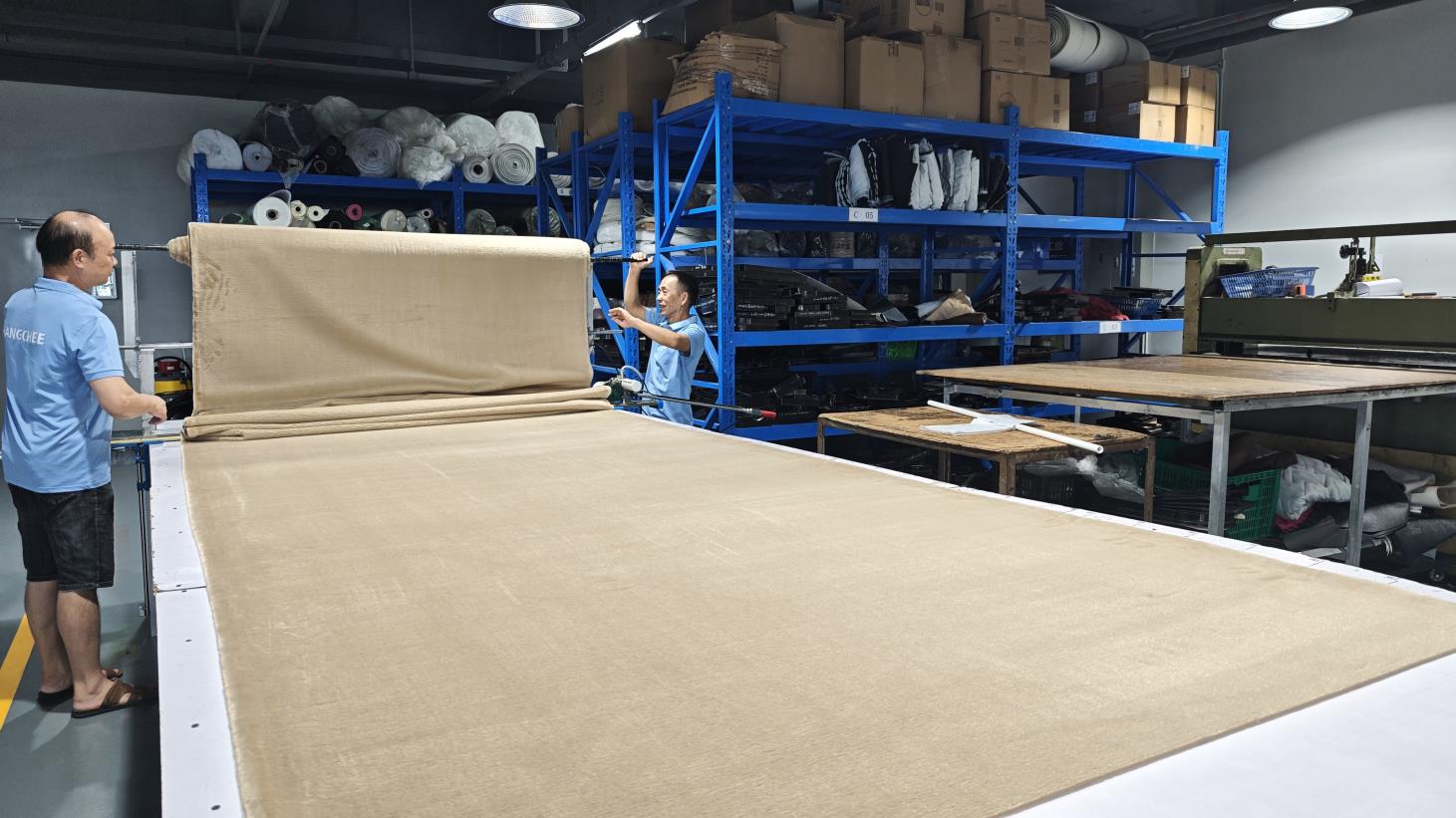
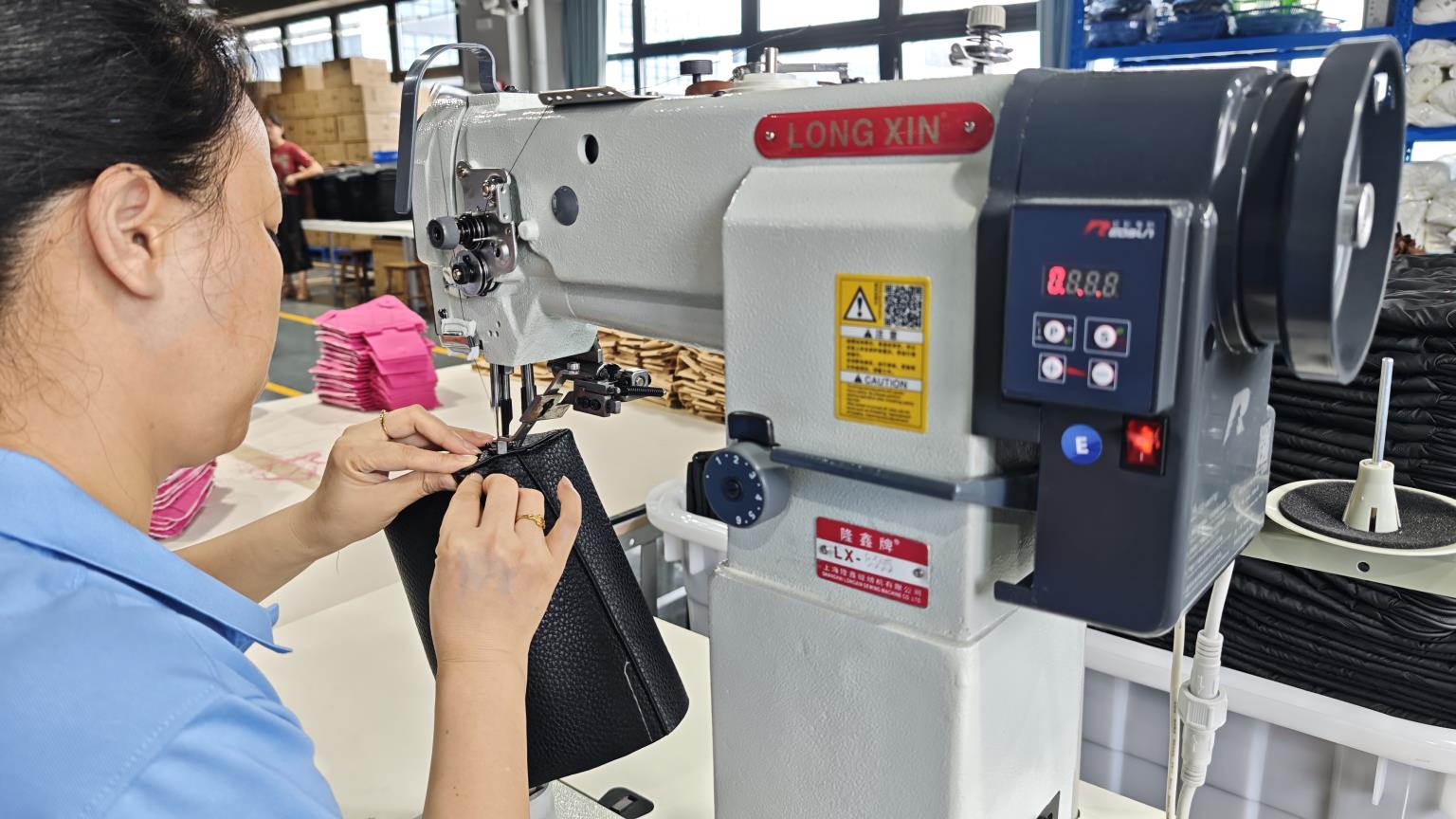
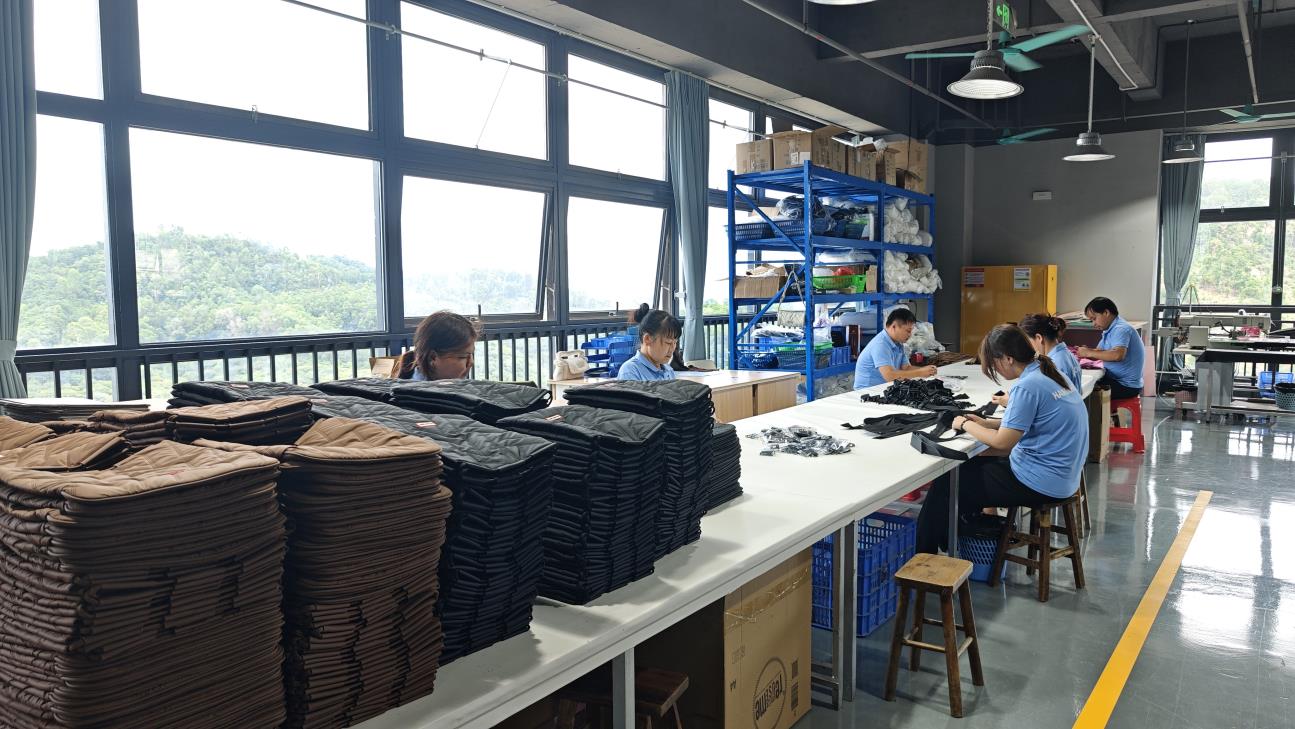
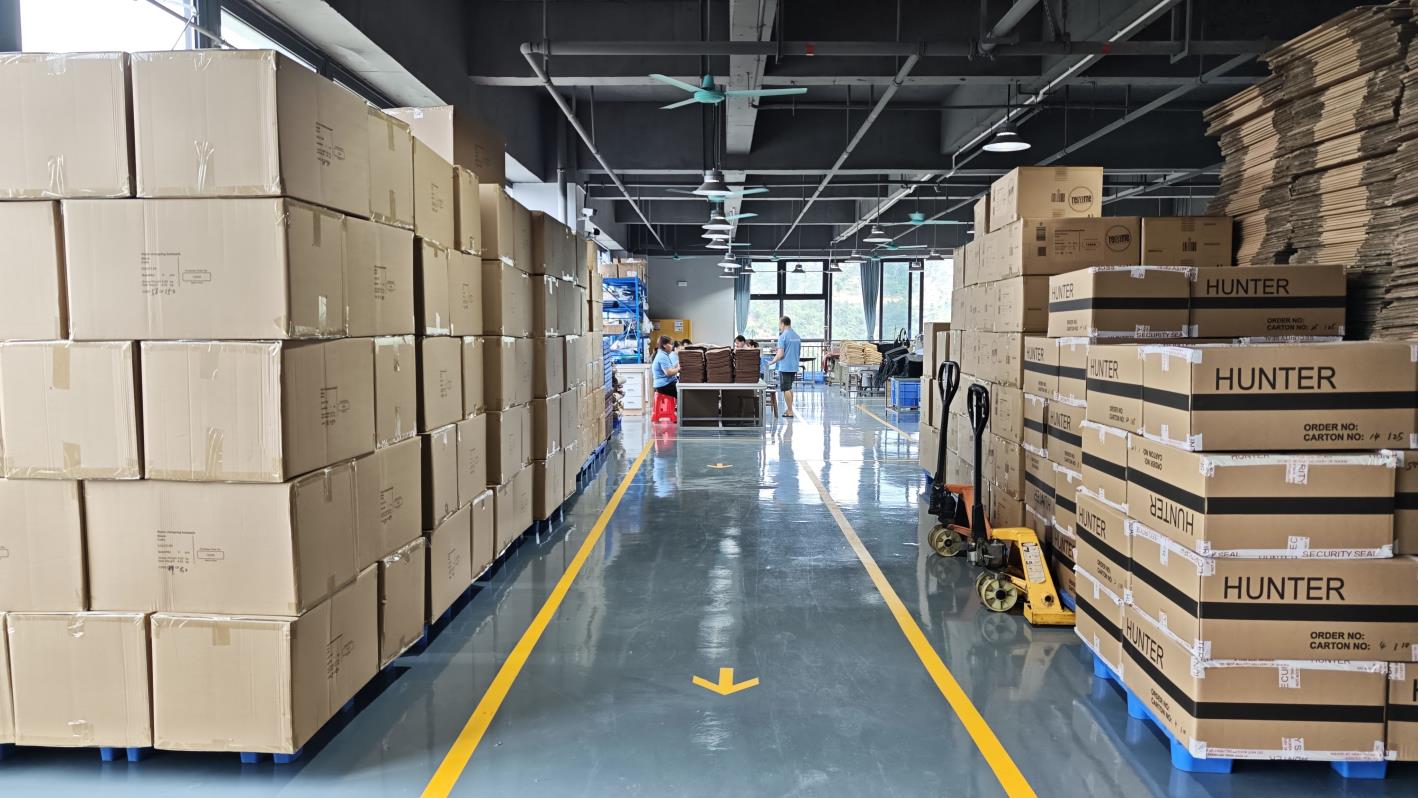
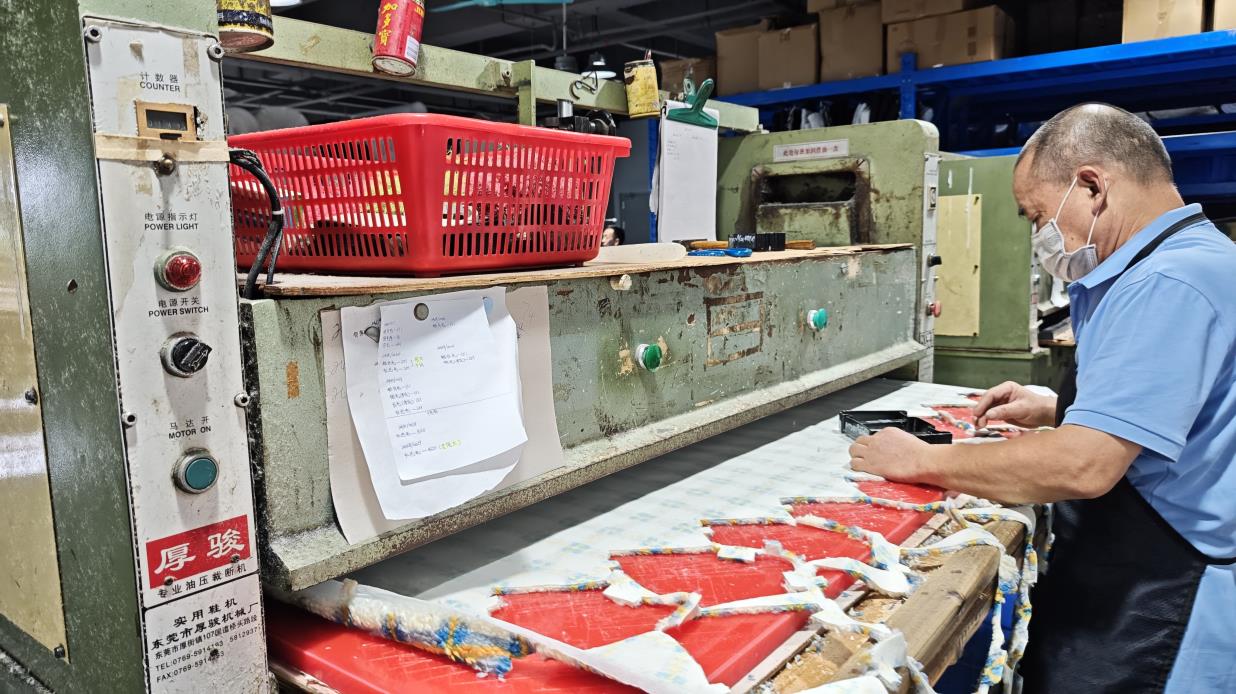
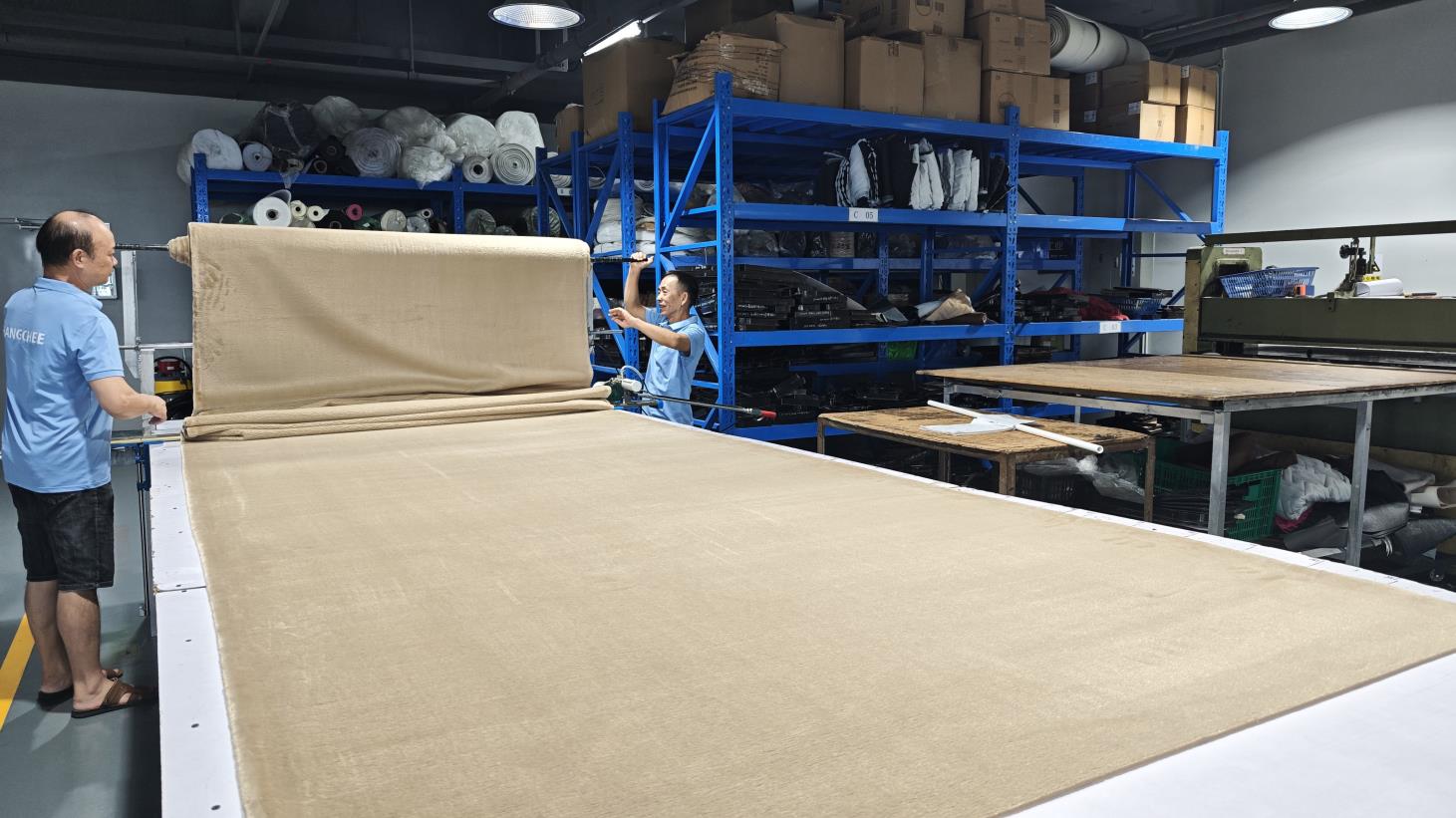
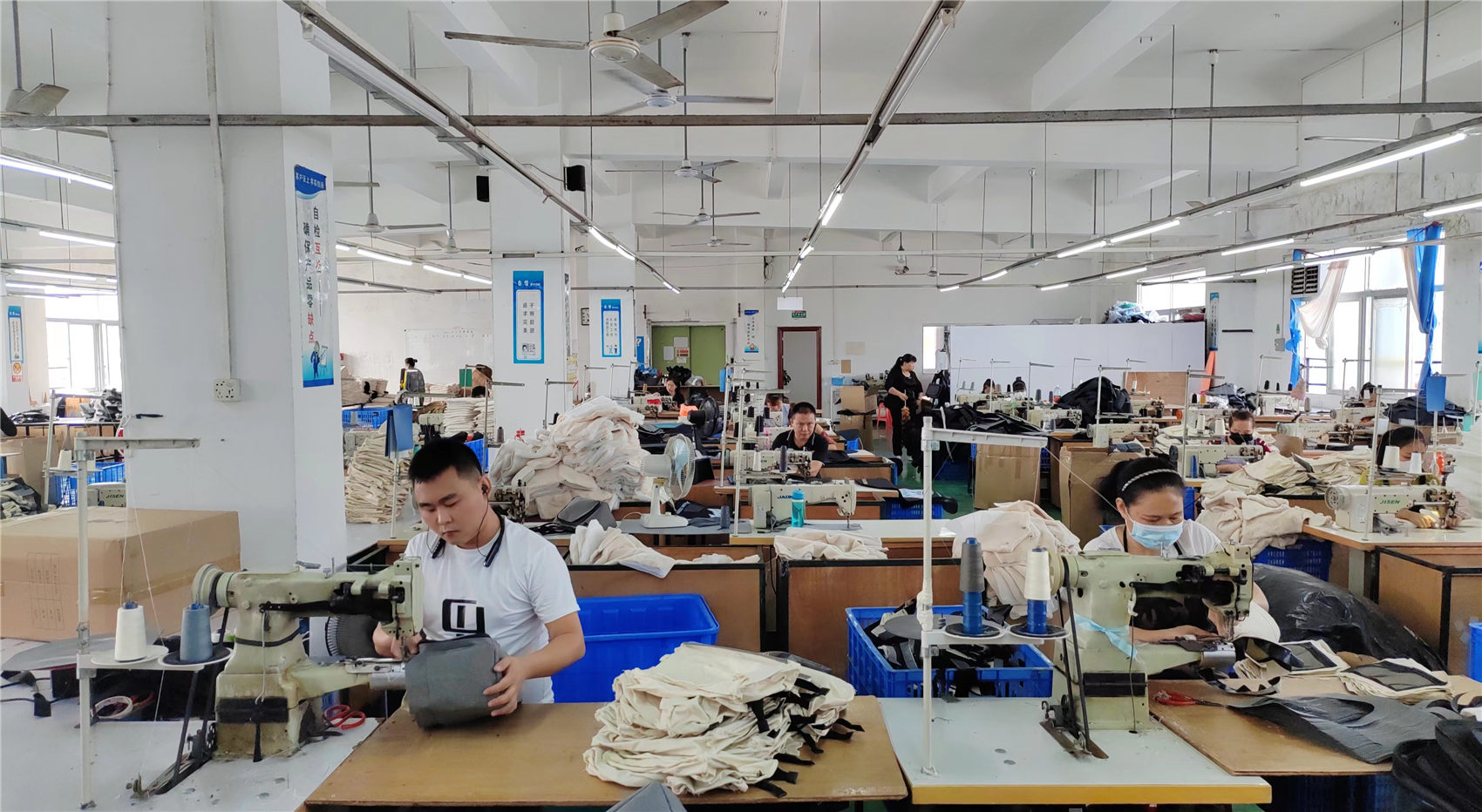
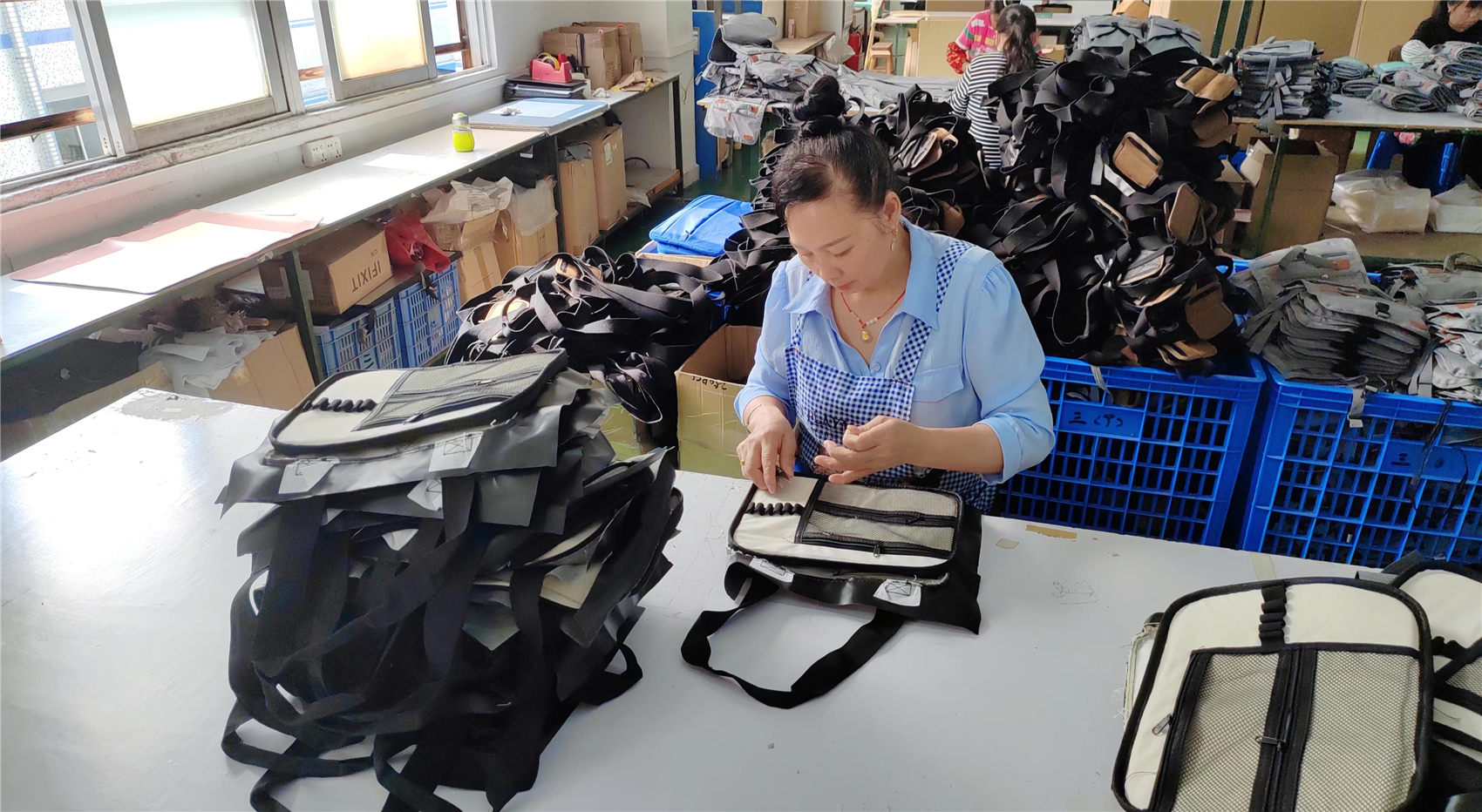
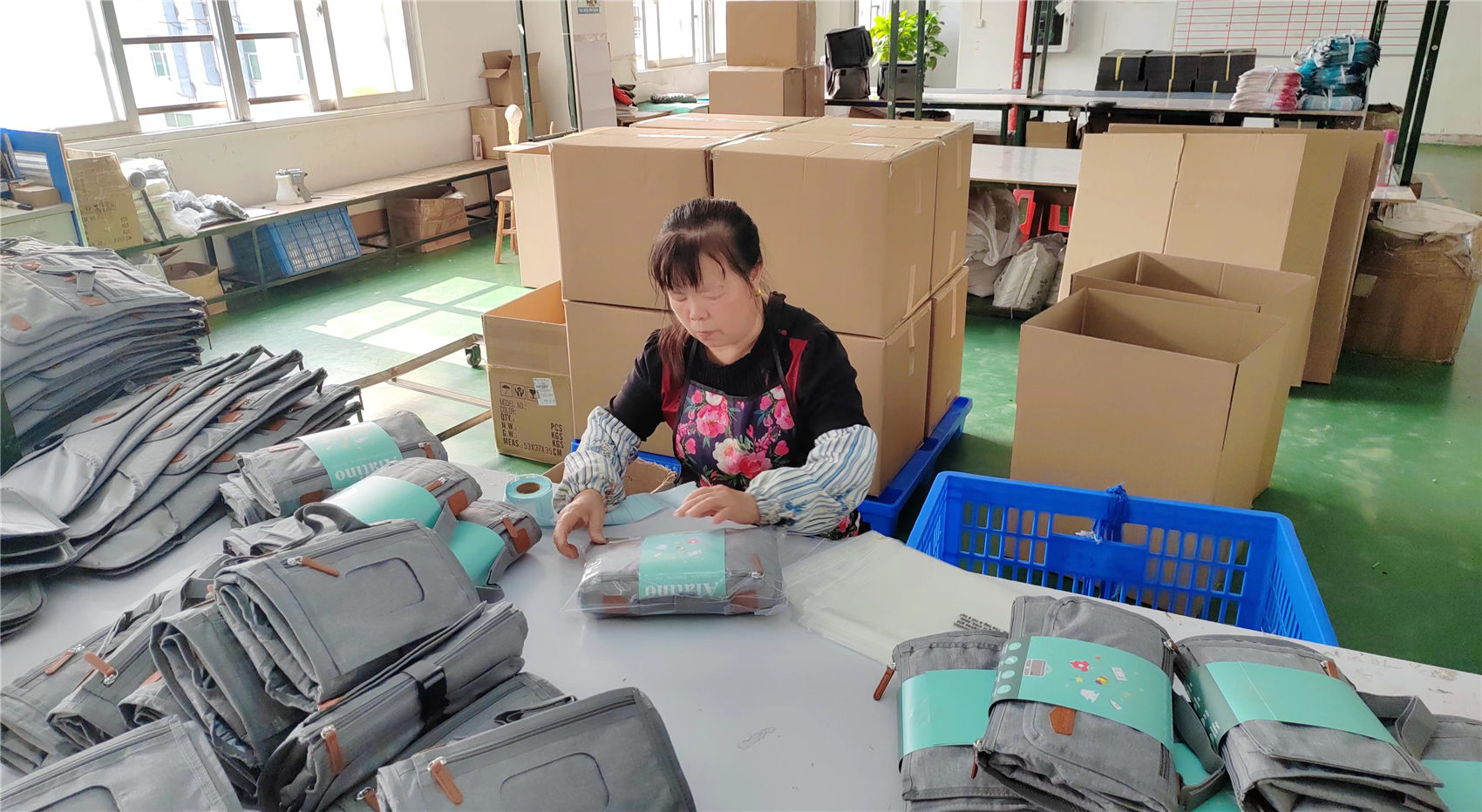
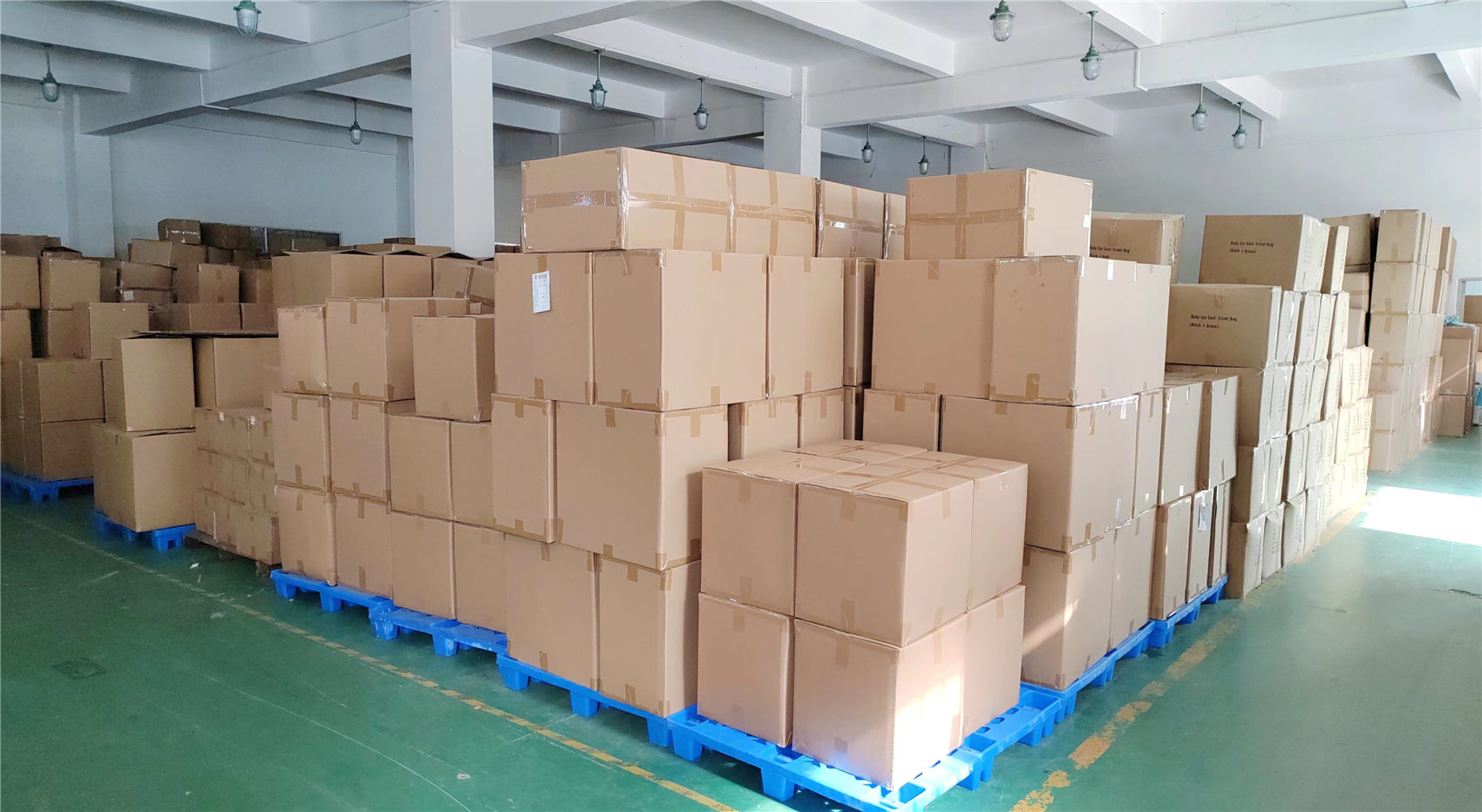
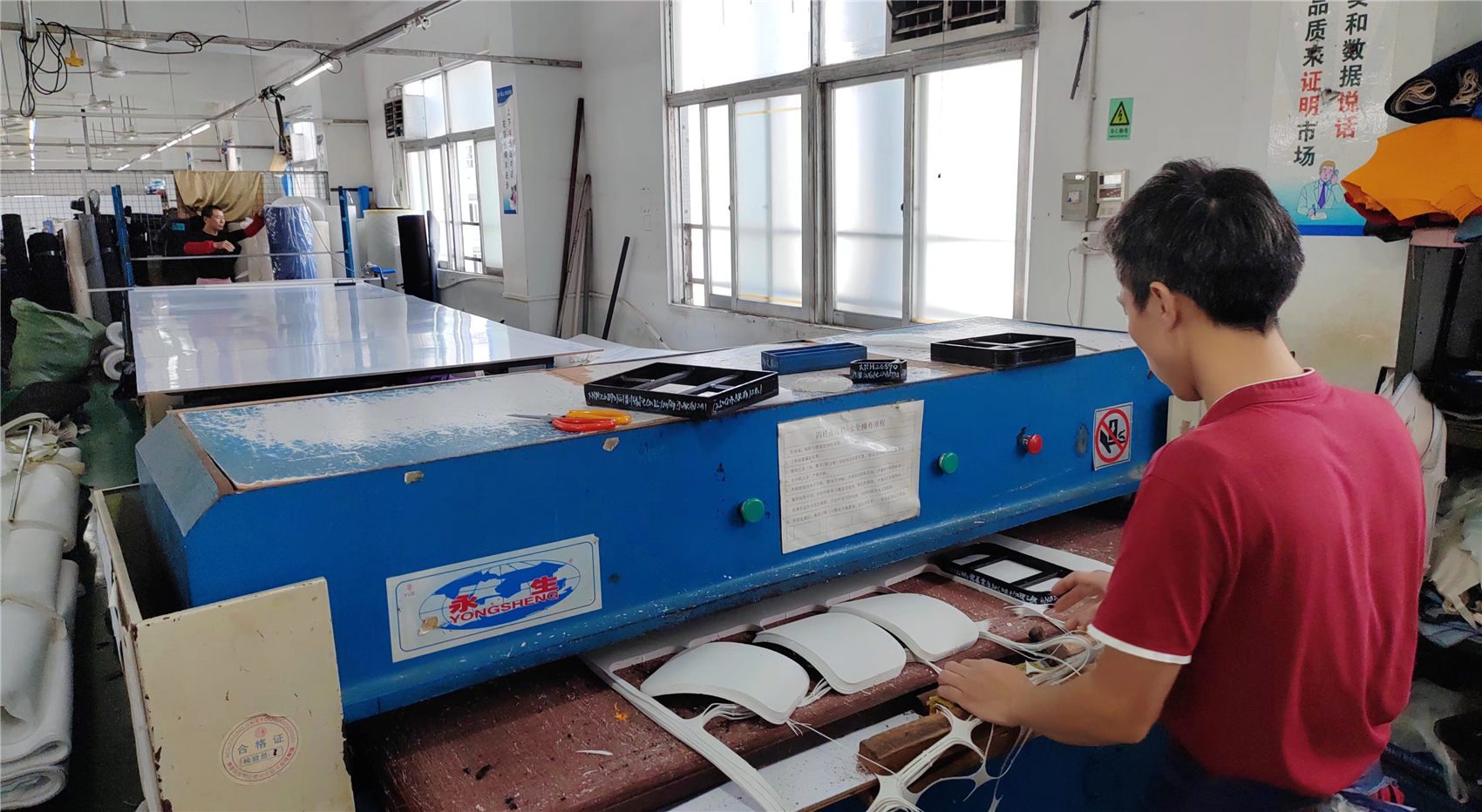
Our expansive industrial facility occupies a total area of approximately 3,000 square meters, including a state-of-the-art 2,000-square-meter production workshop. Powered by a workforce of more than 300 experienced seamstresses, assembly experts, and quality control technicians, the company maintains robust production capacity and meticulous quality oversight throughout the manufacturing lifecycle.
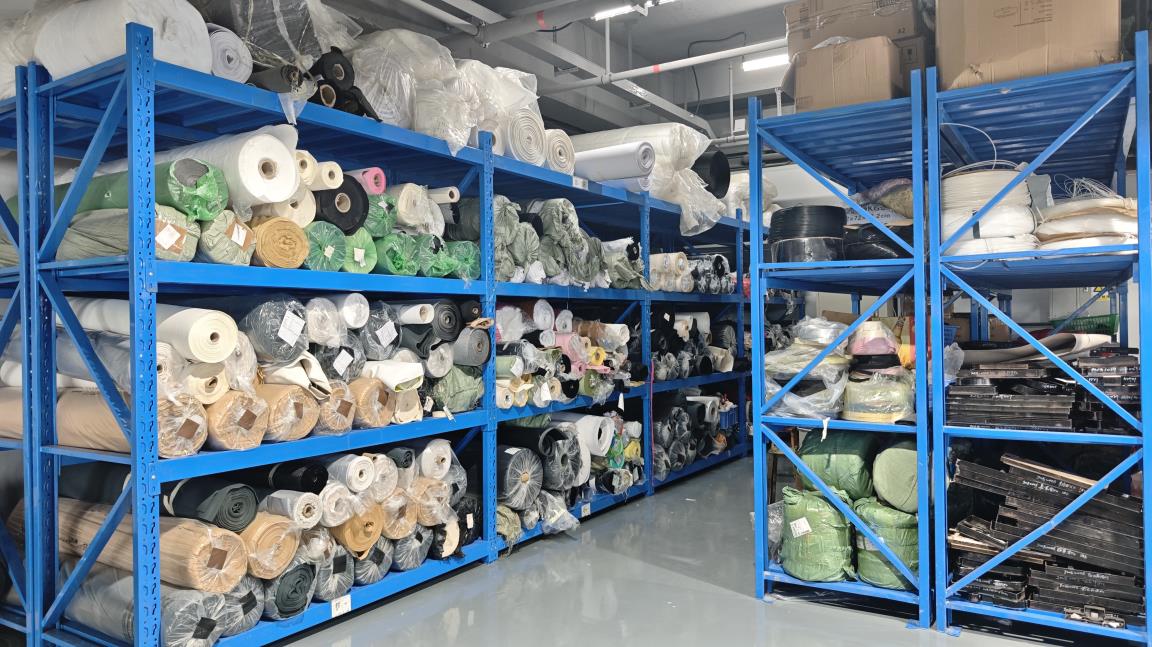
An inside look at our standardized production processes, showing the transition from premium raw materials to retail-ready travel gear.
Analyzing materials, design evolution, and sustainability benchmarks within the global backpack sector.
In accordance with global shifts toward environmental responsibility, leading bag manufacturers are transitioning from virgin synthetic polymers to recycled alternatives. This shift is primarily led by Recycled Polyethylene Terephthalate (RPET), ocean-bound plastics, and organic cotton canvas. These eco-friendly materials are paired with water-resistant coatings like TPU (Thermoplastic Polyurethane) and solvent-free PU, which present a lower environmental footprint than traditional PVC finishes. B2B buyers now look for certifications such as the Global Recycled Standard (GRS) and OEKO-TEX to satisfy regional regulatory rules and consumer expectations in markets like Western Europe and North America.
A major design challenge for tote backpacks is creating straps that convert easily without sacrificing comfort. A high-quality supplier solves this with stowaway harness paths, load-lifters, and ergonomic contoured shoulder straps. Additionally, introducing lightweight composite back panels helps distribute weight evenly during dual-shoulder carrying, while maintaining clean lines and flat profiles when used as a hand-tote. These design features are critical for professionals who rely on these bags for long commutes.
As remote work and digital nomad lifestyles increase, protecting expensive tech is a priority. Modern tote backpacks must feature specialized compartments, including anti-shock laptop sleeves (often lined with soft fleece and suspended above the bag's base to absorb drop impacts), secure tablet pockets, and dedicated cable organizers. Features like waterproof zippers, hidden anti-theft back pockets, and RFID-blocking card slots are now standard requirements for corporate procurement bids.
How regional lifestyles and commuter patterns dictate tote backpack configurations across major global markets.
In high-density cities where walking, subway rides, and cycling are common, commuters require lightweight, weather-resistant, and compact bags. In these markets, tote backpacks constructed from high-density nylon (such as 840D or 1000D Cordura equivalents) with a minimalist aesthetic are highly popular. The ability to tuck away backpack straps quickly keeps bags clean on crowded subways and looking sharp for client meetings.
Digital nomads value hydration integration, external modular attachment points (like daisy chains), and reliable weather protection. For these users, bags with large main compartments, water bottle pockets, and roll-top designs are ideal. These users prefer highly durable, adventure-ready fabrics like washed canvas, heavy-duty waxed cotton, or TPU-laminated ripstop nylon.
Students and faculty need spacious bags capable of carrying heavy textbooks, water bottles, lunches, and laptops. Durability and ease of access are key. Canvas tote backpacks with reinforced double stitching, metal bucket accents, and quick-access front pockets fit the classic collegiate look while offering modern comfort and durability.
European corporate markets place a high priority on sustainability. Companies buying promotional gear or equipping employees prefer bags made from GRS-certified recycled materials, organic fibers, or vegan PU leather. These organizations prioritize manufacturers that run socially audited facilities (BSCI/SMETA) and use non-toxic, eco-friendly dyes and finishes.
Providing value-driven supply chain management, design prototyping, and logistical support for global clients.
Sourcing bags globally requires navigating fluctuating material costs, shipping timelines, import duties, and strict quality control standards. At Hebei Ripped Fashion Co., Ltd., we offer comprehensive, end-to-end B2B solutions designed to minimize risk and optimize costs for our international partners:
Turn your design sketches into production-ready samples in as little as 7-10 days. We help you choose the right materials, hardware, and interior layouts to balance your aesthetic preferences with your target production costs.
Located in Baigou Town, the "luggage capital of China," we source fabrics, zippers, and hardware directly from a mature local supply chain, allowing us to offer highly competitive pricing without sacrificing material quality.
Our quality control process covers every stage of production, from initial raw material testing to inline assembly checks and final pre-shipment inspections. We verify fabric tear resistance, seam strength, zipper cycles, and hardware finish durability.
We work with top freight forwarders to manage shipping logistics, including customs clearance and door-to-door delivery. We ensure all packaging and materials comply with chemical and safety standards like REACH, Prop 65, and RoHS.
Answers to common questions regarding MOQs, customization options, production lead times, and global shipping policies.
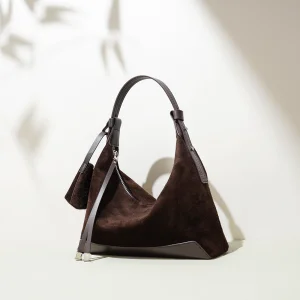
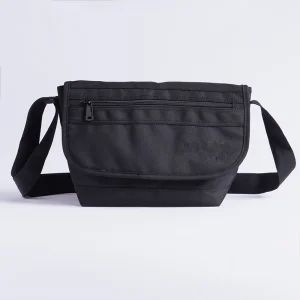
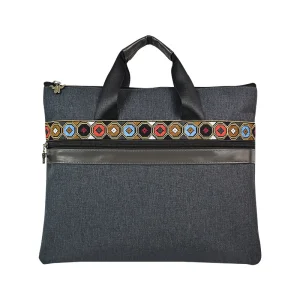
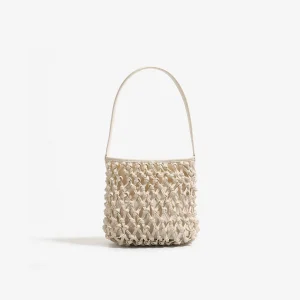
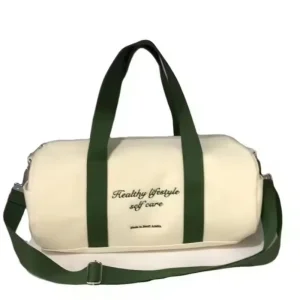
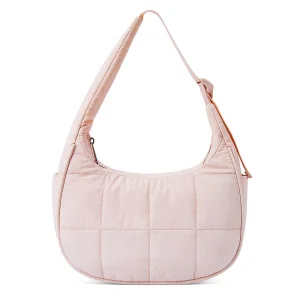
Discover additional styles, including active wear bags, classic leather goods, and casual woven totes designed for daily travel.
 Ripped Fashion