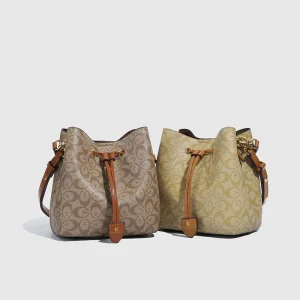
The global brief bag landscape is undergoing a paradigm shift. Historically regarded as a rigid, purely utilitarian container for paper documents, the classic attaché has morphed into a flexible, technological ecosystem. In the modern hyper-mobile landscape, a brief bag serves as a mobile command center, balancing device protection, aesthetic sophistication, and structural longevity.
This evolution is propelled by key changes in executive lifestyle demographics. Modern professionals demand transition-fluid luggage that crosses seamlessly between boardroom meetings, airport security checkpoints, and casual co-working hubs. The incorporation of protective laptop sleeves, discrete USB charging interfaces, and ergonomic strap geometries has transformed standard corporate satchels into dynamic, wearable tools. As materials science progresses, manufacturers are utilizing lightweight yet ultra-durable textiles—such as military-grade ballistic nylon, water-repellent Oxford fabrics, and eco-certified polyurethane (PU) leathers—to optimize weight distribution without sacrificing structure.
In addition to structural upgrades, internal design architecture has evolved. Dual-density foam panels absorb mechanical vibrations, shielding sensitive circuit boards from impacts. Secure, RFID-blocking passport sleeves protect critical travel credentials from electronic scanners. Top-tier manufacturers must understand these deep technological requirements to build luggage that integrates into the modern smart lifestyle.
Our engineering practices focus on combining ergonomic layouts with high-durability fabrics to withstand rugged everyday use.
Multi-layered EVA foam structures provide drop-proof and shock-absorbent properties to secure laptops, tablets, and fragile peripherals.
Direct raw material access in China's bag manufacturing hub reduces procurement cycles and yields competitive manufacturing costs.
Every product batch undergoes strenuous physical stress tests, including tensile load trials, zipper cycle testing, and wear resistance analysis.
For corporate purchasing departments, global sourcing managers, and major retail distributors, selecting a brief bag partner requires evaluating structural capabilities alongside strict compliance protocols. Enterprise B2B procurement is no longer based solely on unit prices. Modern sourcing strategies demand a balanced evaluation of supply chain integrity, labor compliance, environmental standards, and quality management protocols.
Hebei Ripped Fashion Co., Ltd. addresses these procurement metrics directly. Established in 2009 in Baigou Town, Baoding City, Hebei Province—the widely recognized "luggage capital of China"—our manufacturing facility is built to handle complex, high-volume international orders. Operating with a 3,000-square-meter footprint (including a dedicated 2,000-square-meter production floor), our facility houses over 300 skilled employees, ensuring consistent manufacturing output and quality control.
Environmental compliance is a key requirement in modern B2B sourcing. International regulations, such as the European Union's REACH directive and California's Proposition 65, demand that materials contain no hazardous toxins or heavy metals. We partner with certified material suppliers to ensure all canvas, polyester, nylon, and synthetic leathers meet these strict ecological standards. We offer custom materials made from GRS-certified (Global Recycled Standard) recycled plastics and organic cottons, helping our corporate clients achieve their sustainability goals.
In addition to material safety, manufacturing operations must maintain social responsibility standards. Ethical supply chains are verified through third-party labor audits, ensuring safe working environments, fair compensation, and transparent production processes. By choosing Hebei Ripped Fashion Co., Ltd., global enterprises partner with a manufacturer committed to operational safety, reliability, and social compliance.
We maintain high quality control by managing every stage of production in-house, from sourcing raw materials to final packaging and logistics.
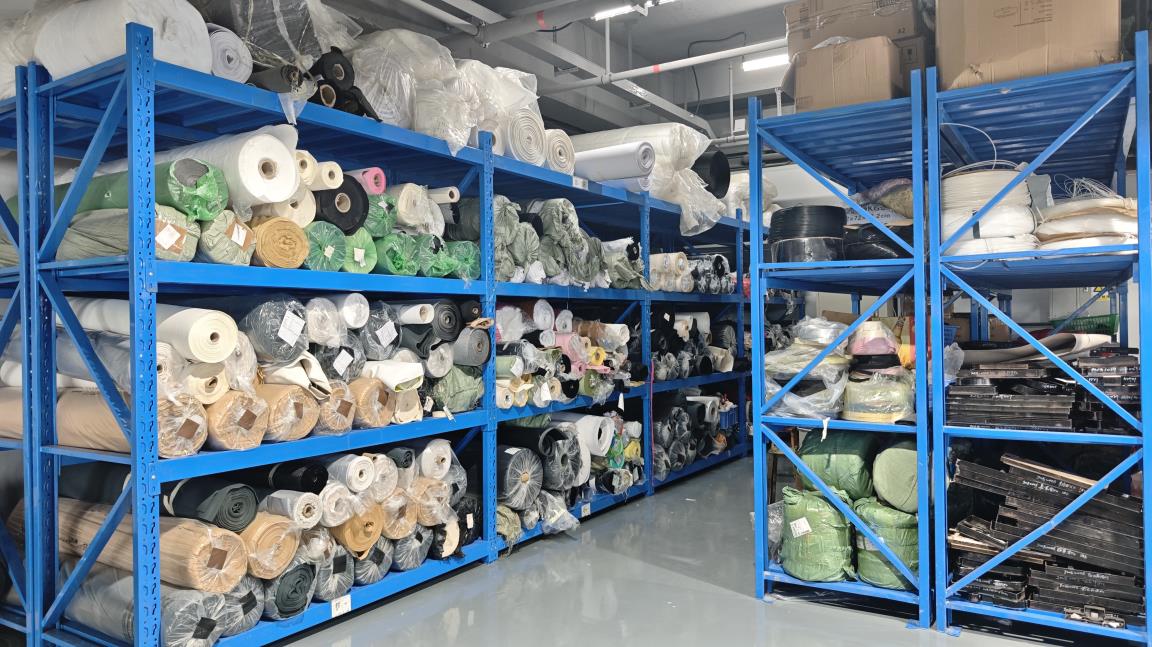
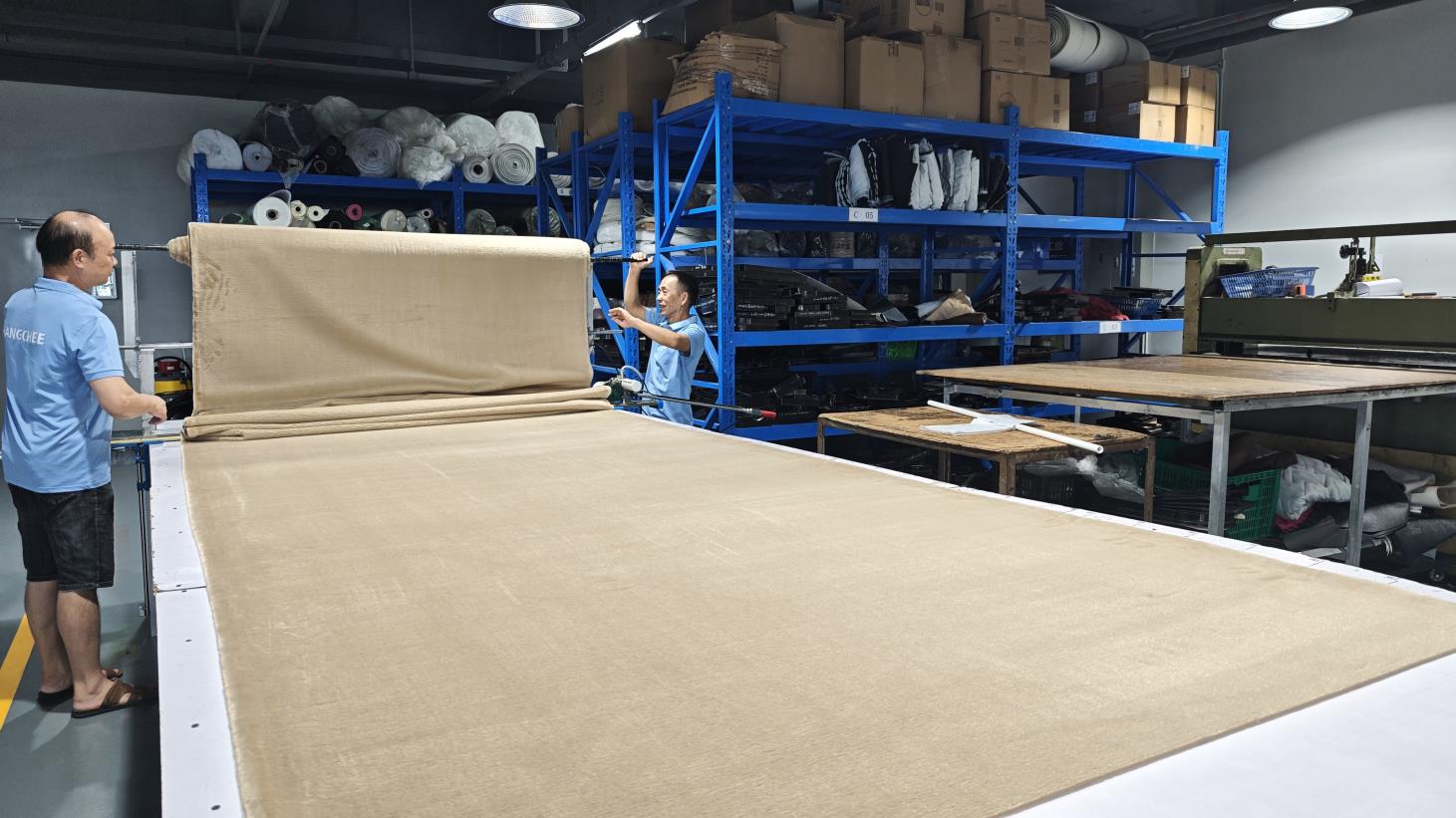
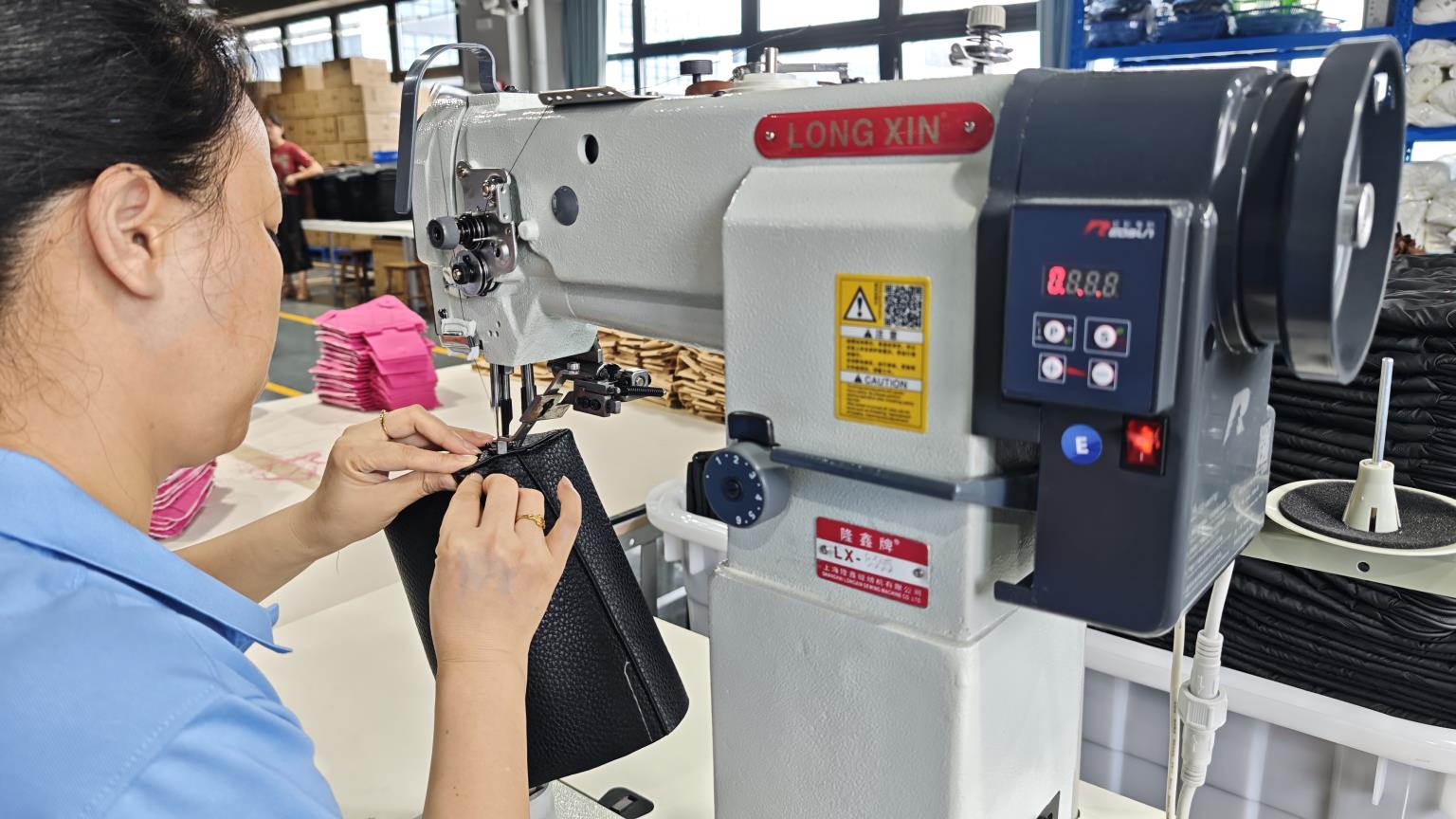
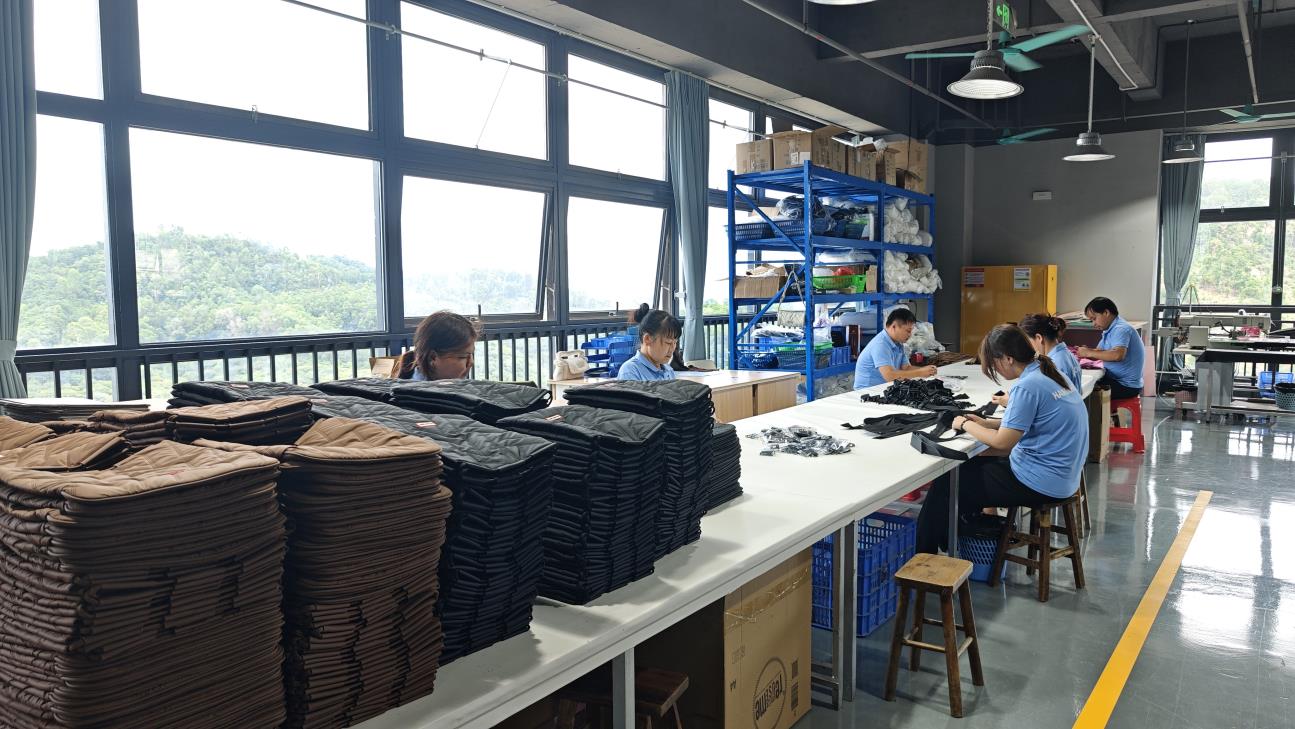
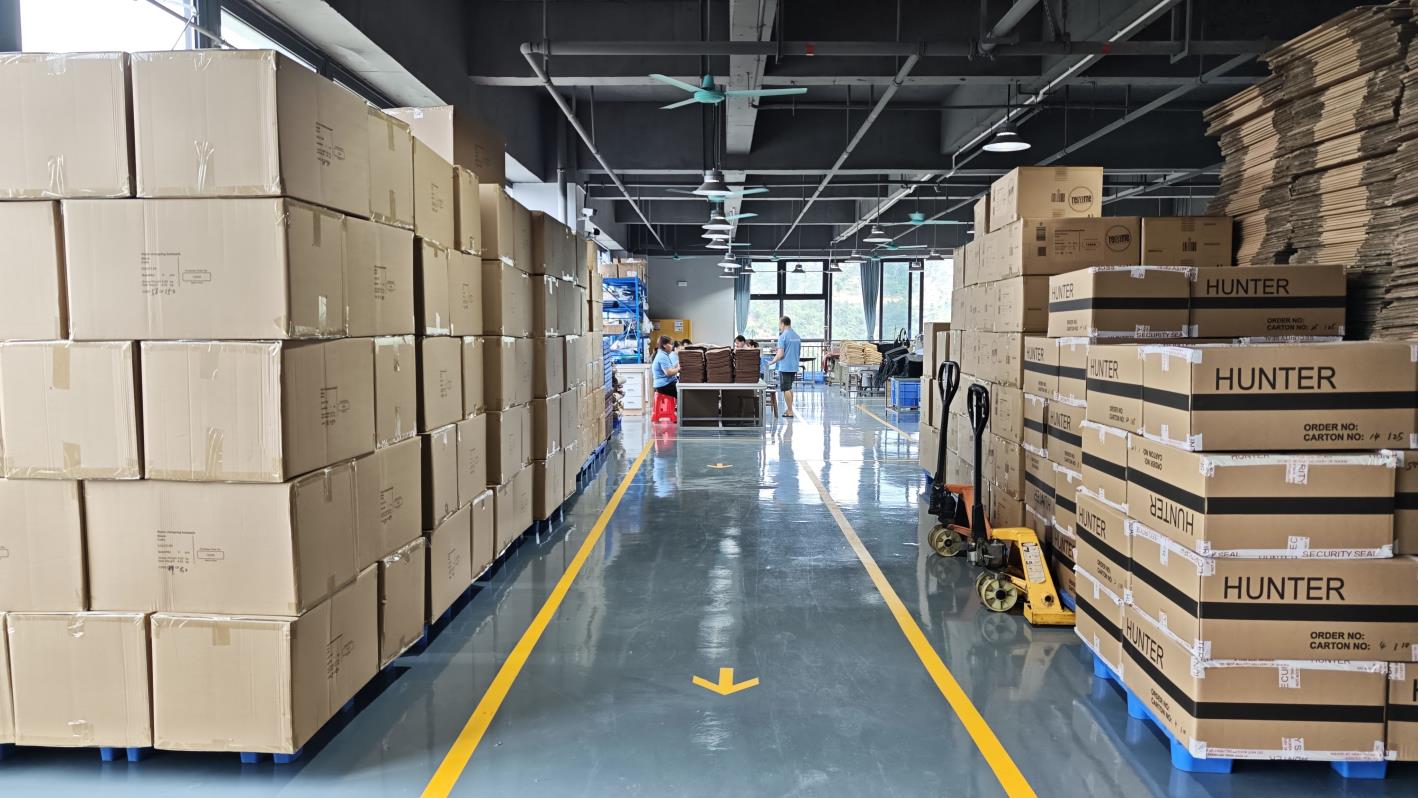
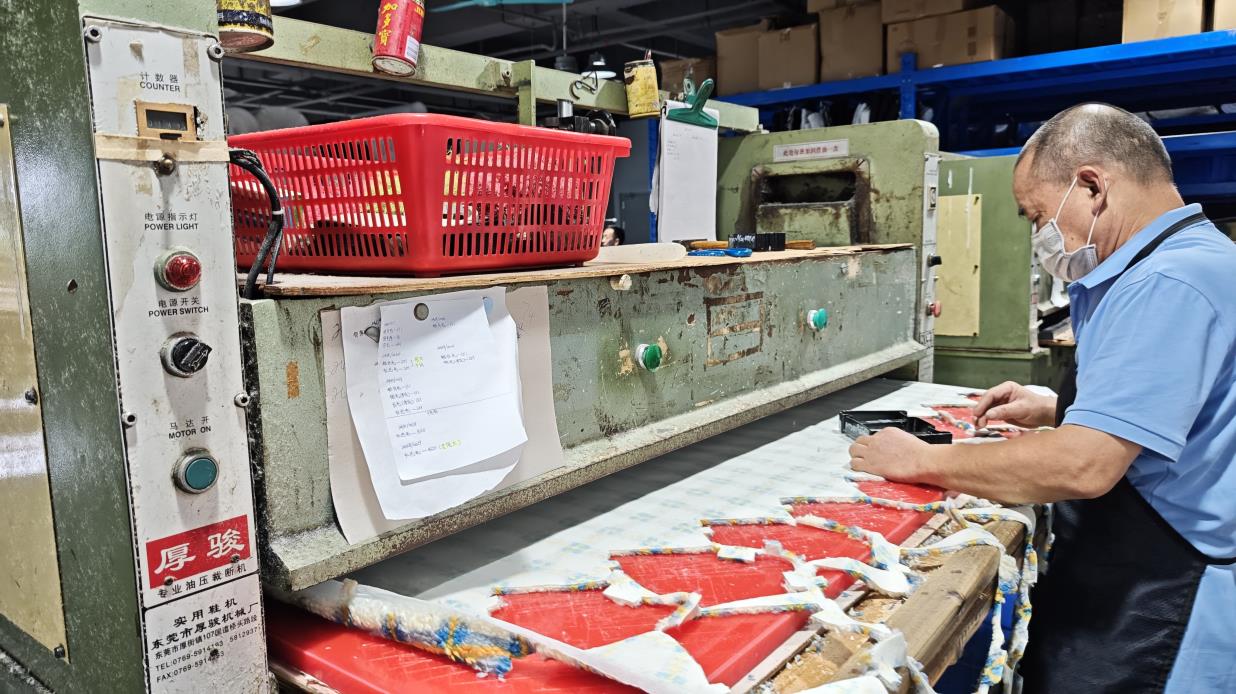
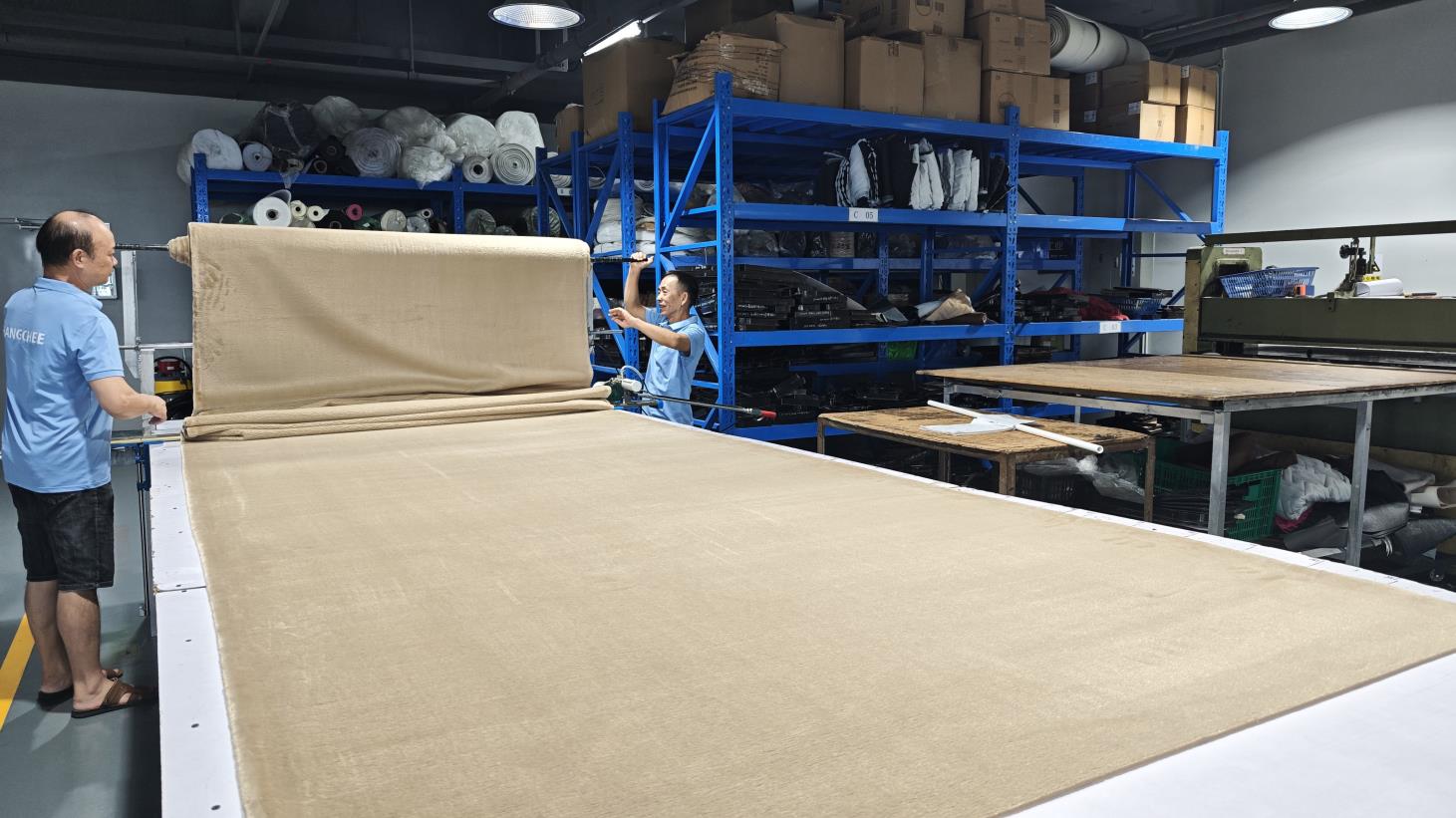
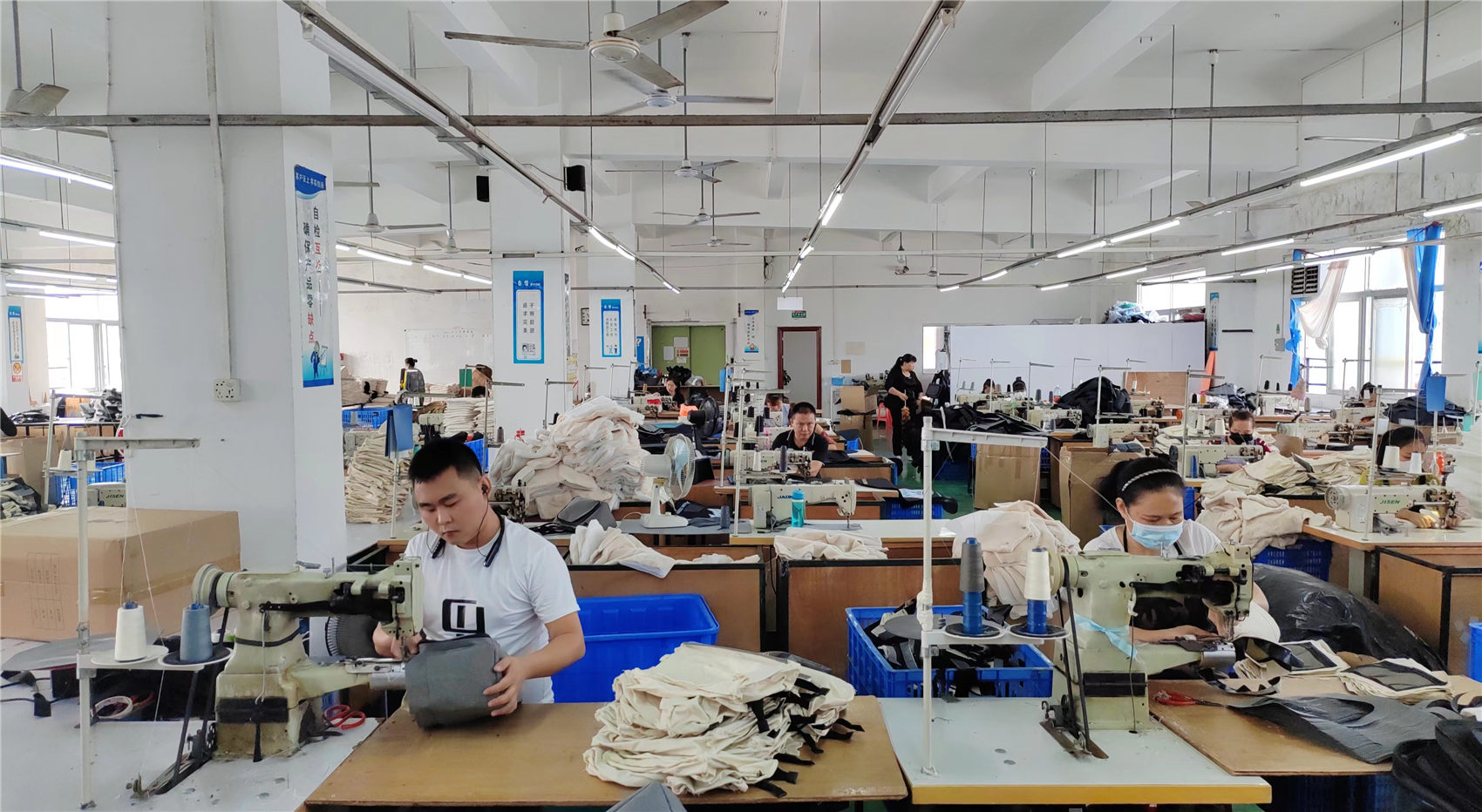
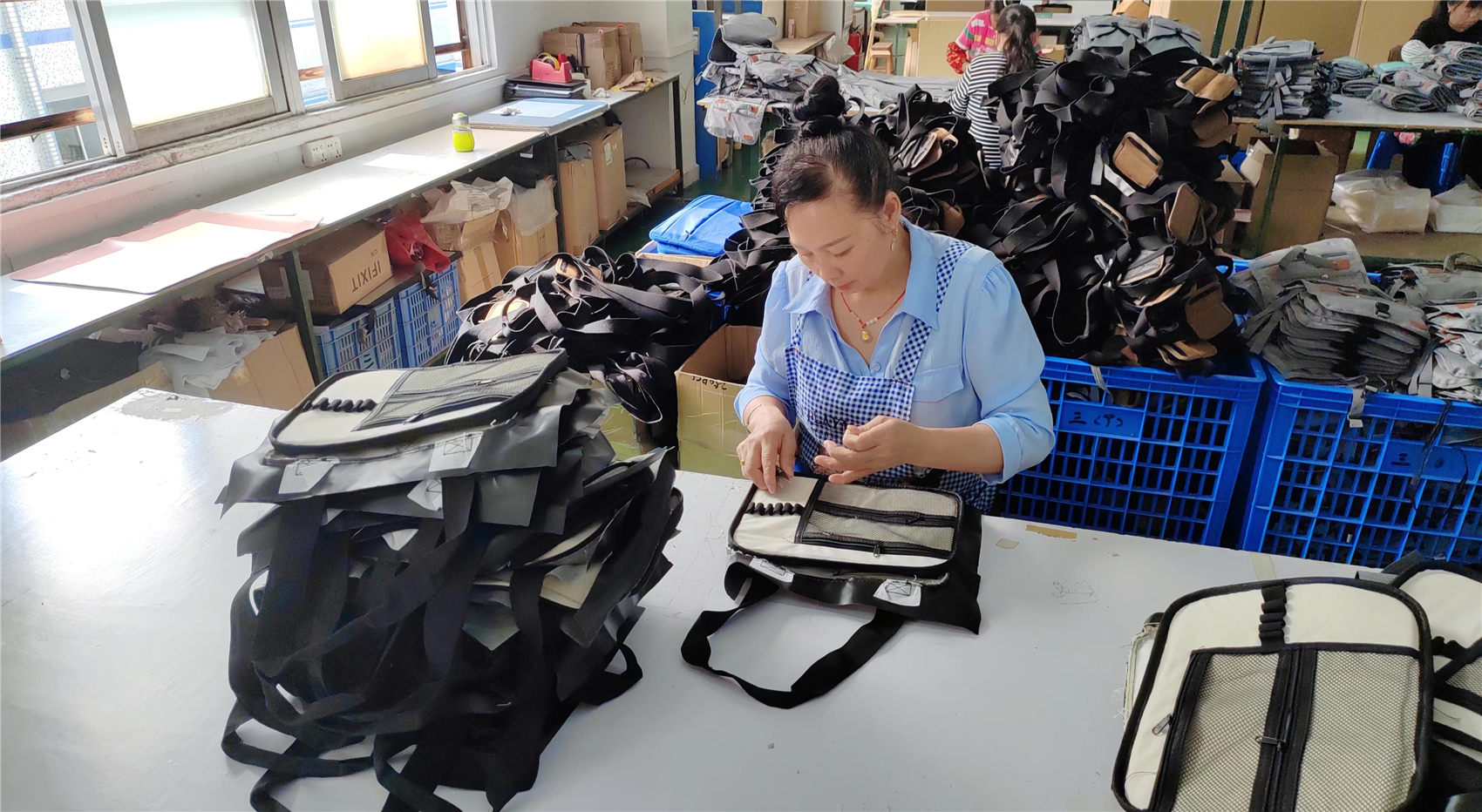
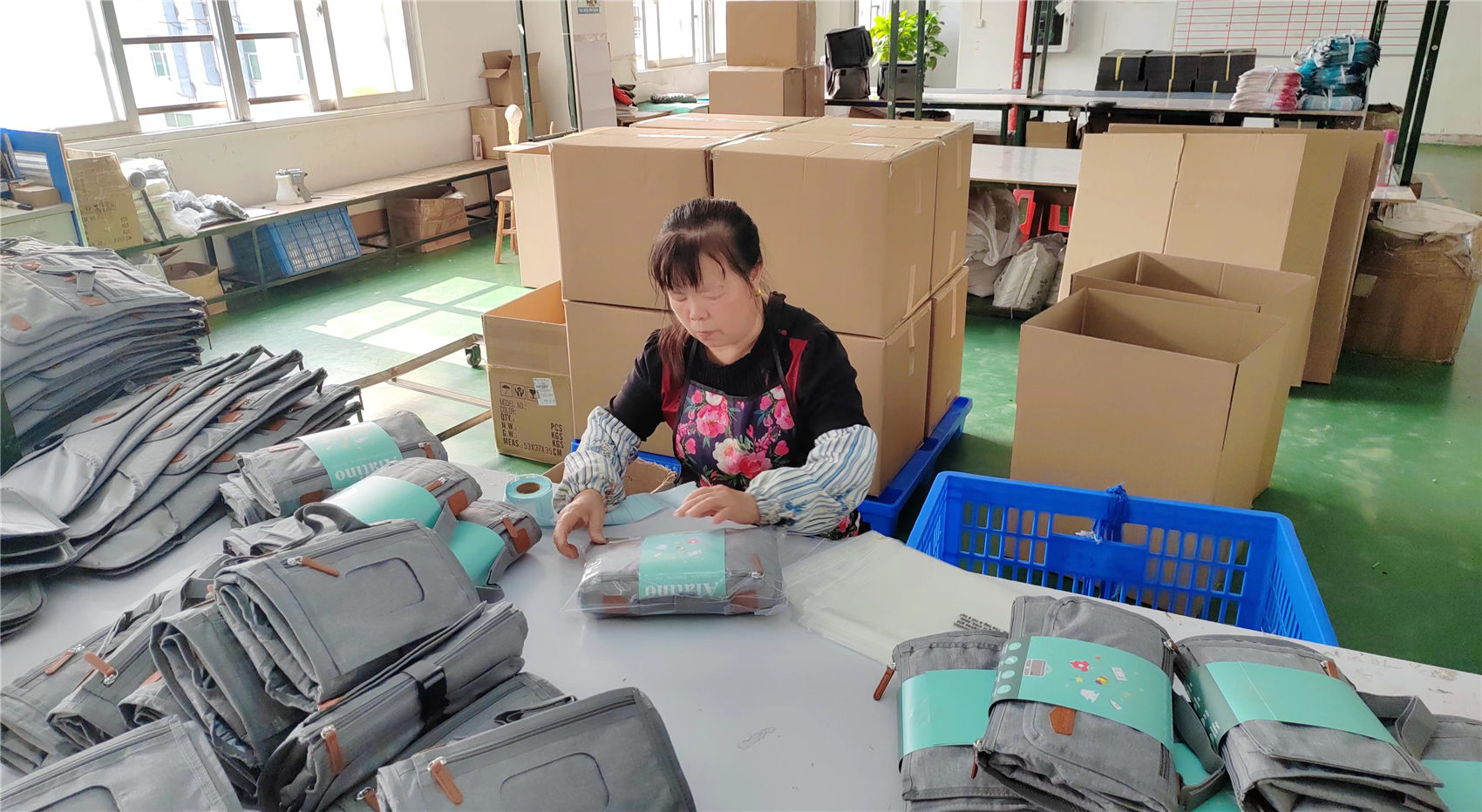
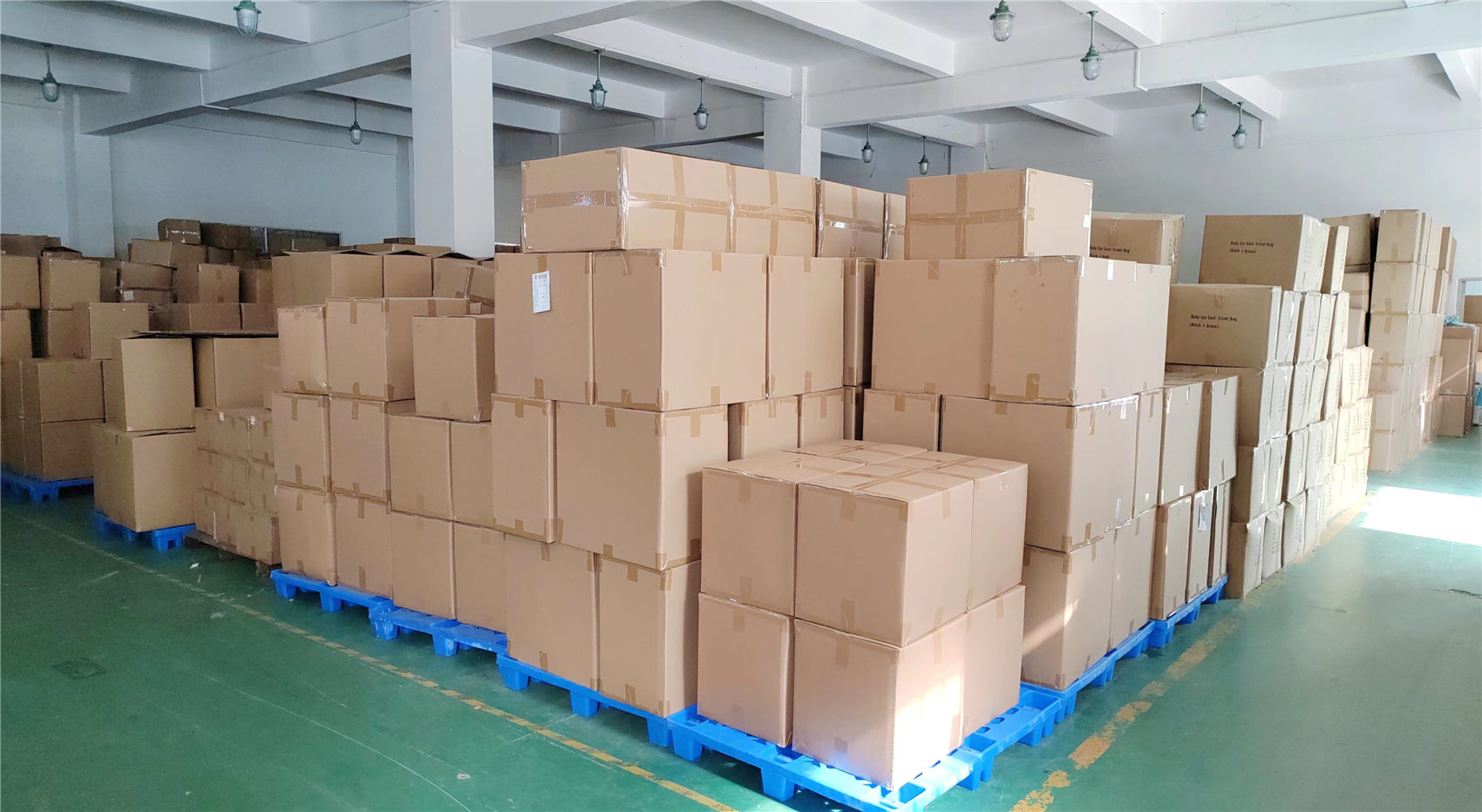
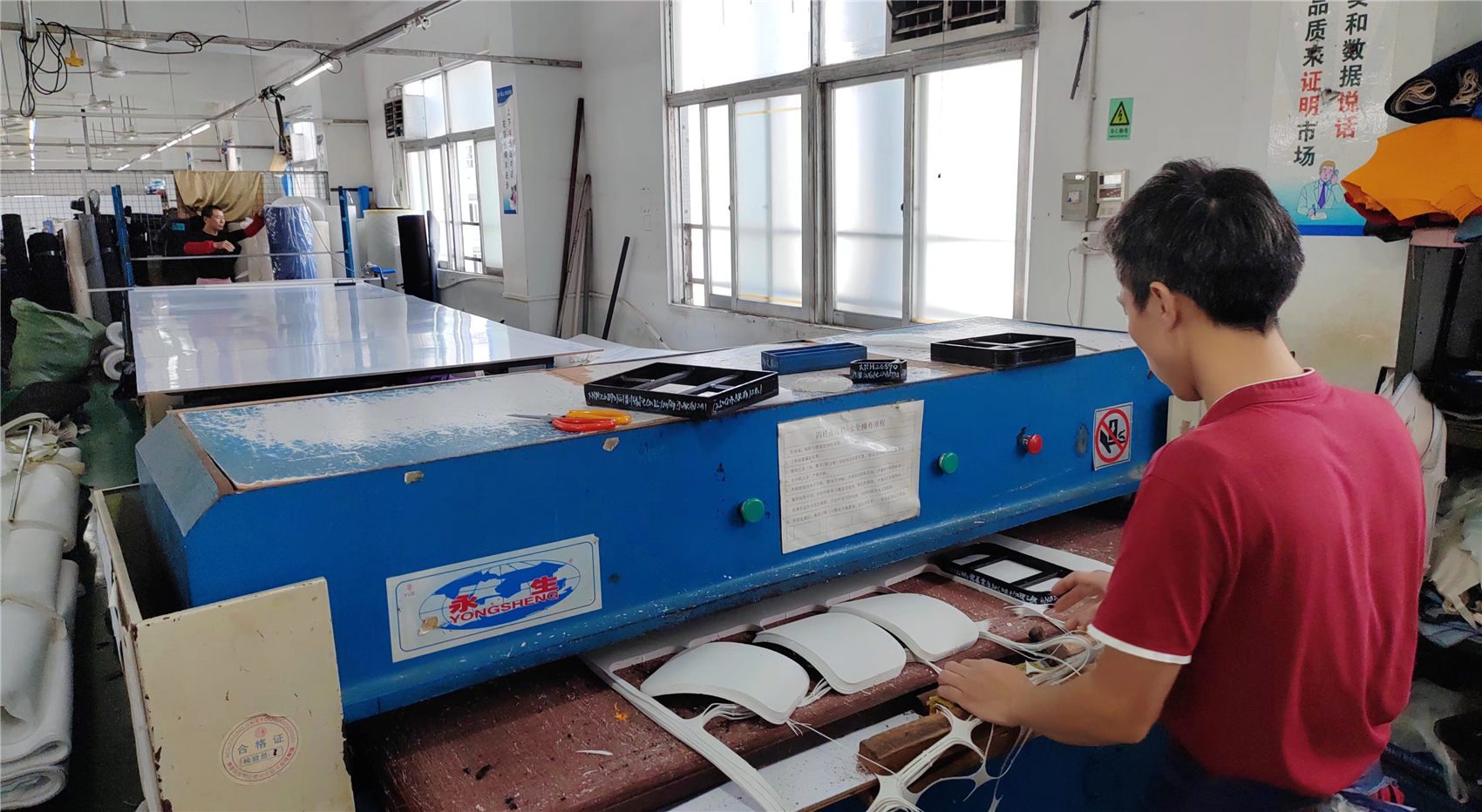
The Baigou luggage manufacturing region represents a highly efficient industrial ecosystem. Within a 50-kilometer radius, factories have direct access to material suppliers, hardware fabricators, label makers, and specialized logistics providers. This cluster structure enables Hebei Ripped Fashion Co., Ltd. to reduce lead times, source premium materials quickly, and scale production volume rapidly without typical supply chain delays.
Our facility incorporates modern production systems to optimize manufacturing efficiency. Automated laser cutting equipment translates digital CAD files directly onto fabrics, achieving cut accuracies within 0.1mm. This reduces textile waste and ensures uniform component assembly. Computerized sewing units manage complex stitches across heavy-duty canvas, dense oxford fabrics, and thick PU panels, producing clean, structurally sound seams.
Managing global shipping requires reliable, end-to-end logistics. Our facility in Northern China operates near the major container terminals of Tianjin Port. This location provides convenient maritime shipping routes to North America, Western Europe, and Asia-Pacific markets. We handle customs declarations and export paperwork directly, ensuring smooth shipping operations for our global clients.
The modern brief bag market is segmented by regional design preferences, work styles, and functional demands. To capture these varied markets, our design team tracks consumer trends across three primary global regions:
To support this global variation, our custom design team develops product collections that align with specific market preferences. This target-market styling helps distributors, corporate buyers, and brands optimize inventory turnover and meet consumer expectations.
Hebei Ripped Fashion Co., Ltd. provides robust OEM (Original Equipment Manufacturing) and ODM (Original Design Manufacturing) solutions. We turn client concepts, design drafts, or specification sheets into market-ready retail products. Our specialized engineering and development pipeline includes:
1. Prototype Development: Our design workshop turns ideas or drawings into functional physical samples, adjusting dimensions and internal layouts to optimize manufacturing stability and user comfort.
2. Material Optimization: We guide clients in selecting the best fabrics and hardware based on target pricing, weight limits, and style goals, offering options from water-resistant ballistic nylon to eco-conscious canvas and PU leather.
3. Brand Integration: We apply logos and brand assets using durable techniques, including debossed leather patches, direct embroidery, laser-etched metal plates, and high-density screen printing.
4. Functional Stress Testing: Before mass production starts, samples undergo structural tests, ensuring zipper durability, strap load strength, and water resistance meet strict performance standards.
Clear details on product customization, manufacturing standards, quality testing, and ordering logistics.
Our standard production MOQ is typically 500 units per style for custom designs. However, depending on raw material availability and specific customization requirements, we can accommodate smaller trial orders of 200–300 units for select designs to help clients launch new product lines.
We maintain quality control through a four-stage process: incoming material inspections (IQC), inline checks during cutting and sewing (IPQC), final product checking (FQC), and random pre-shipment inspections (OQC) to verify stitching density, zipper operation, and logo placement.
Yes, we partner with specialized material suppliers to offer textiles, PU leathers, lining fabrics, and hardware components that meet strict global standards, including REACH, RoHS, and California Proposition 65 regulations.
Developing a custom prototype sample generally takes 5 to 7 working days, depending on material complexity. Once the sample is approved, mass production typically takes 30 to 45 days, depending on order size and current workshop schedules.
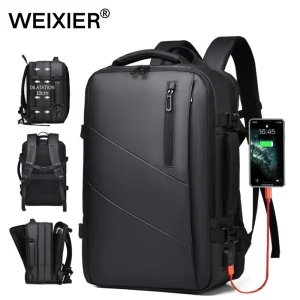
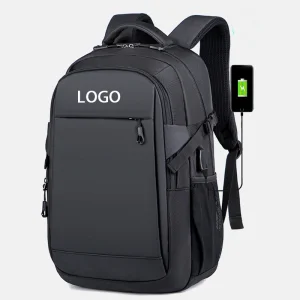
Yes. Our ODM capabilities include custom interior pocket designs, shock-proof laptop compartments, specialized lining fabrics, and integrated USB ports with internal battery pocket configurations.
We support standard international logistics terms, including FOB (Tianjin/Qingdao), CIF, DDP, and EXW, depending on the client's preference. We coordinate with major global freight forwarders to manage shipping processes smoothly.
 Ripped Fashion