
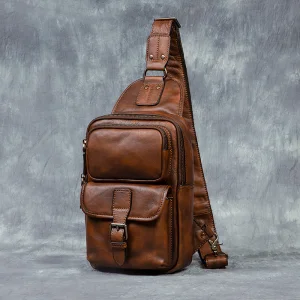
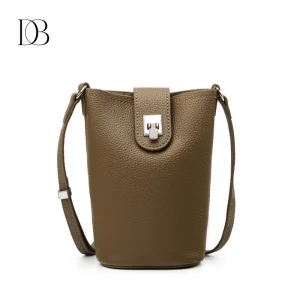

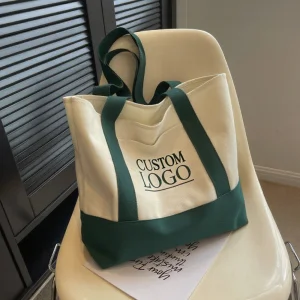

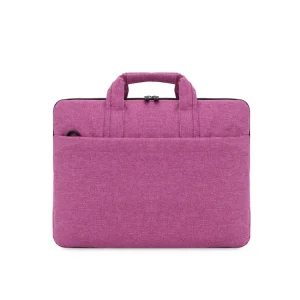

In the hyper-competitive global consumer goods landscape, travel bags and luggage accessories have moved far beyond simple utilitarian tools. Today's consumer dictates a shift towards "bleisure" readiness—the fusion of professional performance and weekend leisure functionality. This structural market transformation has accelerated demand for lightweight, high-performance travel totes that seamlessly accommodate electronic hardware, travel essentials, and aesthetic sensibilities.
For enterprise purchasing officers, global sourcing managers, and distributor brands, locating the ideal original equipment manufacturer (OEM) and original design manufacturer (ODM) is not merely a matter of comparative unit economics. True sourcing optimization demands a thorough evaluation of raw material technology routes, quality management matrices, environmental, social, and governance (ESG) compliance, and supply chain agility. This whitepaper analyzes the structural ecosystem of top-tier travel tote manufacturers, with a specific focus on the industrial advantages represented by regions like Baigou, Hebei, China's premiere luggage manufacturing hub.
When evaluating global travel bag factories, leading enterprises rely on key metrics rather than marketing promises. The elite 10 manufacturers are categorized based on their technical capacity to deliver across five crucial dimensions:
Integration of ultra-lightweight ripstop nylon, Cordura fabrications, waterproof PU membranes, and vegan leathers capable of surviving rigorous abrasion and load-bearing cycles.
Cost optimization strategies enabled by localized supply clusters, reducing overhead, raw material logistics fees, and prototyping lead times.
Full alignment with international compliance frameworks, including BSCI, Sedex, ISO9001 quality management systems, and chemical compliance tests (REACH, Prop 65).
| Manufacturer Tier | Geographic Cluster | Key Strengths | Ideal Procurement Scale |
|---|---|---|---|
| Tier 1 Custom ODM Partners | Hebei (Baigou Town), Guangdong, Zhejiang | Rapid tooling, vertically integrated raw materials, deep design archives, agile supply lines. | Low-to-High volume custom campaigns. |
| Tier 2 High-Volume OEM Factories | Fujian, Vietnam, Bangladesh | Extremely low per-unit pricing on multi-million runs, simplified styling, basic canvas constructions. | Ultra-high scale, low design volatility. |
| Tier 3 Specialized Boutique Boutiques | Italy, Japan, South Korea | Luxury raw materials, vegetable tanned leathers, low-volume hand craftsmanship. | Premium niche drops, high markup models. |
Founded in 2009, Hebei Ripped Fashion Co., Ltd. stands as a prime example of China's modern manufacturing efficiency. Located in the heart of Baigou Town, Baoding City, Hebei Province—affectionately termed the "luggage capital of China"—the company is built directly into one of the most concentrated industrial ecosystems in the world. By taking advantage of this dense regional network, Ripped Fashion minimizes transit times for raw materials and hardware components, translating these cost savings directly to their international partners.
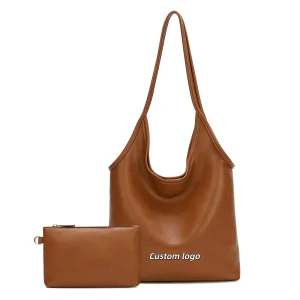
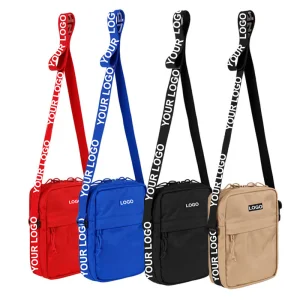
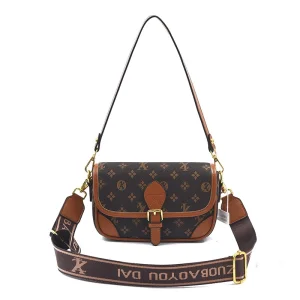
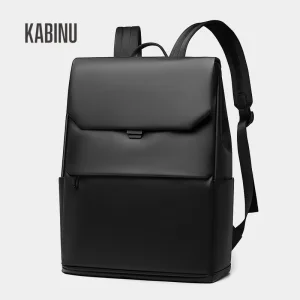
Ripped Fashion commands a 3,000 square meter industrial complex, which includes a dedicated 2,000 square meter high-efficiency production workshop. Staffed by over 300 experienced professionals, the factory outputs premium handbags, backpacks, waist bags, shopper bags, and specialty travel totes. With a combined 20+ years of manufacturing experience, the management team has refined a streamlined production cycle, ensuring that client visions move from design drafts to physical cargo with minimal delay.
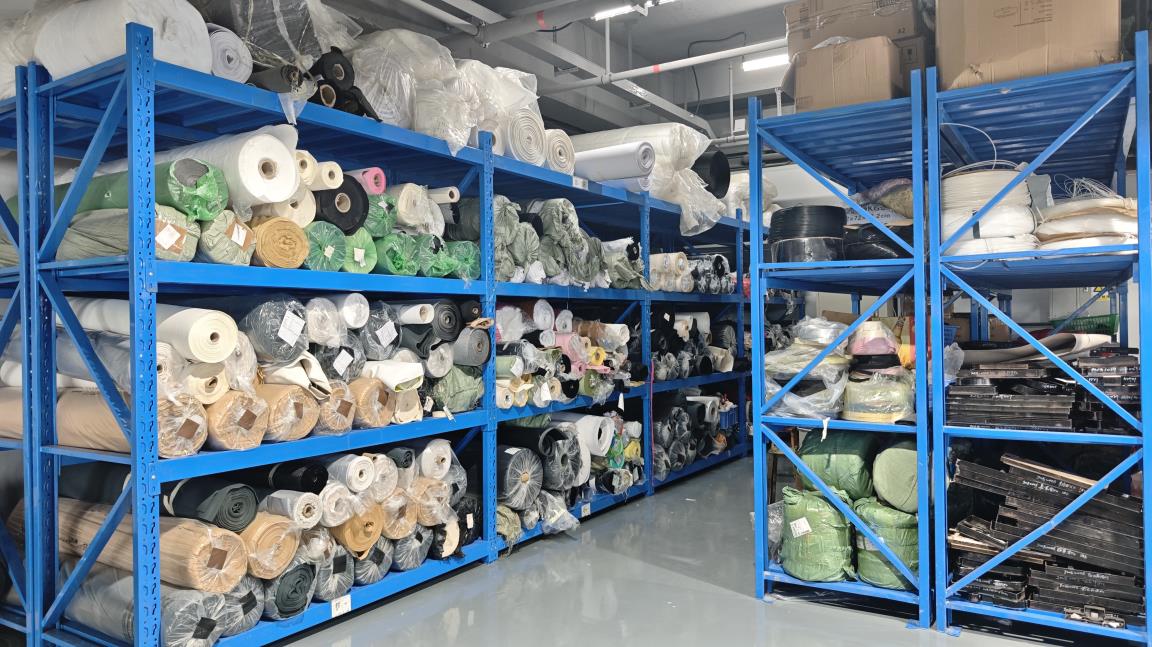
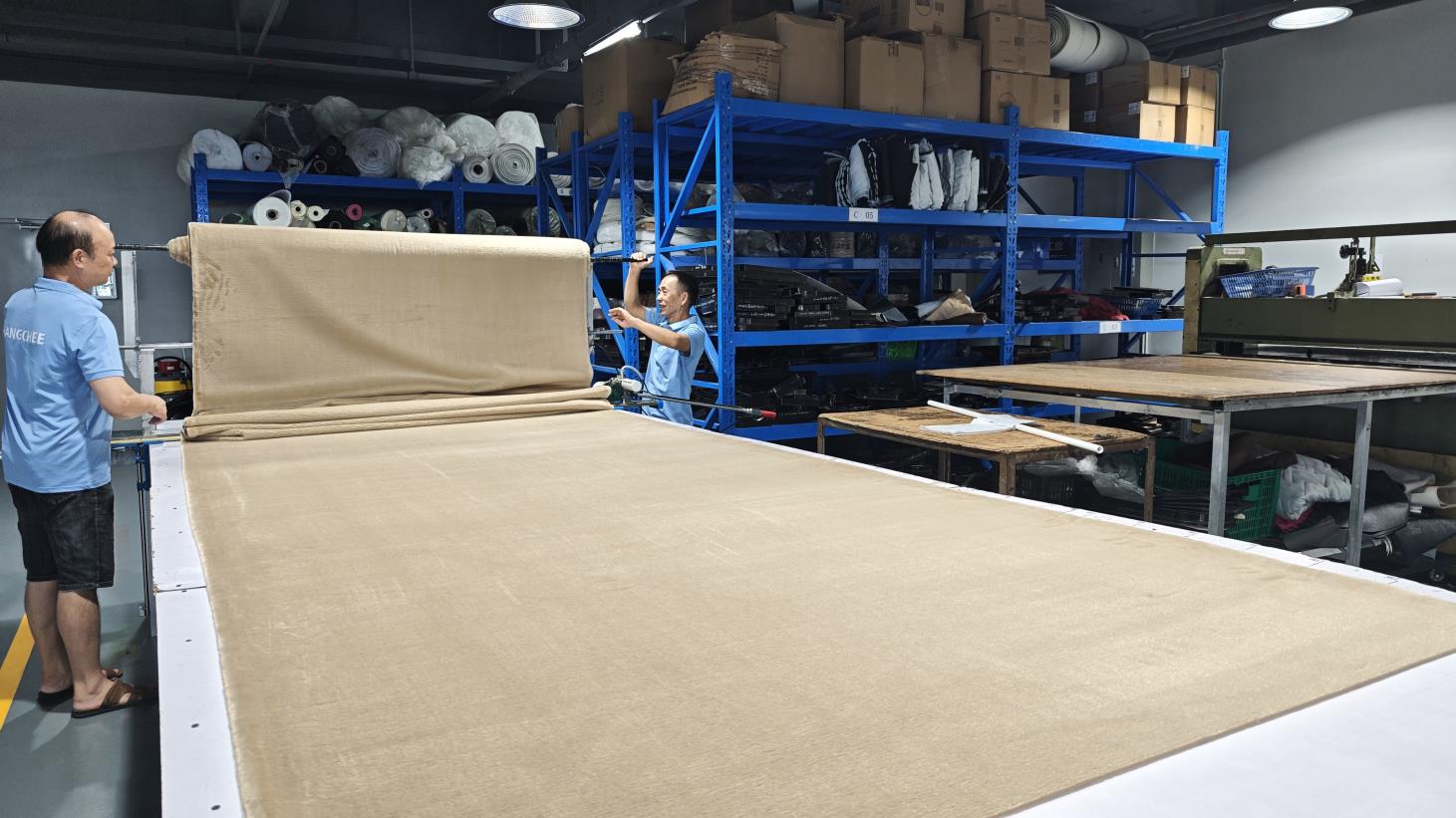
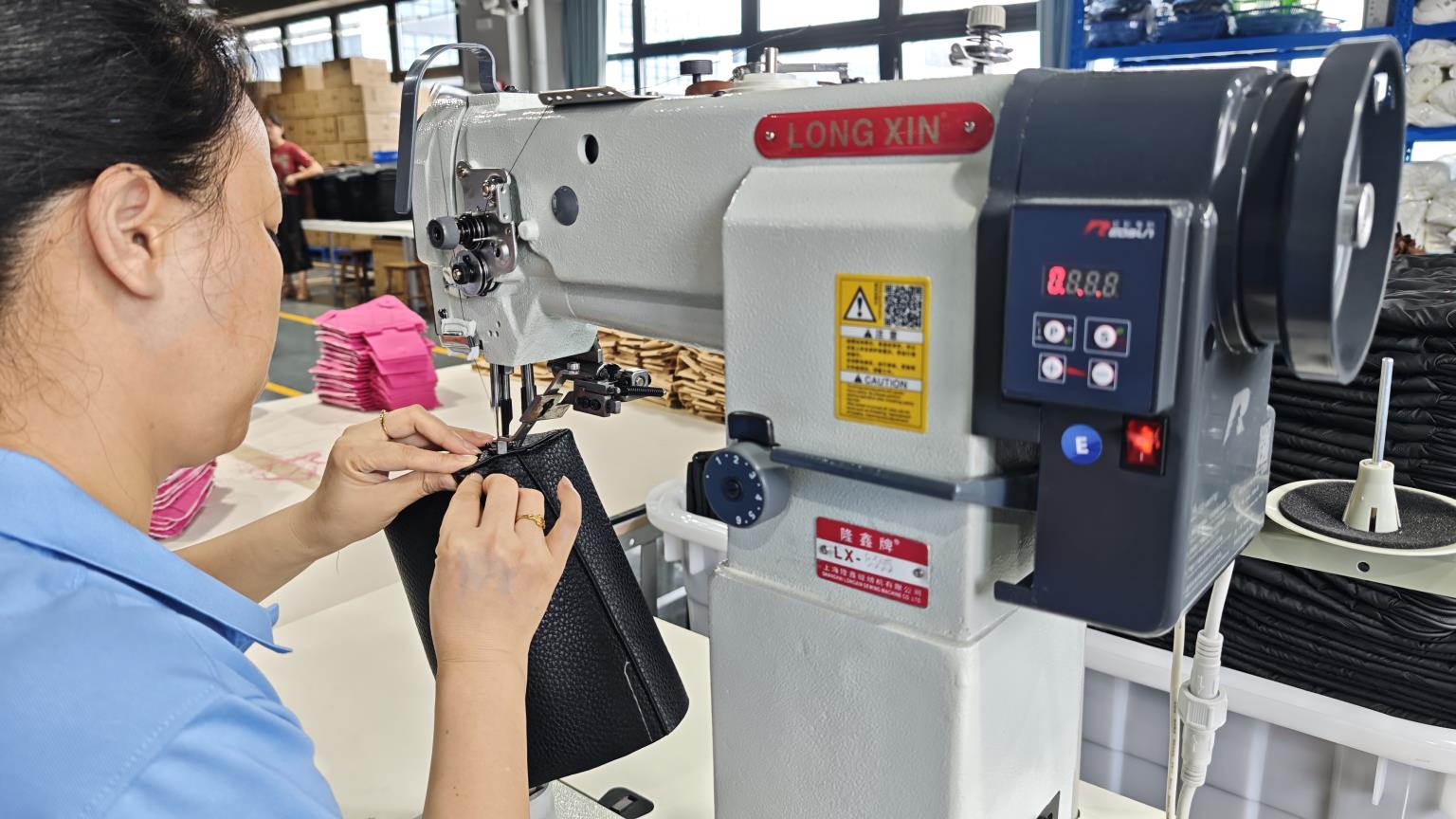
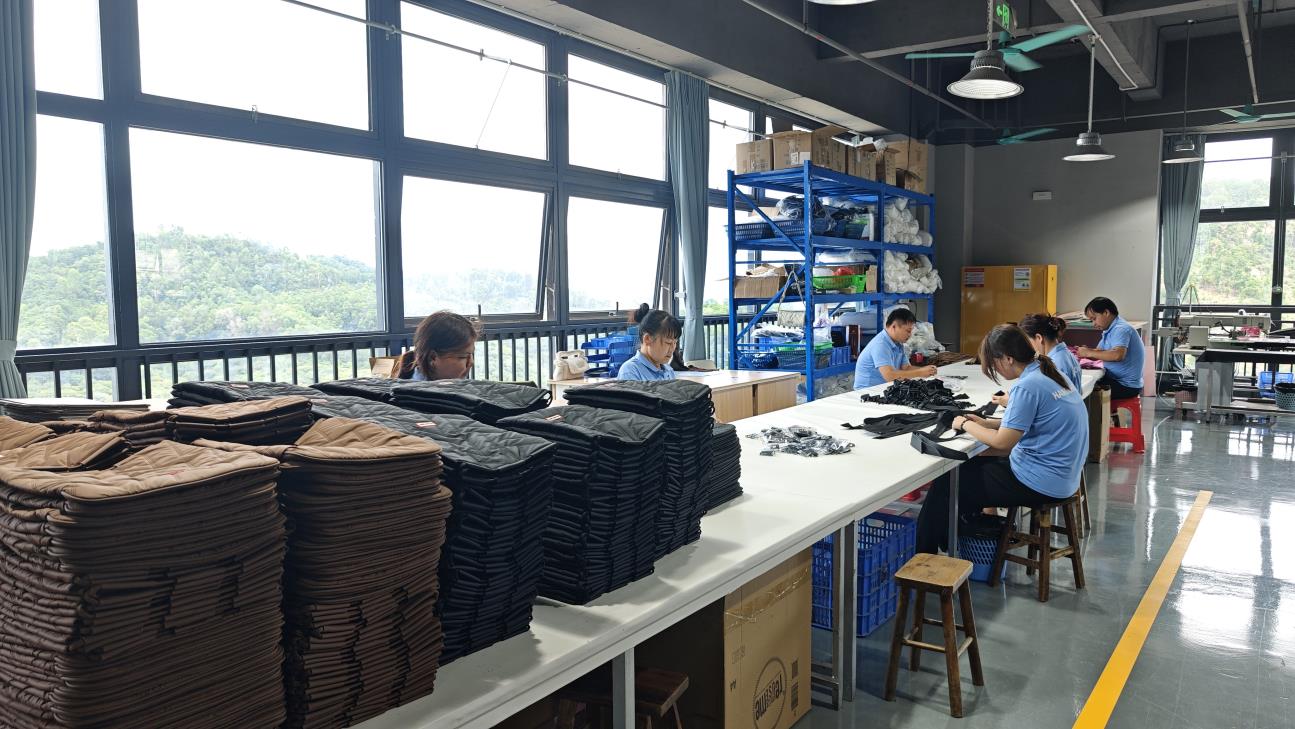
Below is a step-by-step tour of the modern production procedures at the Hebei Ripped Fashion factory facility, illustrating our strict quality control gates from raw material ingestion to final container loading:
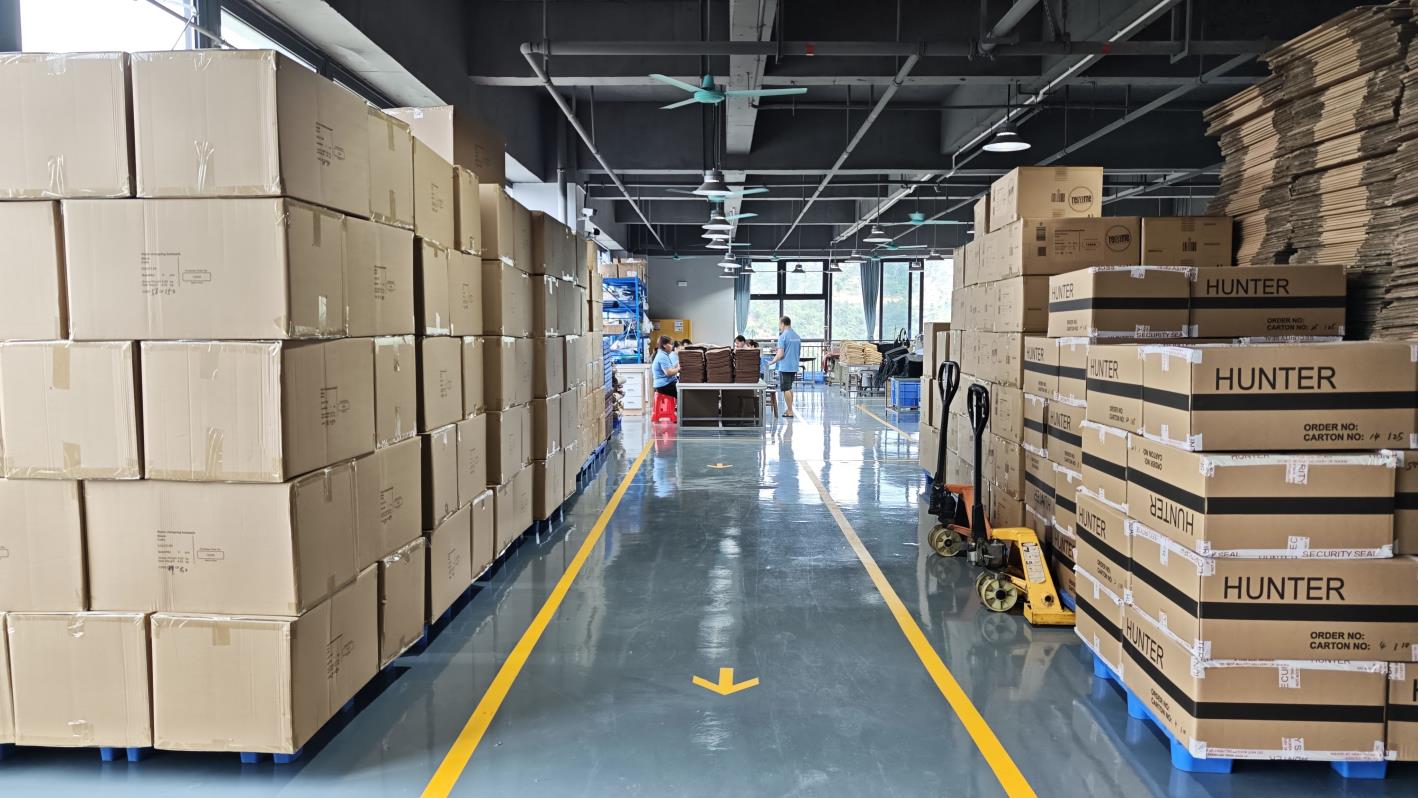
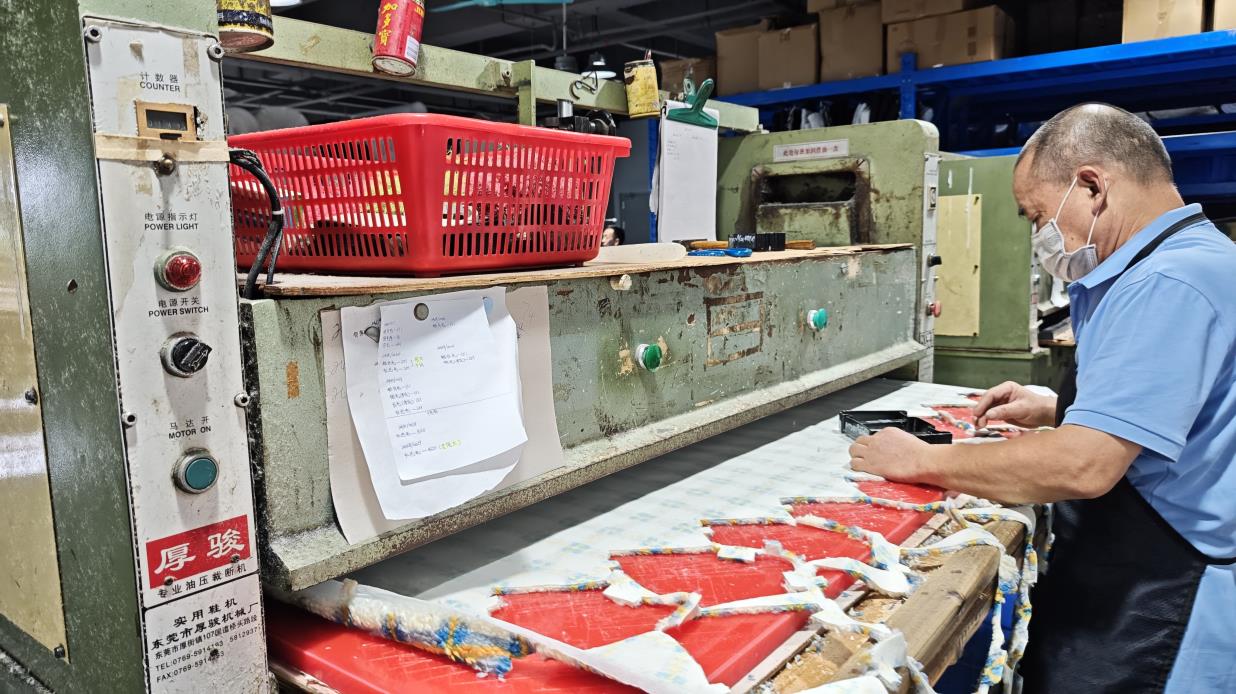
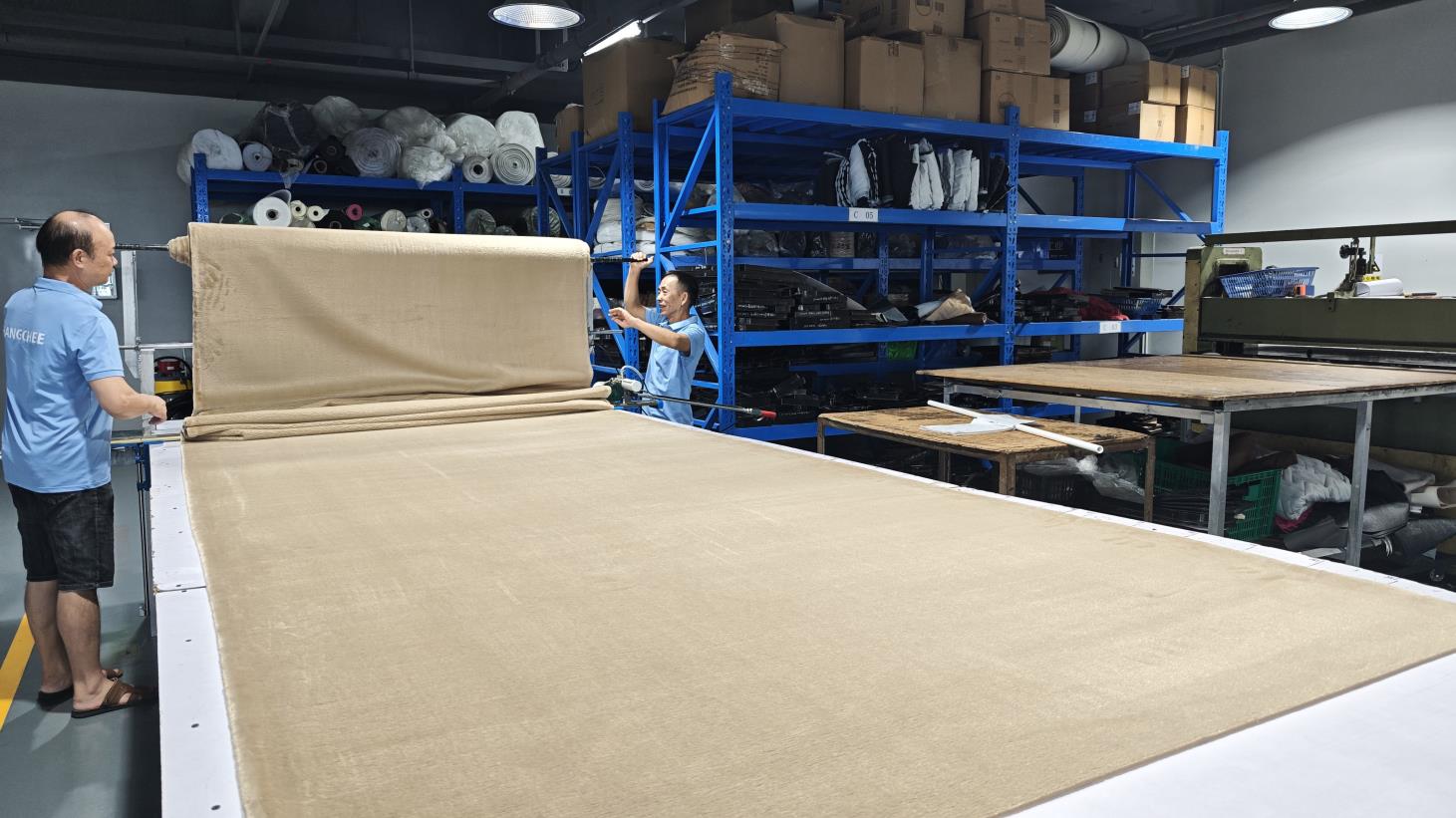
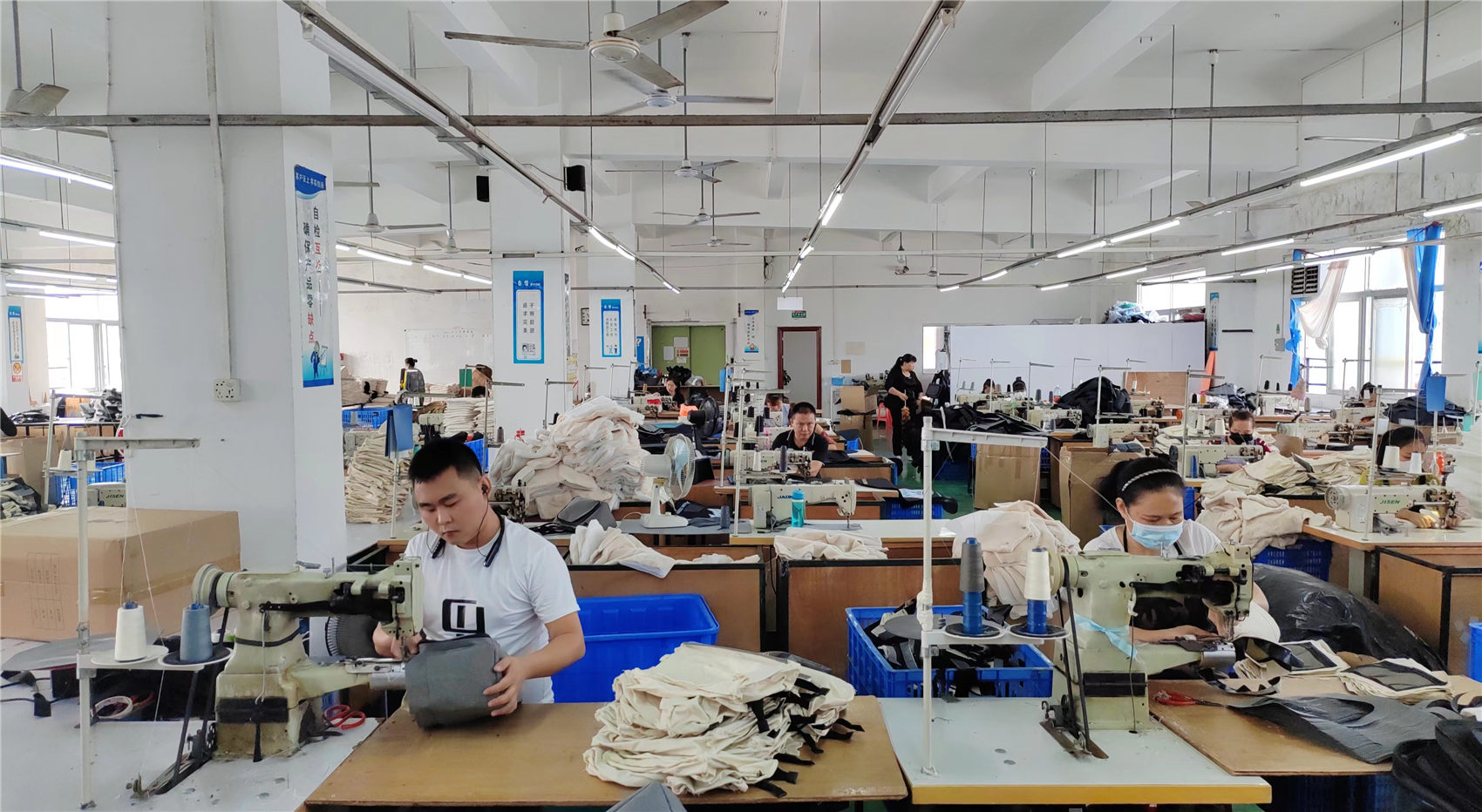
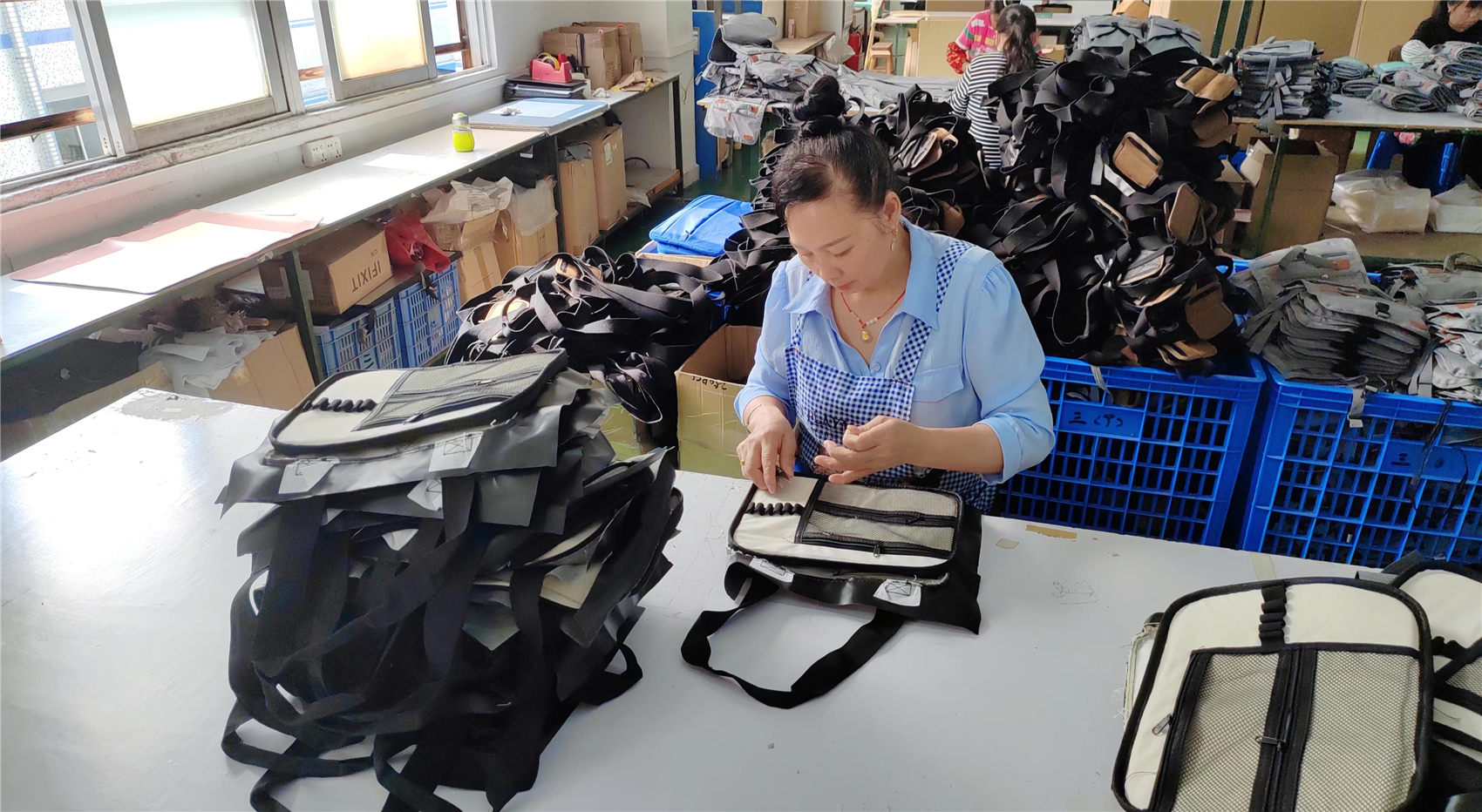
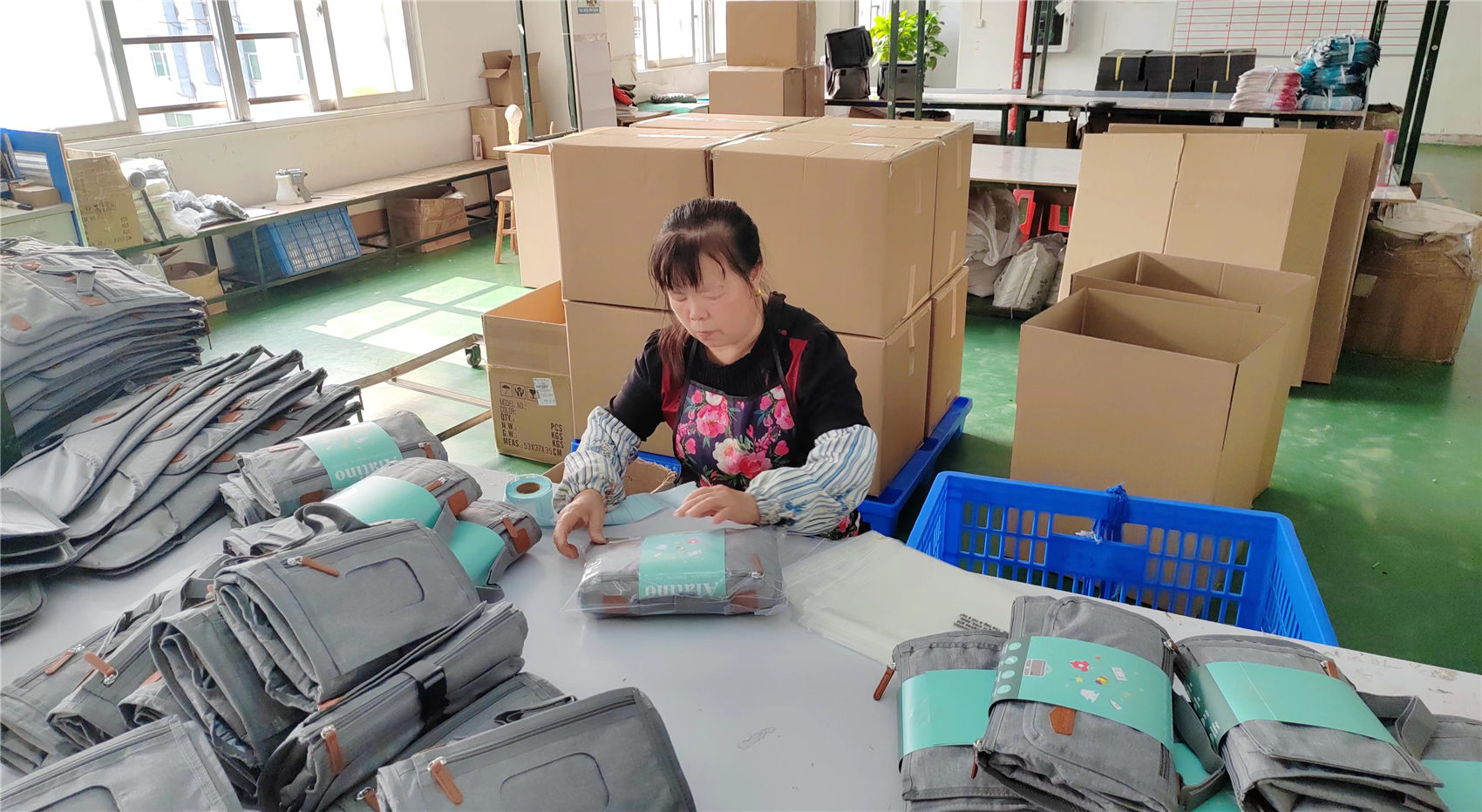
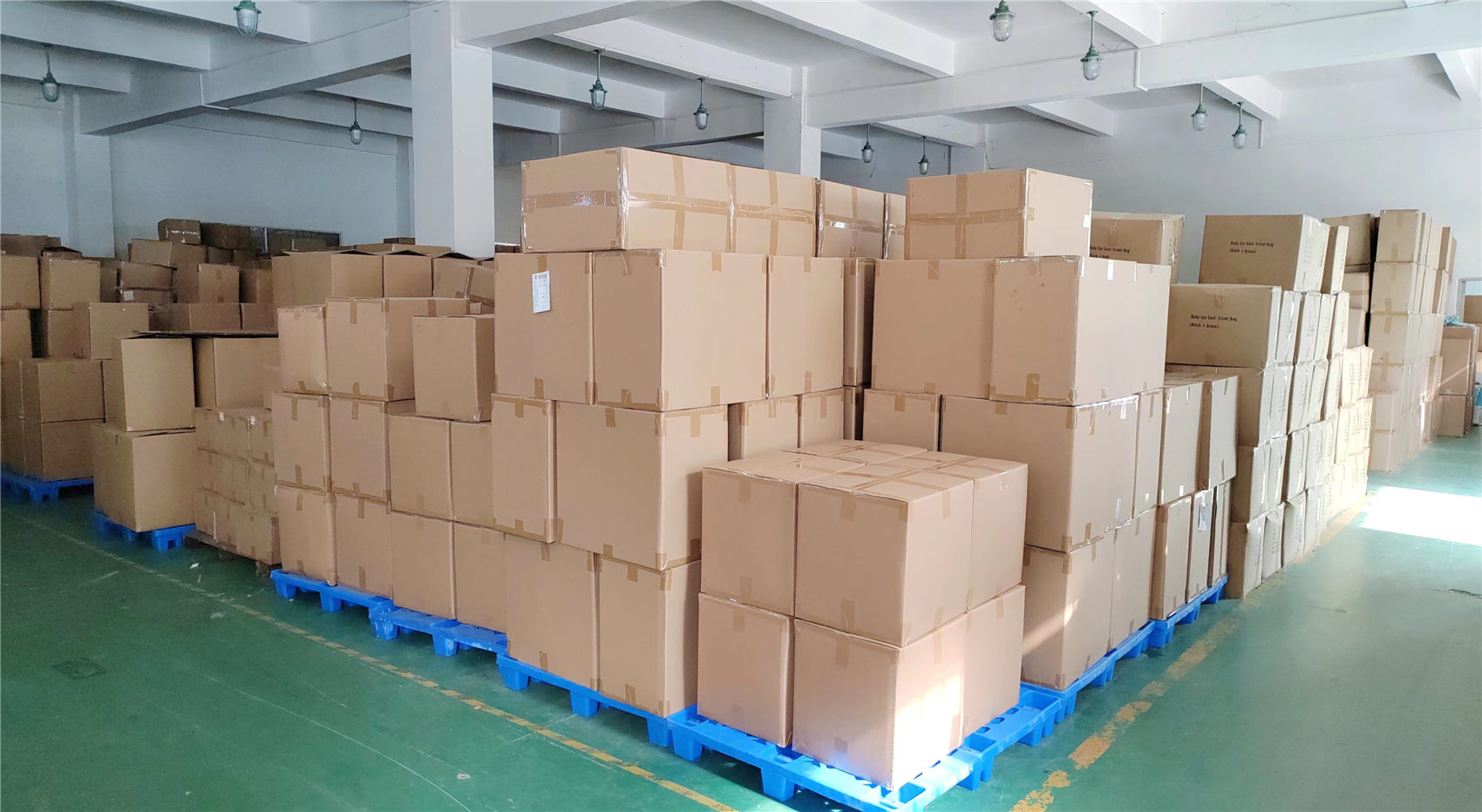
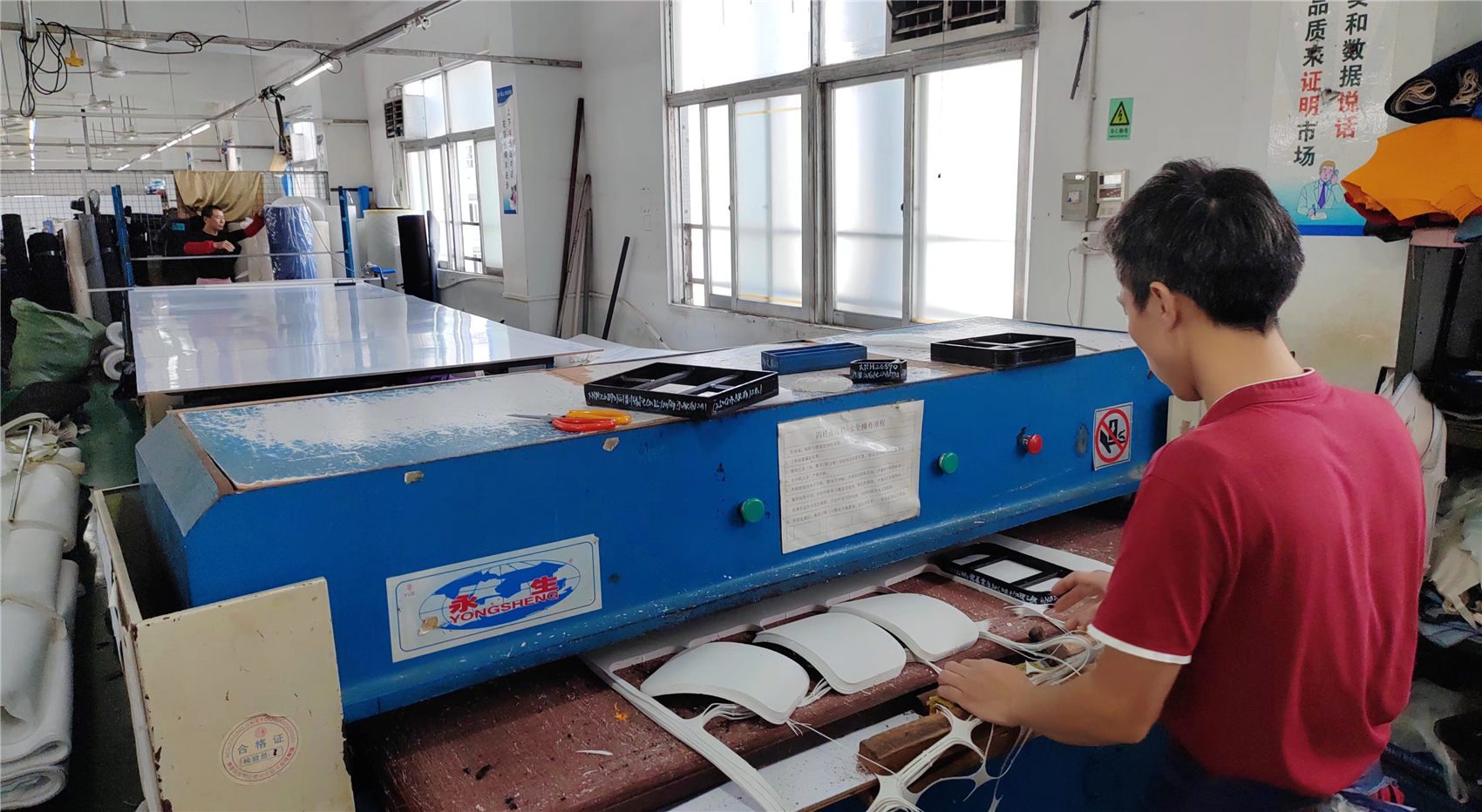
As the B2B luggage sector shifts towards high-tech and sustainable designs, leading factories are updating their long-term development roadmaps. Moving forward, the travel tote is no longer treated as just a bag, but as a modular tool designed to support digital workflows on the go.
The transition from virgin synthetics to GRS (Global Recycled Standard) certified rPET, organic hemp canvas, and biodegradable TPU coating films. Forward-thinking manufacturers are actively developing 100% recyclable mono-material bags, allowing the entire product to be processed at end-of-life without complex disassembly.
Embedding discreet Bluetooth beacons, ultra-thin GPS/cellular trackers, and biometric zipper locks into the lining of standard business travel bags. RFID-blocking organizational pockets are now standard, protecting digital credentials from unauthorized skimming scans.
Using pressure-relieving mesh shoulder straps, magnetic FIDLOCK buckles, and modular camera/office insert cells that attach via hook-and-loop or track rails. Prototyping uses advanced finite element analysis (FEA) to simulate strain on seams over thousands of compression cycles.
Global brands, corporate airlines, retail chains, and promotional distributors face distinct challenges when procuring at scale. A one-size-fits-all manufacturing strategy often leads to inventory blockages or supply line failures. Top-tier manufacturers address this through structured production options tailored to different buying profiles:
Ideal for fashion labels testing seasonal drops. Brands choose from pre-engineered factory patterns (like crescent underarm or structured satchels) and simply customize colorways, fabrics, and branding plates. Reduces lead times from months to weeks.
For major electronics companies or outdoor gear brands requiring custom tech specs. The buyer provides the CAD files, material recipes, and tolerances, and the factory acts as a high-precision manufacturing hub using automated cutting machines and custom mold fixtures.
Tailored to corporate offices and event organizers requiring bulk, durable bags branded with corporate logos. Emphasizes fast turnaround, high utility, premium packaging, and ready-to-distribute boxes shipped directly to regional warehouses.
Expanding international customs regulations and stricter environmental laws make product compliance critical to global supply chains. A shipment of travel bags blocked at customs due to lead levels in hardware rivets or non-compliant packaging material can quickly erase seasonal profits.
To address this, leading facilities like Hebei Ripped Fashion integrate extensive quality checking gates into every stage of their workflow. Their compliance support includes:
Full screening of all synthetic and genuine leathers to guarantee compliance with EU REACH annexes, US California Proposition 65 (free from heavy metals and restricted phthalates), and RoHS directives.
Commitment to transparent, safe work environments, audited through yearly BSCI (Business Social Compliance Initiative) or Sedex members ethical trade audits (SMETA).
Close partnerships with international freight forwarders, supporting flexible trade terms like FOB, CIF, DDP, and LDP. Customs documentation is accurately prepared to prevent shipping delays.
Here are direct, professional answers to the most common questions asked by global procurement officers sourcing travel totes and accessories:


 Ripped Fashion