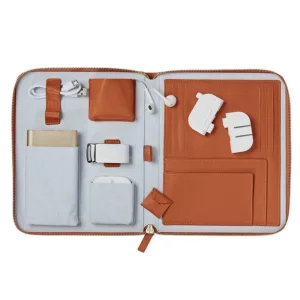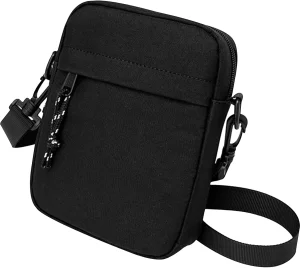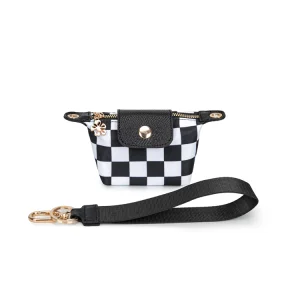

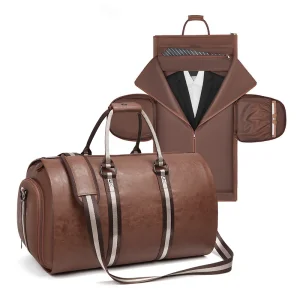
In the hyper-competitive global retail landscape, the travel organizer market has evolved from simple cosmetic pouches into sophisticated travel gear designed for digital nomads, executive business travelers, and outdoor adventurers. Modern consumers require highly structured organization, lightweight durability, and technical integration. As search intent pivots toward highly specialized, functional products, sourcing executives face the critical challenge of identifying suppliers capable of balancing cost-effectiveness, environmental sustainability, and precision craftsmanship.
China remains the undisputed global hub for luggage and travel organizer production. By analyzing regional clusters, modern manufacturing facilities, and consumer demand signals, this report provides a comprehensive blueprint for B2B buyers seeking long-term manufacturing partners in 2025 and 2026.
The manufacturing ecosystem of travel organizers in China is built on decades of supply chain concentration. Leading clusters in Hebei (Baigou), Guangdong (Shiling, Huadu), and Zhejiang (Yiwu) possess an unmatched division of labor. Raw material sourcing, zipper extrusion, custom hardware casting, and specialized textile mills are often located within a 50-kilometer radius.
Particularly, Baigou Town in Hebei Province is widely recognized as the "luggage capital of China." This regional specialization guarantees rapid raw material replenishment, bringing product conceptualization to mass production in record time. Sourcing from a factory integrated into this cluster yields significant competitive advantages:
Hebei Ripped Fashion Co., Ltd. was established in 2009 and is located in Baigou Town, Baoding City, Hebei Province—widely known as the "luggage capital of China." Leveraging its strong local supply chain advantages and mature manufacturing ecosystem, the company has developed into a professional manufacturer specializing in fashion bags and accessories.
Guided by the principles of high-quality products, excellent service, and competitive pricing, Hebei Ripped Fashion Co., Ltd. has built long-term and stable partnerships with overseas retailers, chain stores, and well-known trading companies in China and abroad. Its products are widely distributed across global markets and are well received by customers for their reliability and style.
The company occupies a total area of approximately 3,000 square meters, including a 2,000-square-meter production workshop. With a skilled workforce of more than 300 experienced employees, the company maintains strong production capacity and strict quality control throughout the manufacturing process.
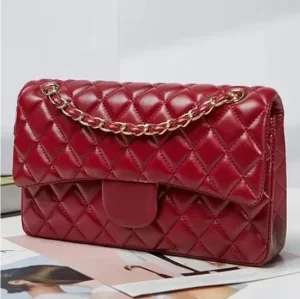
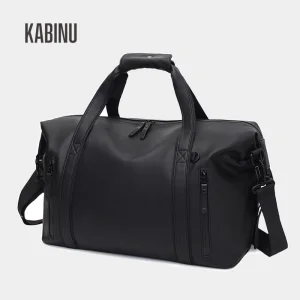
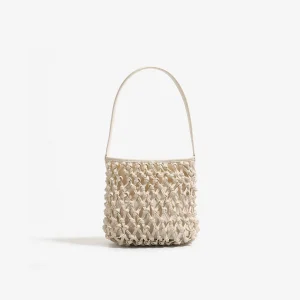
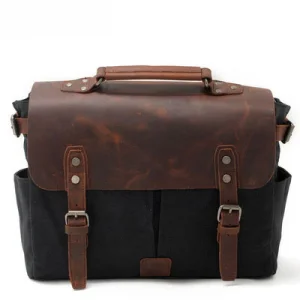
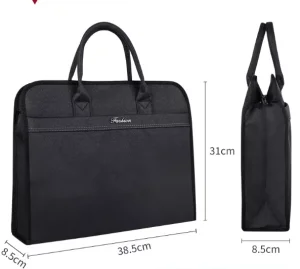
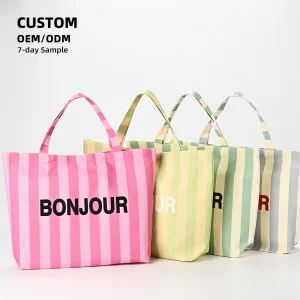
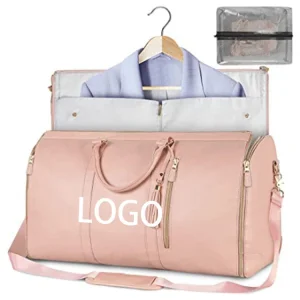
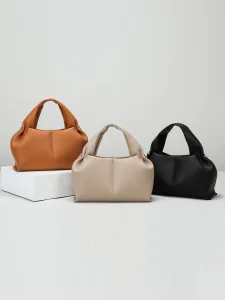
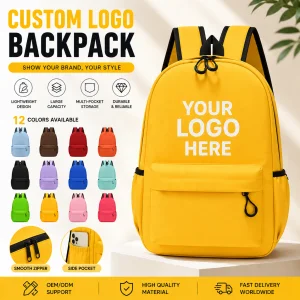
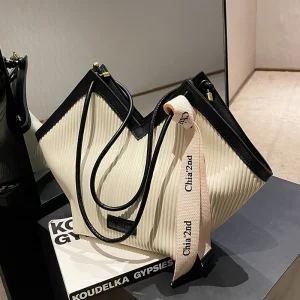
Its main product categories include handbags, backpacks, waist bags, tote bags, and shopper bags. The company also provides comprehensive OEM and ODM services, offering flexible customization solutions based on client requirements, including design development, material selection, logo branding, and packaging.
With over 20 years of combined industry experience in bag manufacturing, Hebei Ripped Fashion Co., Ltd. continuously updates its product designs to follow global fashion trends while ensuring durability and practical functionality. Fast delivery, fine craftsmanship, and consistent quality are the company’s core strengths, enabling it to maintain a strong reputation in international markets.
Looking ahead, the company is committed to further expanding its global presence, enhancing product innovation, and delivering more sustainable, stylish, and cost-effective fashion bag solutions to customers worldwide.
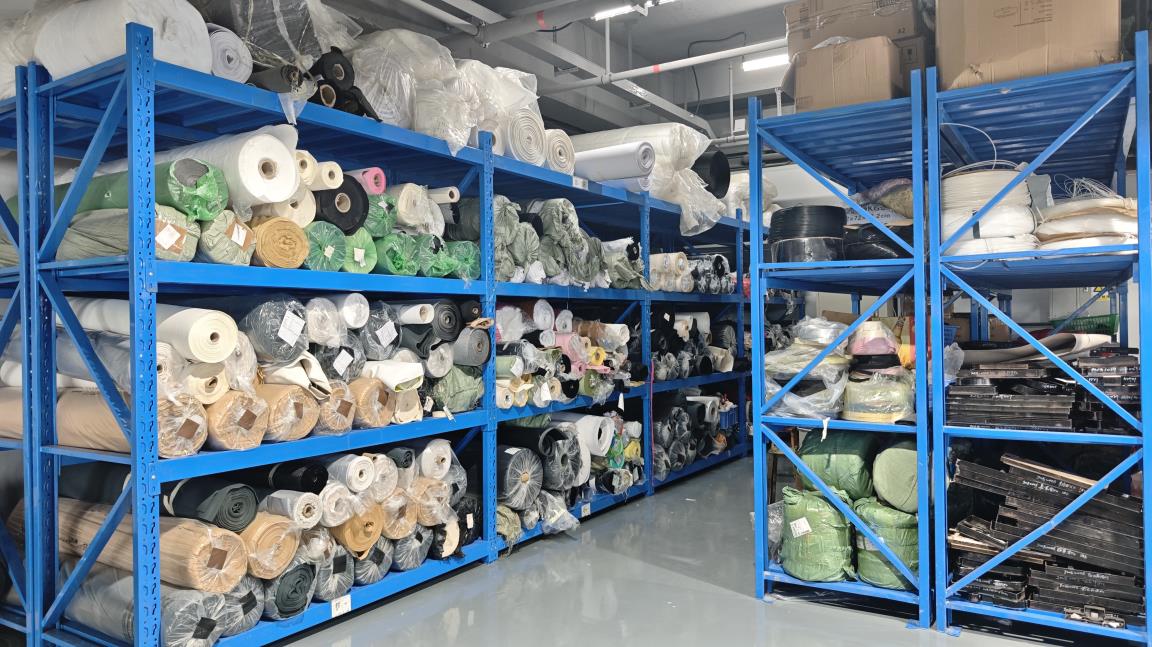
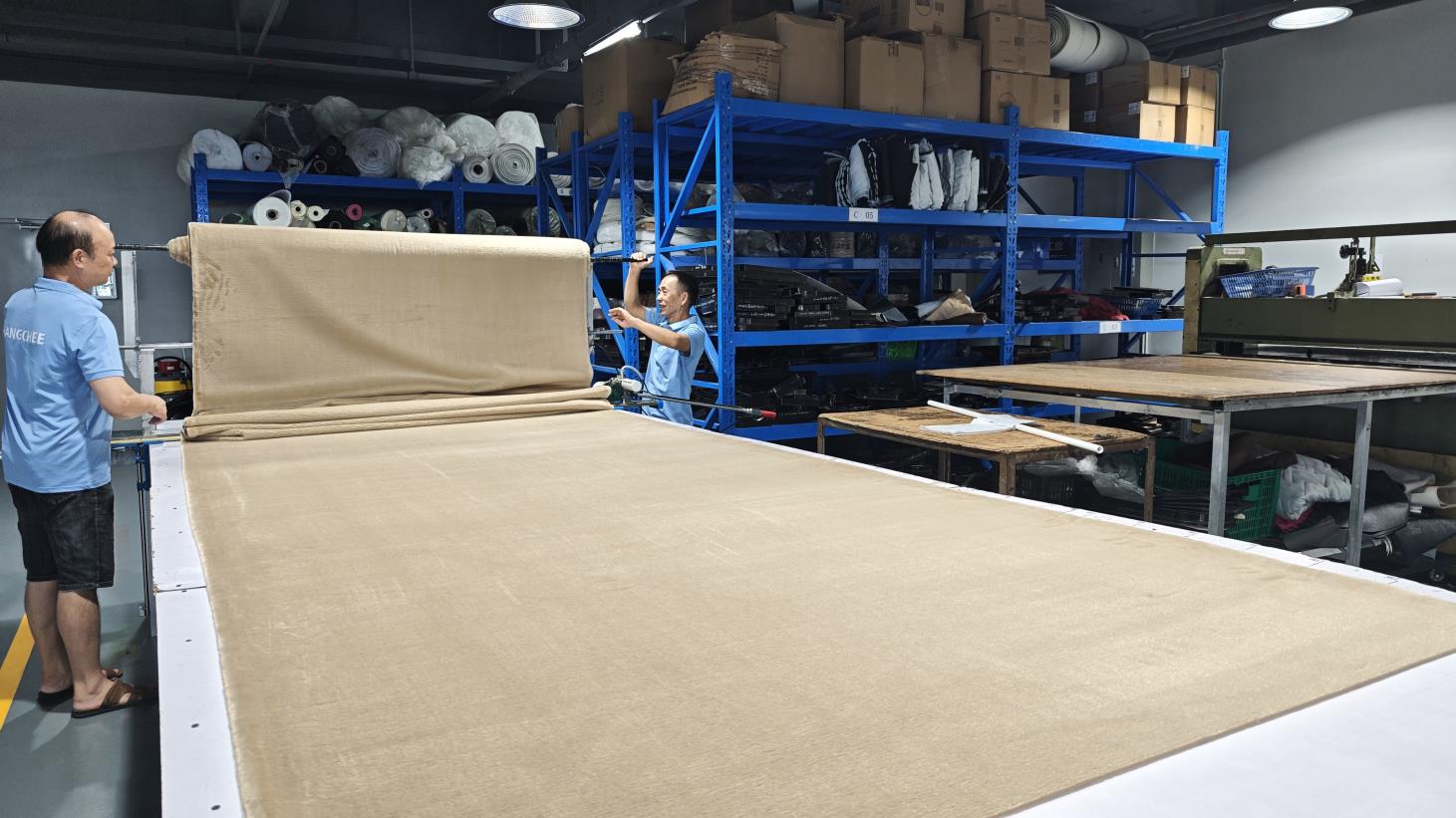
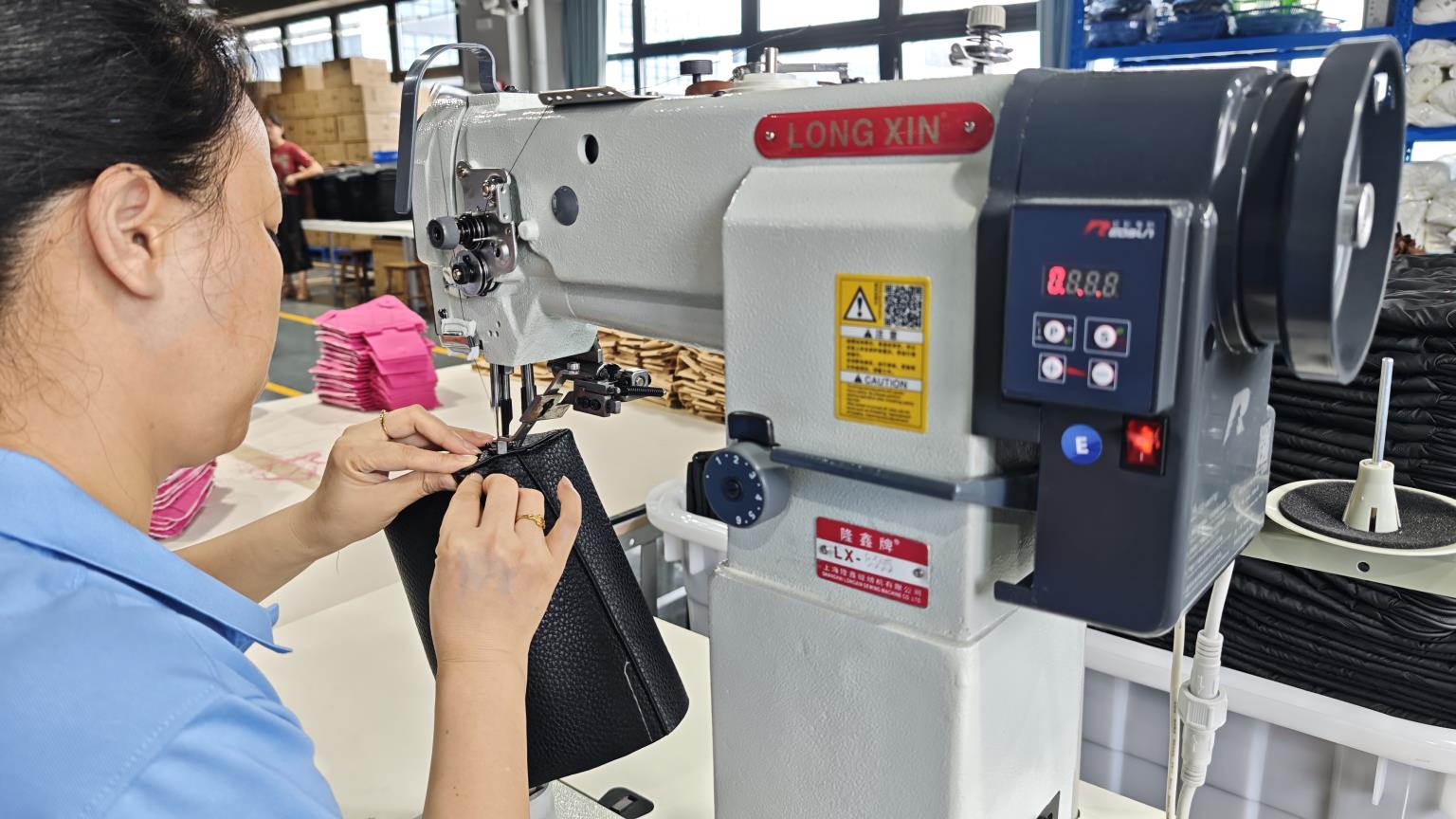
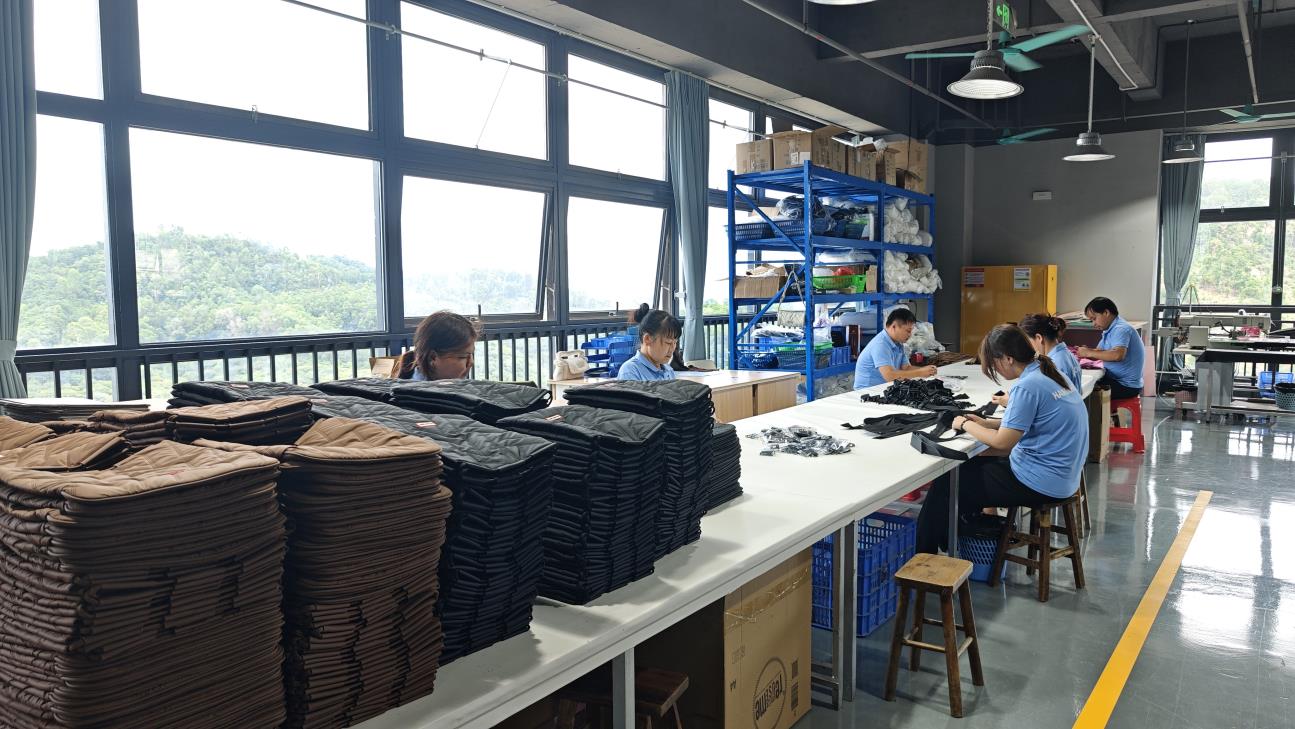
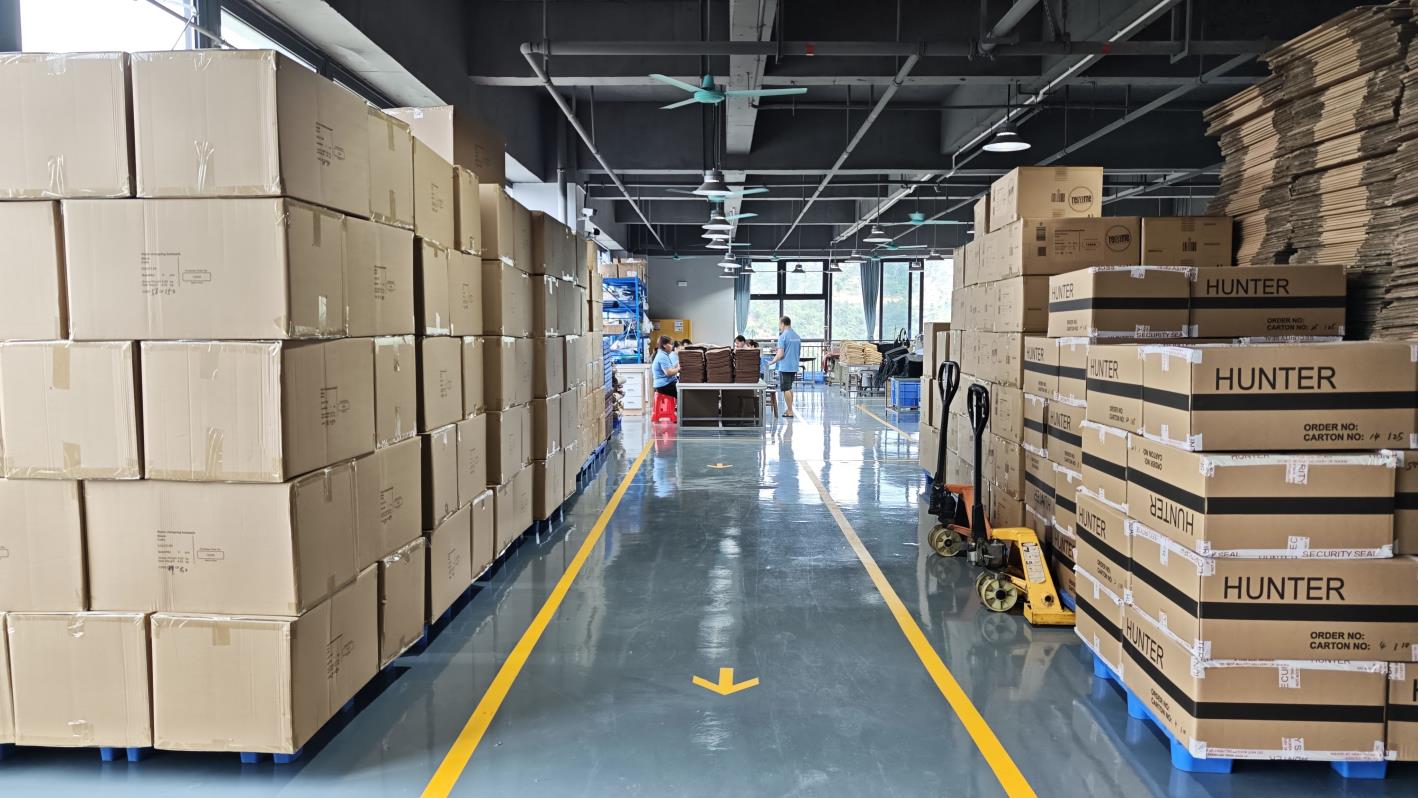
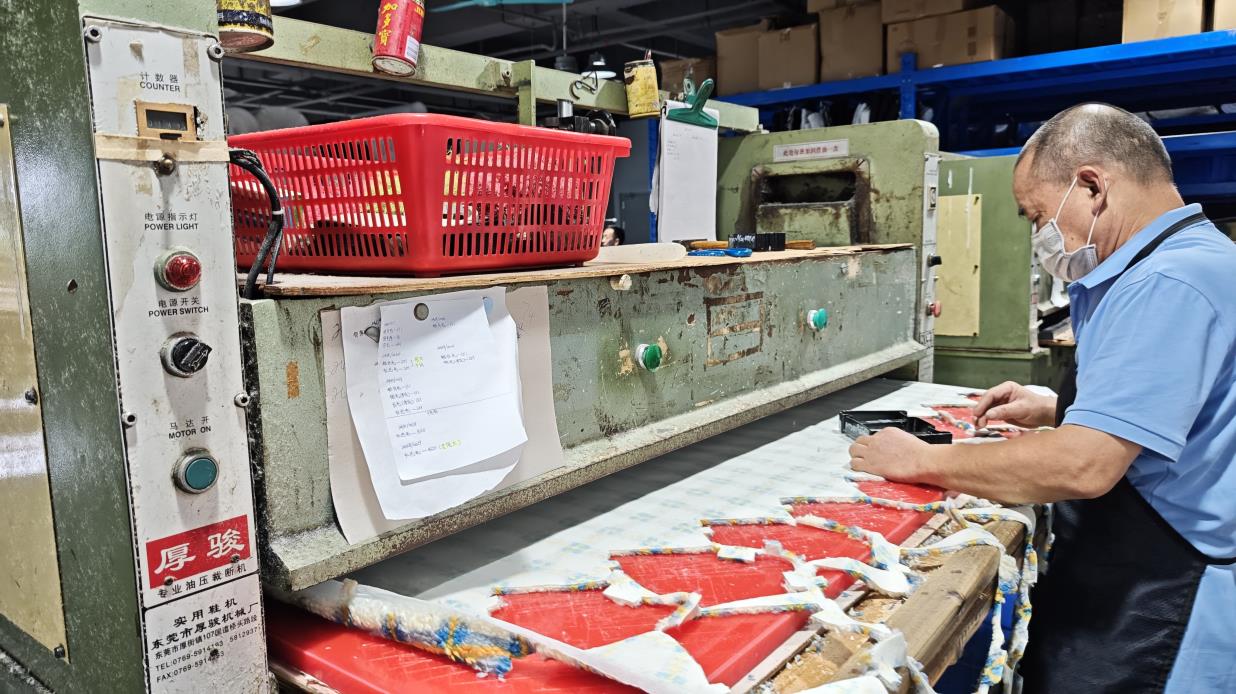
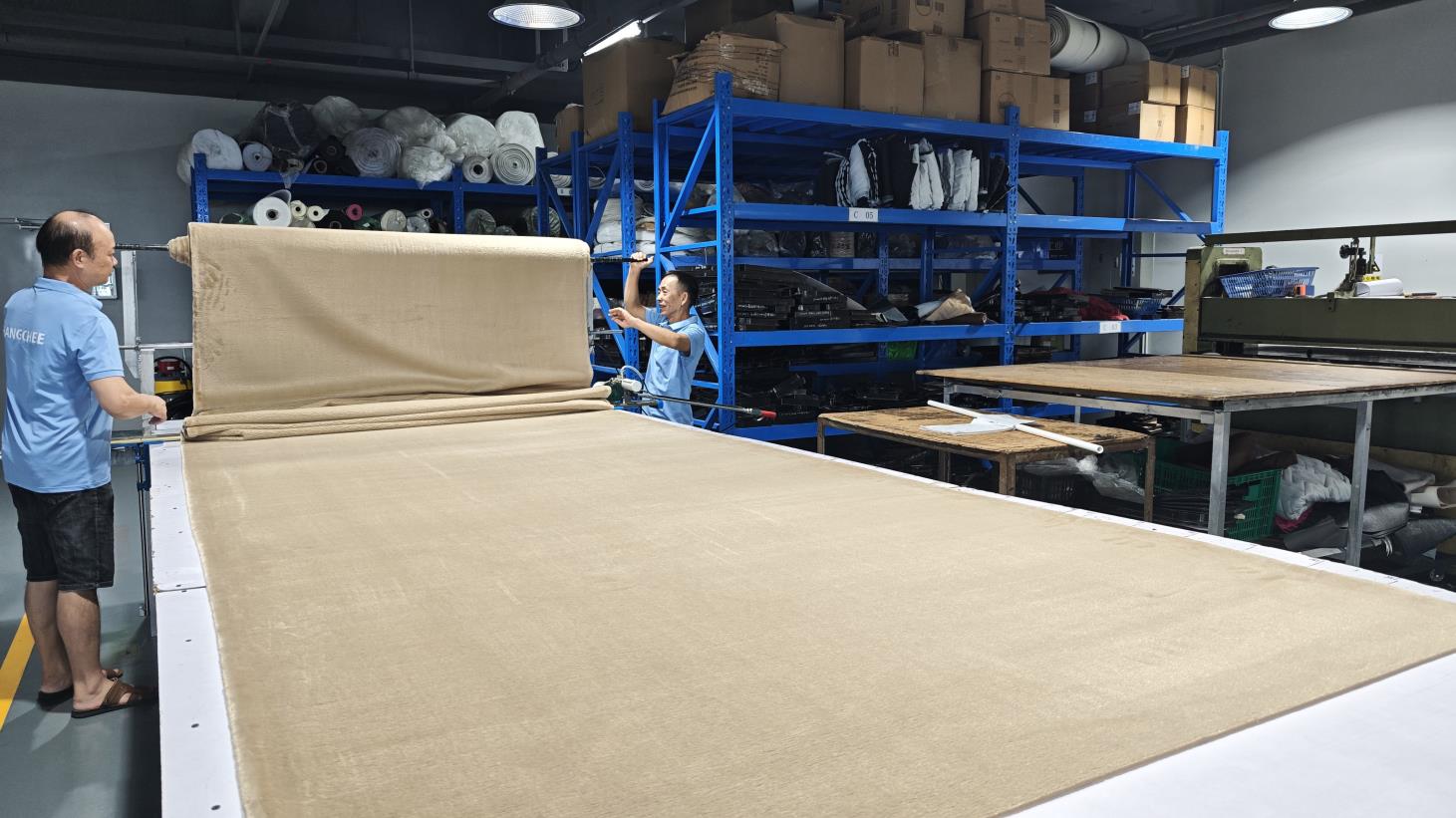
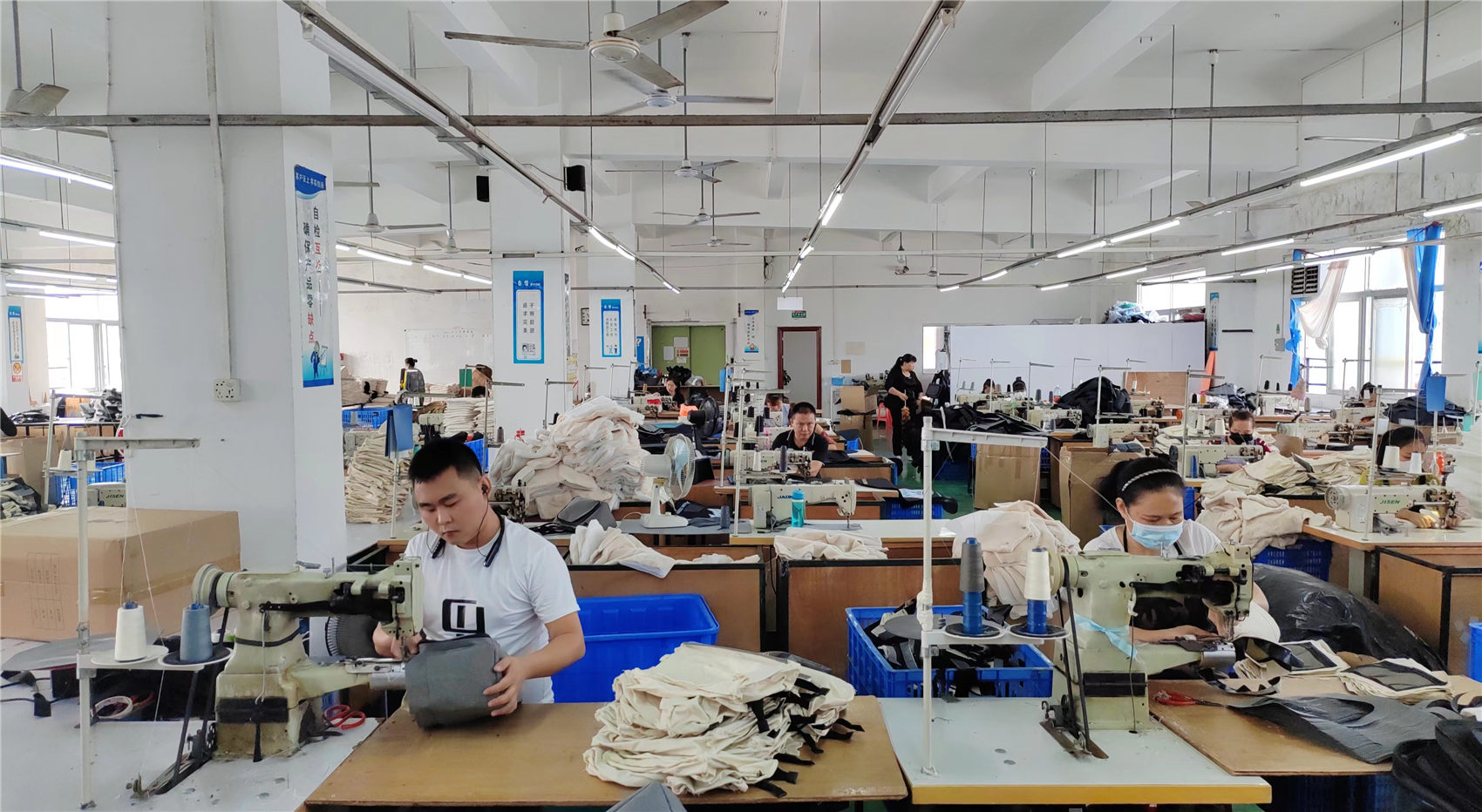
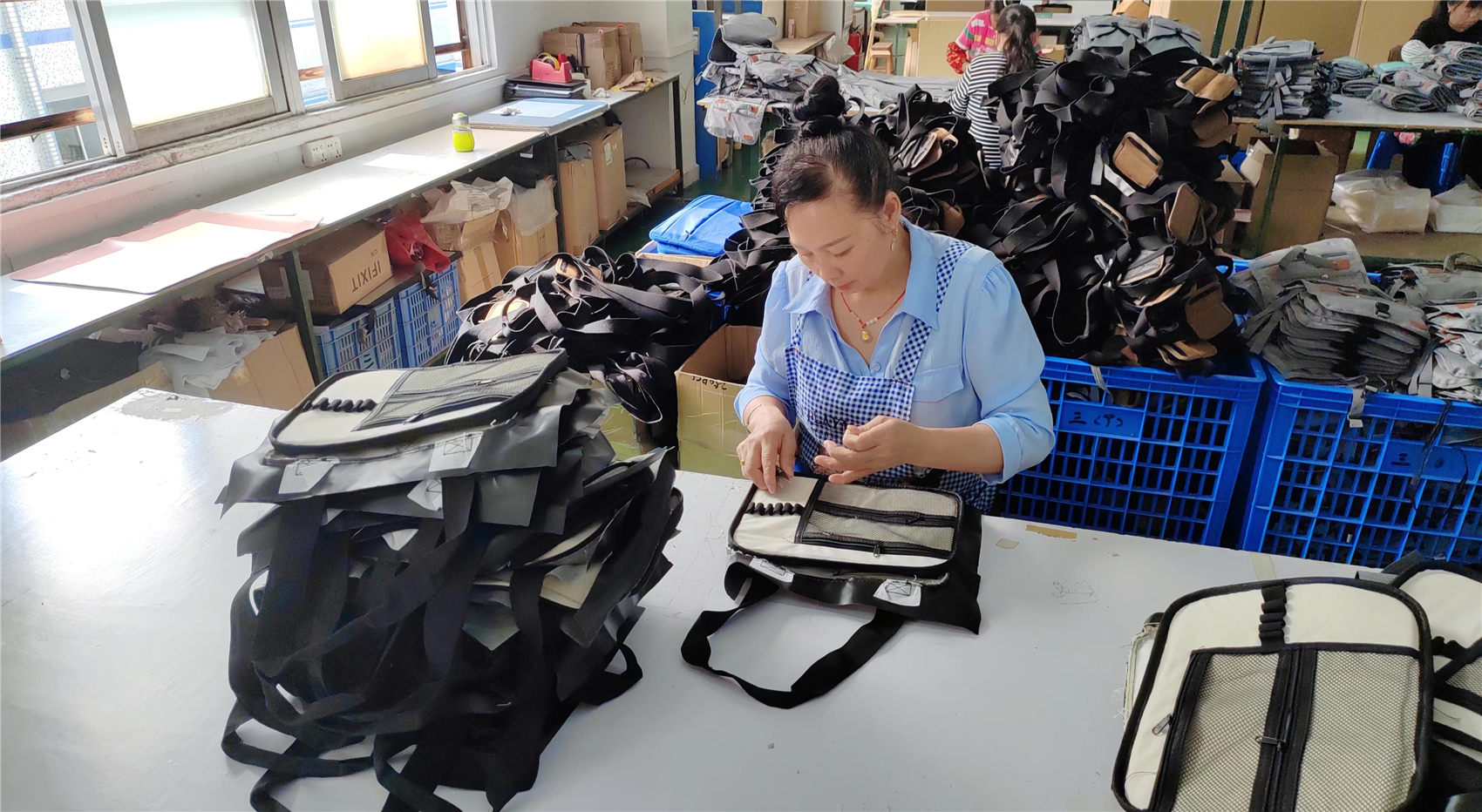
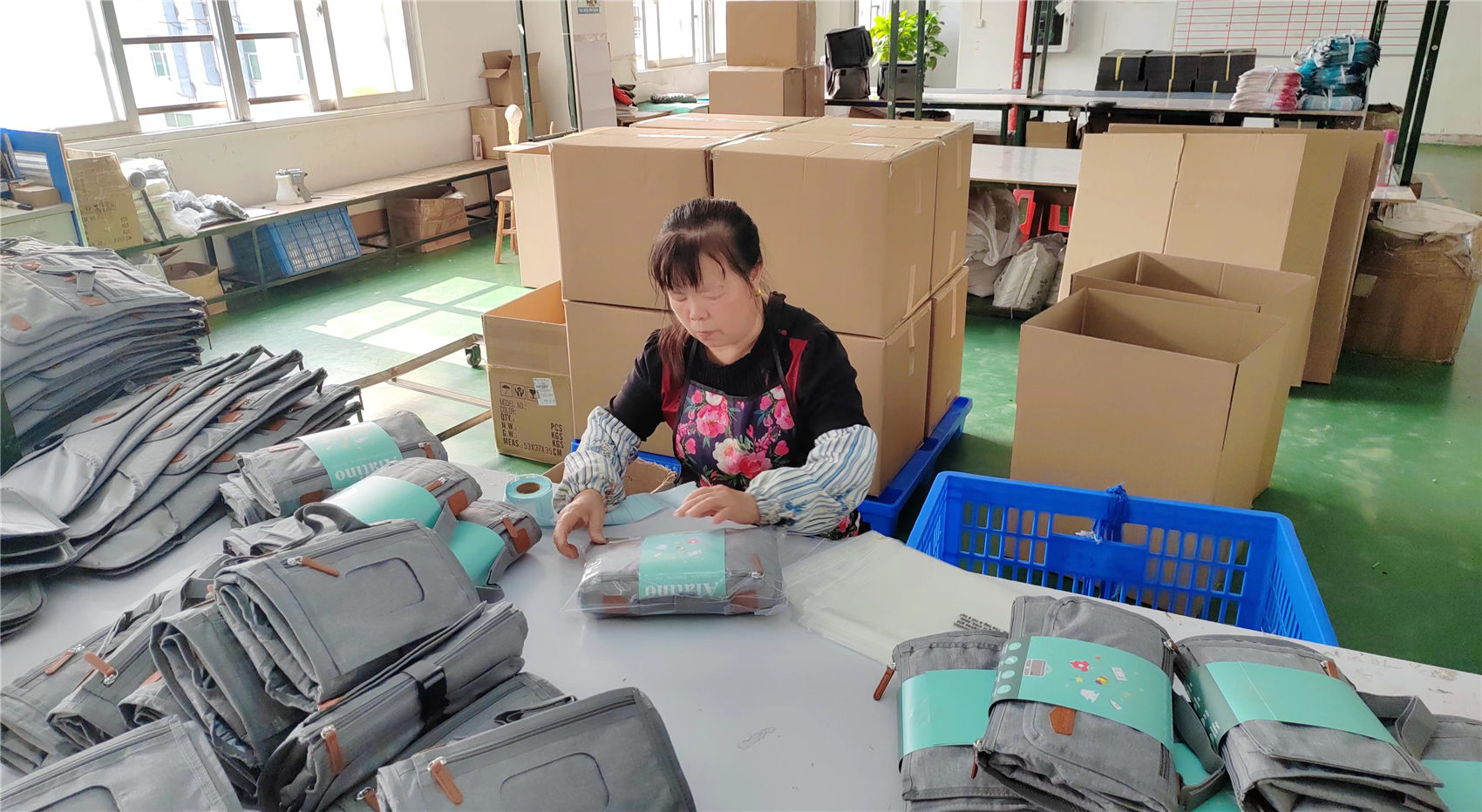
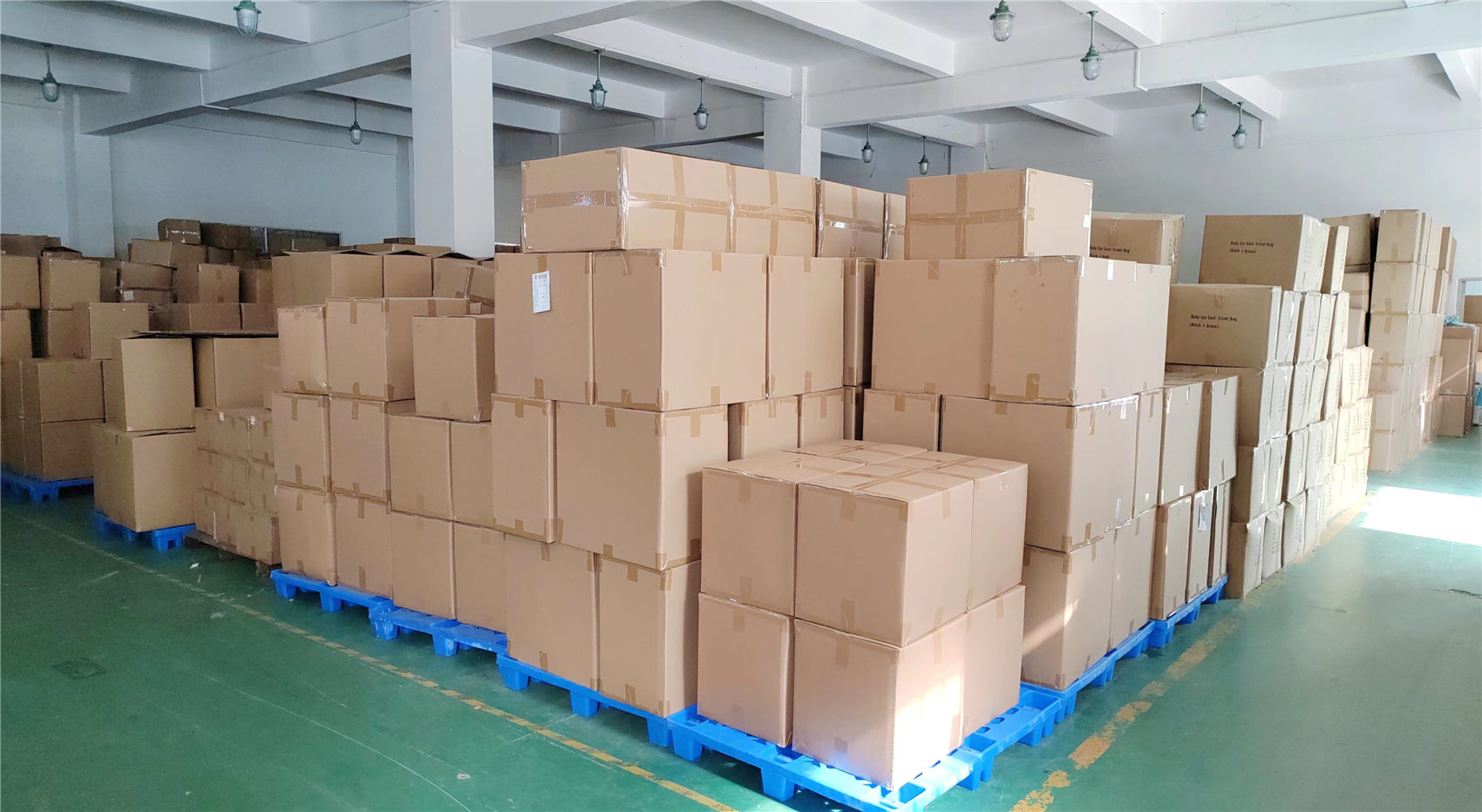
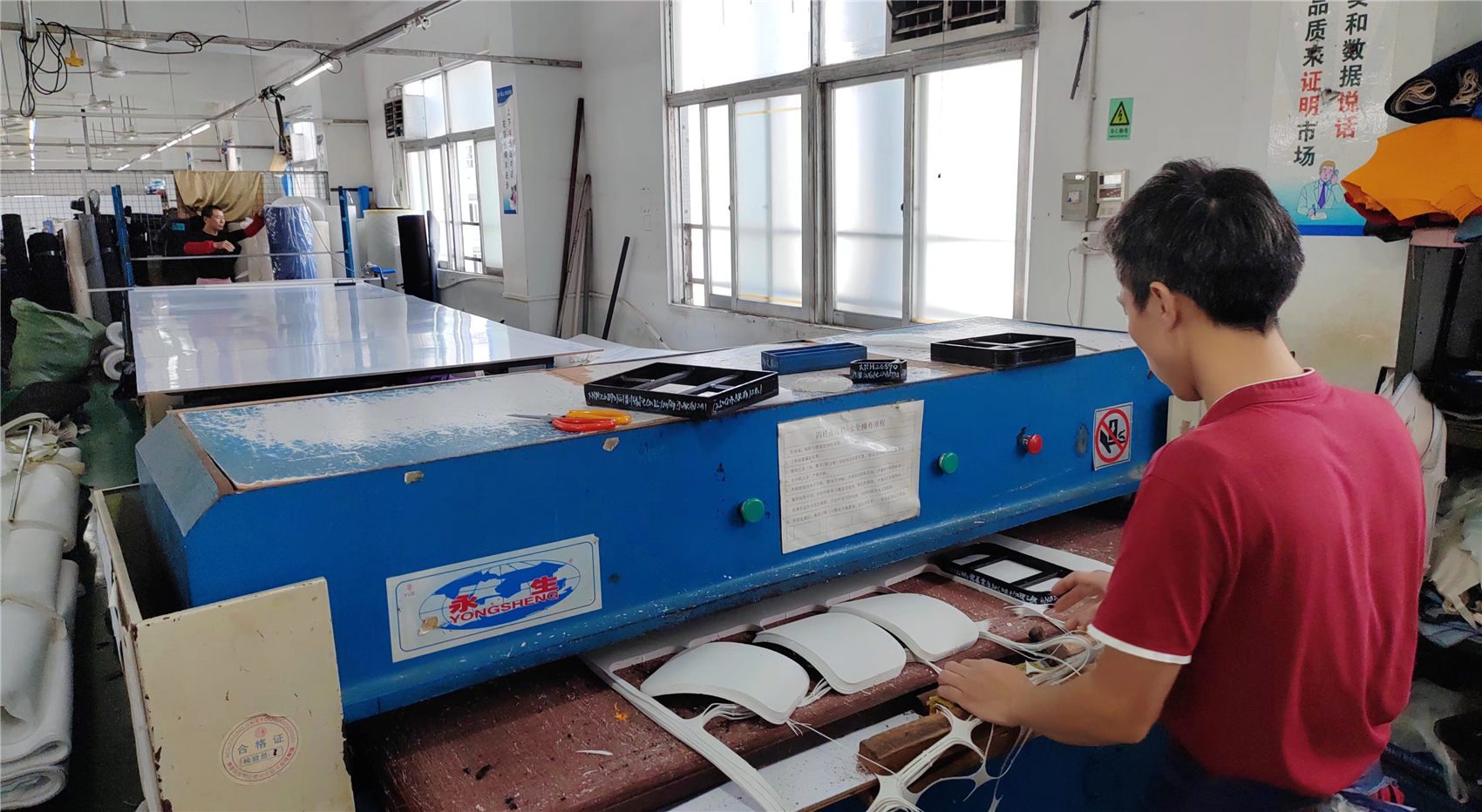
The travel organizer sector is experiencing significant technical innovation. No longer restricted to storing garments, organizers are now required to manage sensitive electronics, protect digital credentials, and withstand harsh weather conditions. We track three primary growth trends that shape current product procurement:
Global brands are shifting focus toward Recycled Polyethylene Terephthalate (rPET), organic cotton, and biodegradable fabrics. OEM factories must offer Global Recycled Standard (GRS) certifications to comply with European and North American retail requirements.
Corporate and business travel briefcases increasingly integrate RFID-blocking fabric layers within document pockets to protect passports, credit cards, and corporate IDs from remote digital scanning thefts.
Using TPU (Thermoplastic Polyurethane) coatings, high-density nylon ripstop, and hot-pressing seamless welding technology ensures that travel pouches remain highly waterproof, lightweight, and long-lasting.
By leveraging modern production equipment, such as computerized cutting machines and laser-guided stitching tools, factories can implement complex internal organizational panels, modular dividers, and magnetic buckles to meet these evolving criteria.
Different market sectors require specialized travel storage solutions. B2B buyers must align their sourcing strategy with their target demographic's specific use cases:
To ensure supply chain resilience, B2B procurement managers must apply a systematic evaluation checklist during vendor vetting:
 Ripped Fashion