Understanding how shifting consumer expectations, strict sustainability thresholds, and digital integrations are shaping modern B2B makeup bag procurement.
Modern consumers demand more than raw space. Enterprise cosmetic lines require materials featuring advanced antimicrobial properties, self-cleaning coatings, and high-performance, water-resistant zippers. Moving beyond basic PU leather, premium manufacturers are designing products using recycled PET fabrics, sustainable cactus leather, and biodegradable thermoplastic polyurethane (TPU).
The interior architecture of makeup storage has transitioned into customized compartment configurations. Modular magnetic separators, detachable beauty brush wraps, and integrated LED mirrors with rechargeable lithium-ion battery blocks are standard requests for top cosmetics portfolios.
B2B supply chain integrity hinges on precision visibility. Exporters that utilize advanced ERP tracking systems and provide comprehensive trade documentation minimize international customs hold-ups, ensuring predictable retail stock cycles and product launch readiness.
B2B procurement agents select manufacturers based on objective metrics. Our evaluation process ranks international suppliers according to the following critical parameters:
Selecting a global exporter requires balancing cost containment with high manufacturing standards. A premier supplier must maintain robust internal quality assurance processes alongside high-speed production capability. Key performance indicators for our top 10 list include:
"The shift towards omni-channel retail means manufacturers must offer hybrid customization. Brands require rapid prototype turnarounds and low minimum order quantities (MOQs) for online-exclusive trial runs, alongside scalable production runs for traditional brick-and-mortar rollouts."
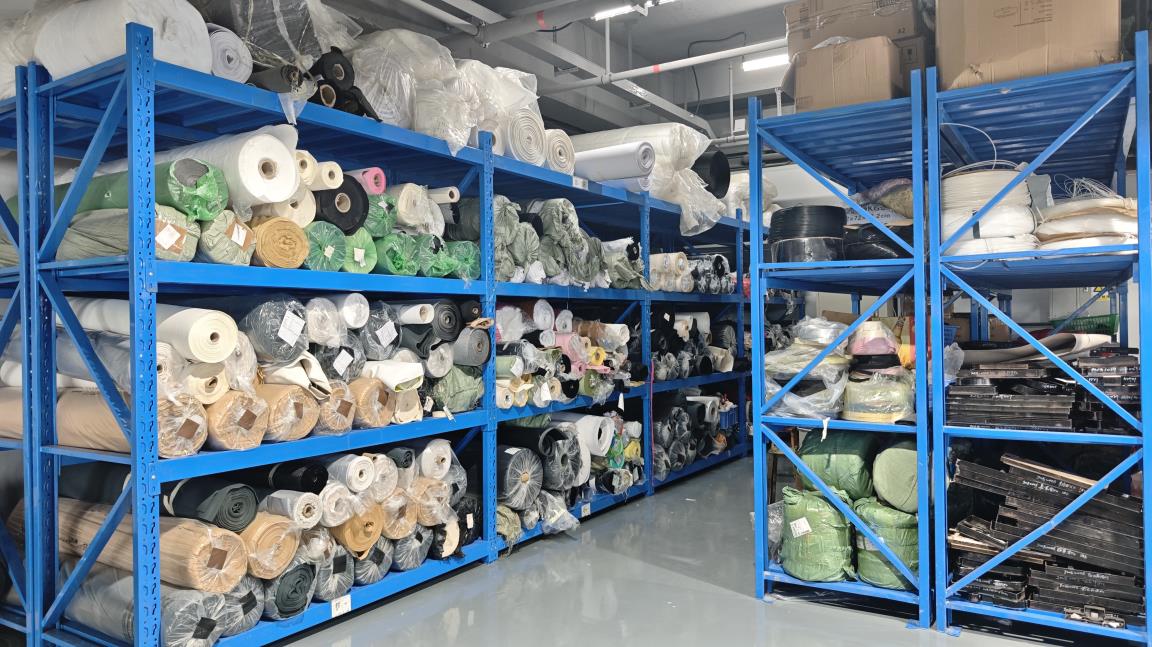
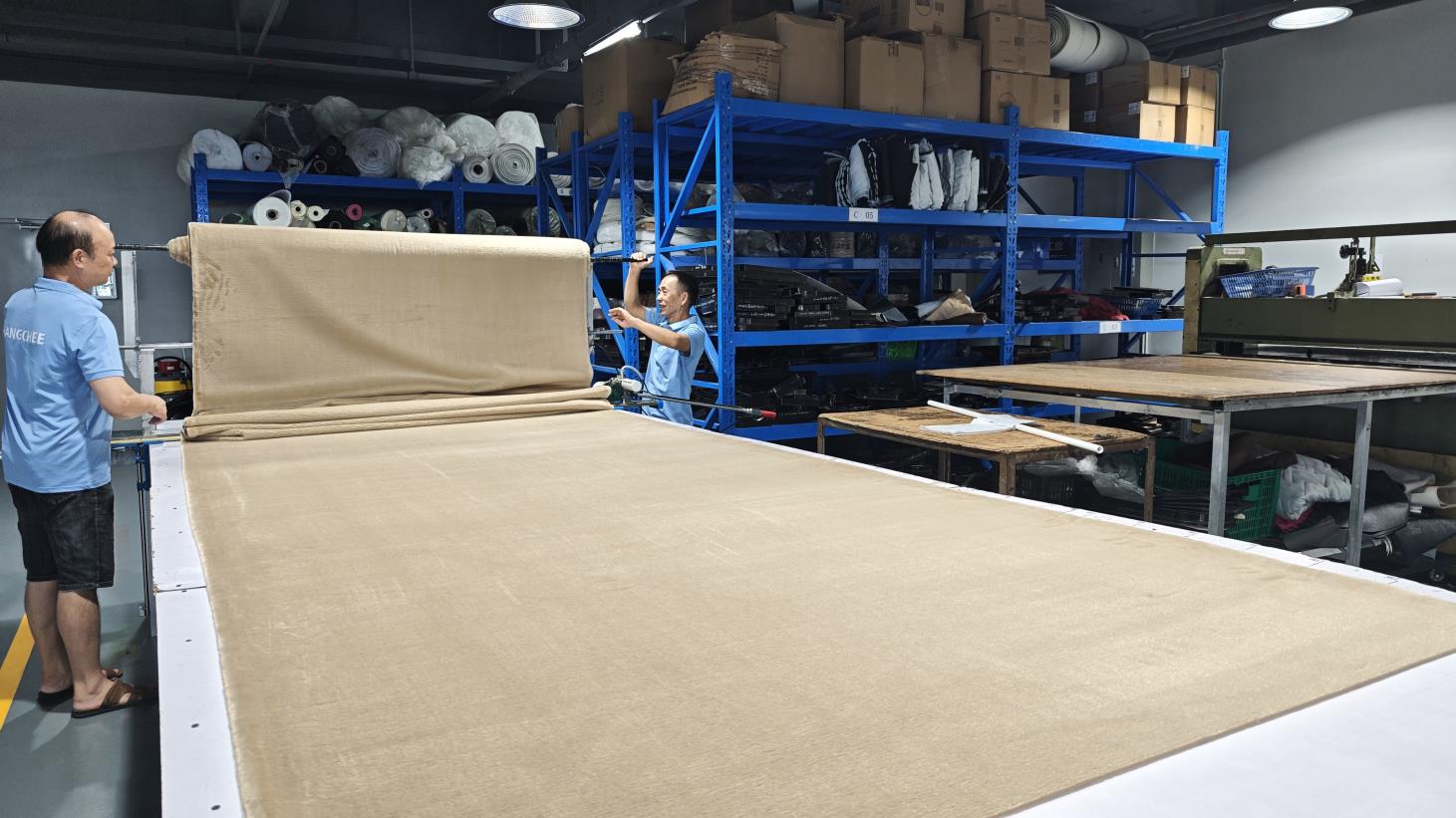
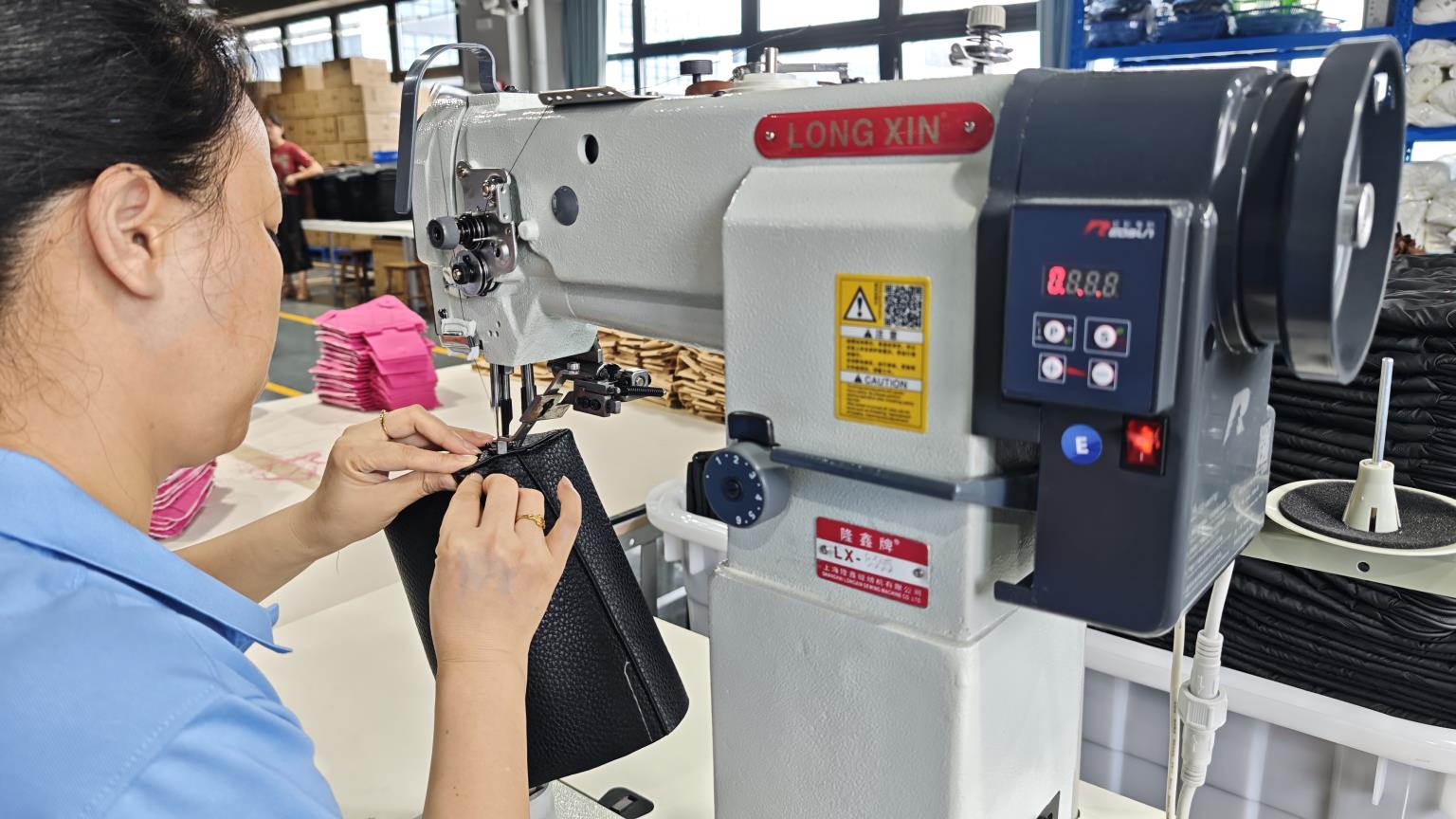
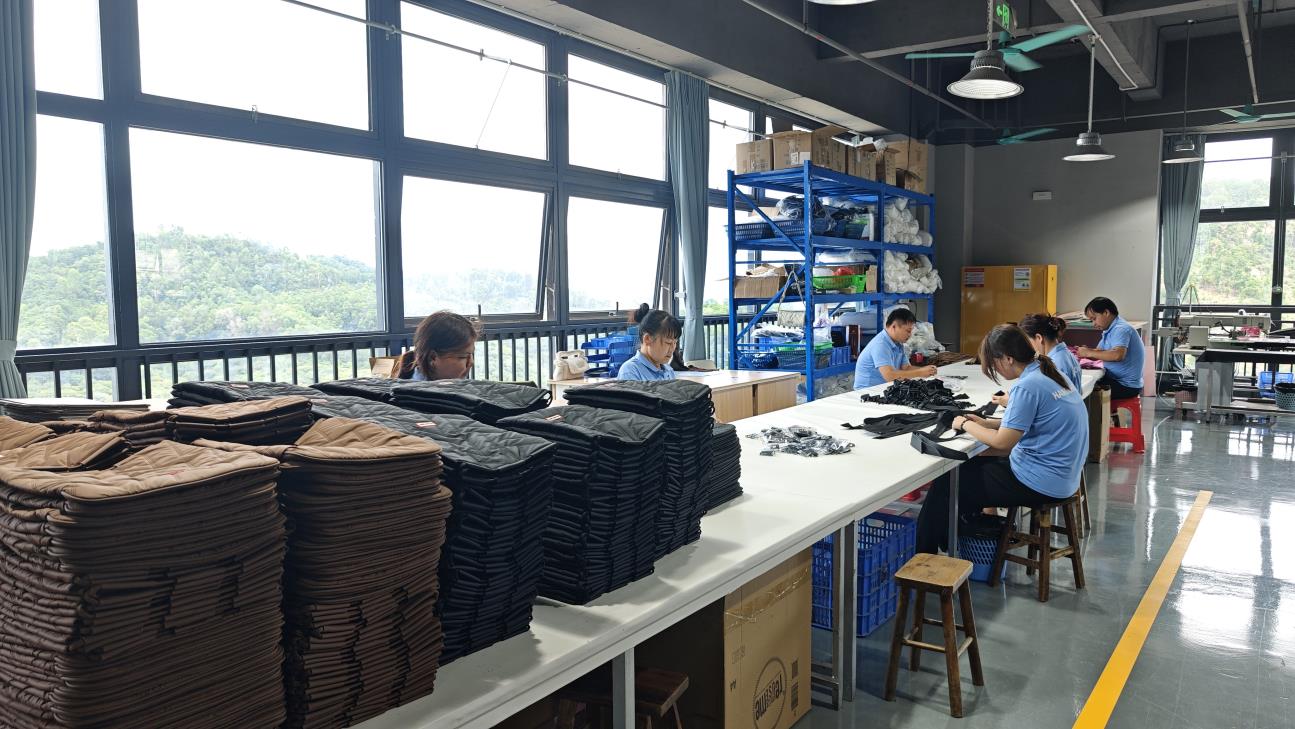
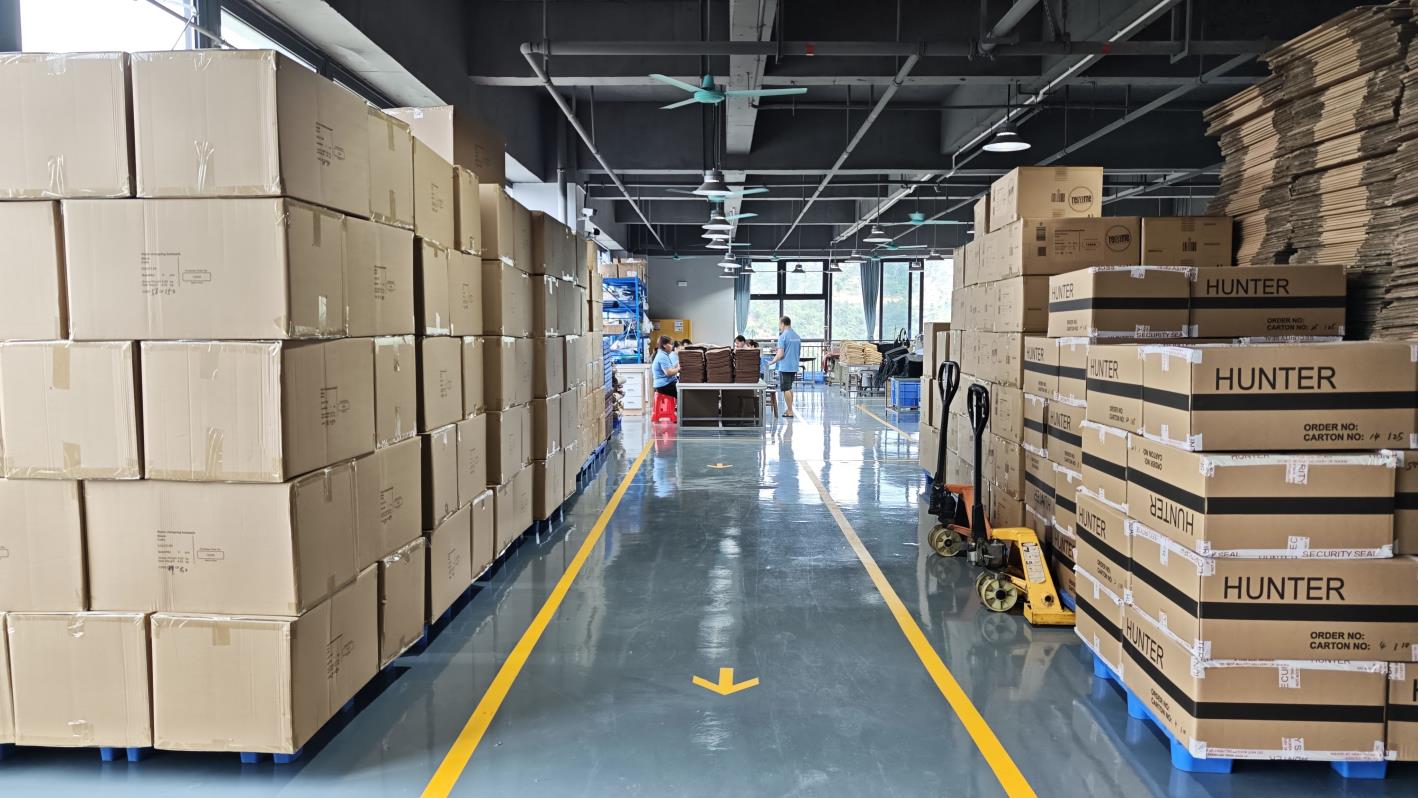
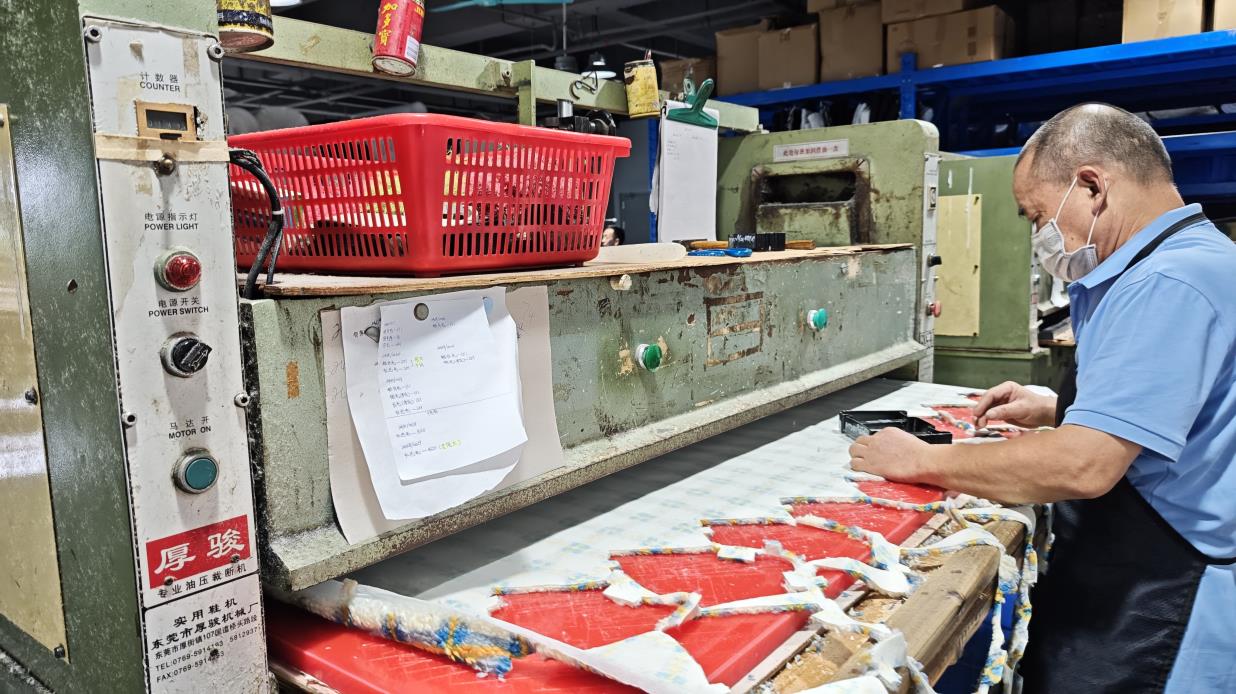
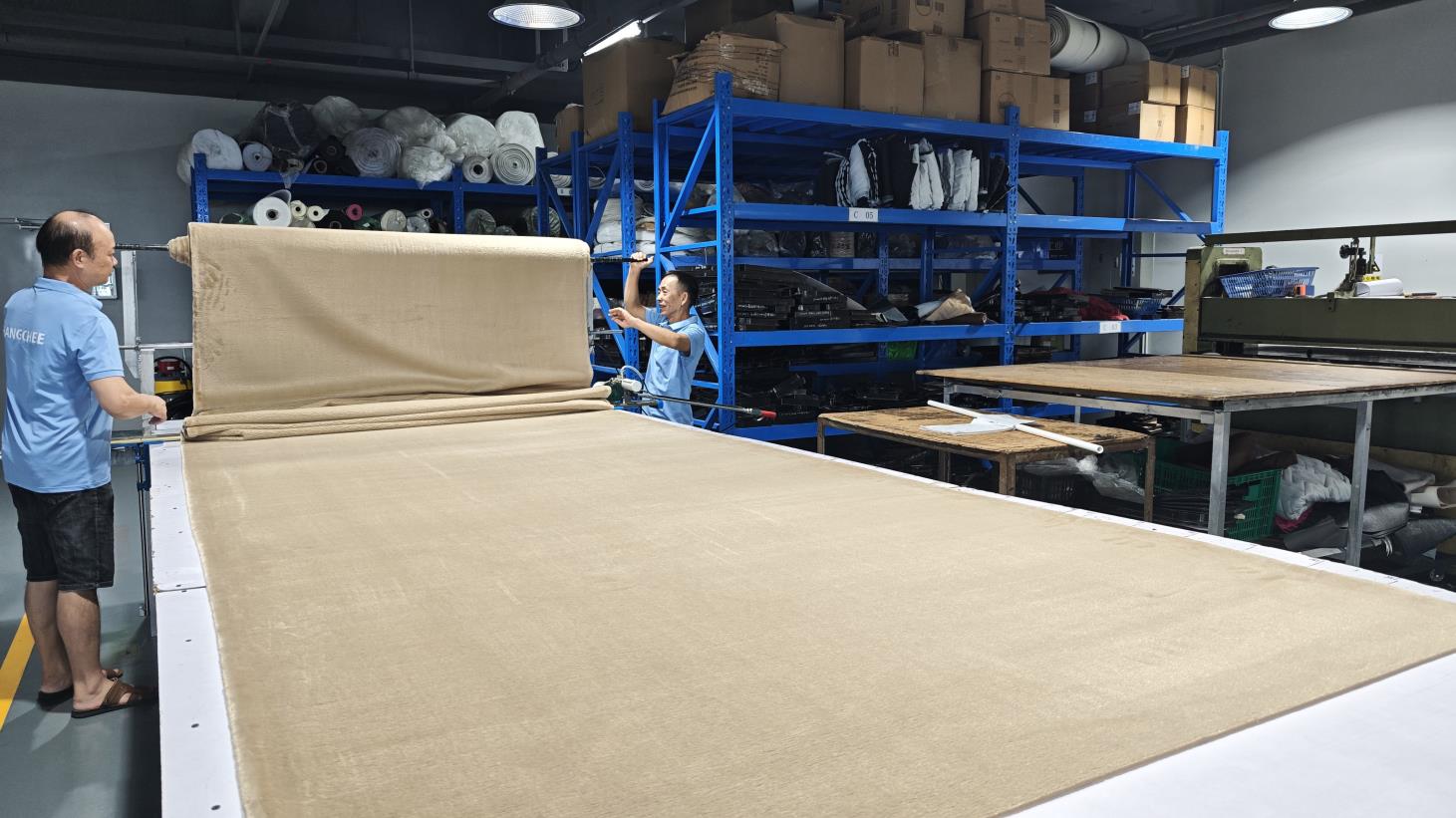
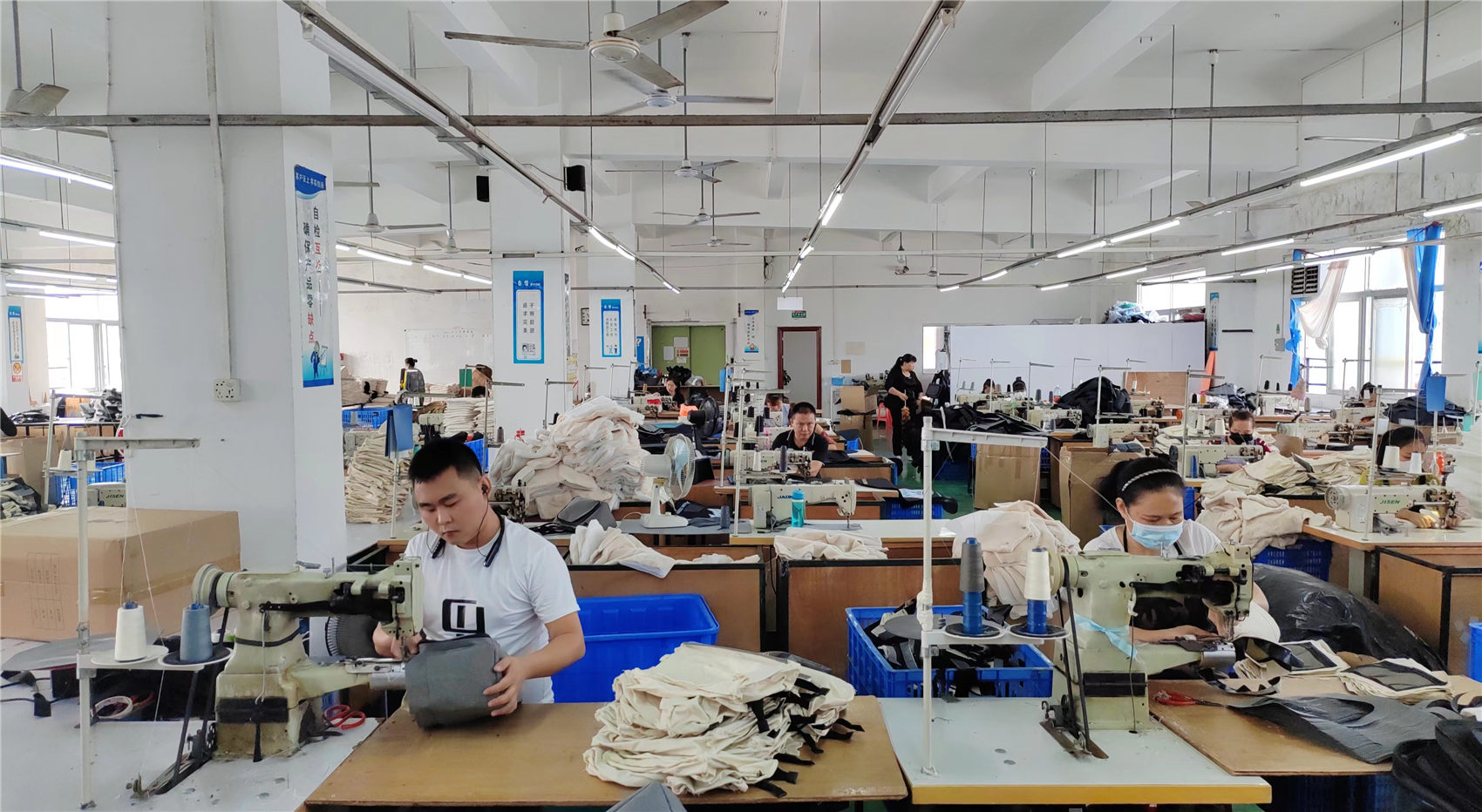
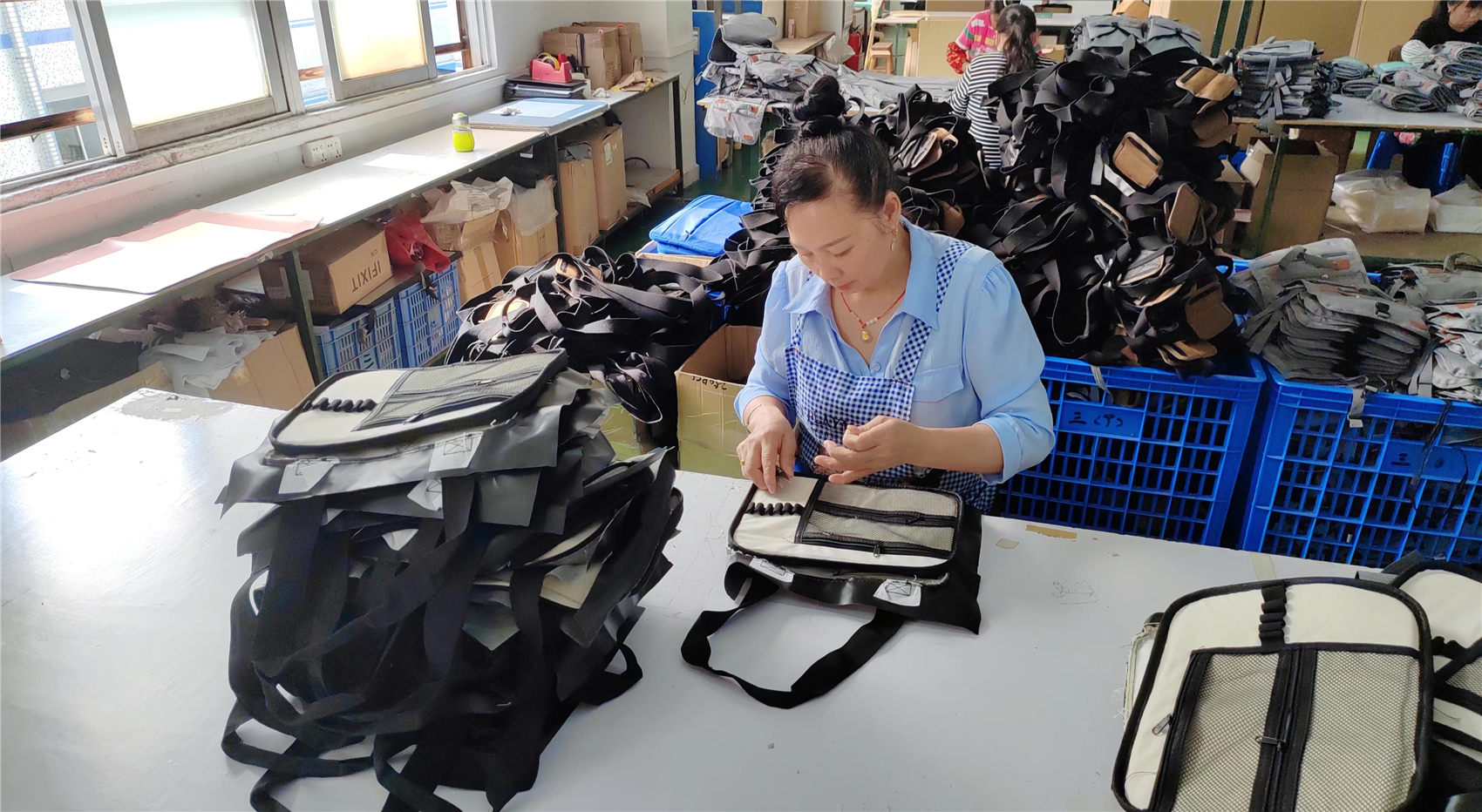
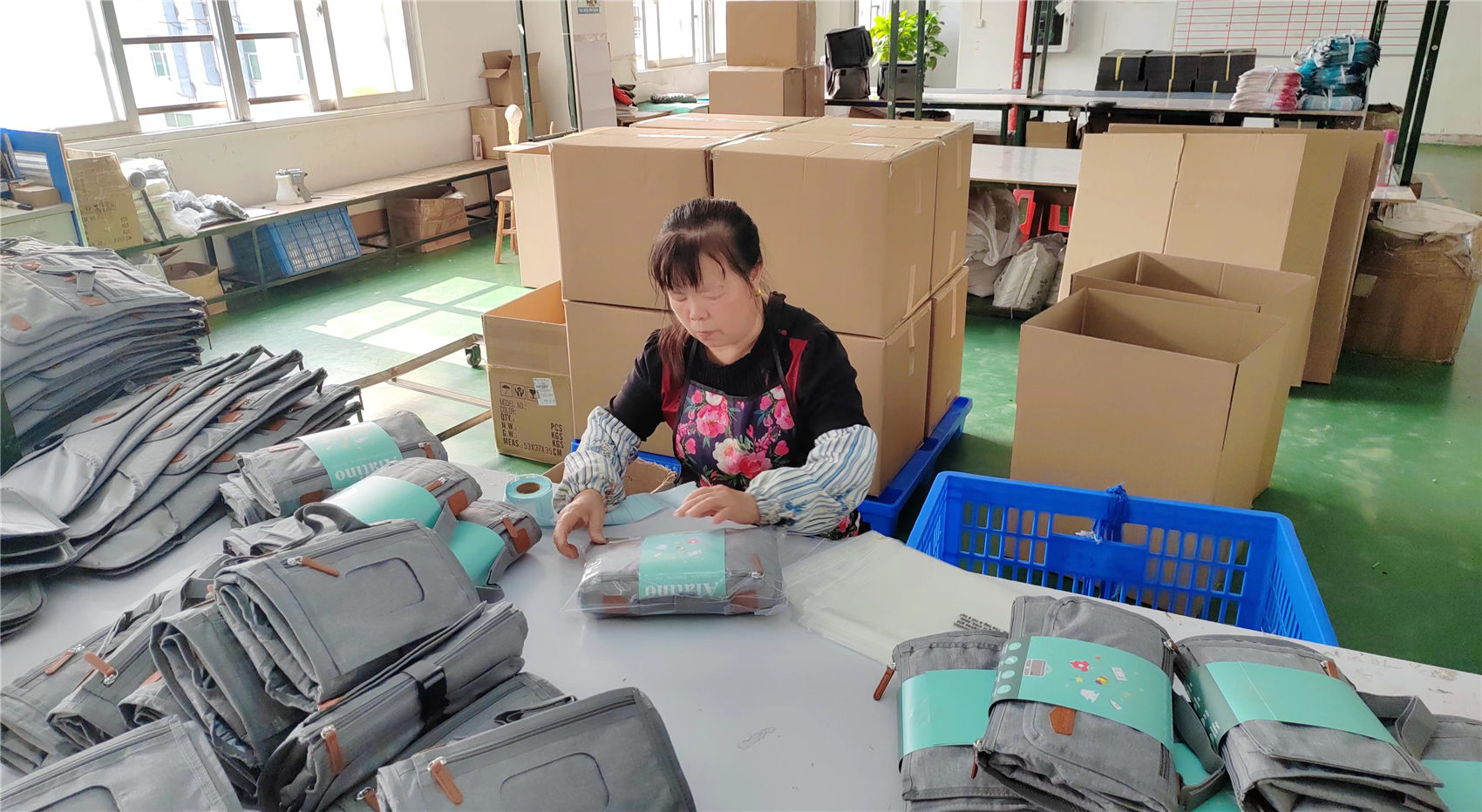
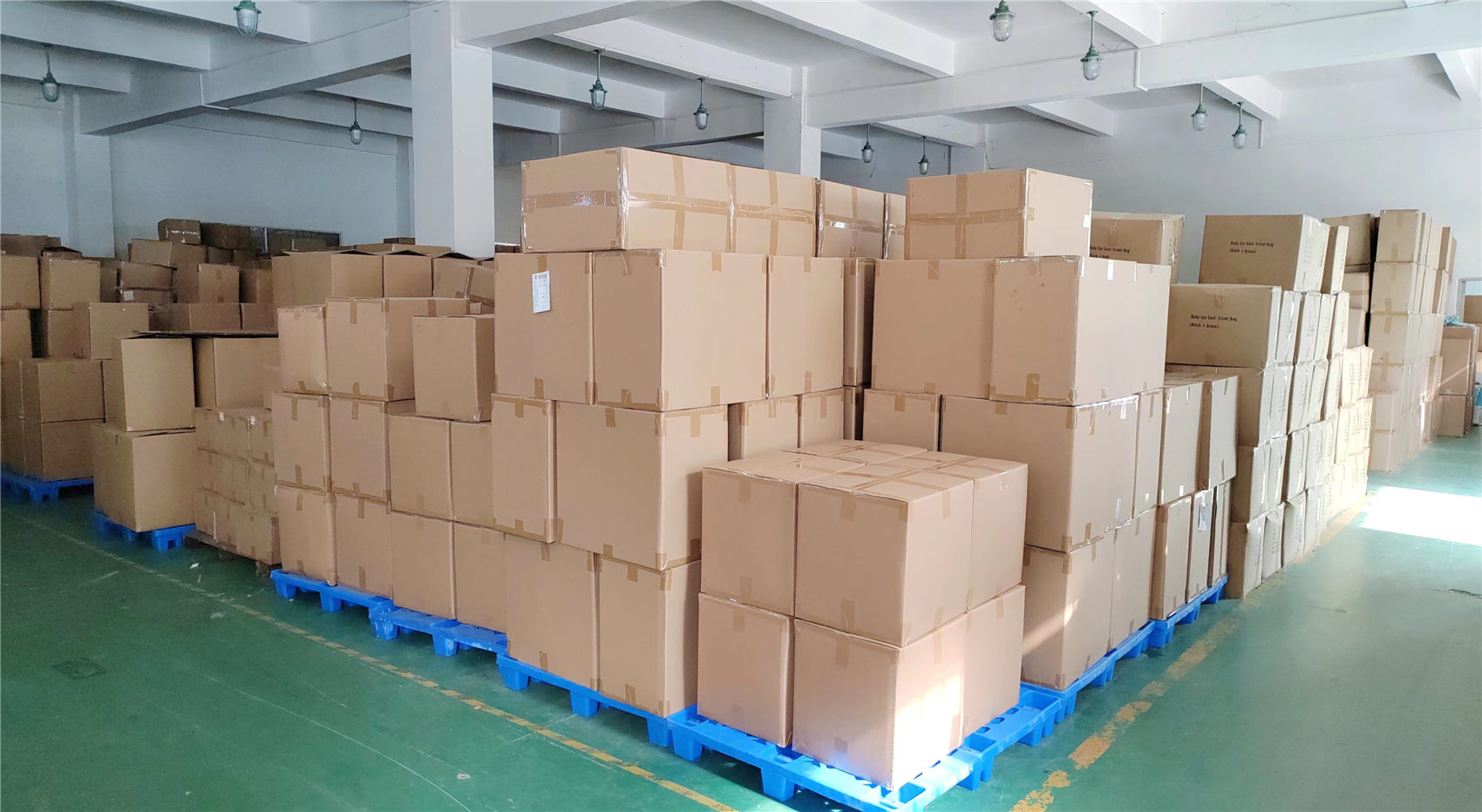
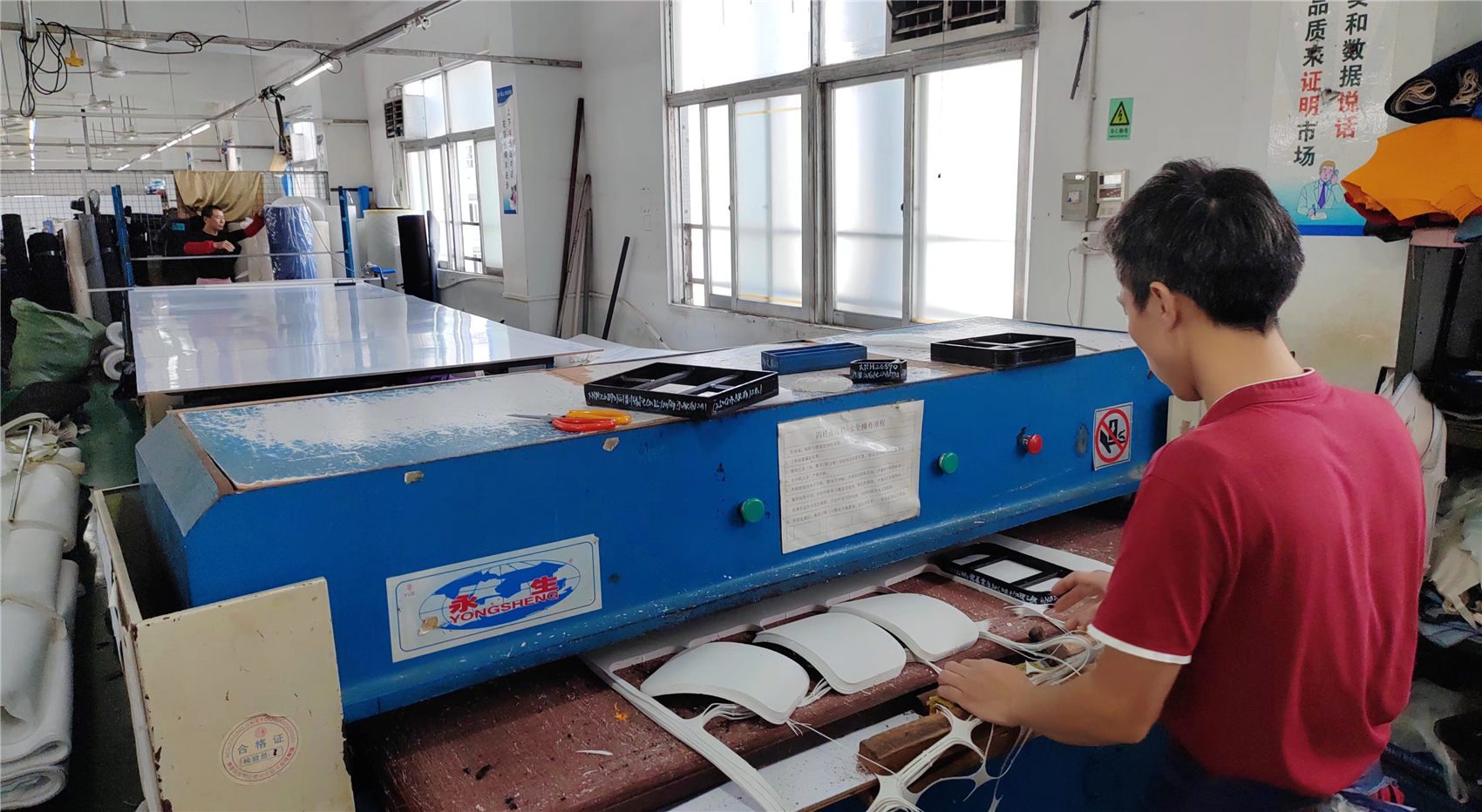
An inside look at Hebei Ripped Fashion Co., Ltd., illustrating China's manufacturing ecosystem and end-to-end production workflow.
Hebei Ripped Fashion Co., Ltd. was established in 2009 and is located in Baigou Town, Baoding City, Hebei Province—widely known as the “luggage capital of China.” Leveraging its strong local supply chain advantages and mature manufacturing ecosystem, the company has developed into a professional manufacturer specializing in fashion bags and accessories.
Guided by the principles of high-quality products, excellent service, and competitive pricing, Hebei Ripped Fashion Co., Ltd. has built long-term and stable partnerships with overseas retailers, chain stores, and well-known trading companies in China and abroad. Its products are widely distributed across global markets and are well received by customers for their reliability and style.
The company occupies a total area of approximately 3,000 square meters, including a 2,000-square-meter production workshop. With a skilled workforce of more than 300 experienced employees, the company maintains strong production capacity and strict quality control throughout the manufacturing process.
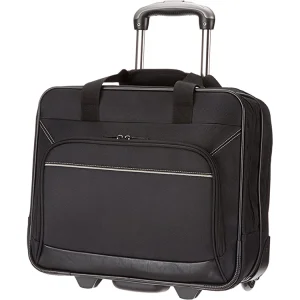
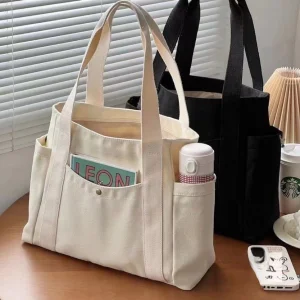
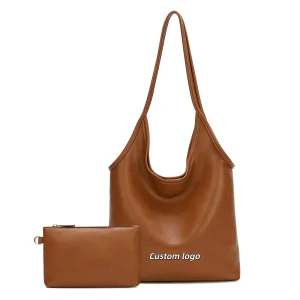
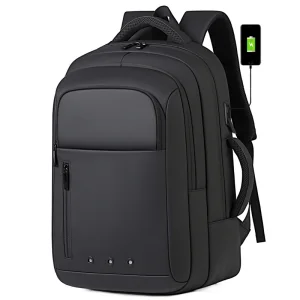
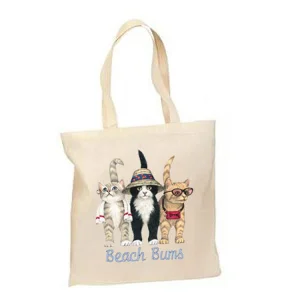
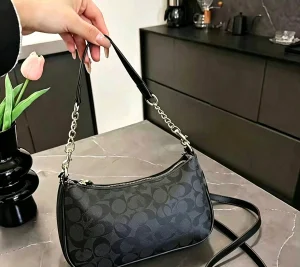
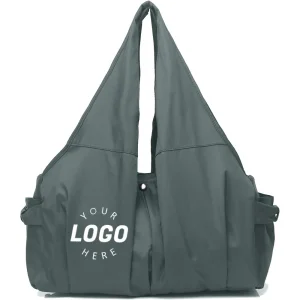
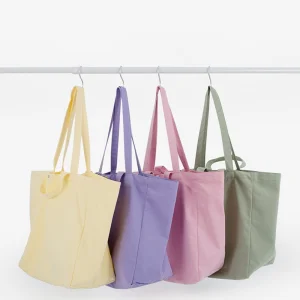
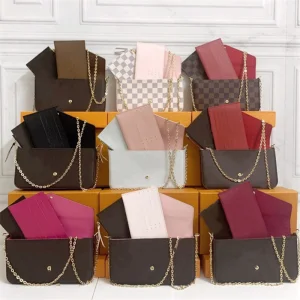
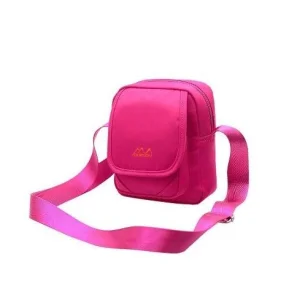
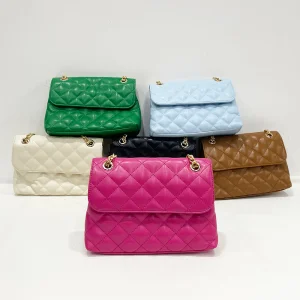
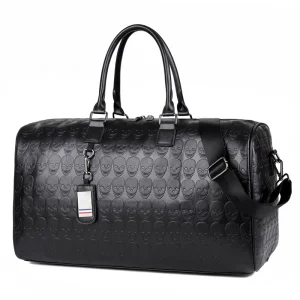
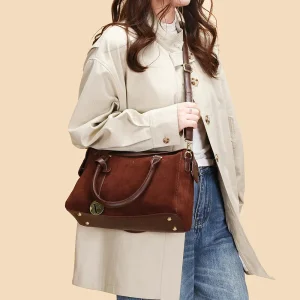
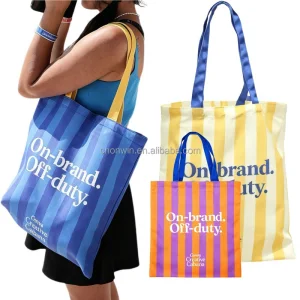
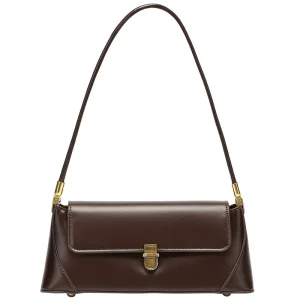
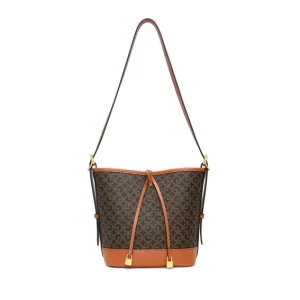
Its main product categories include handbags, backpacks, waist bags, tote bags, and shopper bags. The company also provides comprehensive OEM and ODM services, offering flexible customization solutions based on client requirements, including design development, material selection, logo branding, and packaging.
With over 20 years of combined industry experience in bag manufacturing, Hebei Ripped Fashion Co., Ltd. continuously updates its product designs to follow global fashion trends while ensuring durability and practical functionality. Fast delivery, fine craftsmanship, and consistent quality are the company’s core strengths, enabling it to maintain a strong reputation in international markets.
Looking ahead, the company is committed to further expanding its global presence, enhancing product innovation, and delivering more sustainable, stylish, and cost-effective fashion bag solutions to customers worldwide.
Anticipating B2B sourcing requirements for 2026 and beyond through material science and integrated technology.
Future lines are transitioning from static pouches to integrated portable makeup stations. High-end cosmetic cases now feature built-in, shatterproof LED mirrors with variable color temperature adjustments (warm, neutral, cool) powered by USB-C rechargeable power banks.
As global carbon tax regulations and EPR (Extended Producer Responsibility) laws expand, brands require sustainable material options. Advancements in biotechnology have introduced pineapple fiber leather, mushroom-derived mycelium linings, and waterless-dye textiles.
Cross-contamination is a major challenge in cosmetics storage. Forward-looking manufacturers are treating inner materials with permanent silver-ion finishes that continuously destroy 99.9% of common bacteria and mold spores, keeping brushes and cosmetic tools hygienic.
How large-scale beauty brands and multinational retailers reduce lead times while lowering their environmental footprint.
To succeed in modern digital commerce, brands must quickly capitalize on viral design trends. We offer flexible MOQ frameworks that allow clients to test new styles online before scaling to larger production runs, reducing inventory risk.
Our pricing model goes beyond simple unit costs. By optimizing nesting patterns during fabric cutting and utilizing consolidated maritime freight hubs, we help brands reduce total landed costs by up to 15%.
We mitigate geopolitical and logistical risks through dual-sourcing for key materials, holding backup raw stock, and using automated cutting technology to maintain stable delivery cycles, even during peak seasonal demand.
Navigating regional chemical and structural regulations to ensure smooth customs clearance and product safety.
Answers to common supply chain, logistics, and quality assurance questions from procurement professionals.
 Ripped Fashion