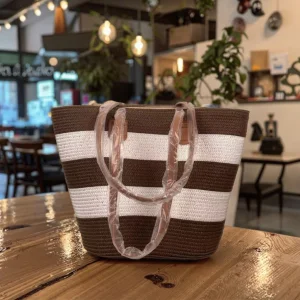
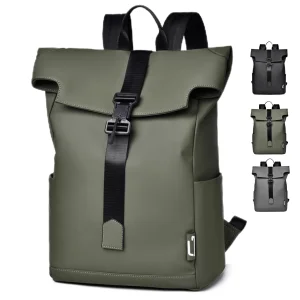

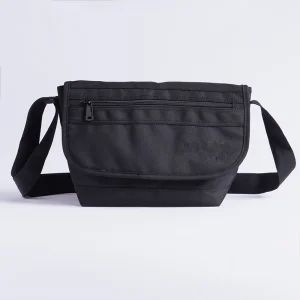
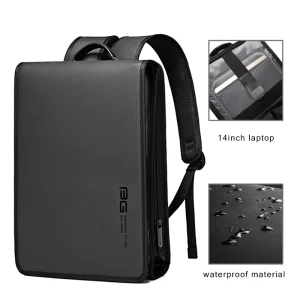

A rigorous look into structural design, eco-materials compliance, and high-volume supply networks that dominate the foldable bag market.
The global packaging and retail industries are undergoing a massive transition driven by the phasing out of single-use plastics. Foldable bags, once relegated to simple novelty items, have developed into high-tech, highly durable commodities crucial to retail store operations, corporate branding campaigns, and modern lightweight travel setups. Advanced material sciences, such as ripstop nylon, RPET (recycled polyethylene terephthalate), and ultra-light TPU coatings, have transformed the category. Today, foldable bags are engineered for high-frequency reuse, maximum weight-bearing ratios, and extreme space efficiency.
Consumer demands have forced suppliers to adopt GRS-certified (Global Recycled Standard) materials to guarantee carbon-footprint transparency.
Using reinforcement technologies like double-stitched French seams and bartacking at structural junctions to support up to 25 kg.
Integration of elastic pouch bands, magnetic snaps, and zipper systems that compress storage by up to 90% when folded.
Strategic Insight: The adoption of GRS (Global Recycled Standard) and OEKO-TEX certified fabrics is no longer an optional differentiation point—it is a critical prerequisite for exporting to EU and North American markets.
Procurement processes in the B2B landscape require a strict balance of risk mitigation, compliance, and supply continuity. When negotiating supply contracts with global bag manufacturers, corporate clients must analyze specific technical benchmarks to ensure product viability. Standardized testing for tensile strength (ASTM D5034), seam strength, and chemical safety (under REACH and Prop 65 regulations) are top considerations for compliance departments.
| Material Class | Tensile Strength Rating | Optimal Use-Case | Eco-Credentials | Avg. Customization MOQ |
|---|---|---|---|---|
| RPET (Recycled Polyester) | High (210D - 420D) | Eco-Friendly Promotional & Daily Use | Excellent (GRS Certified) | 3,000 - 5,000 Units |
| Ripstop Nylon | Extremely High (40D - 70D) | Outdoor Gear & Heavy-duty Bags | Moderate (Renewable source dependent) | 1,000 - 2,000 Units |
| Cotton / Organic Canvas | Moderate (8oz - 12oz) | Premium Retail Branding | Good (GOTS Certified) | 1,000 Units |
| Non-Woven PP | Low-Medium (80gsm - 120gsm) | High-Volume Supermarket Shoppers | Basic (Recyclable) | 10,000+ Units |
Established in 2009 and situated in Baigou Town, Baoding City, Hebei Province—affectionately recognized globally as the “luggage capital of China”—Hebei Ripped Fashion Co., Ltd. stands as an exemplary benchmark of high-capacity luggage and soft-goods manufacturing. With over 20 years of combined industry experience, the enterprise operates within a robust regional ecosystem that permits unparalleled material sourcing speed and competitive supply chain costs.
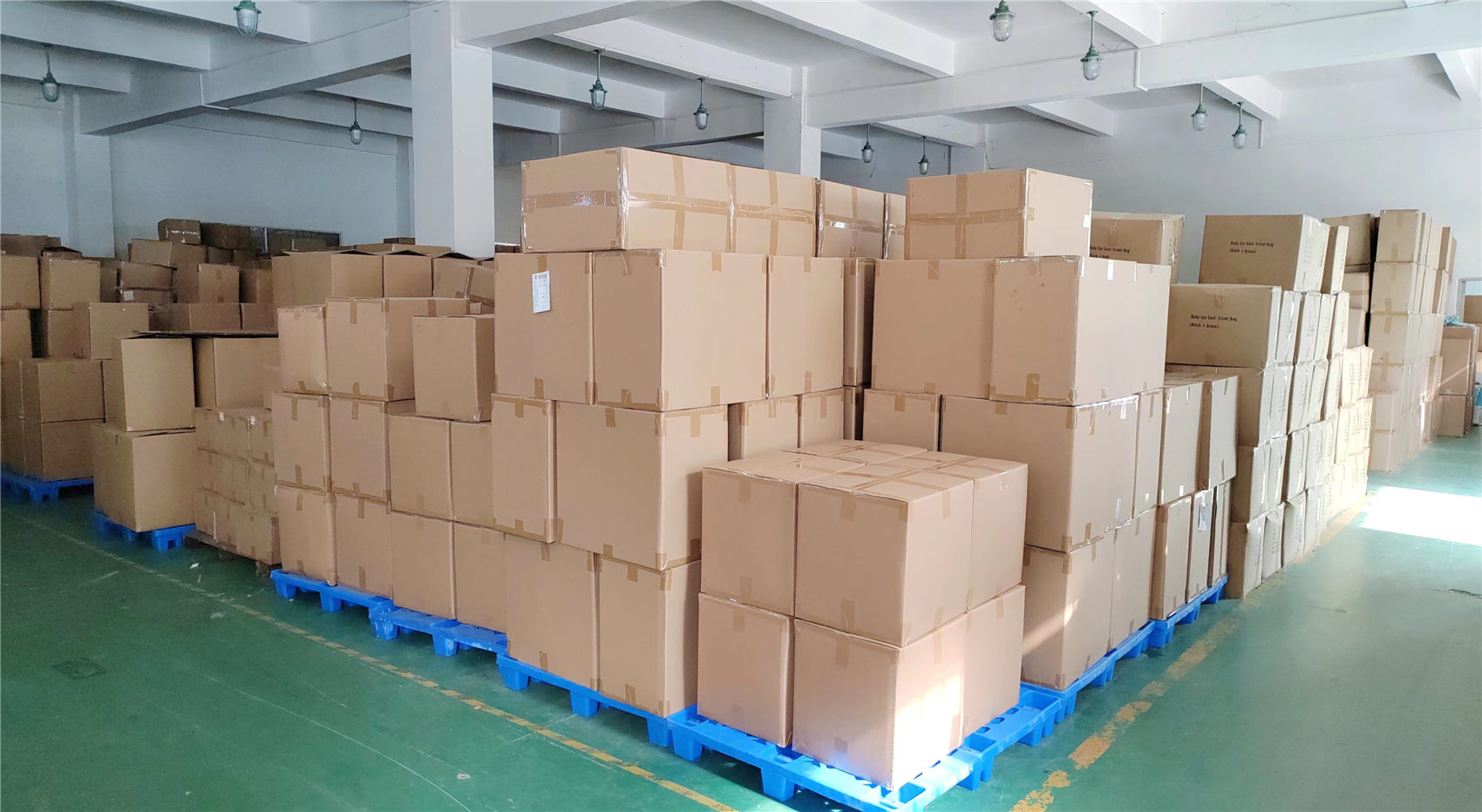
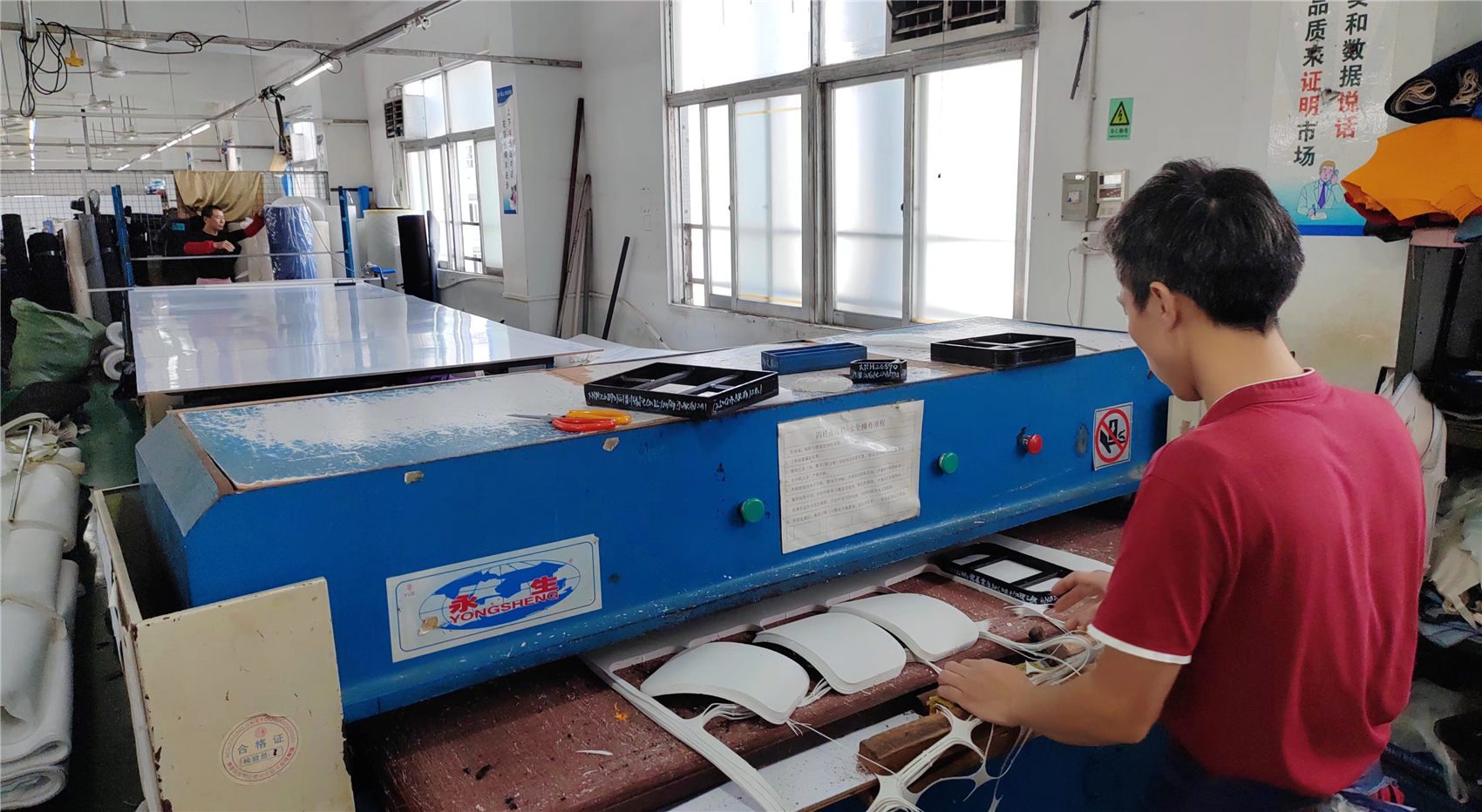
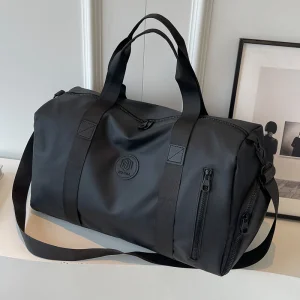
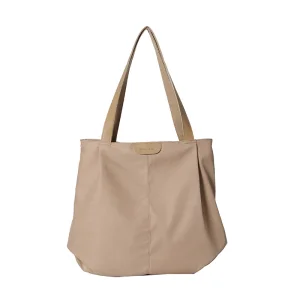
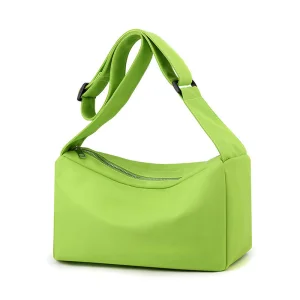
Equipped with a 2,000-square-meter modern production workshop and advanced machinery, the company coordinates all aspects of the manufacturing cycle internally. Its OEM and ODM operations offer flexible customization across multiple bag styles including lifestyle handbags, heavy-duty backpacks, waist packs, and premium tote bags. They integrate structural design, material chemistry evaluation, logo printing, and specialized packaging processes to fulfill strict global quality standards.
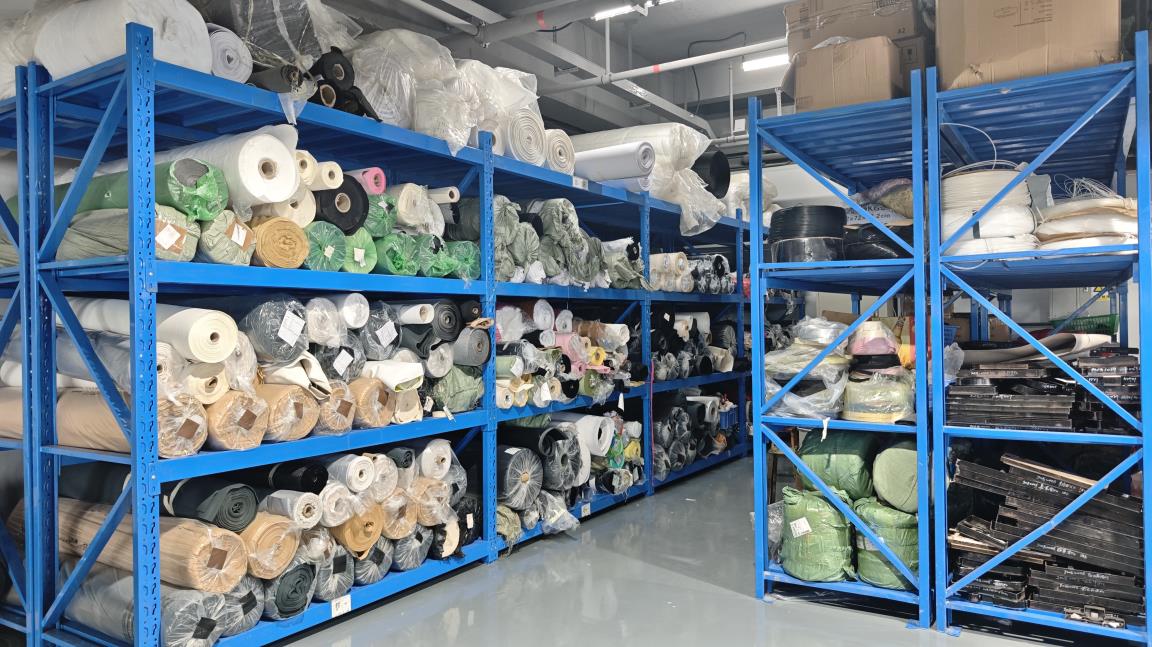
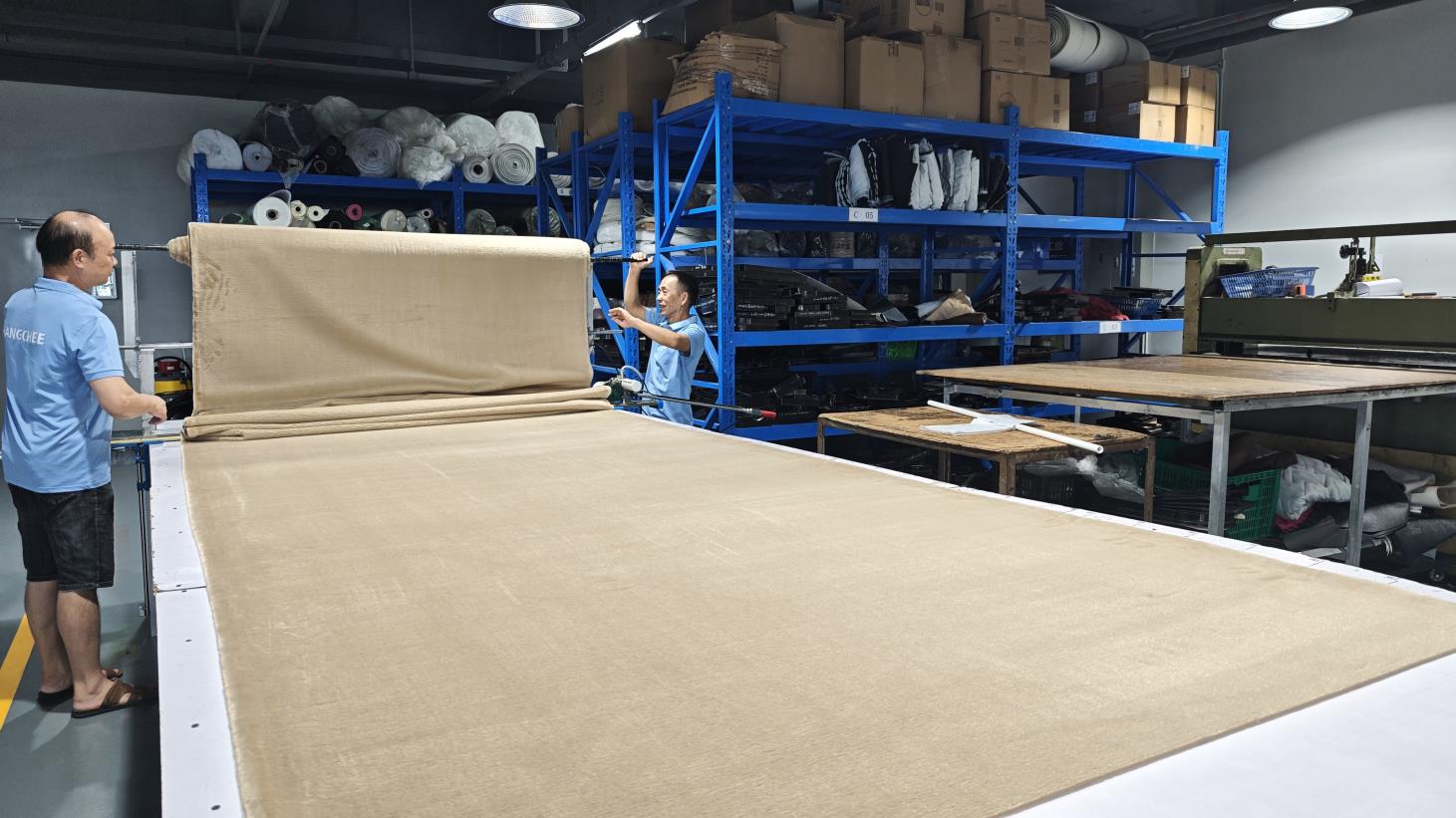
Quality assurance is not a final checklist; it is integrated directly into the production line. Below is a structured look at the assembly capabilities inside the Hebei Ripped Fashion facility:
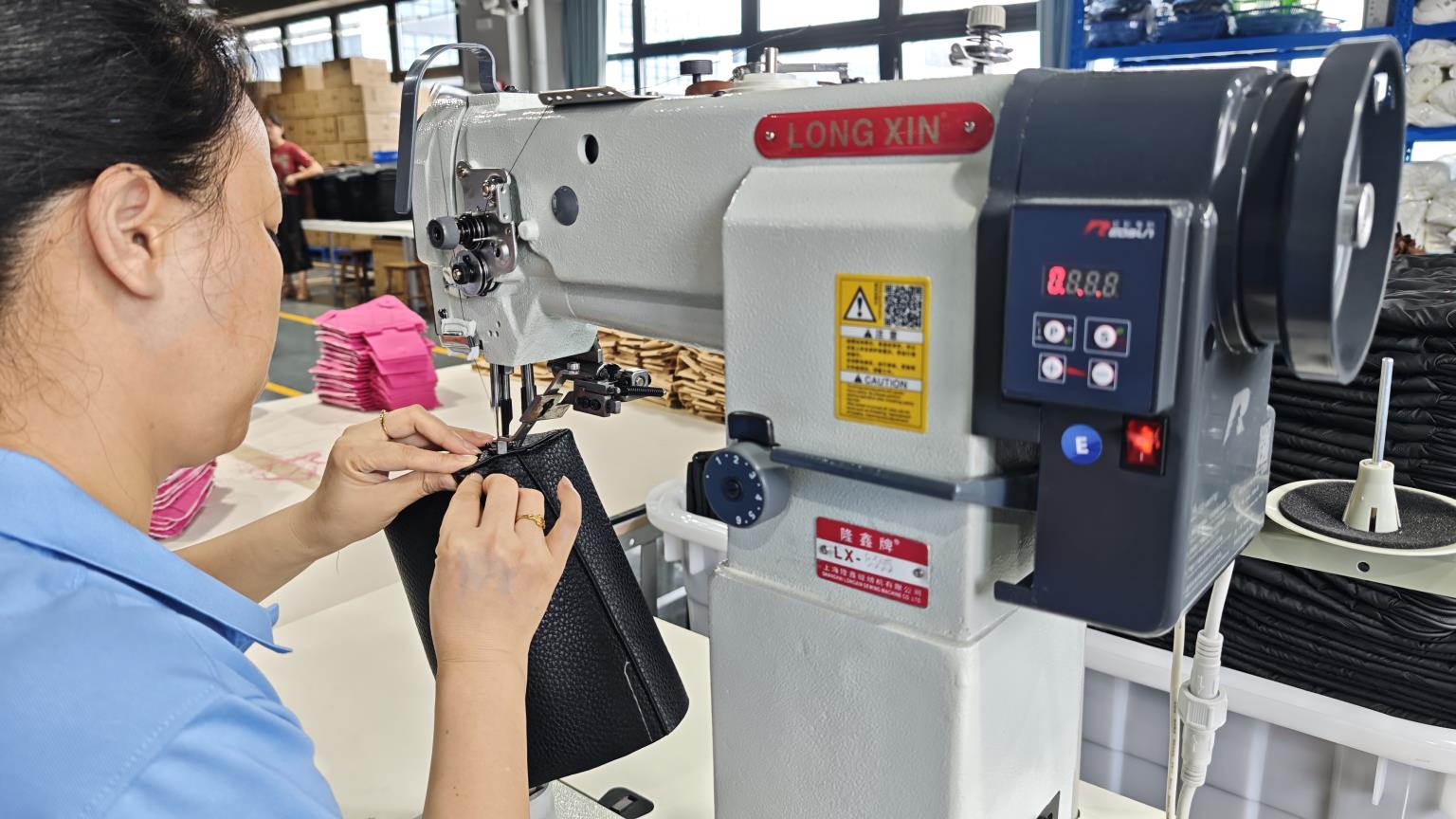
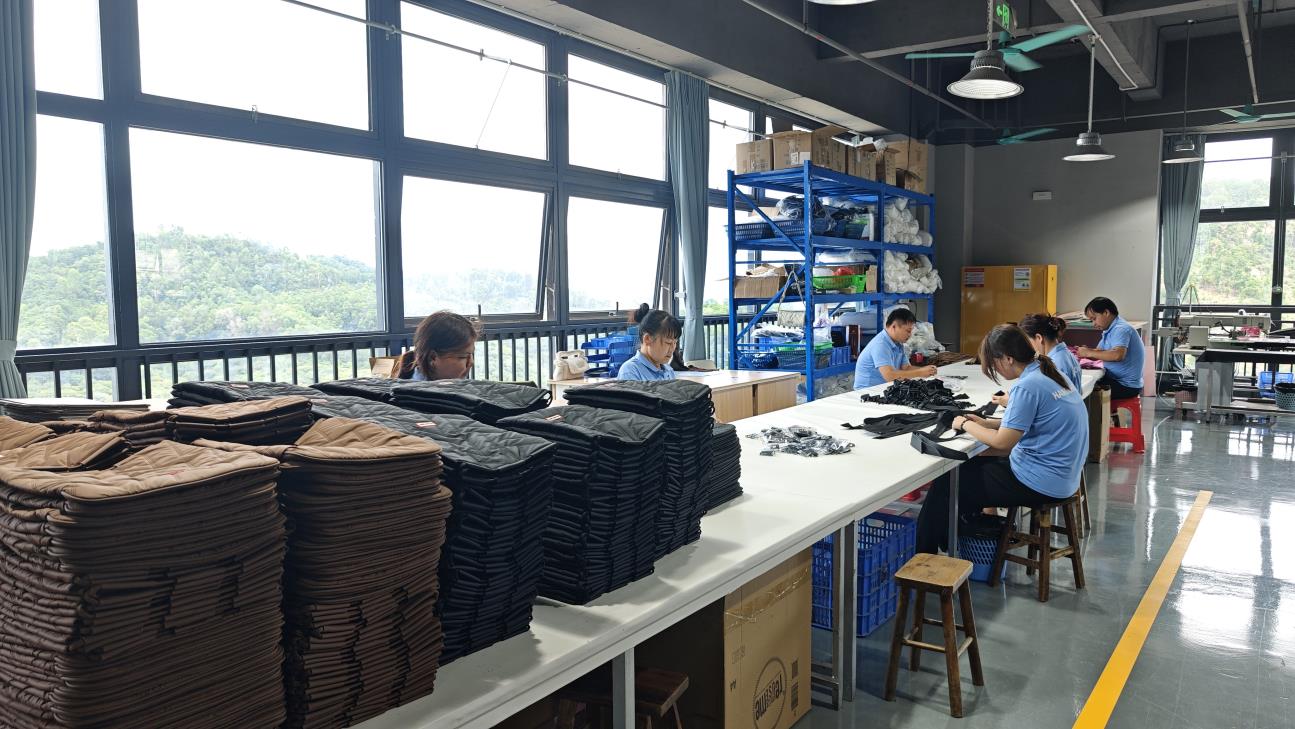
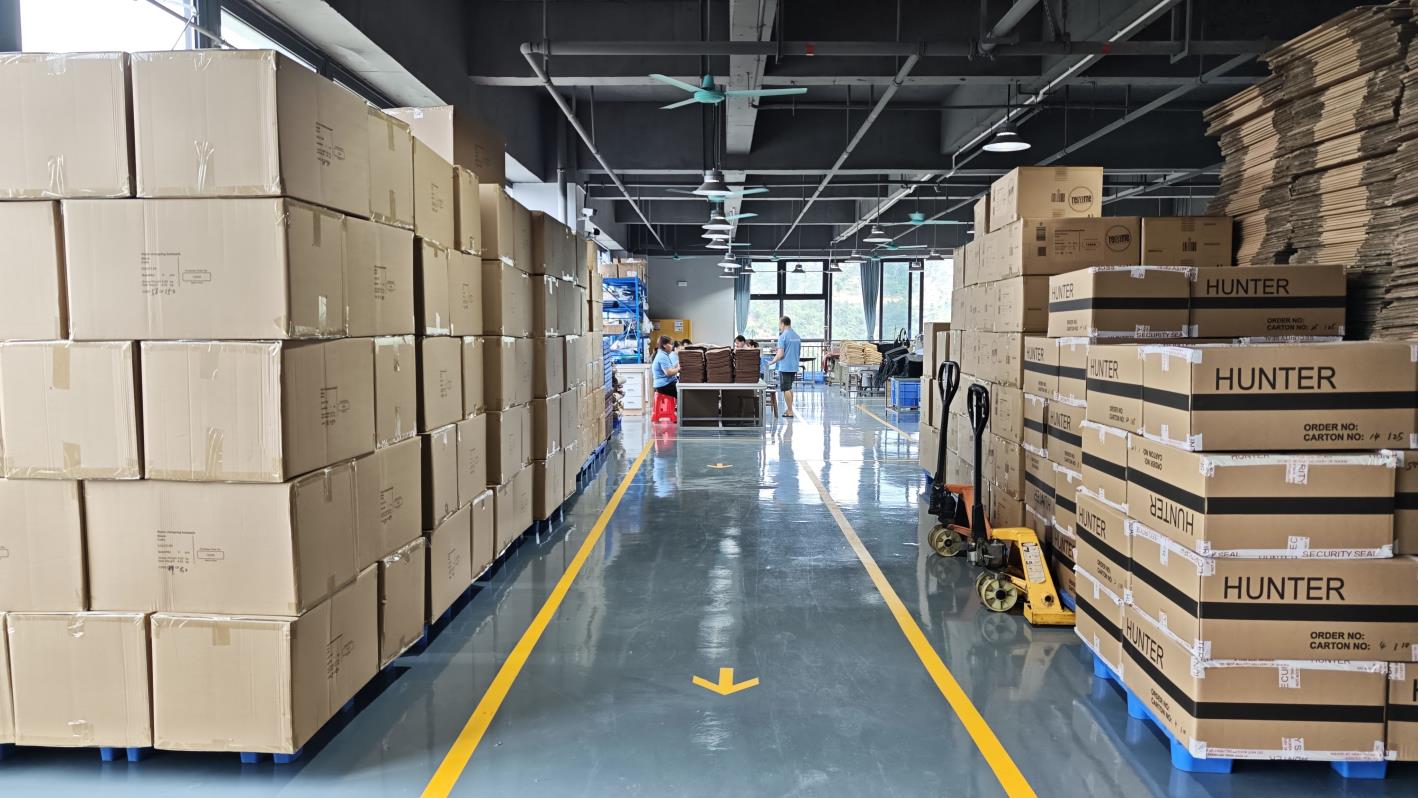
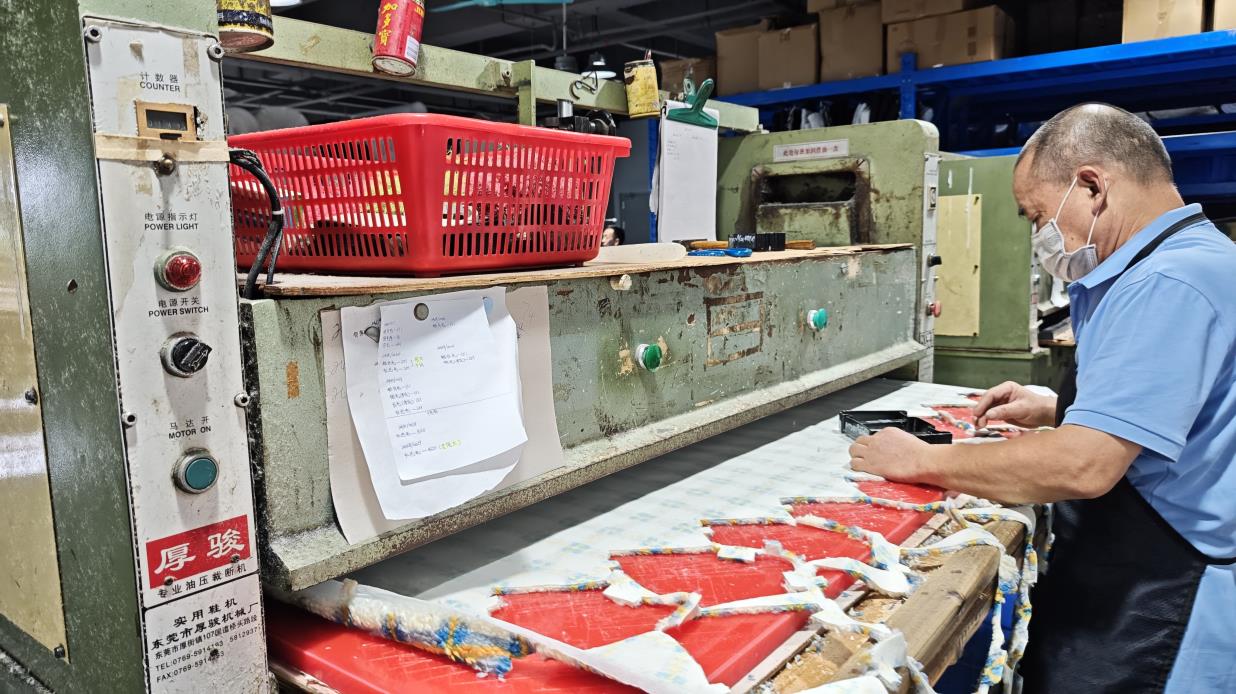
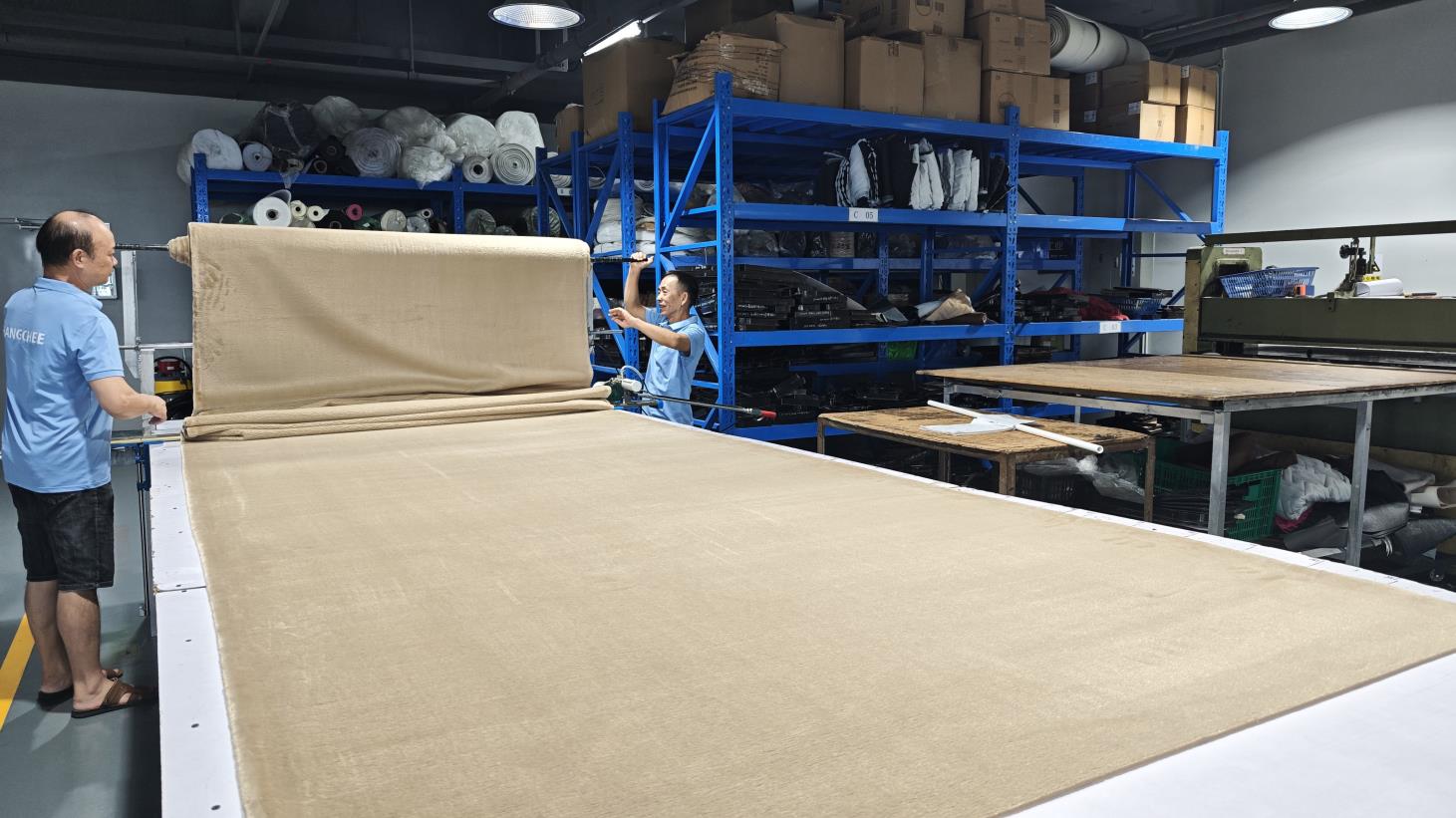
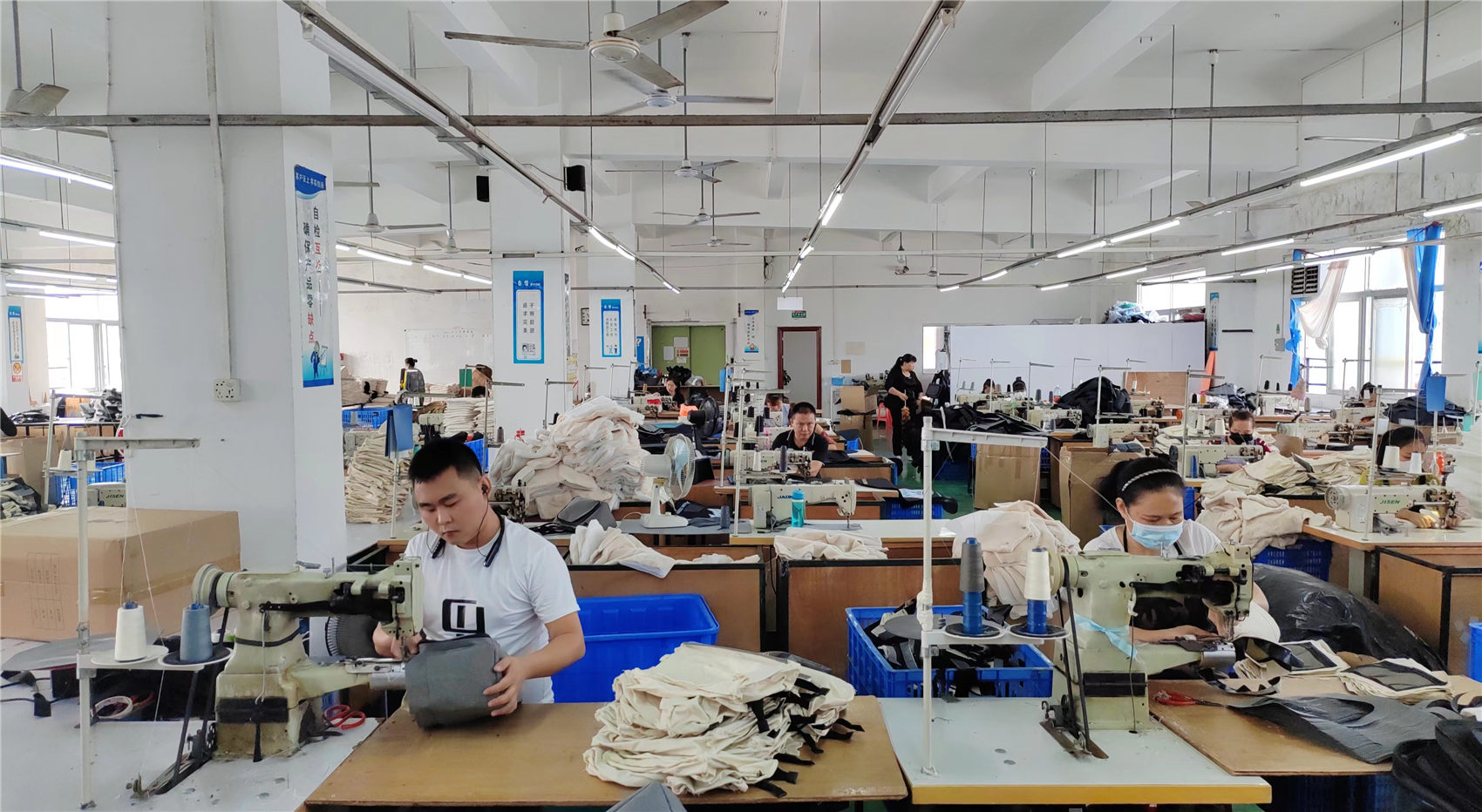
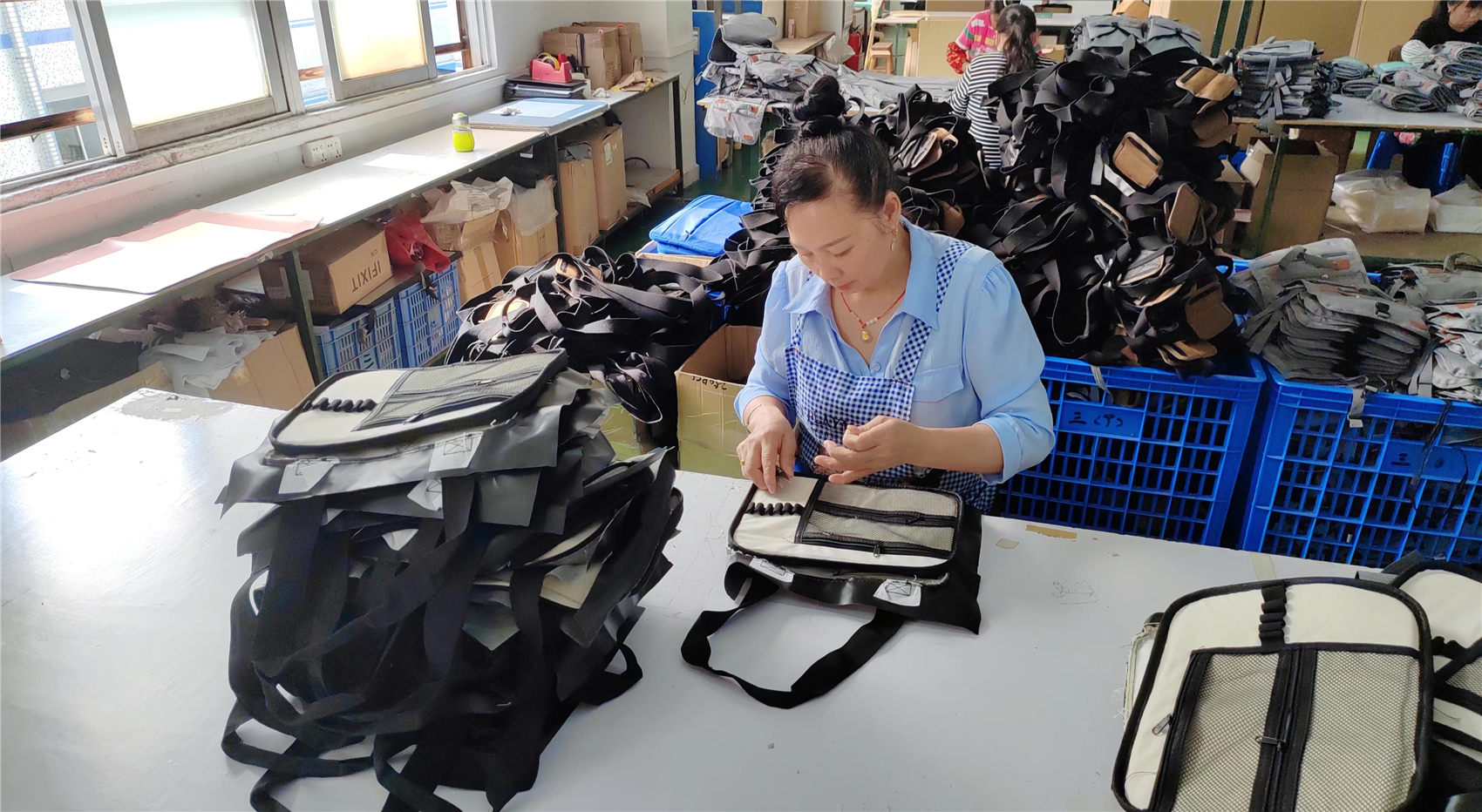
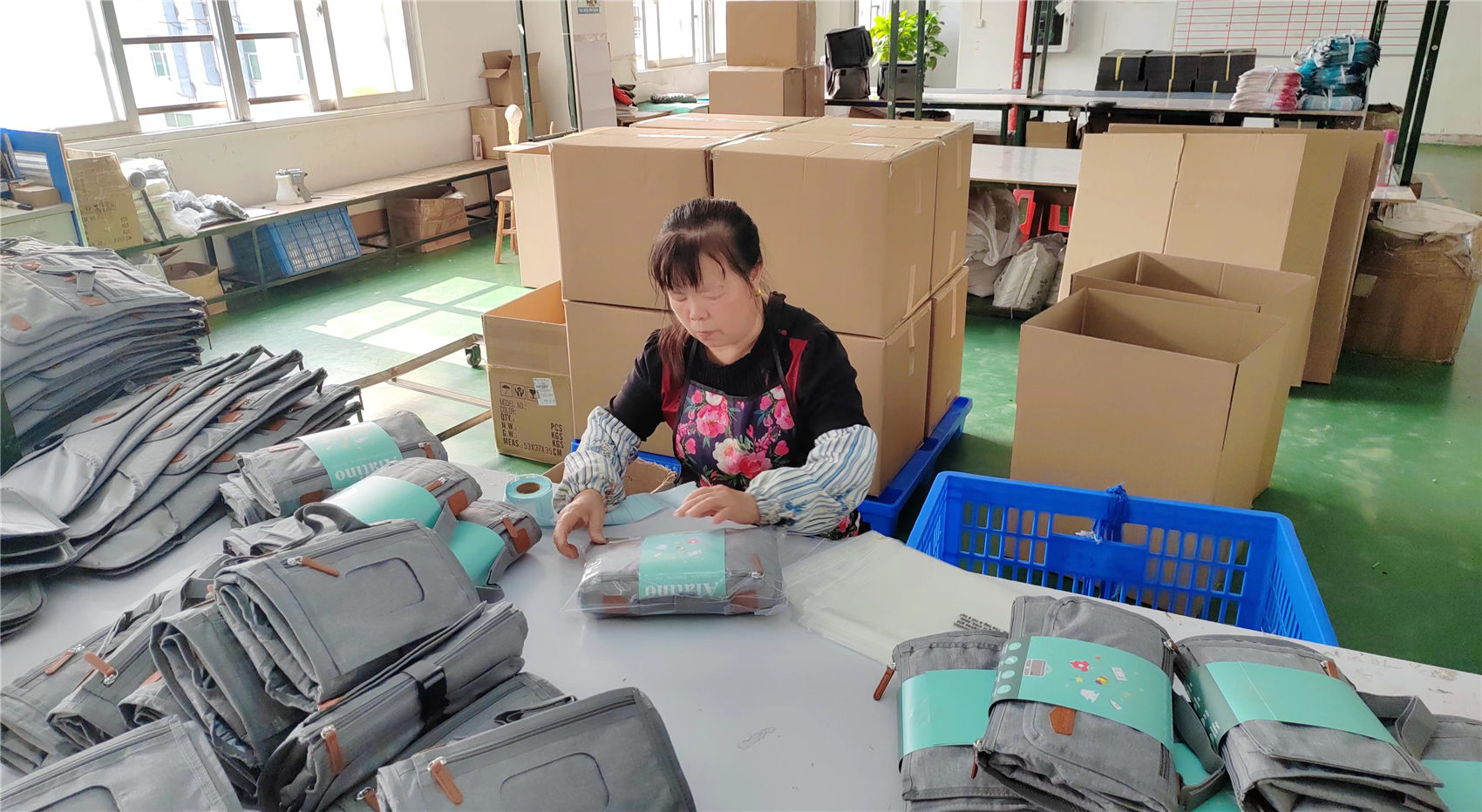
This comprehensive list covers the leading international hubs for foldable bag production, highlighting their core competencies, primary material focus, and target compliance markets.
Core Strengths: Rapid material sourcing, extensive custom OEM/ODM solutions, and comprehensive quality inspections. They utilize robust local Baigou supply chains to maintain competitive cost-performance ratios.
Key Materials: Recycled Polyester, Ripstop Nylon, Waterproof Canvas, and custom blended fibers.
Geographic Footprint: Global exports with strong distribution in Europe, Southeast Asia, and North America.
Core Strengths: Specialized in heavy-volume manufacturing of recycled PET plastics. Ideal for supermarket chains requiring strict GRS documentation.
Key Materials: 210D RPET, Lightweight Non-Woven Polypropylene.
Geographic Footprint: Major supplier to European retail chains and supermarket groups.
Core Strengths: Exceptional printing accuracy and high-speed packaging lines. Features integrated rotogravure and silk-screen capabilities.
Key Materials: Laminated Non-woven PP, Polyester Taffeta.
Geographic Footprint: Broad exports throughout South America, Middle East, and Asia.
Core Strengths: Excellent processing infrastructure in Ho Chi Minh City offering favorable tariff routes for US markets.
Key Materials: Lightweight Nylon, Polyester fabrics.
Geographic Footprint: Focused predominantly on North American and Australian markets.
Core Strengths: Expertise in structural stitching, offering heavy weight-bearing capabilities for consumer shopping applications.
Key Materials: Canvas, Organic Cottons, Ripstop Weaves.
Geographic Footprint: Strong relationships with Asian and European fashion retailers.
Core Strengths: Competitive labor cost models paired with BSCI compliance guidelines, ensuring clean supply chains.
Key Materials: Thin Polyester, Lightweight Canvas.
Geographic Footprint: Active supply links to Japan and ASEAN countries.
Core Strengths: Short supply times for North American markets, avoiding international shipping risks.
Key Materials: Cotton, Recycled Canvas, Laminated Fabrics.
Geographic Footprint: Primarily supplies localized retail networks within the USA and Canada.
Core Strengths: Focus on GOTS-certified fabrics and fair-wage compliance metrics. Excellent for boutique lifestyle brands.
Key Materials: Organic Cotton Canvas, natural fibers.
Geographic Footprint: Active distribution in North America, Western Europe, and Japan.
Core Strengths: Strong emphasis on user-friendly designs and attractive retail packaging formats.
Key Materials: High-grade Recycled Polyester (RPET).
Geographic Footprint: Strong market presence in Oceania and North America.
Core Strengths: Deep integration with German environmental laws, guaranteeing zero-waste and chemical-free materials.
Key Materials: GOTS-Cotton, High-grade Polyesters.
Geographic Footprint: Extensive logistics service across the European Union.
Shipping consumer goods internationally introduces several layers of operational risk, ranging from shifting port schedules to changing customs valuations. A professional manufacturing partner must provide more than raw factory space; they must offer comprehensive export assistance. This includes handling complex HS Code classifications (e.g., 4202.92 for synthetic textile containers), preparing required origin documentation to qualify for preferential tariffs, and satisfying regional chemical requirements such as California Proposition 65 and the EU REACH directive.
Leading facilities address these requirements through structural measures:
The future of foldable carrier designs lies in structural efficiency and circular materials. Designers are exploring advanced folding patterns based on origami, which reduce material volume without compromising strength. On the environmental side, research is shifting toward bio-derived polyesters and fully compostable water-resistant coatings. These advancements aim to replace traditional plastic-based PVC coatings with eco-friendly alternatives, ensuring bags can be recycled or decomposed at the end of their lifecycle.



 Ripped Fashion