High-performance functional carrier models optimized for global retail networks, baby care brands, and travel-oriented importers.
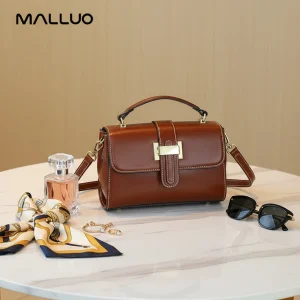
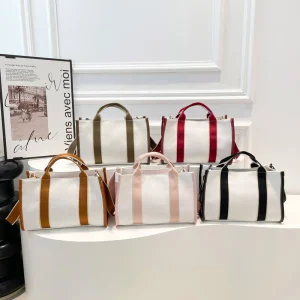
Analysis of changing consumer patterns, supply chain vulnerabilities, and regional technical requirements.
The global baby accessories ecosystem is experiencing a structural realignment. Once restricted to basic, single-compartment plasticized carryalls, the modern diaper bag segment has expanded into a sophisticated, multi-functional luggage sub-category. According to recent trade intelligence, global procurement demand for specialized baby diaper bags is expanding at an annual rate of over 5.8%, driven by a combination of urbanization, rising disposable income in developing markets, and the demographic shift toward active, travel-focused parenting.
Enterprise buyers from North America, Europe, and the APAC region are no longer solely buying product configurations; they are procuring engineered solutions. Key factors influencing modern requests for quotation (RFQs) include material durability, non-toxic material compliance, ergonomic load distribution, and multi-purpose adaptability (such as transitions from diaper bag to professional commuter laptop backpack).
Sourcing priorities have shifted toward high-density polyester (e.g., 600D, 900D), waterproof TPU linings, and custom canvas blends that combine structural durability with premium tactile aesthetics.
Integrated insulated pockets lined with high-efficiency composite foil layers are now standard requirements, ensuring temperature preservation of baby food and formulas over extended durations.
Designed with S-curve shoulder straps, breathable air-mesh padding, and strategic weight distribution paths to minimize biomechanical fatigue on parents during prolonged wear.
Enterprise procurement teams are also prioritizing chemical and material compliance. Suppliers must demonstrate compliance with strict regulations like REACH, CPSIA (Consumer Product Safety Improvement Act), and California Proposition 65. Products must be verified as free from heavy metals, phthalates, and Bisphenol A (BPA) to qualify for key markets. Reliable manufacturers are expected to provide clear traceability data, starting from raw yarn production all the way to final assembly.
An inside look at our 3,000 m² advanced manufacturing facility in China's premier luggage production hub.
Established in 2009, Hebei Ripped Fashion Co., Ltd. is located in Baigou Town, Baoding City, Hebei Province — globally recognized as the "luggage capital of China." By utilizing Hebei's strong local supply chain infrastructure and mature production ecosystem, we have grown into a professional manufacturer specializing in fashion bags, backpacks, and high-performance utility carriers.
Guided by our dedication to quality materials, reliable service, and competitive pricing, we have built stable, long-term partnerships with retailers, chain stores, and trading companies worldwide. Our products are exported to major international markets, including North America, Europe, East Asia, and South America.
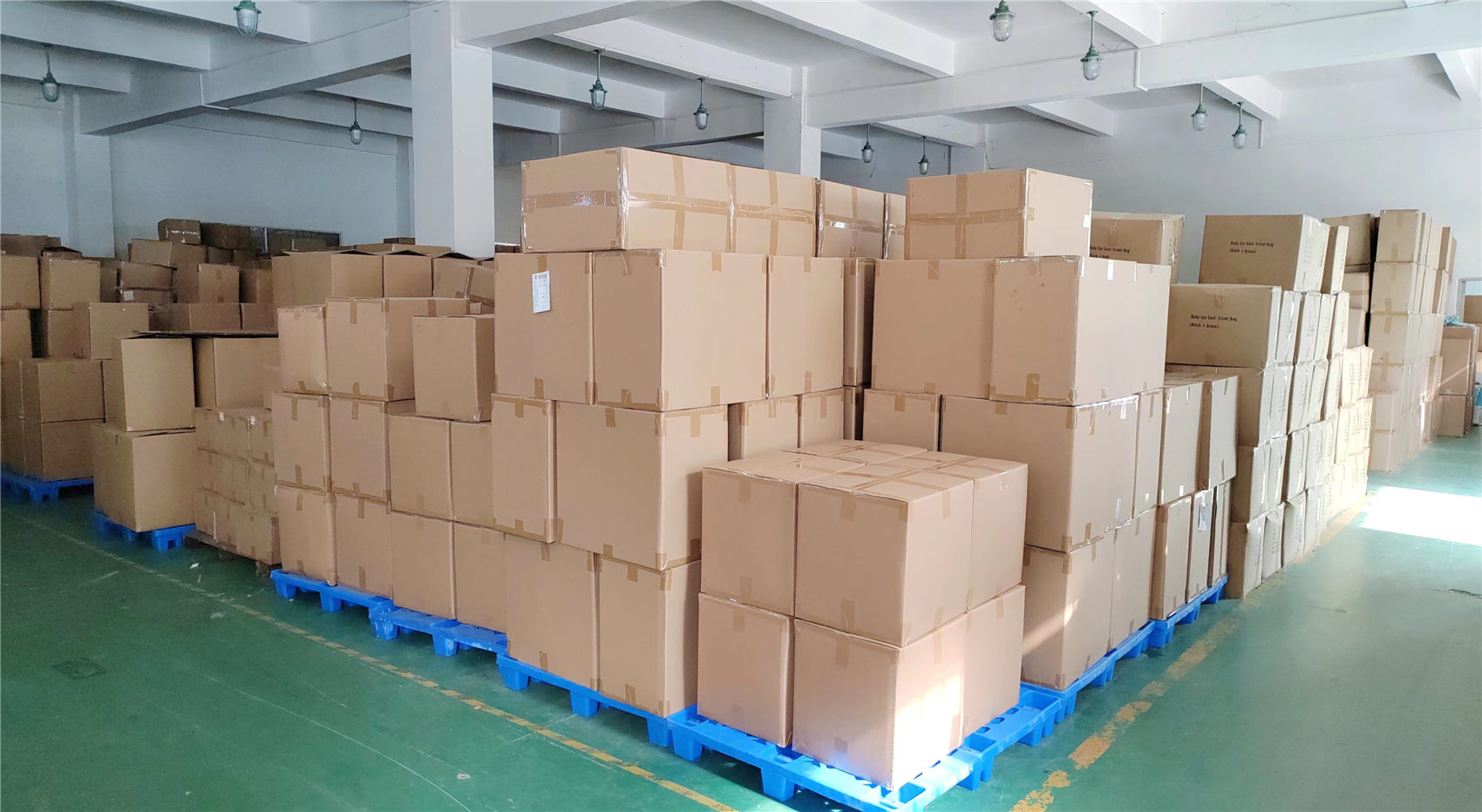
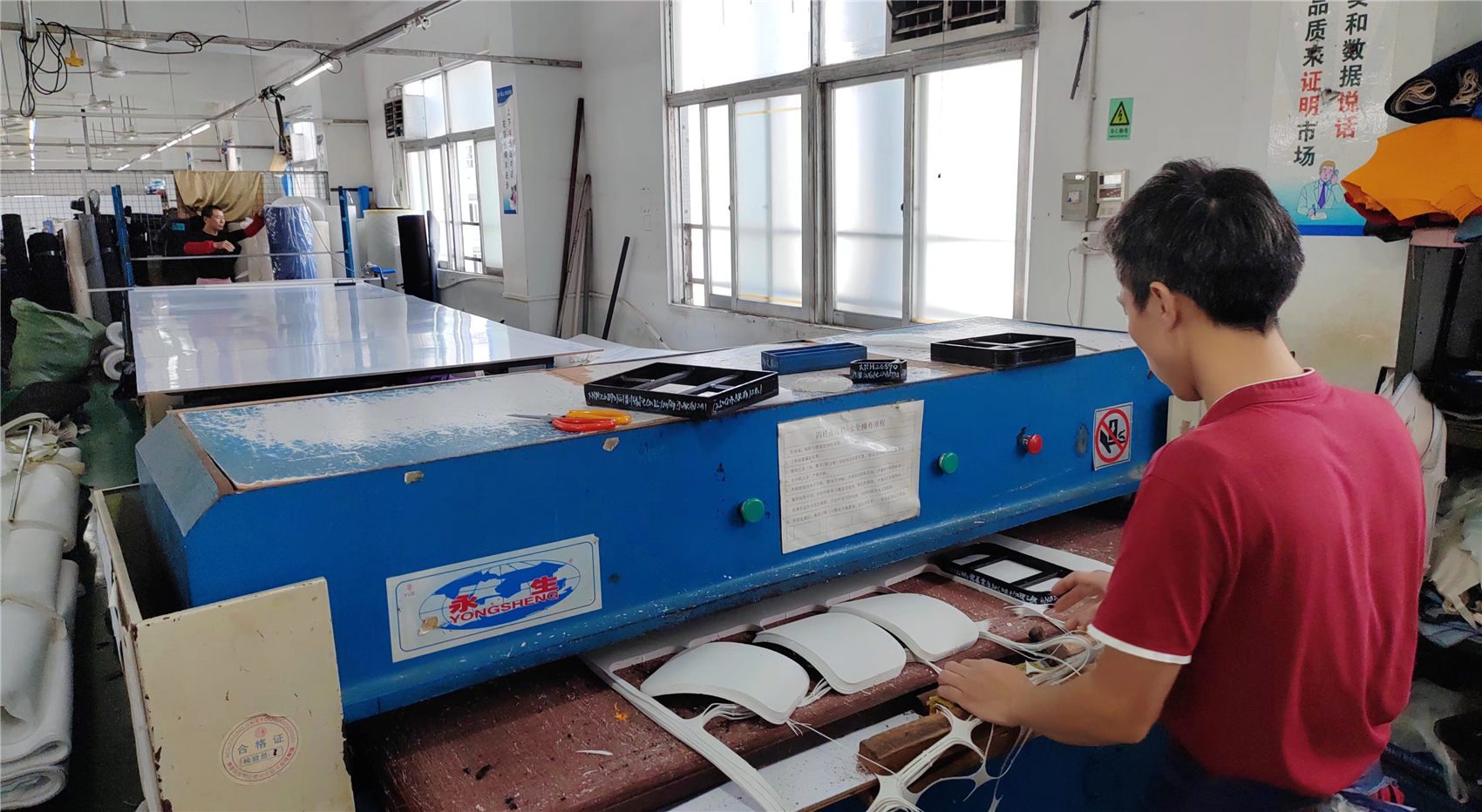
Operating out of a 2,000-square-meter modern production workshop, our facility is equipped with automated cutting machinery, computer-guided heavy-duty sewing systems, and comprehensive quality control (QC) lines. This infrastructure ensures consistency across high-volume production orders.
Our core capabilities focus on providing comprehensive OEM and ODM services. We offer fully customizable solutions tailored to client specifications, including product design, material selection, customized branding, hardware plating, and custom retail packaging.
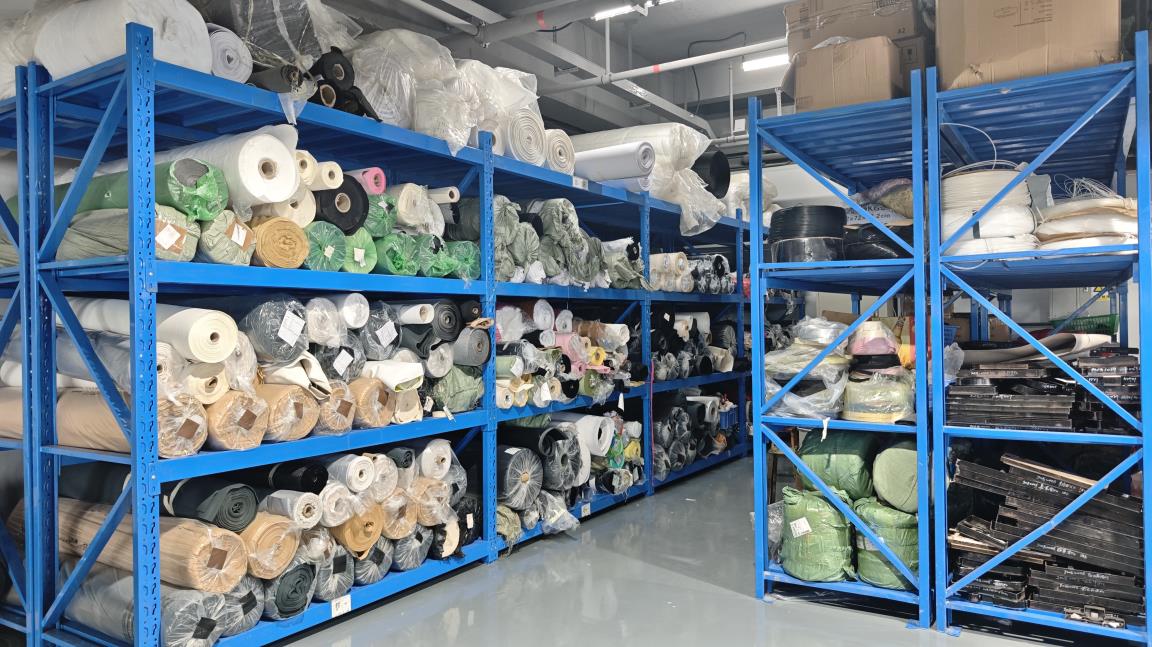
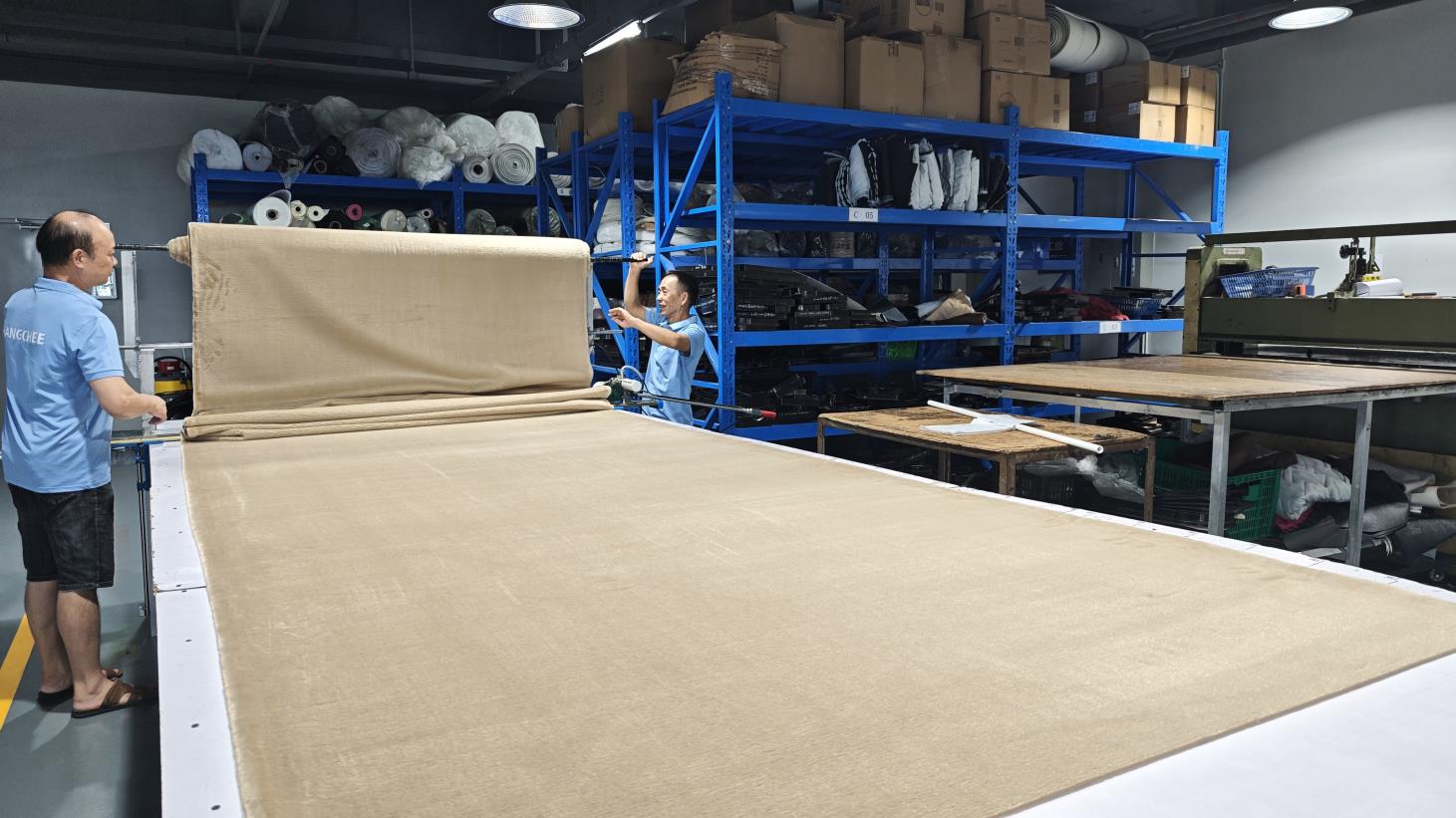
Visualizing our step-by-step manufacturing process, from material validation to final container dispatch.
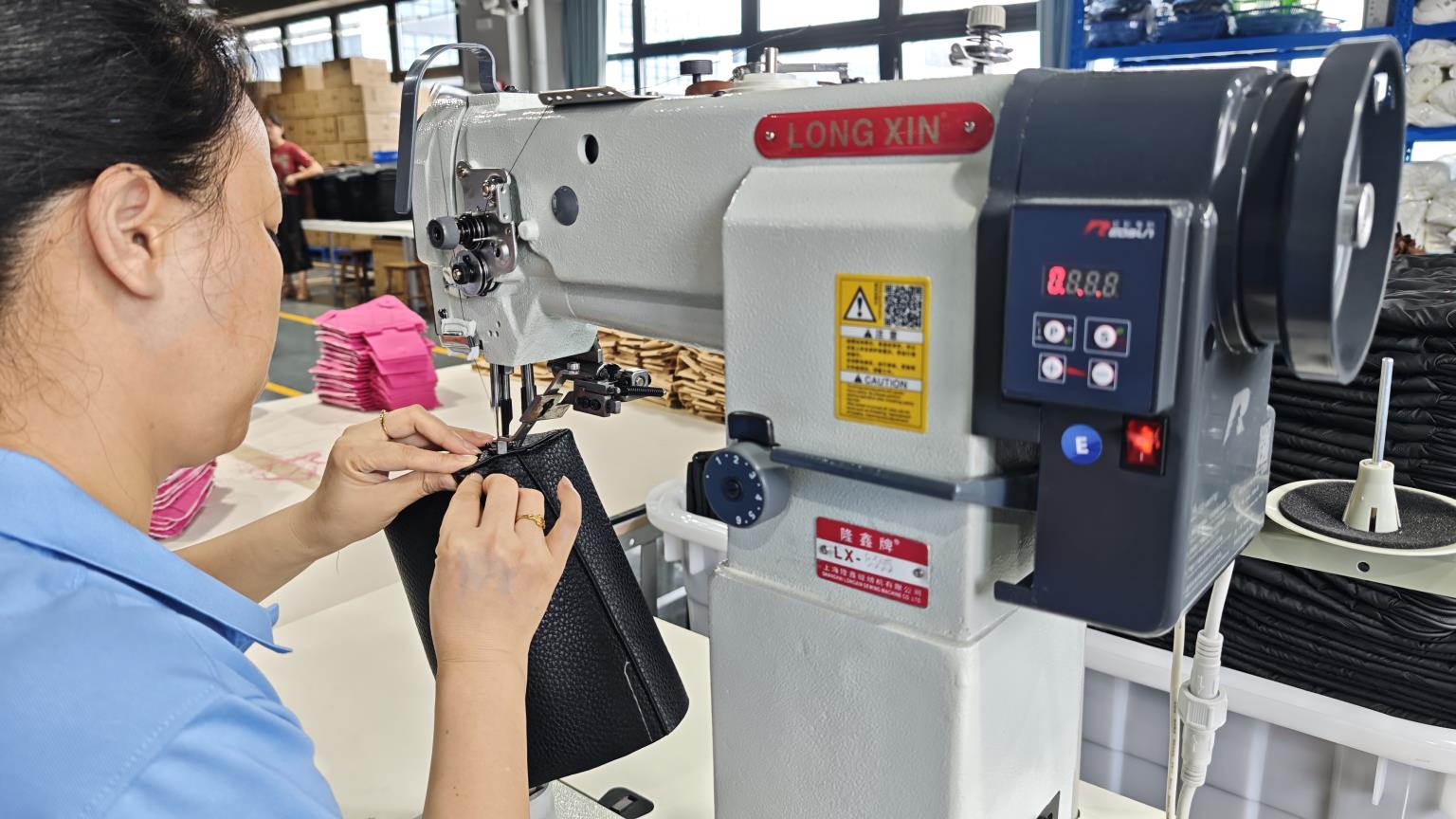
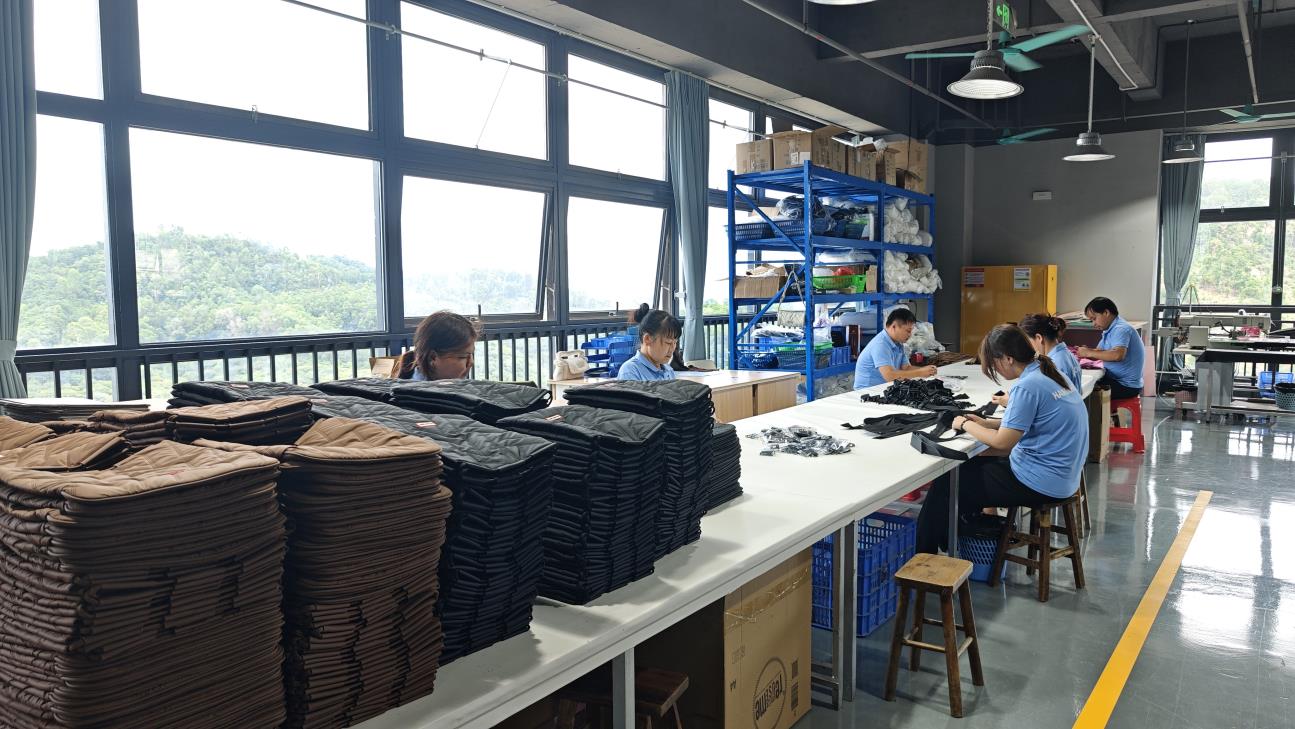
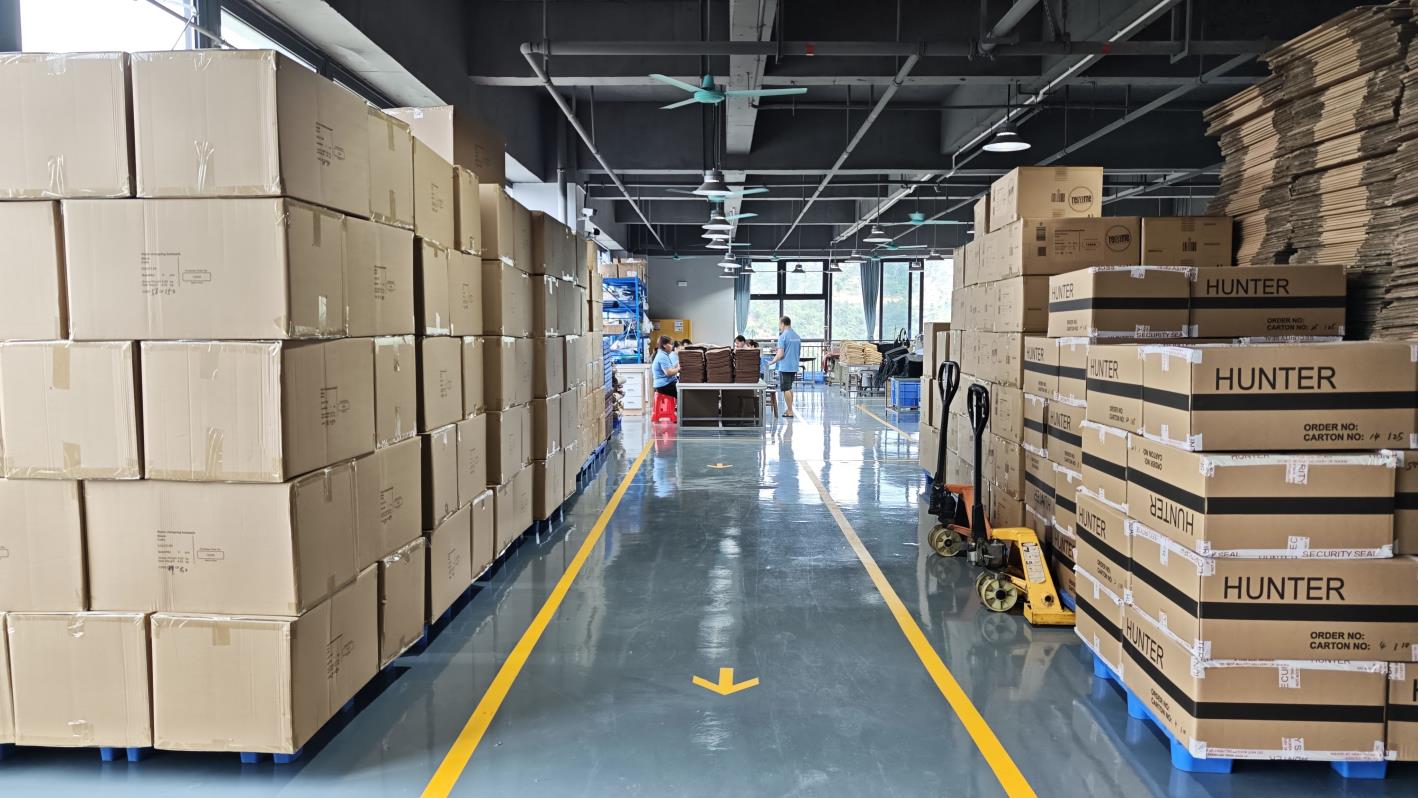
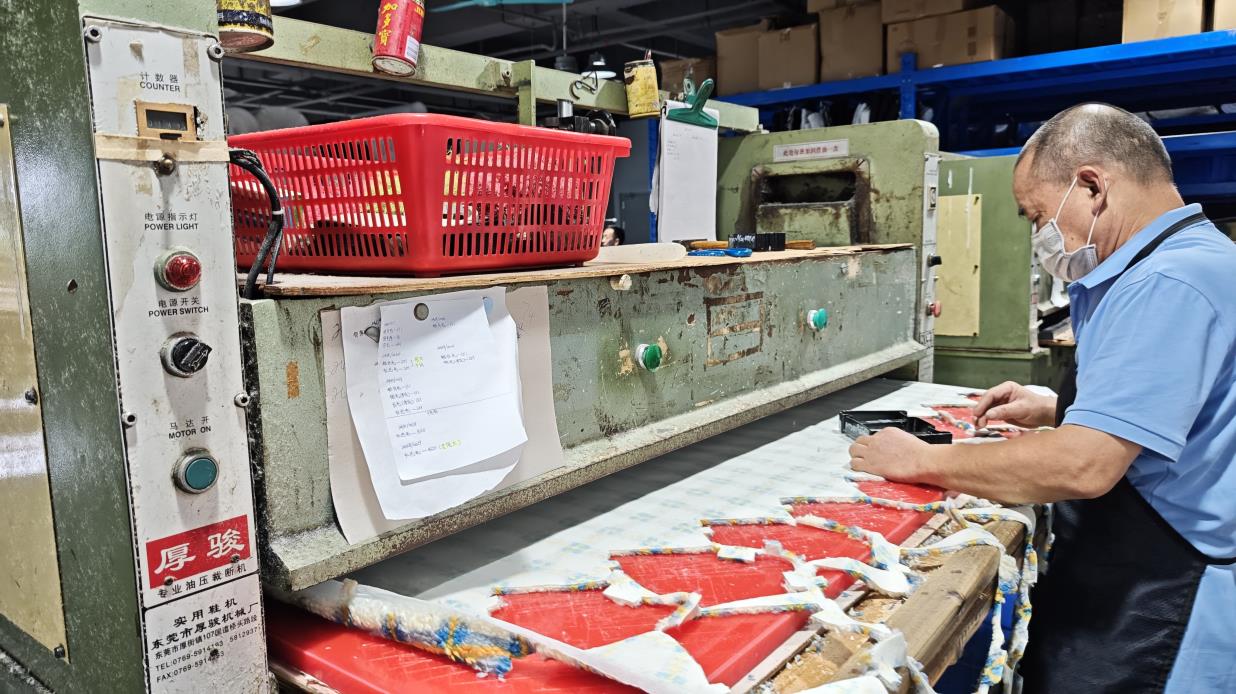
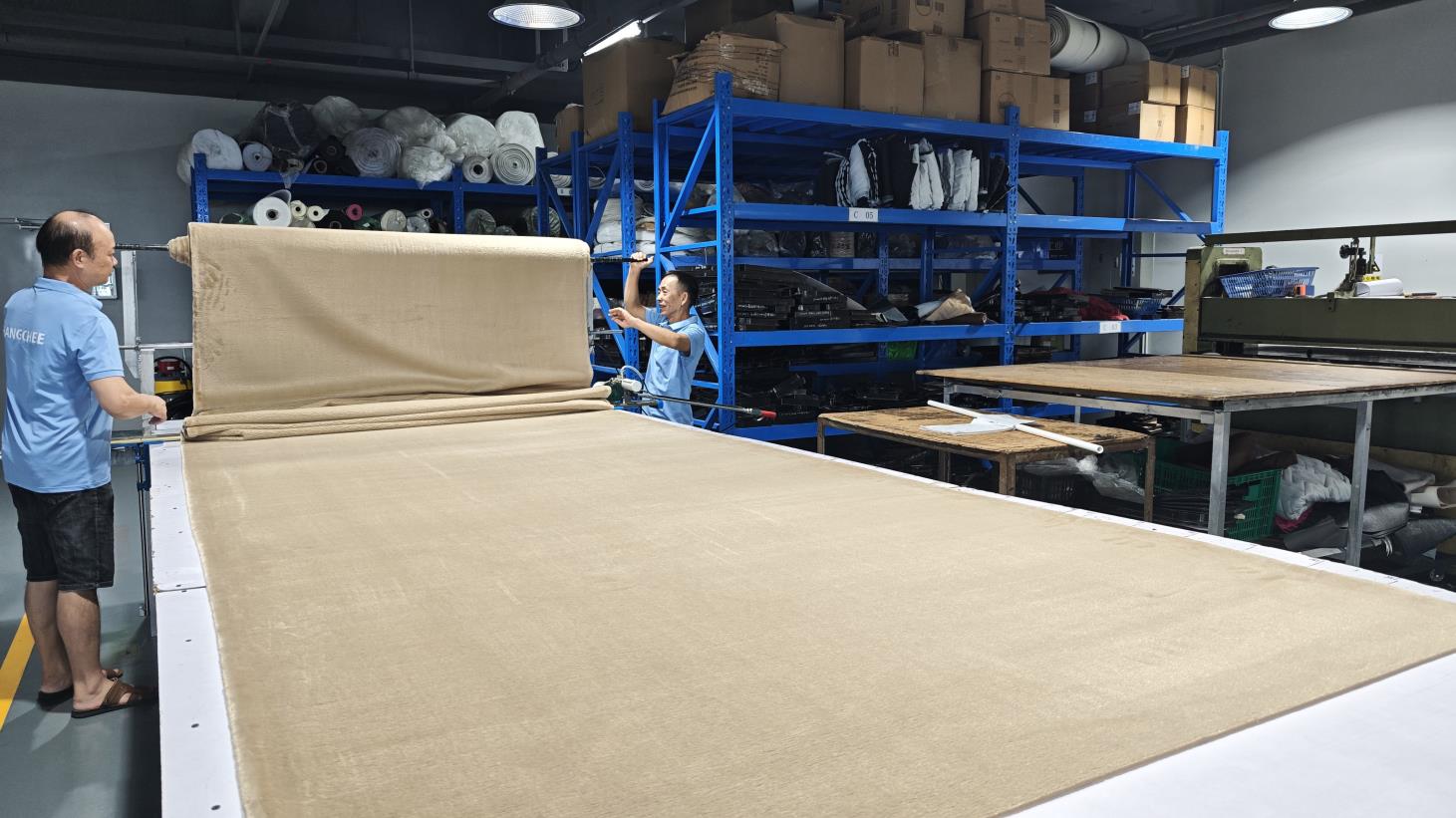
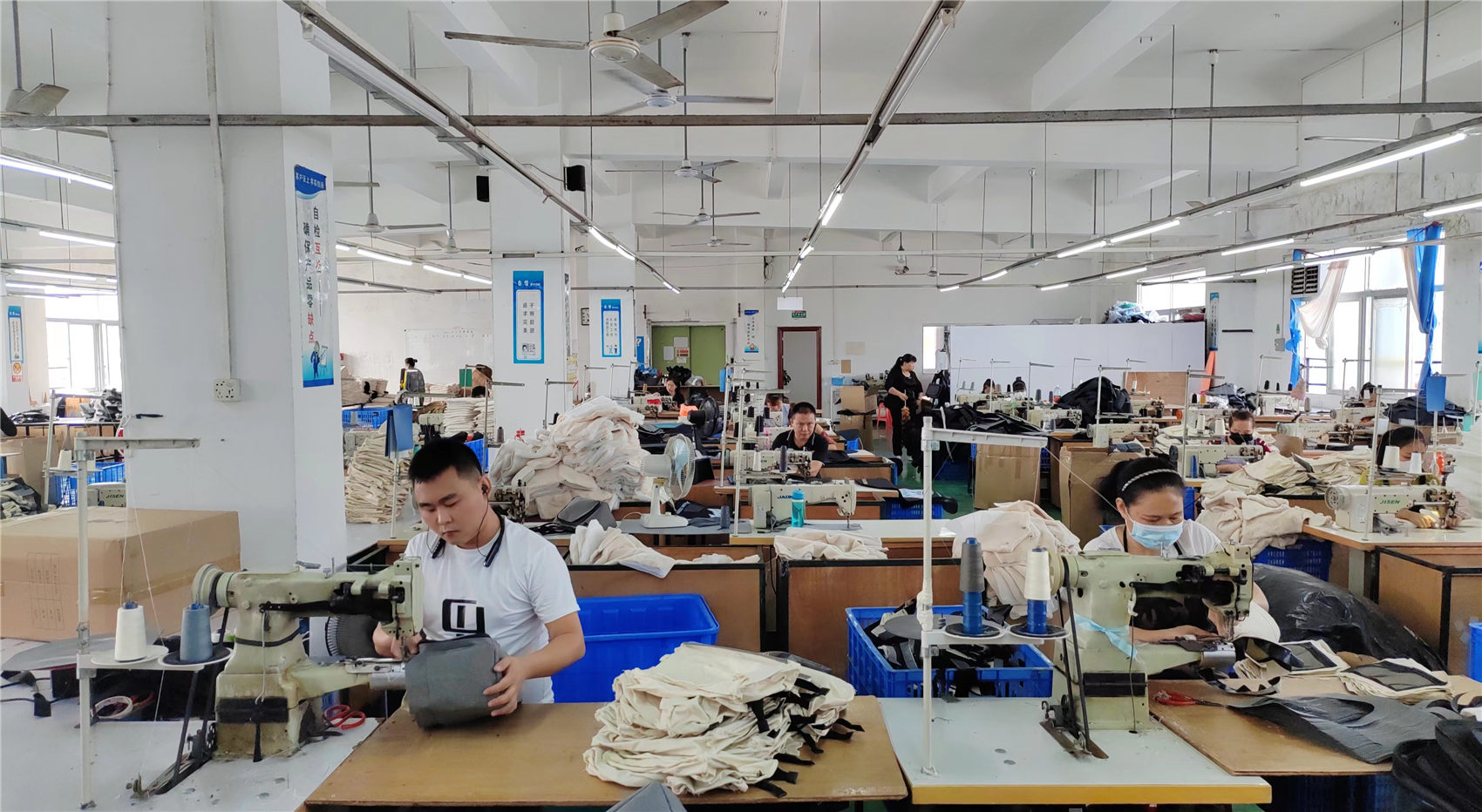
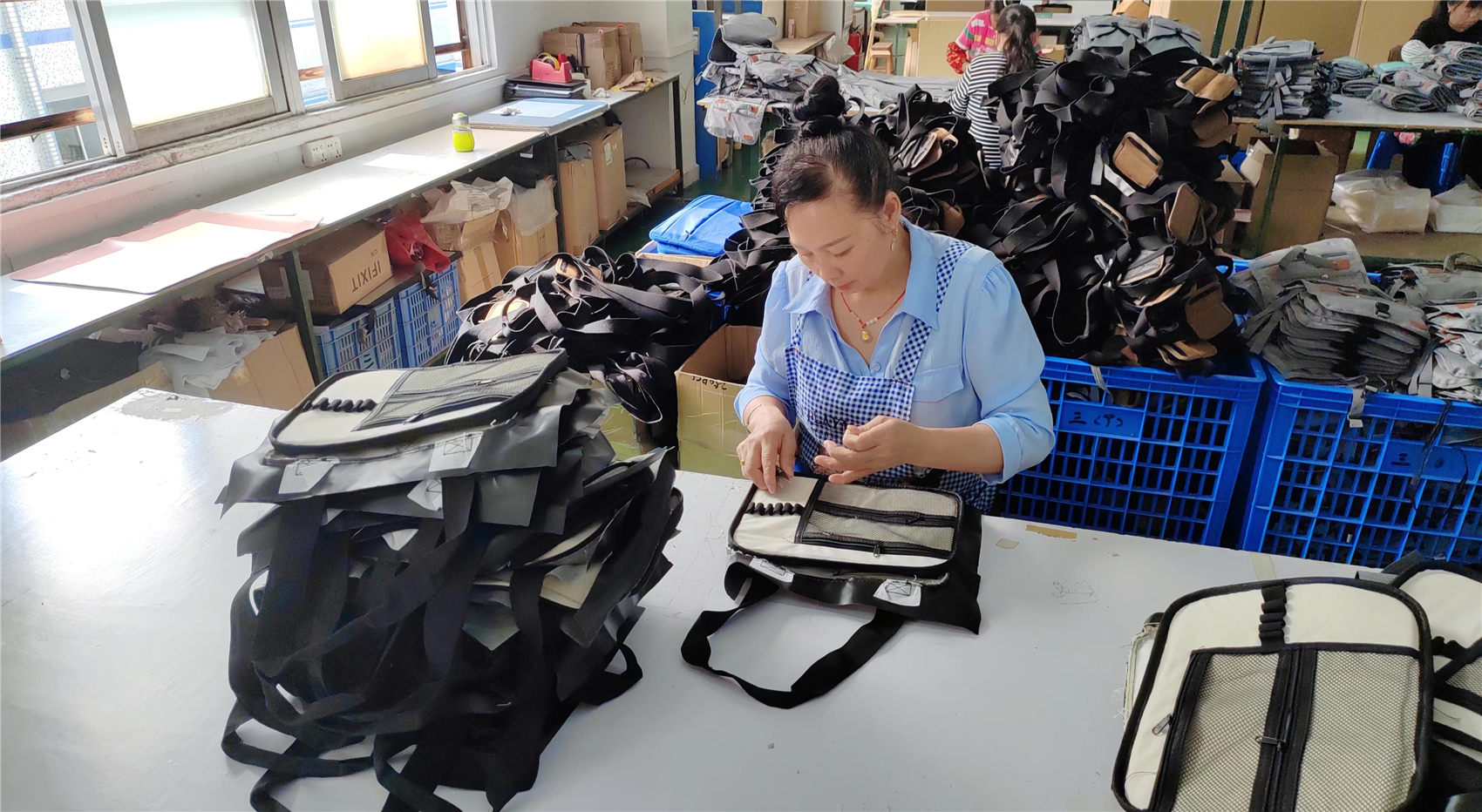
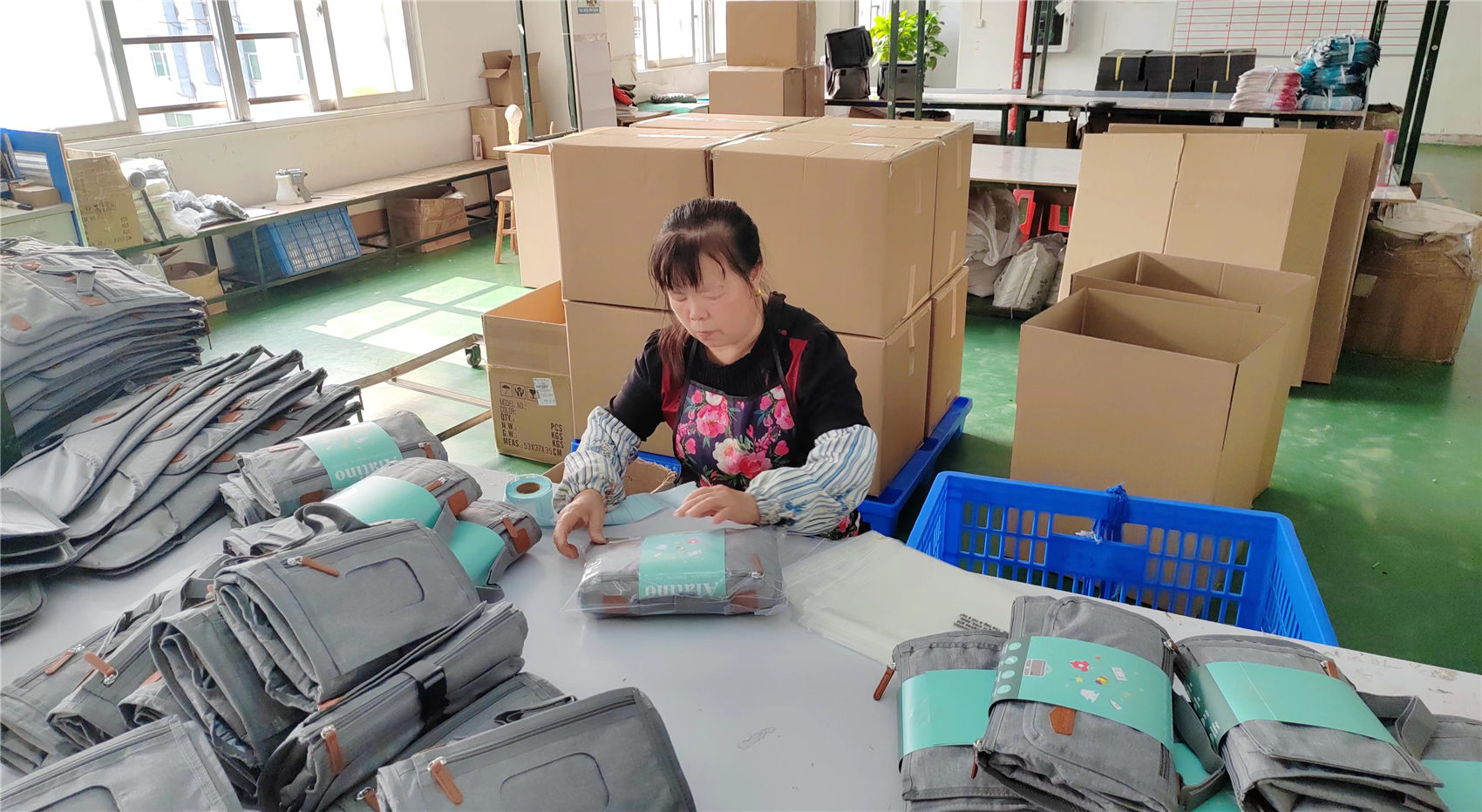
Key design developments and production trends shaping the future of global bag sourcing.
In response to international zero-waste directives, we are shifting our product lines toward recycled textiles. This includes using GRS (Global Recycled Standard) certified rPET (recycled polyethylene terephthalate) yarns made from ocean-bound plastics. These fabrics provide the same durability, tensile strength, and water resistance as virgin polyester, but with a significantly lower carbon footprint.
The next generation of functional diaper bags will incorporate smart features. This includes integrating wireless charging docks, low-heat feeding bottle warmers connected to power banks, and anti-microbial self-sterilization compartments that use UV-C LED modules to sanitize pacifiers and teething toys on the go.
Modern consumers value versatility. The market is moving toward modular designs, such as 3-in-1 hybrid travel bags that easily transition from a backpack to a stroller organizer or a compact changing station. Our R&D team is continuously developing detachable, snap-on compartments and quick-release stroller attachment straps to meet these changing parenting habits.
To mitigate rising labor costs and improve product consistency, we are investing in advanced machinery. This includes automated CNC pattern cutters, programmable stitching templates, and optical sorting systems. These technologies improve pattern alignment, secure critical load-bearing seams, and reduce production waste by up to 14%.
Mitigating regulatory risk and ensuring seamless logistics across international borders.
Importing textiles and children's accessories requires strict compliance with international trade and safety laws. Hebei Ripped Fashion Co., Ltd. provides comprehensive legal and logistical support to ensure smooth custom clearance and delivery.
We provide full DDP (Delivered Duty Paid), CIF, and FOB documentation, working alongside international freight forwarders to manage import duties, customs declarations, and local transit requirements.
Our products undergo thorough testing by certified third-party labs (like SGS and Intertek) to verify compliance with REACH standards, chemical safety rules, and physical safety regulations.
We protect our clients' designs. Under our OEM/ODM partnerships, all custom designs, proprietary patterns, and brand logos are protected by strict non-disclosure agreements (NDAs).
Answers to common inquiries regarding MOQs, customization capabilities, payment structures, and lead times.
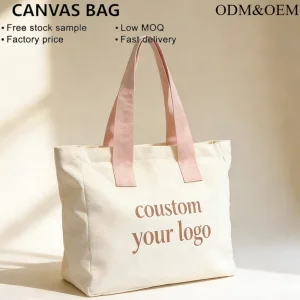
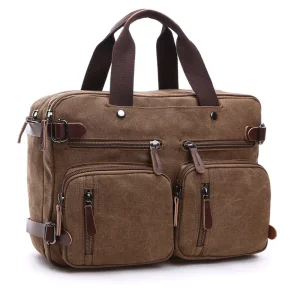
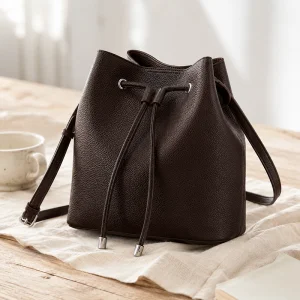
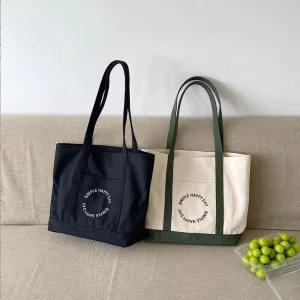
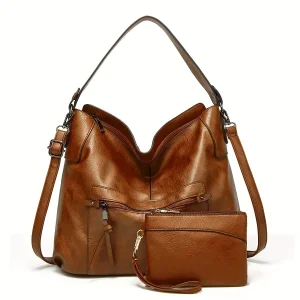
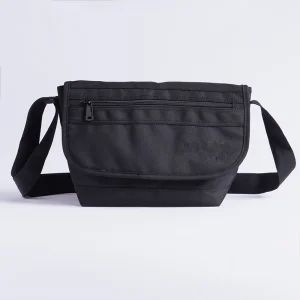
Explore our wider range of canvas tote bags, leather backpacks, and specialized commuter briefcases.
 Ripped Fashion