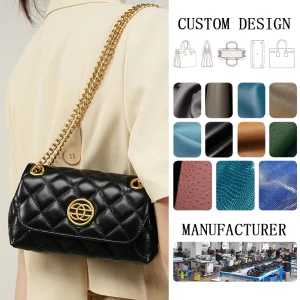
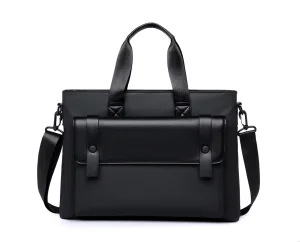
Explore our top-tier engineering in lightweight travel bags, laptop briefcases, and custom crossbody accessories tailored for global market penetration.
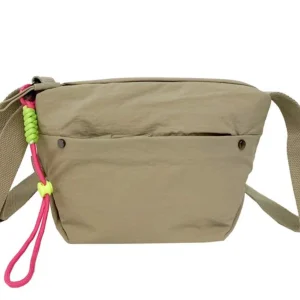
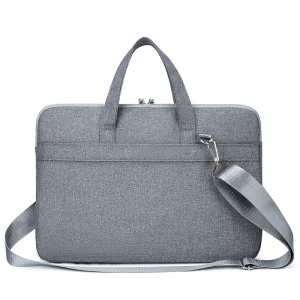
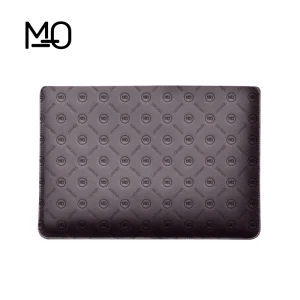
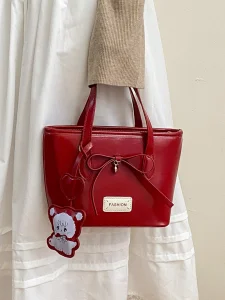
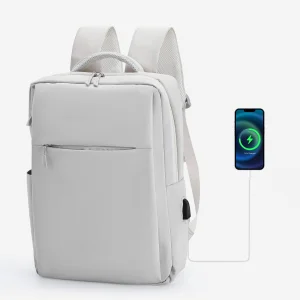
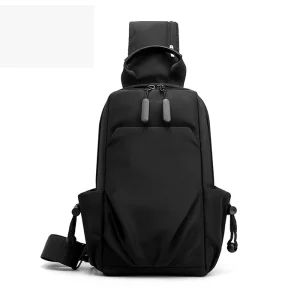
In the contemporary global travel and fashion landscape, the "Crossbody Organizer" has transitioned from a niche accessory to a critical component of everyday carry (EDC) solutions. The convergence of urban mobility, hybrid work environments, and international travel has triggered an exponential demand for compact, multi-functional carrying systems. As a result, B2B buyers—ranging from high-end designer brands to corporate promotional buyers—are constantly looking for manufacturing partners that can bridge the gap between aesthetics and rugged performance.
Modern crossbody organizers require comprehensive engineering. They are no longer simple pouches; they must integrate complex organizational pockets, designated zones for technology (such as RFID-blocking sleeves and tablet segments), and ergonomic weight distribution networks. Manufacturers in leading clusters, particularly Baigou Town in Hebei Province, China, have responded by implementing automated precision cutting, advanced materials sourcing, and strict structural testing to ensure that these bags withstand the rigors of modern transit.
"For modern B2B sourcing agents, finding a crossbody organizer manufacturer requires looking beyond standard cut-and-sew operations. The focus must be on raw material longevity, supply chain agility, compliance certifications, and structural design capabilities."
The manufacturing of luggage and leather goods is highly dependent on regional clusters. In China, Baigou Town in Baoding City, Hebei Province, has earned its title as the "luggage capital of China" by hosting a complete, vertically integrated supply chain ecosystem. For sourcing managers, this cluster effect translates to incredible advantages:
Hebei Ripped Fashion Co., Ltd., established in 2009 in this very epicentre, leverages this industrial framework to offer competitive, direct-factory rates without compromising on materials or workmanship. By utilizing the mature local supply network, the company processes customized, high-volume orders with significantly lower lead times than manufacturers based outside these dedicated hubs.
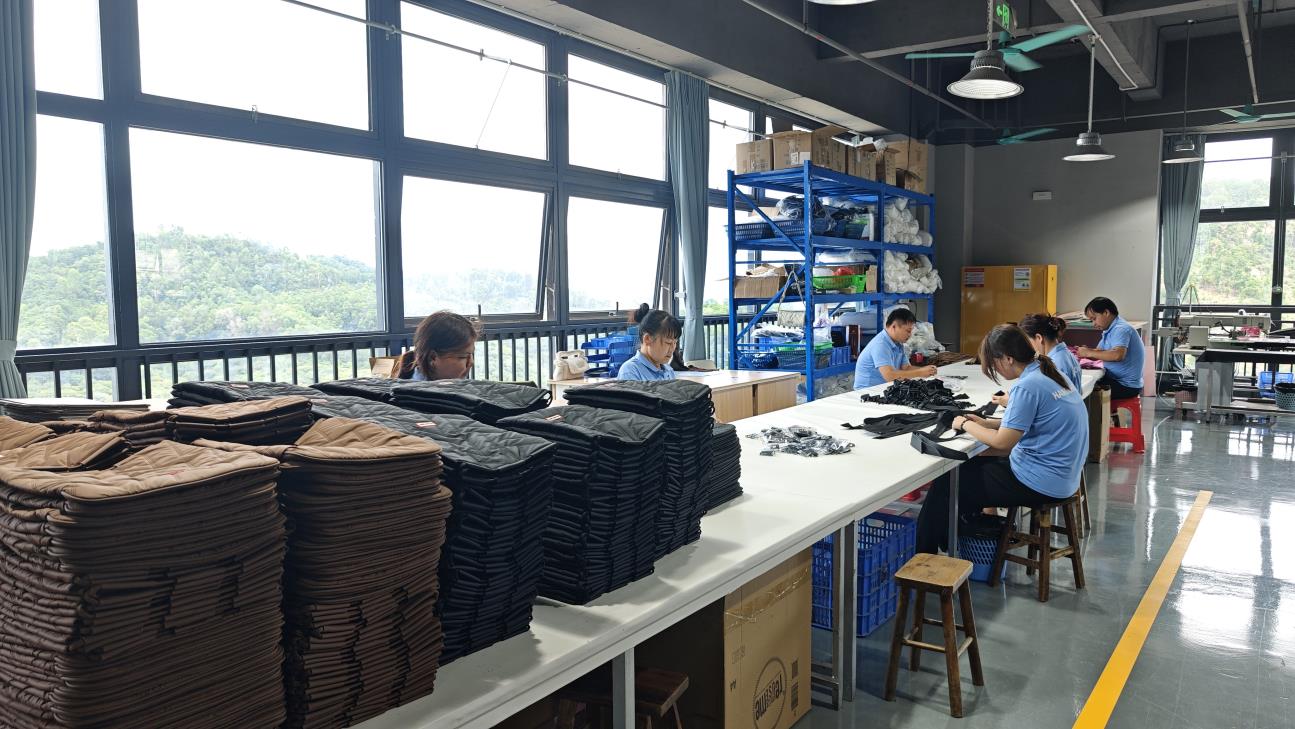
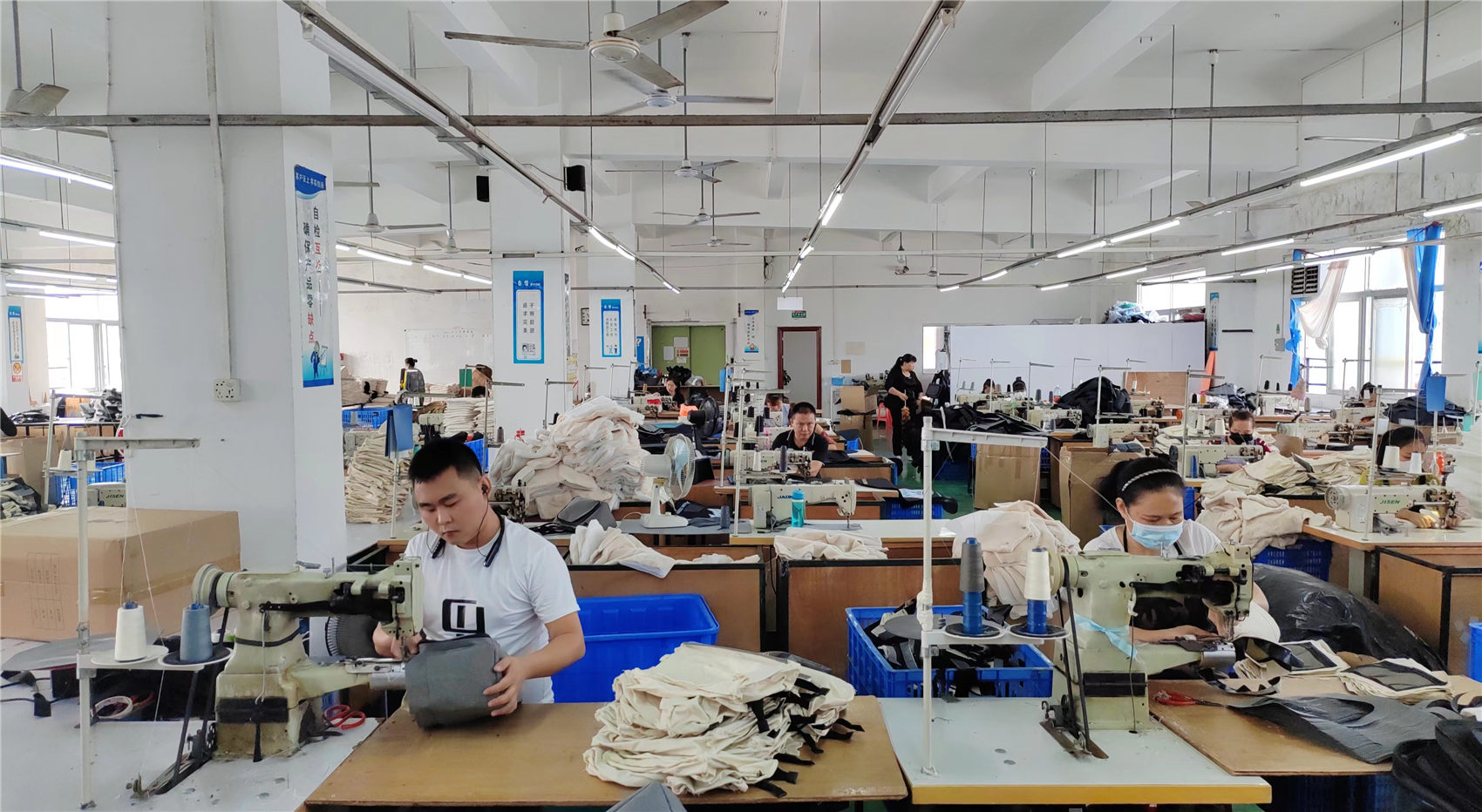
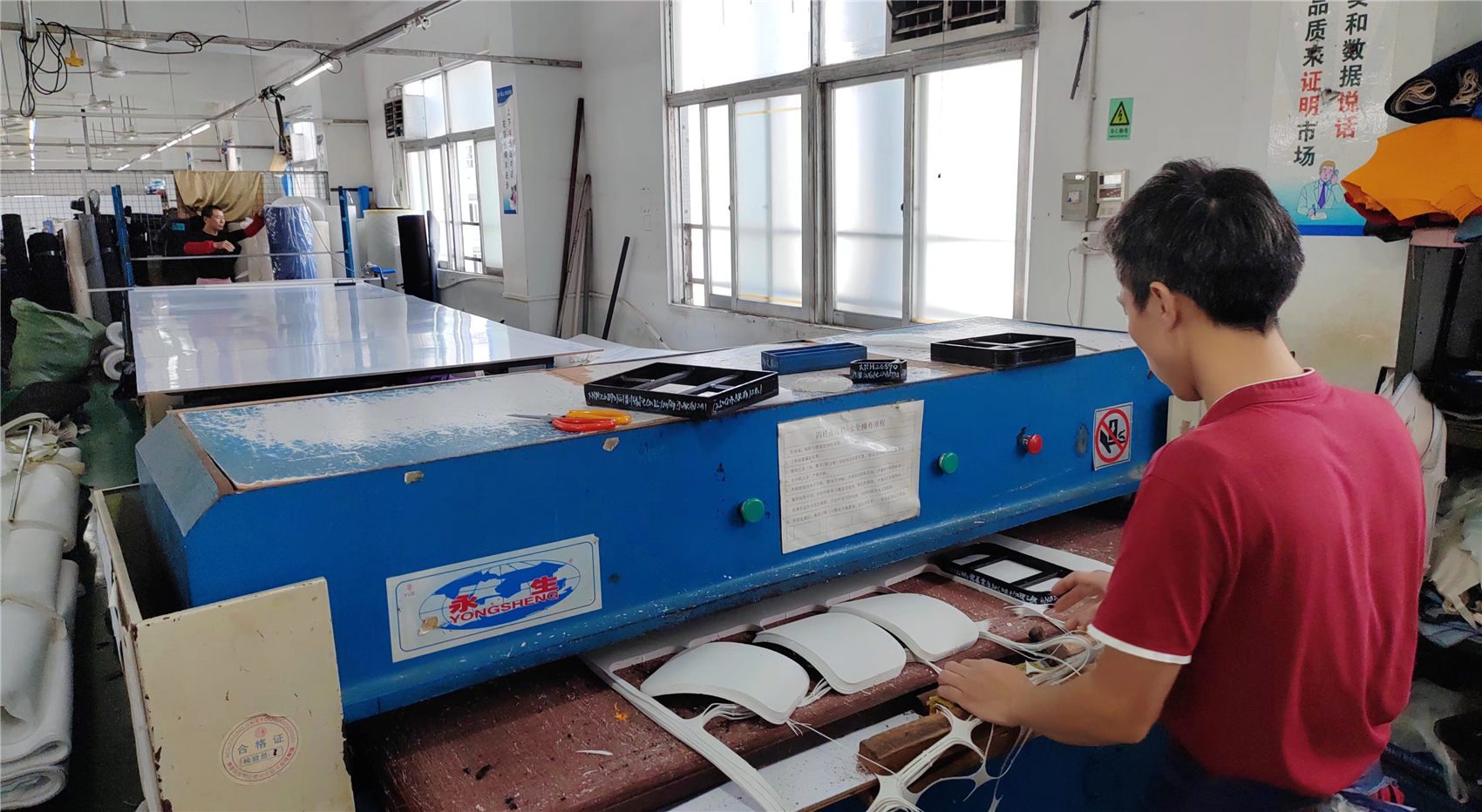
With more than two decades of combined operational experience in bag manufacturing, Hebei Ripped Fashion Co., Ltd. has established itself as a premier OEM/ODM partner for global fashion and travel brands. The facility features a 2,000-square-meter modern production workshop designed to streamline workflows from raw fabric inspection to final product packaging.
Operating with a workforce of over 300 skilled professionals, Ripped Fashion ensures that every assembly line is supervised by senior quality control inspectors. Specializing in handbags, backpacks, waist bags, and crossbody organizers, our product pipeline is continuously updated to follow international fashion trends while prioritizing wear-resistance and practical compartments.
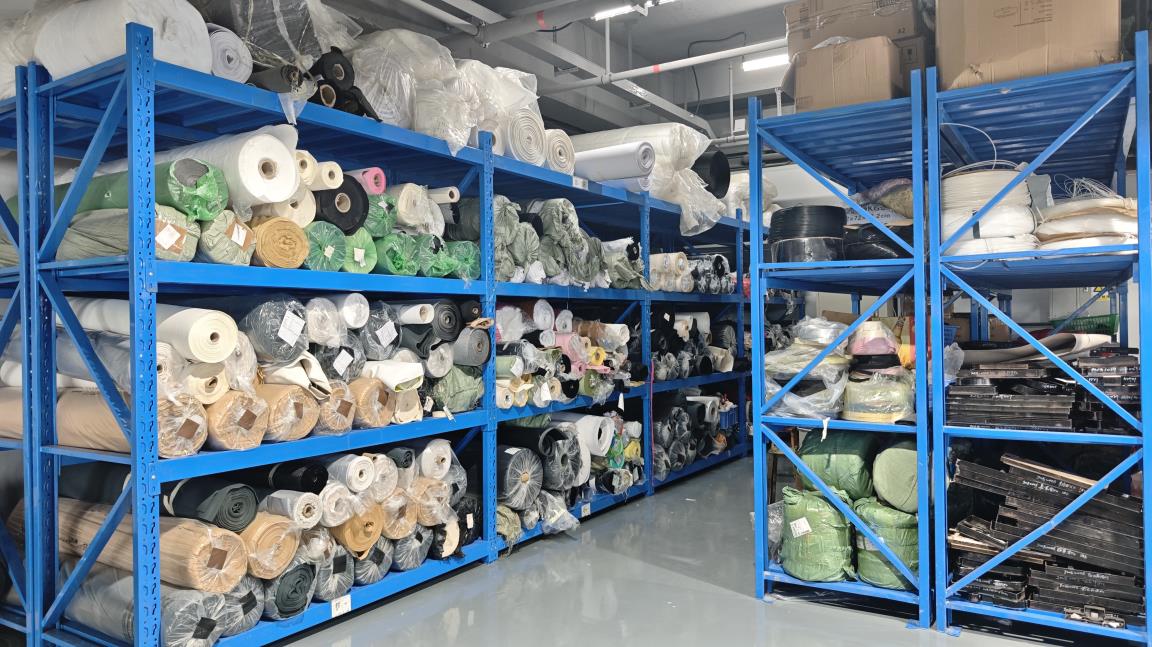
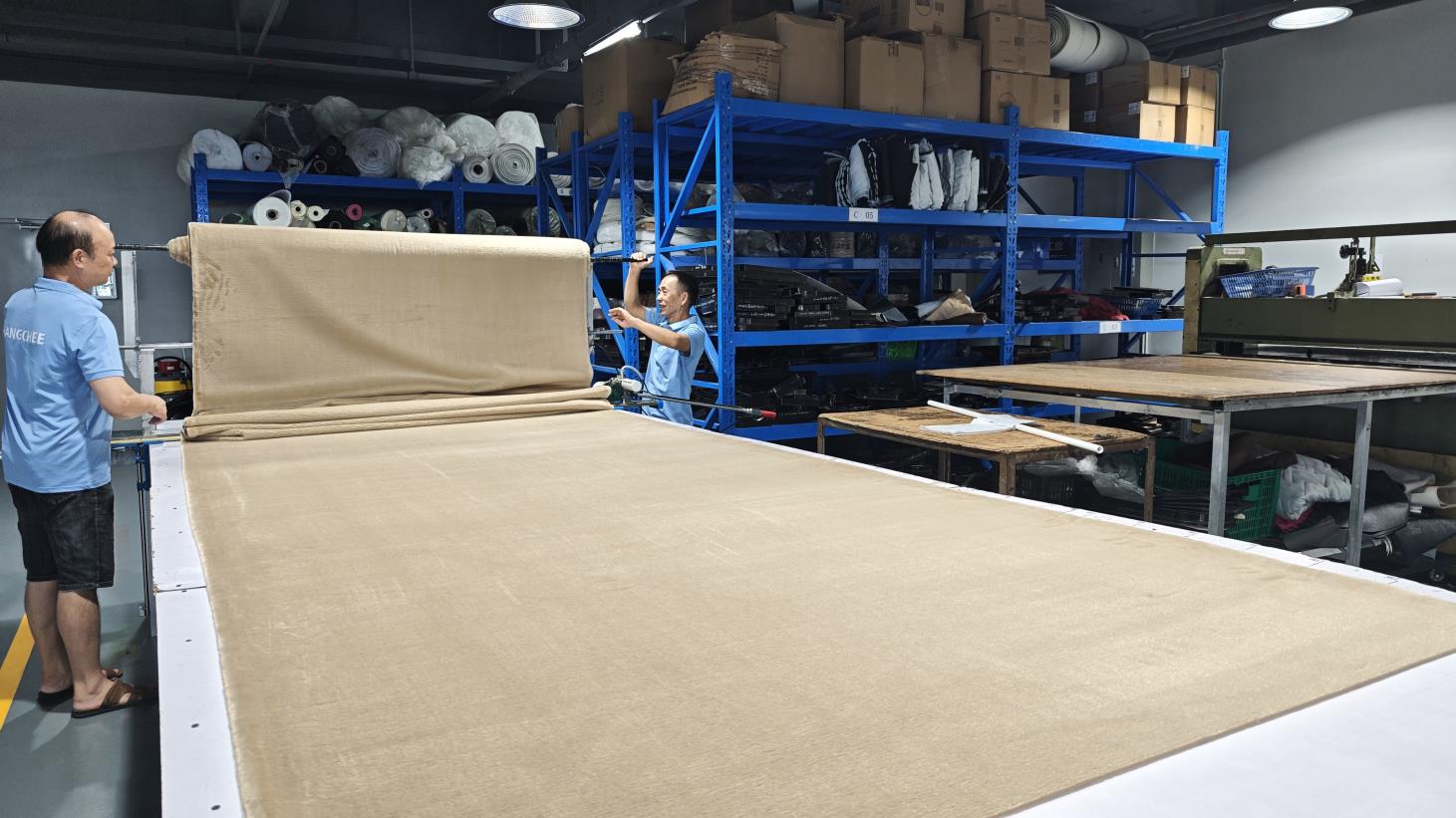
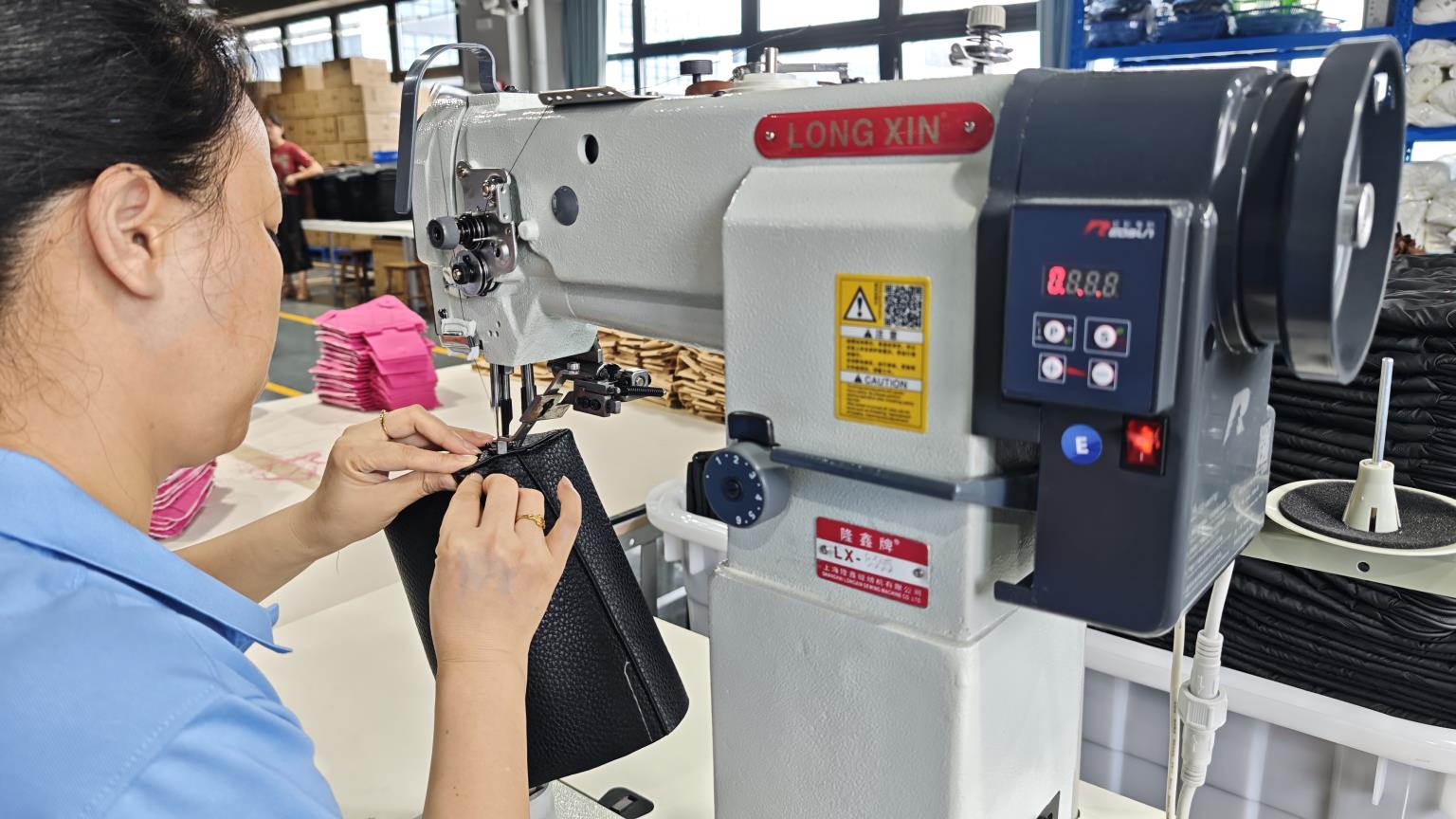
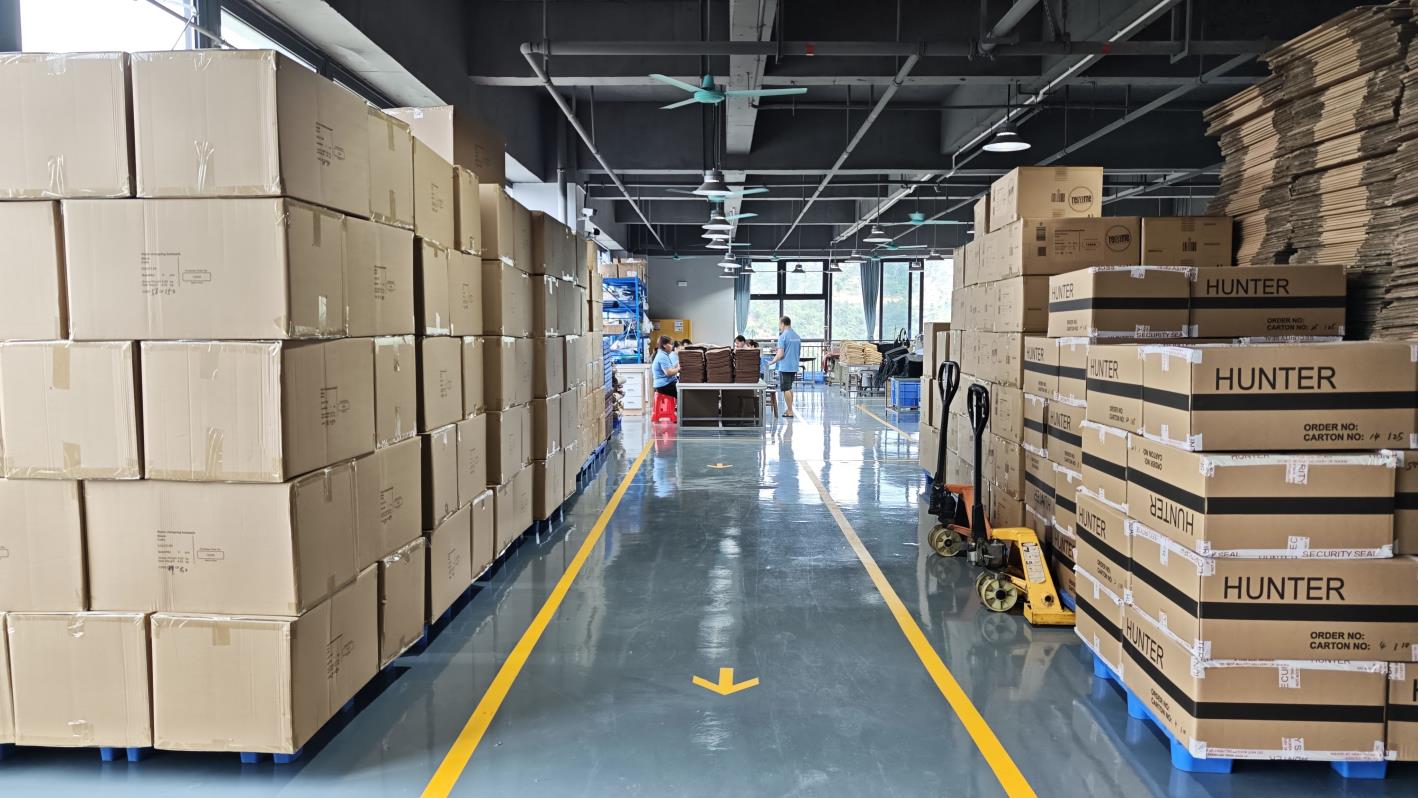
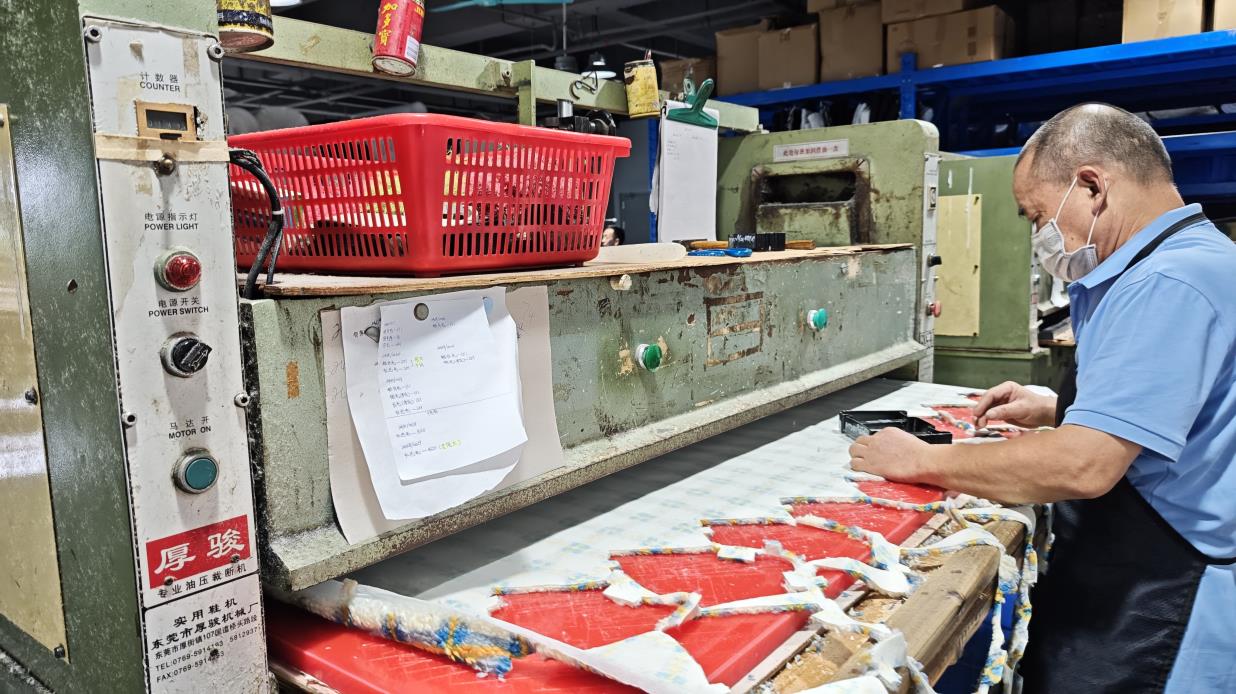
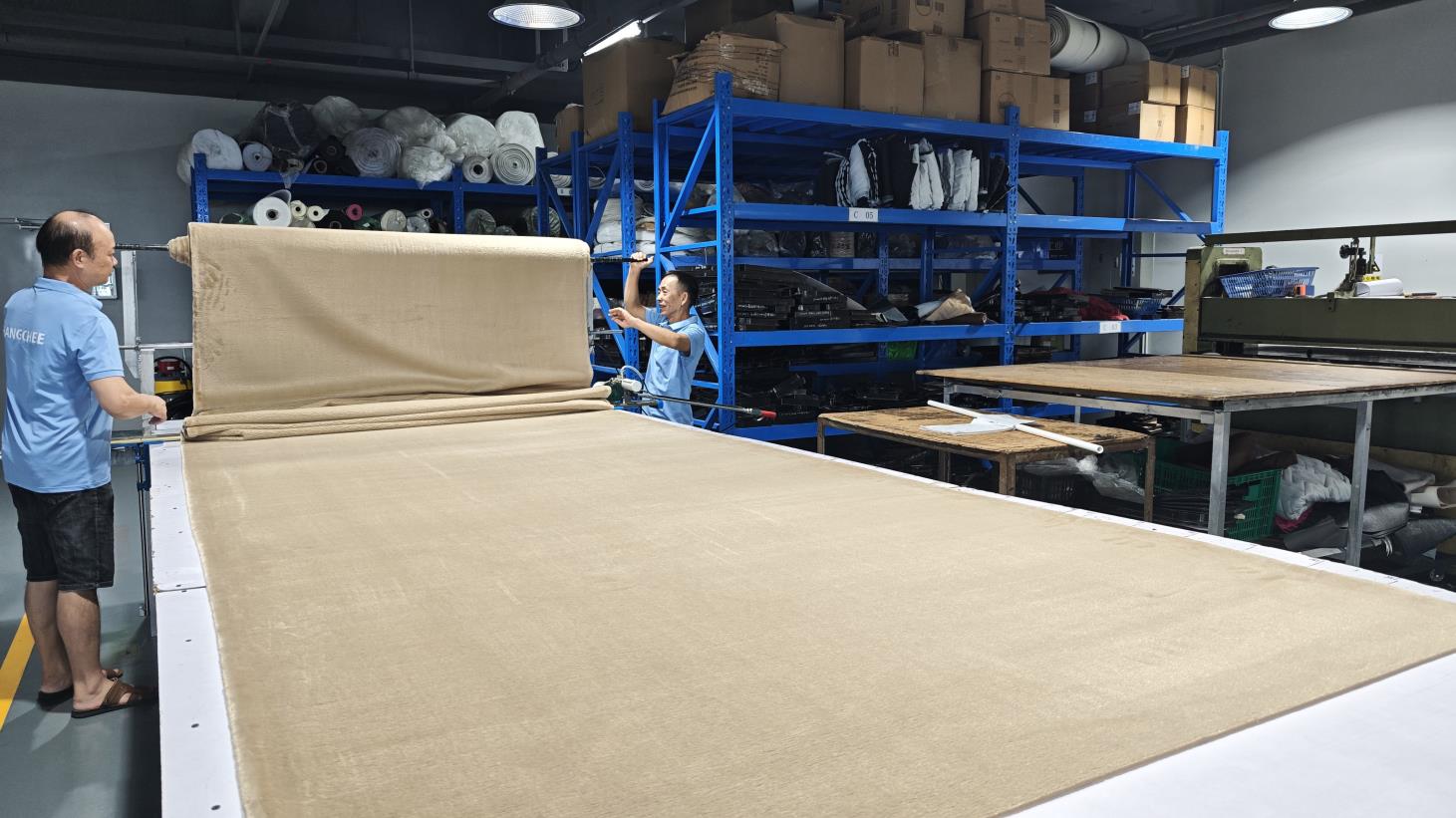
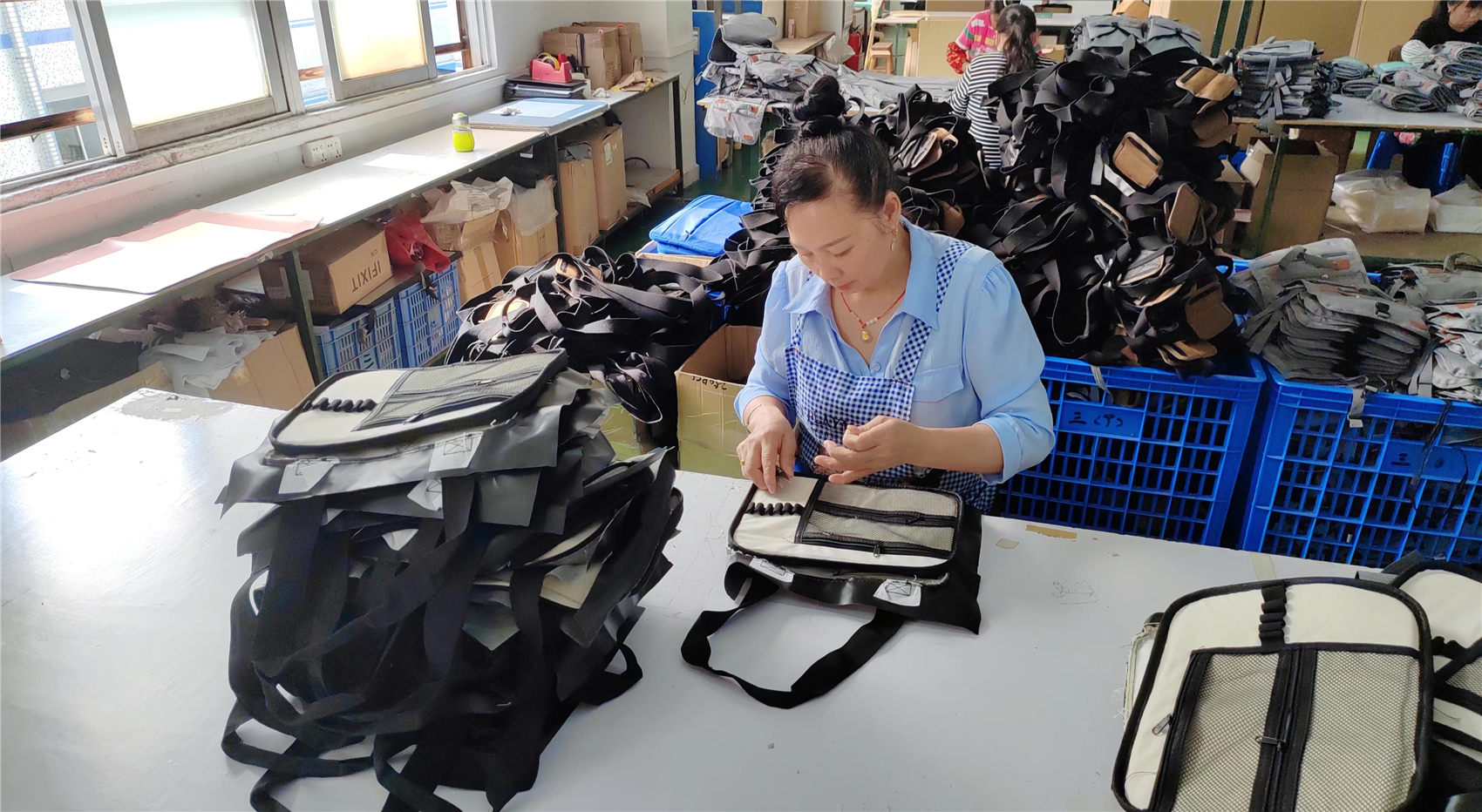
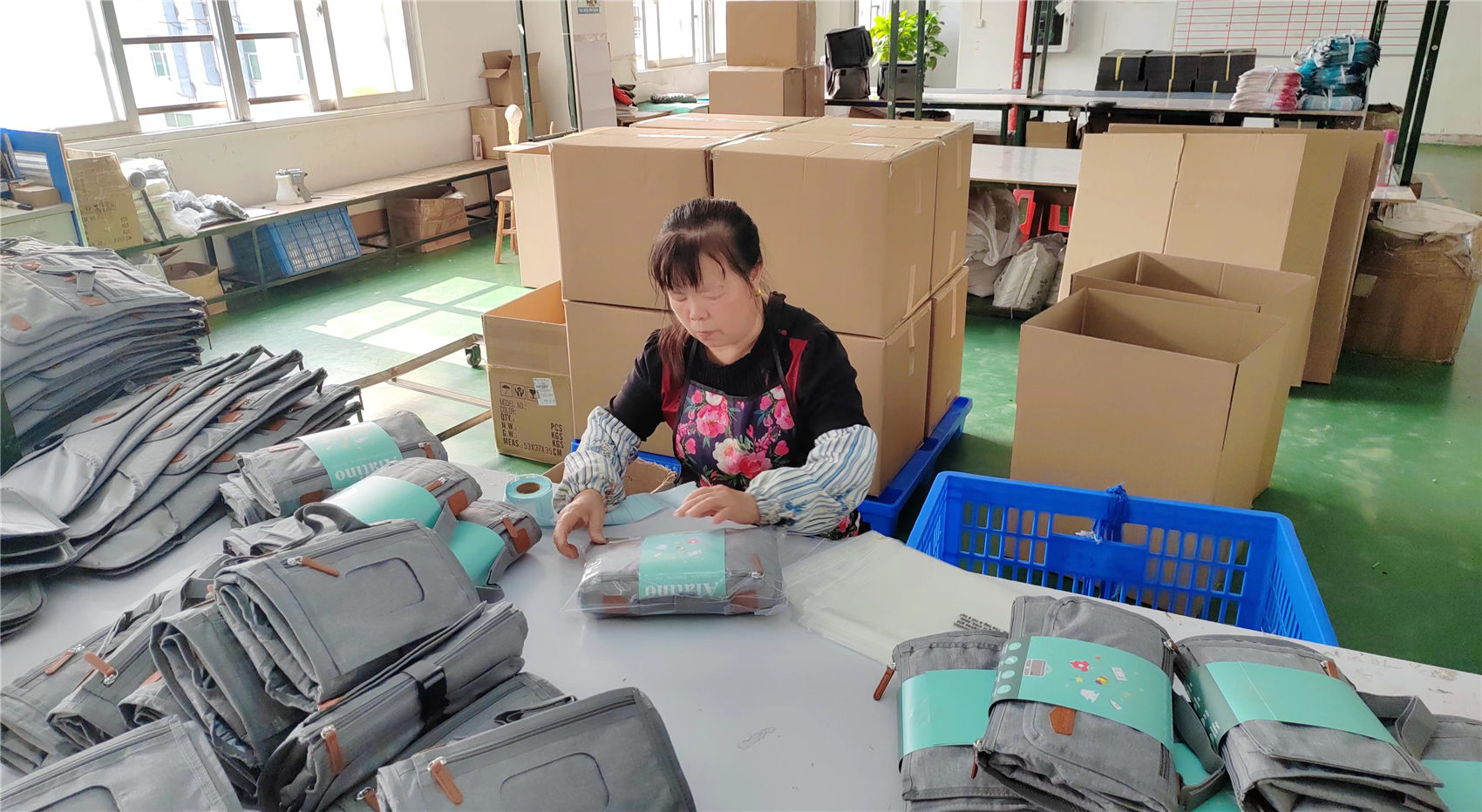
From raw material sourcing to precise cutting, sewing, and final quality control. Standardized processes ensure consistent high quality.
Navigating global supply chain regulations is crucial for B2B buyers. Sourcing from our factory ensures seamless regulatory compliance in all destination markets:
From an operational standpoint, we offer comprehensive localization support. Whether you require country-specific barcode labeling, custom retail-ready display boxes, or tailored multi-lingual insert manuals, our design team adjusts the packaging line to fit your local market's regulations and retail requirements.
The crossbody organizer category is rapidly evolving. At Hebei Ripped Fashion, our engineering roadmap for 2026 and beyond concentrates on three primary innovation pillars:
A. Advanced Material Science: We are transitioning our core collections toward certified recycled fabrics (such as rPET canvas derived from post-consumer plastic bottles) and bio-based polyurethane (PU) leathers. These materials offer the exact tactile luxury of traditional materials but reduce our environmental footprint by up to 45%.
B. Anti-Theft & Digital Security Integrations: With the rise of RFID cloning, all new business-focused crossbody organizer lines feature multi-layered RFID-blocking linings. We are also testing magnetic quick-release Fidlock buckles that resist opportunistic theft while remaining exceptionally user-friendly for the wearer.
C. Ergonomic Load Engineering: Utilizing high-density foam straps and custom honeycomb air-mesh back pads, our designs reduce strain on the shoulders and neck by actively dispersing weight across the torso.
Multi-stage testing includes zipper cycles, tensile strap strength, water-repellency verification, and double-stitched seam checks before boxing.
Transform technical drawings into physical samples within 5 to 7 days, utilizing our local material ecosystem and dedicated pattern makers.
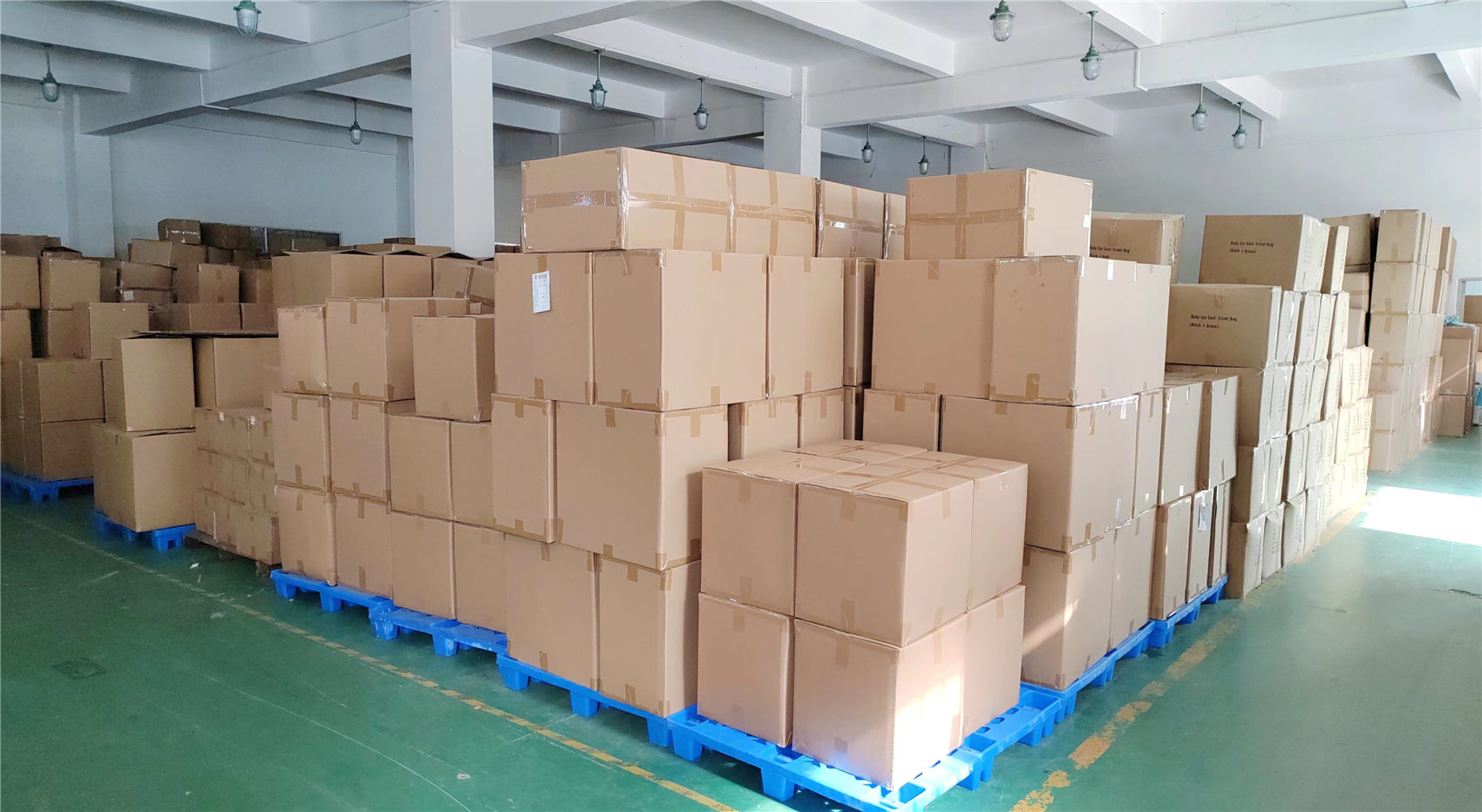
Seamless door-to-door forwarding agreements with leading carriers, optimizing shipping timelines to North America, Europe, and the Middle East.
Premium designer-grade cowhide leather, lightweight canvas, and tech accessories designed for maximum aesthetic value and utility.

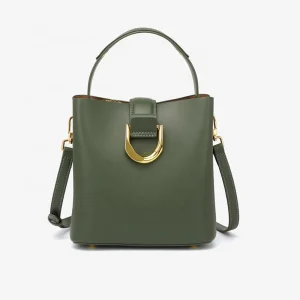
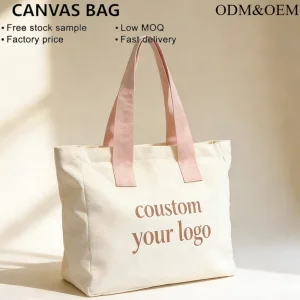
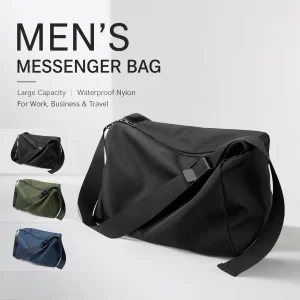
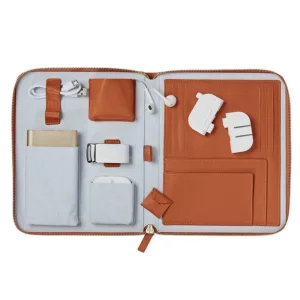
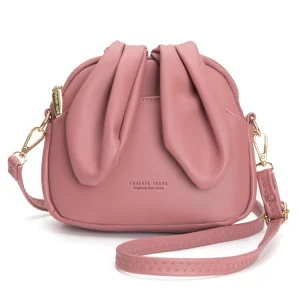
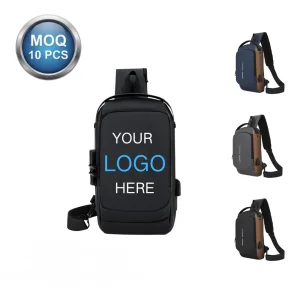
Answers to essential manufacturing and supply chain questions for professional sourcing managers.
 Ripped Fashion