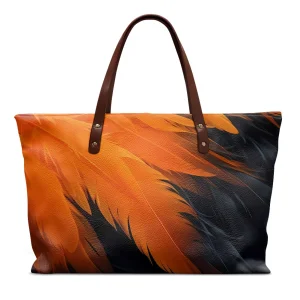
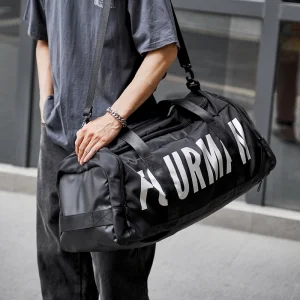
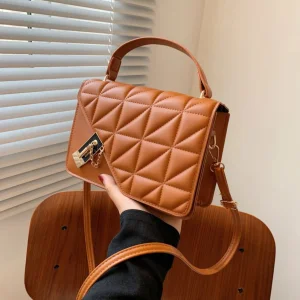
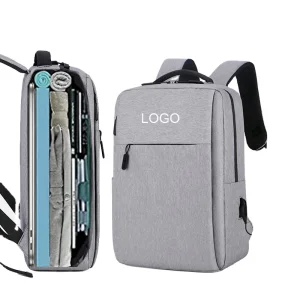
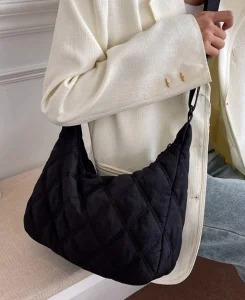
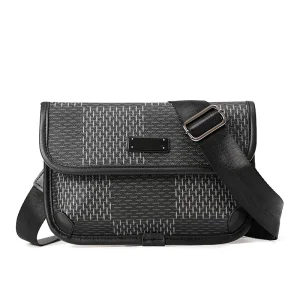
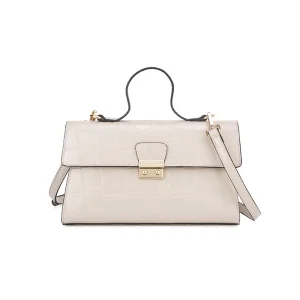
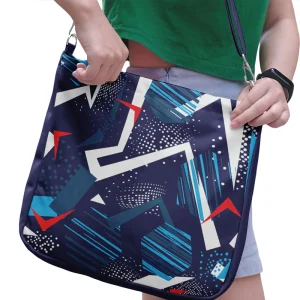
Discover our primary product portfolio, combining technical materials with premium structural durability.
The landscape of pediatric travel gear is undergoing a transformation driven by biotechnology, ergonomics, and material engineering.
The standard 600D polyester is being replaced by high-performance, post-consumer recycled fabrics like rPET and marine-bound plastics. These textiles undergo strict toxicity filtration, ensuring they are free of persistent organic pollutants (POPs) and conform to global green initiatives.
Using finite element analysis (FEA), modern designs dynamically adapt to the wearer's gait. Interlocking suspension harnesses and load-lifter straps prevent axial compression of the spine by shifting the vector weight from the cervical vertebrae to the stronger pelvic girdle.
IoT-ready components are reshaping child safety. Integration paths include seamless, non-metal compartments for GPS tracker systems, passive RFID security panels to assist automated transit gates, and high-visibility photo-luminescent piping that does not rely on ambient battery power.
How scientific engineering prevents axial load injuries and improves childhood developmental ergonomics.
A major focus of modern B2B buyers is mitigating potential spinal stress in growing children. Regulatory bodies and orthopedic associations suggest that a child's backpack should not exceed 10% to 15% of their total body weight. To meet this requirement, manufacturers must focus on both lightweight structural materials and efficient load distribution.
Our back panels utilize multi-density, open-cell EVA foam configured in an air-bridge design. This structure reduces the back-contact surface area by up to 40%, optimizing convection cooling and preventing perspiration build-up during long commutes.
Unlike straight straps that press against the armpits and clavicular nerves, our contoured S-shape straps distribute weight evenly across the pectoral and trapezius muscles, preventing circulation issues and maintaining natural posture.
Integrated compression straps keep contents close to the child's center of gravity. This design limits shifting during physical movement, protecting the lumbar region from abrupt lateral impacts.
Operating from Baigou Town, Baoding City, Hebei Province—the luggage capital of China.
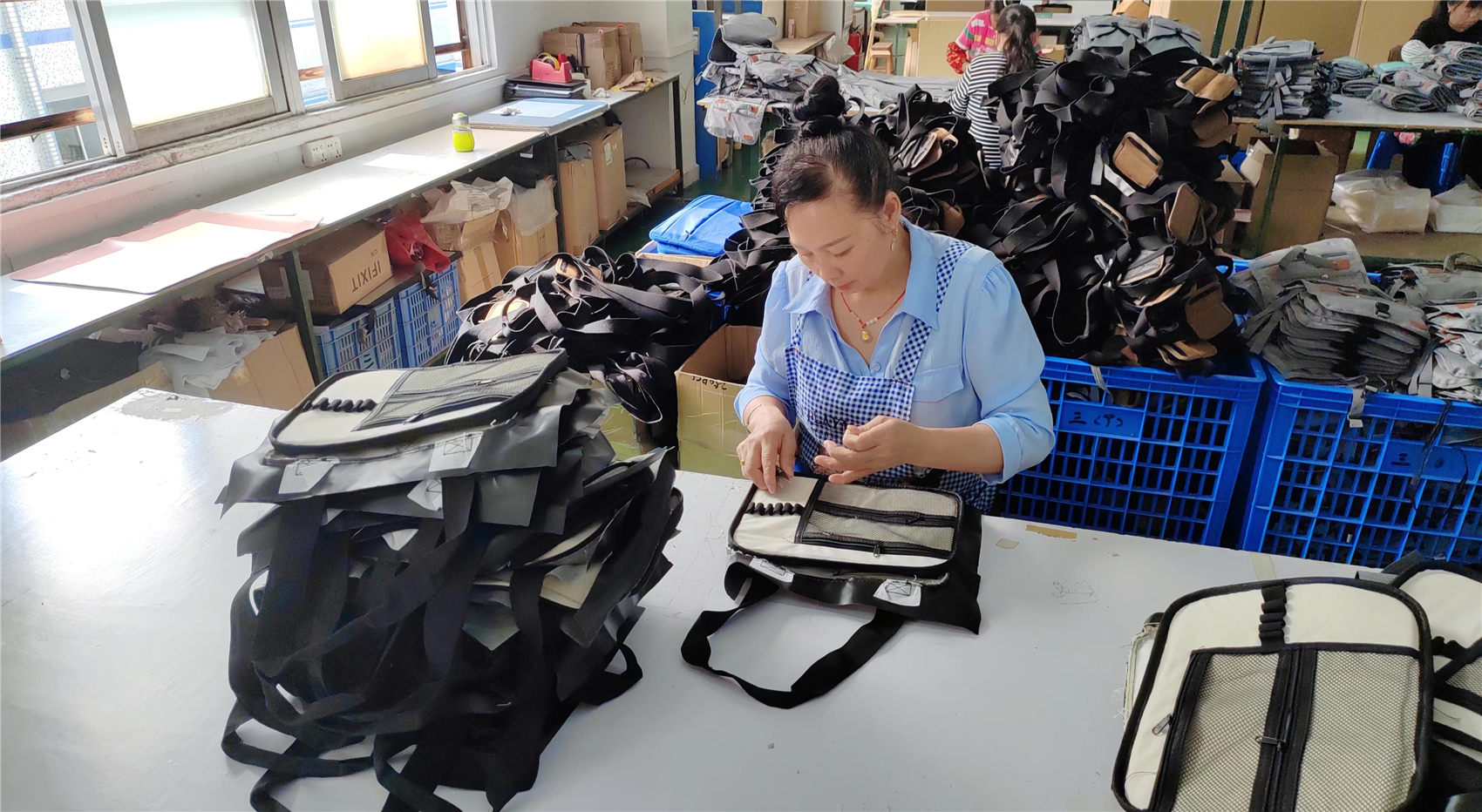
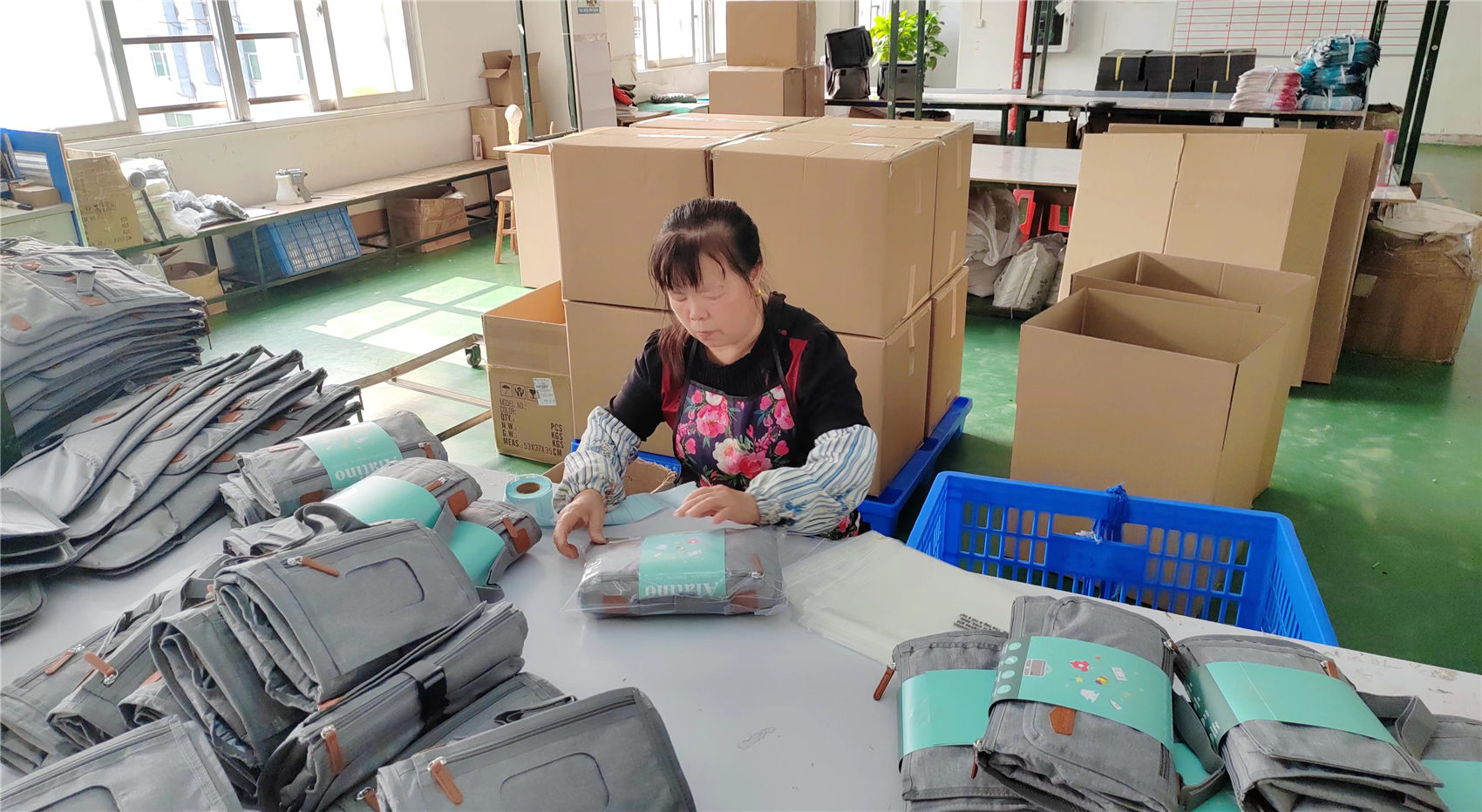
Established in 2009, Hebei Ripped Fashion Co., Ltd. leverages a highly developed local ecosystem to deliver resilient, cost-effective OEM and ODM services. With over 20 years of collective manufacturing experience, the company operates a 3,000-square-meter facility, featuring a 2,000-square-meter production floor run by 300+ skilled workers.
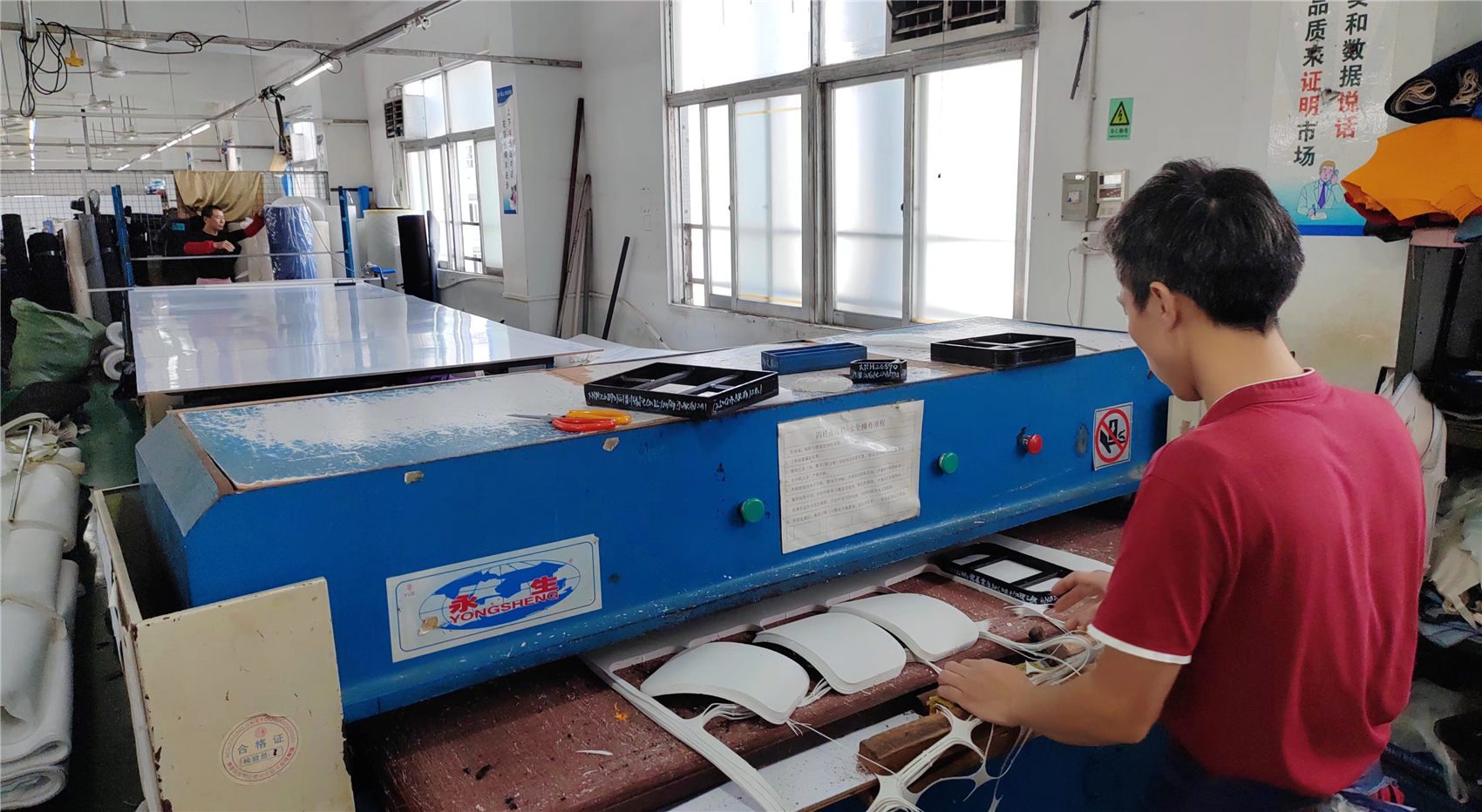
Our operation integrates advanced industrial sewing equipment, laser cutting machinery, and structured QC workflows to ensure consistent product quality and fast delivery to international markets.
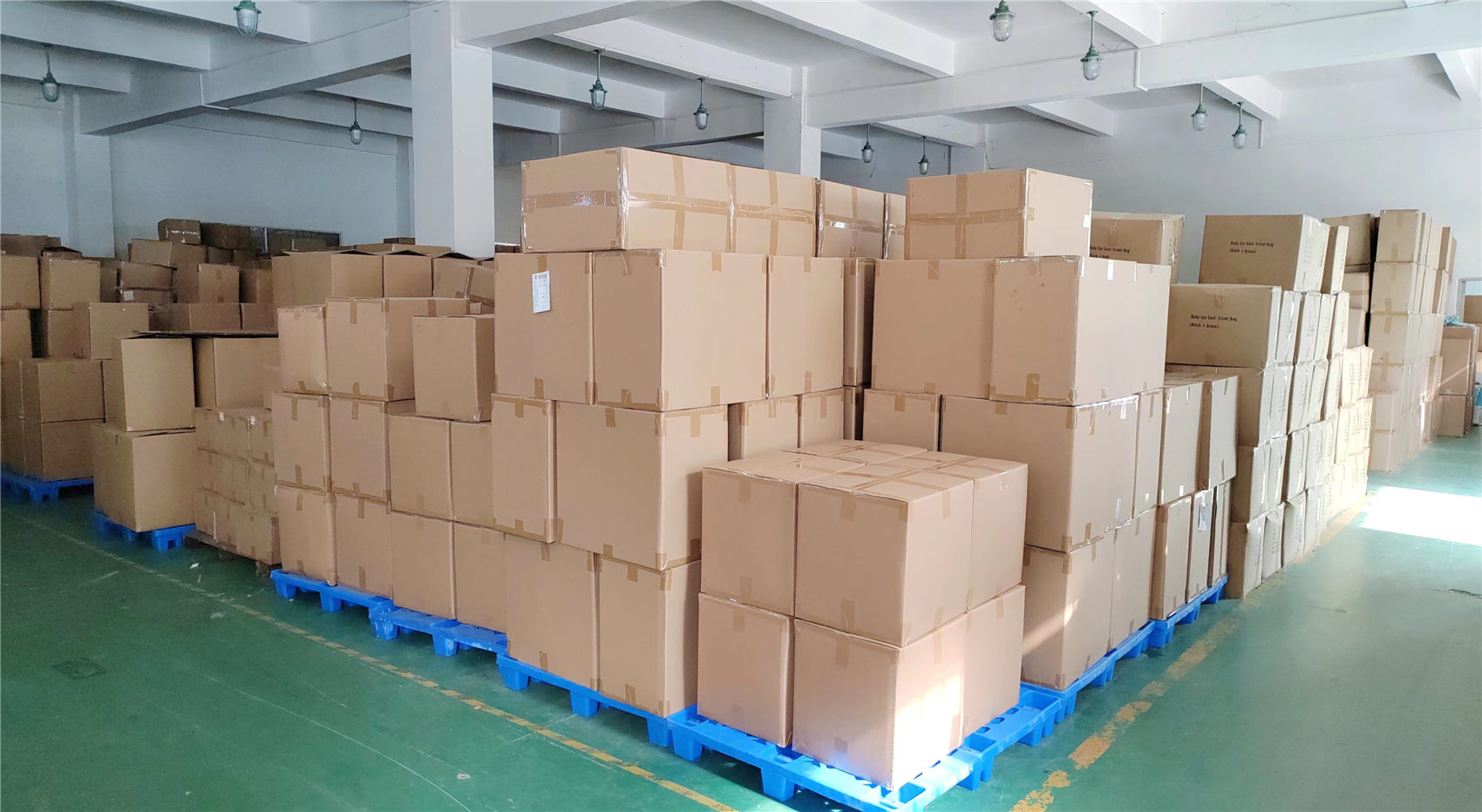
A detailed look at our production line, from raw material sourcing to packaging and logistics.
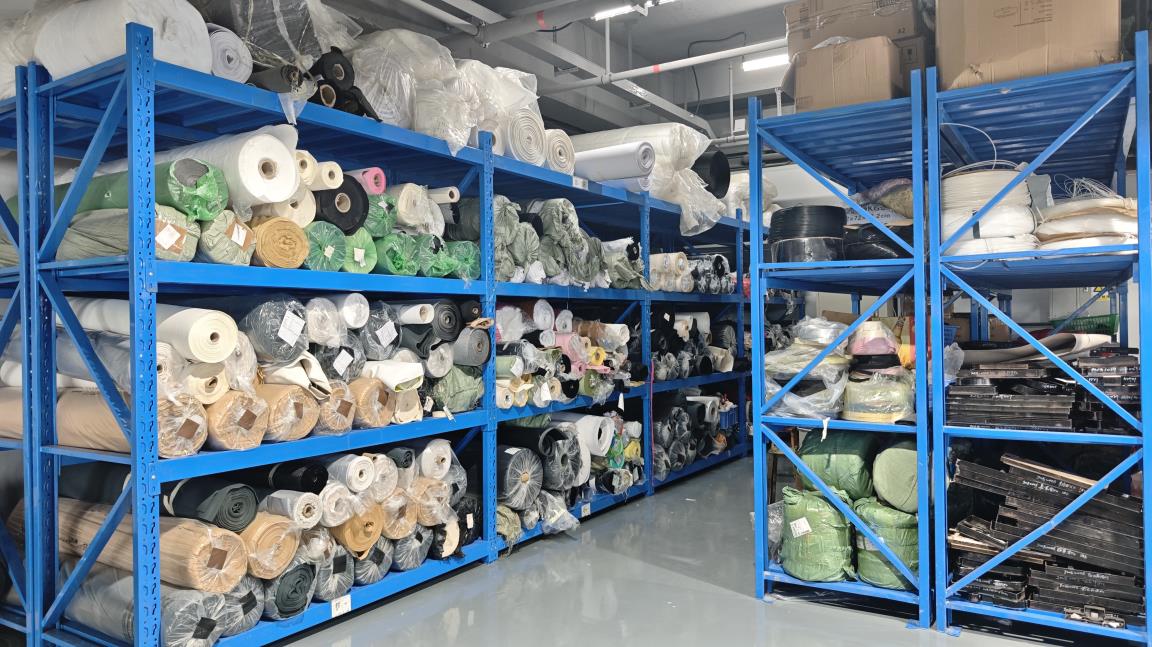
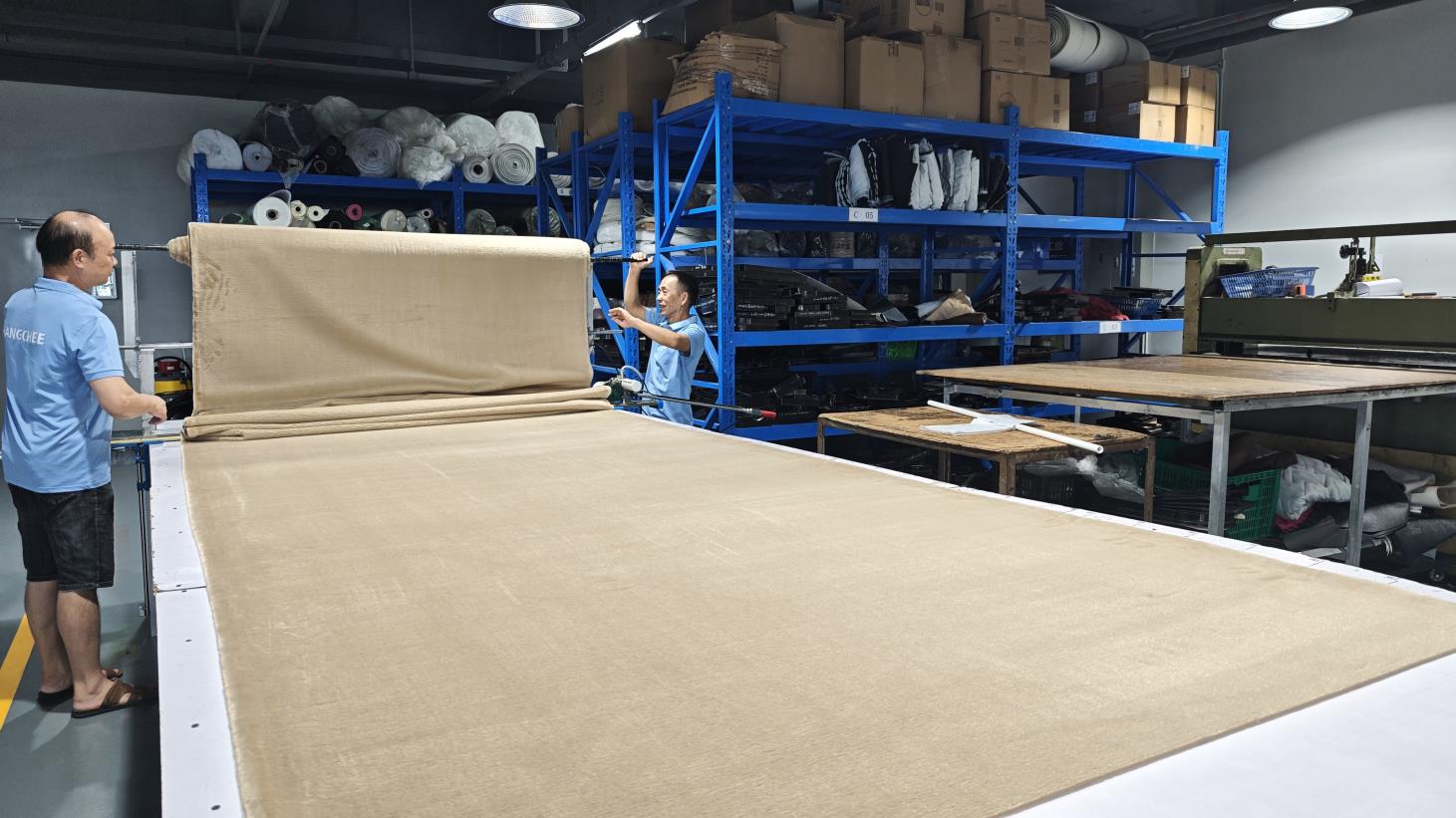
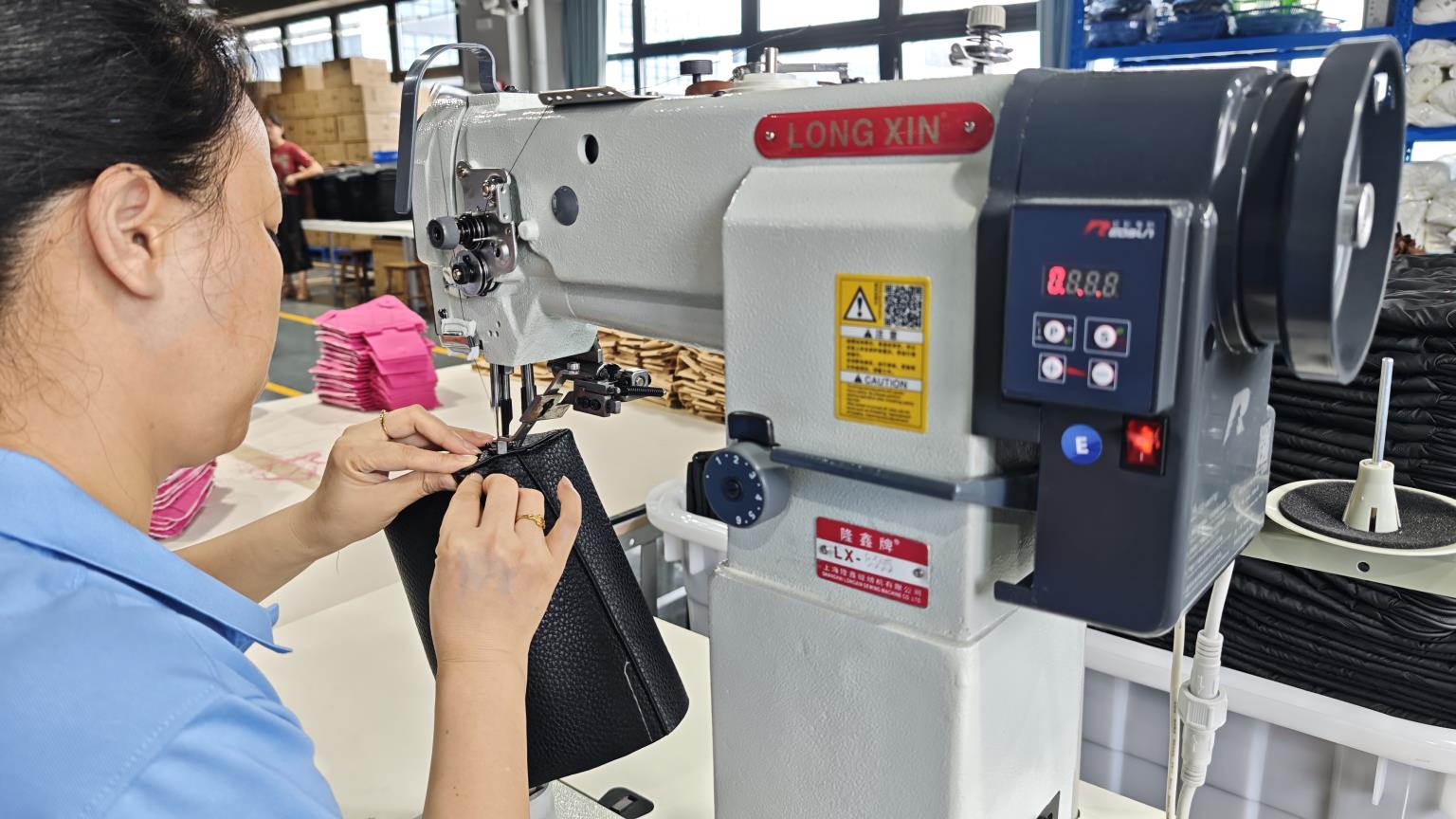
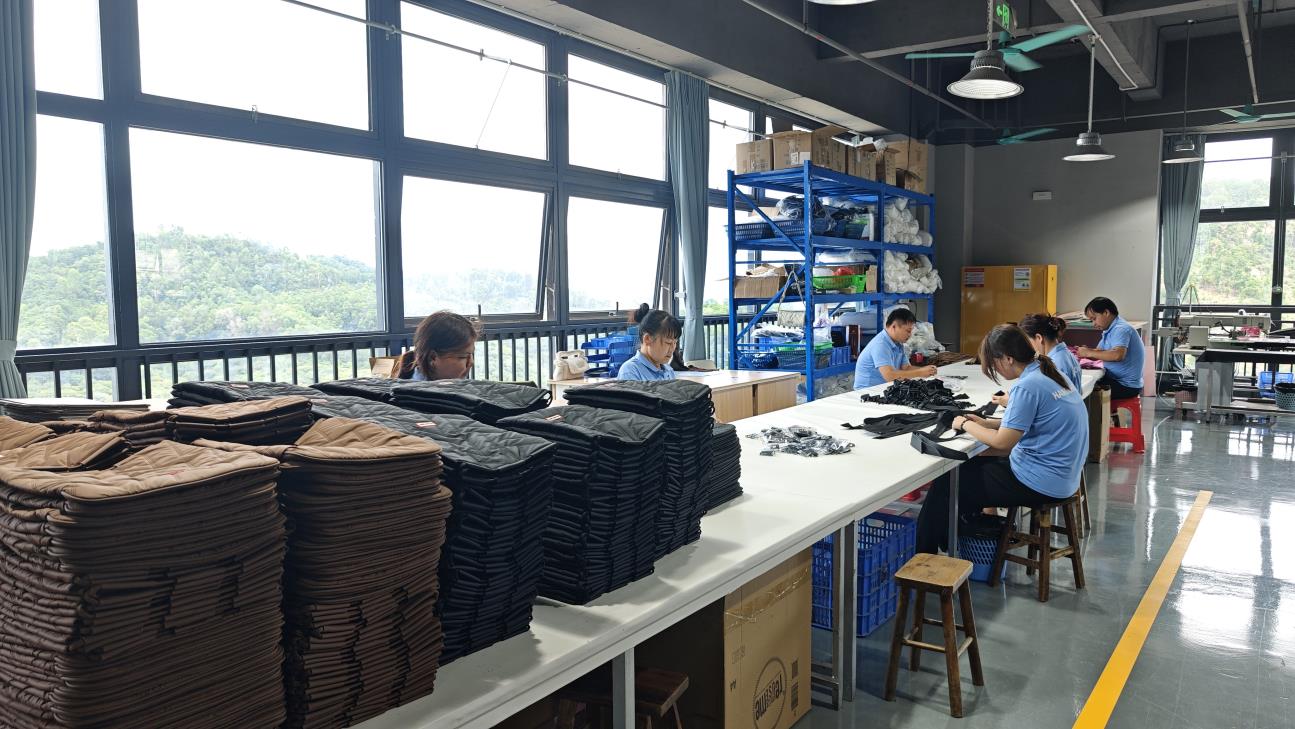
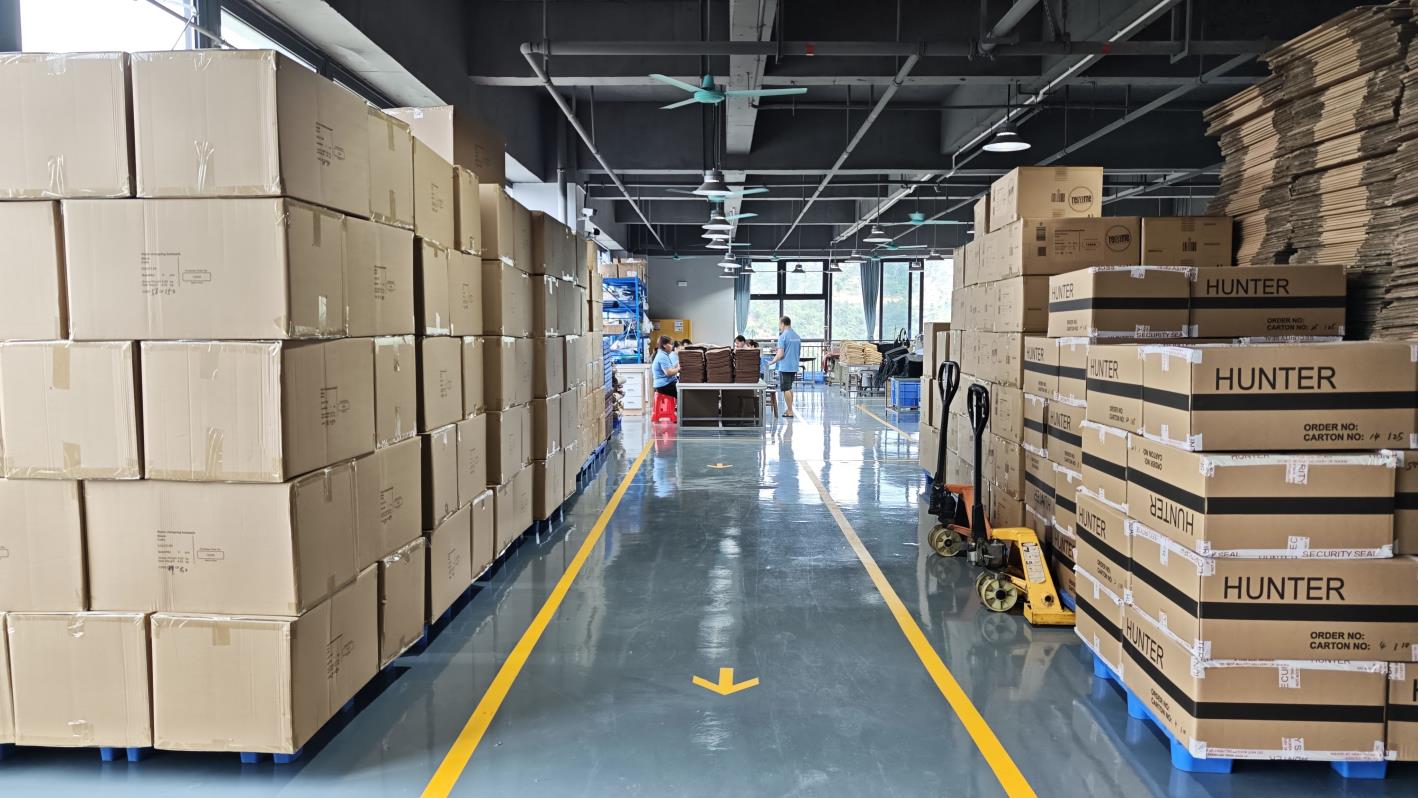
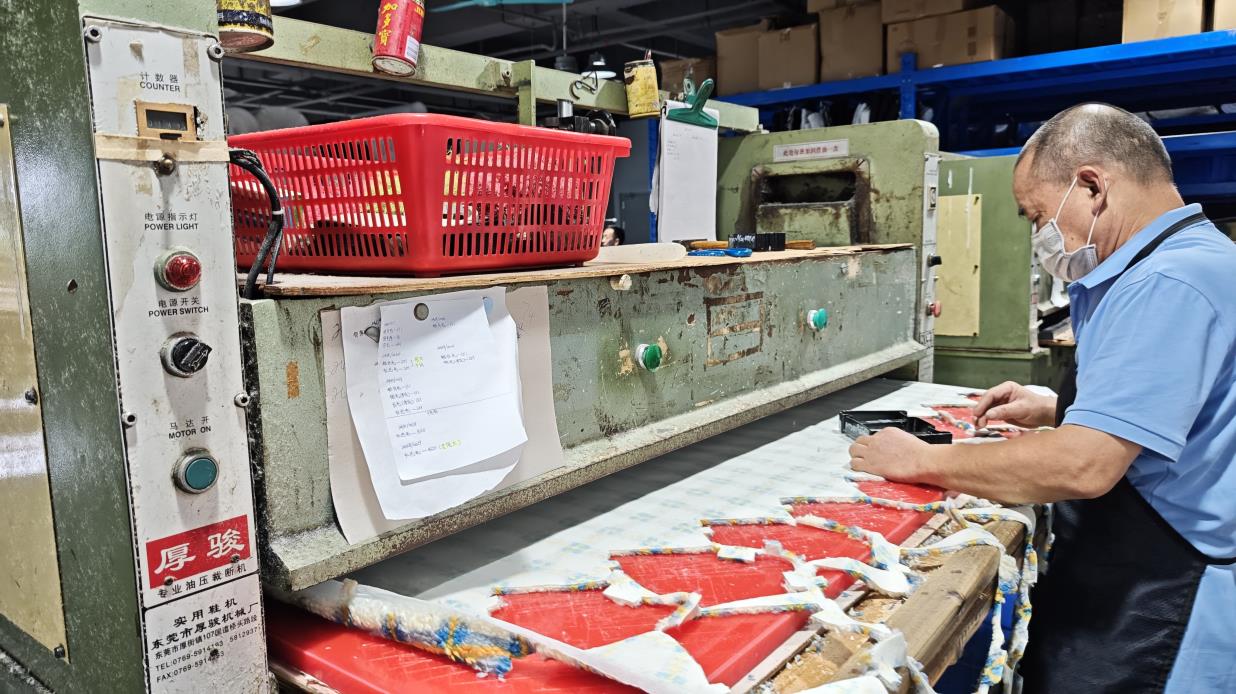
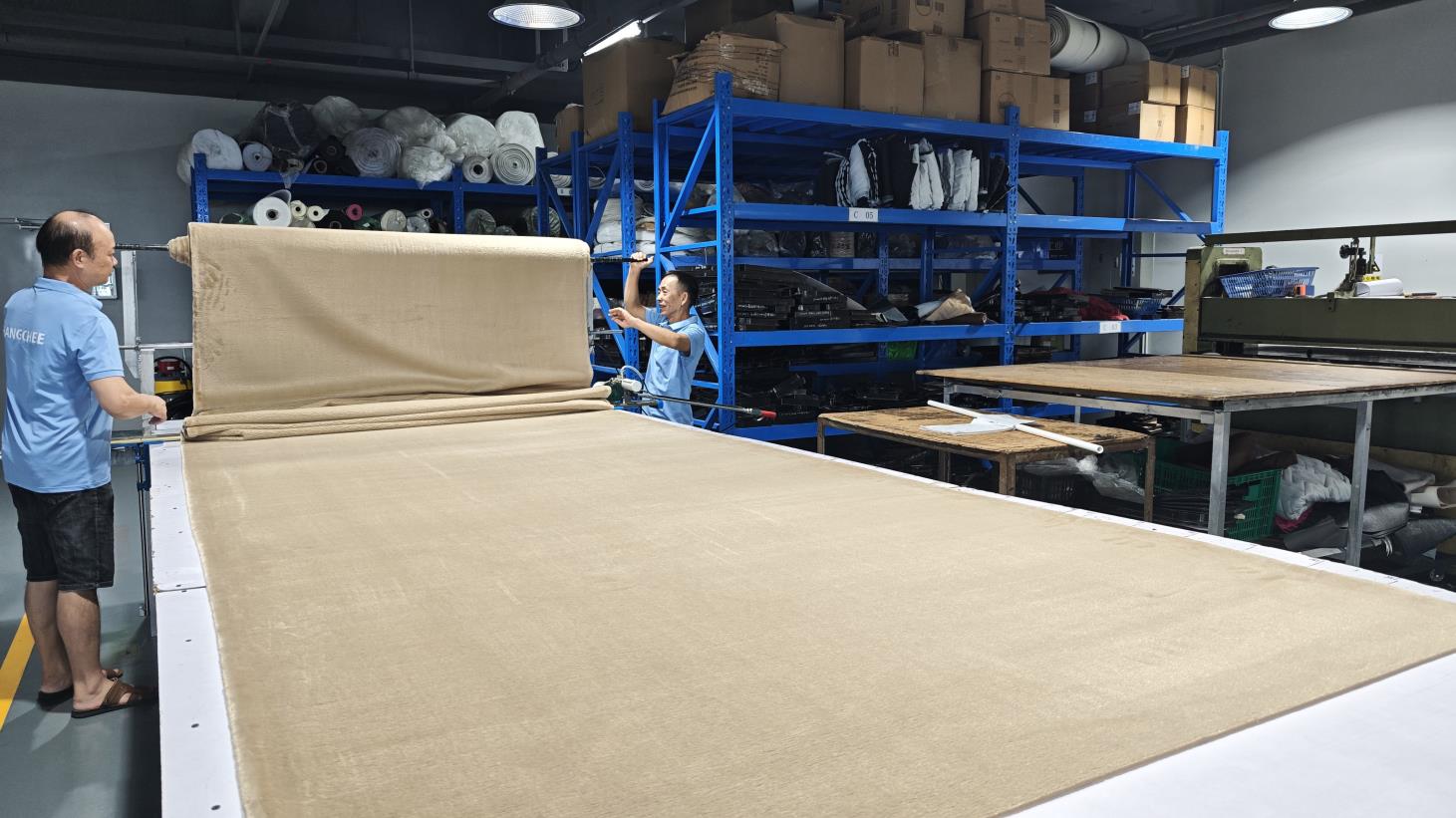
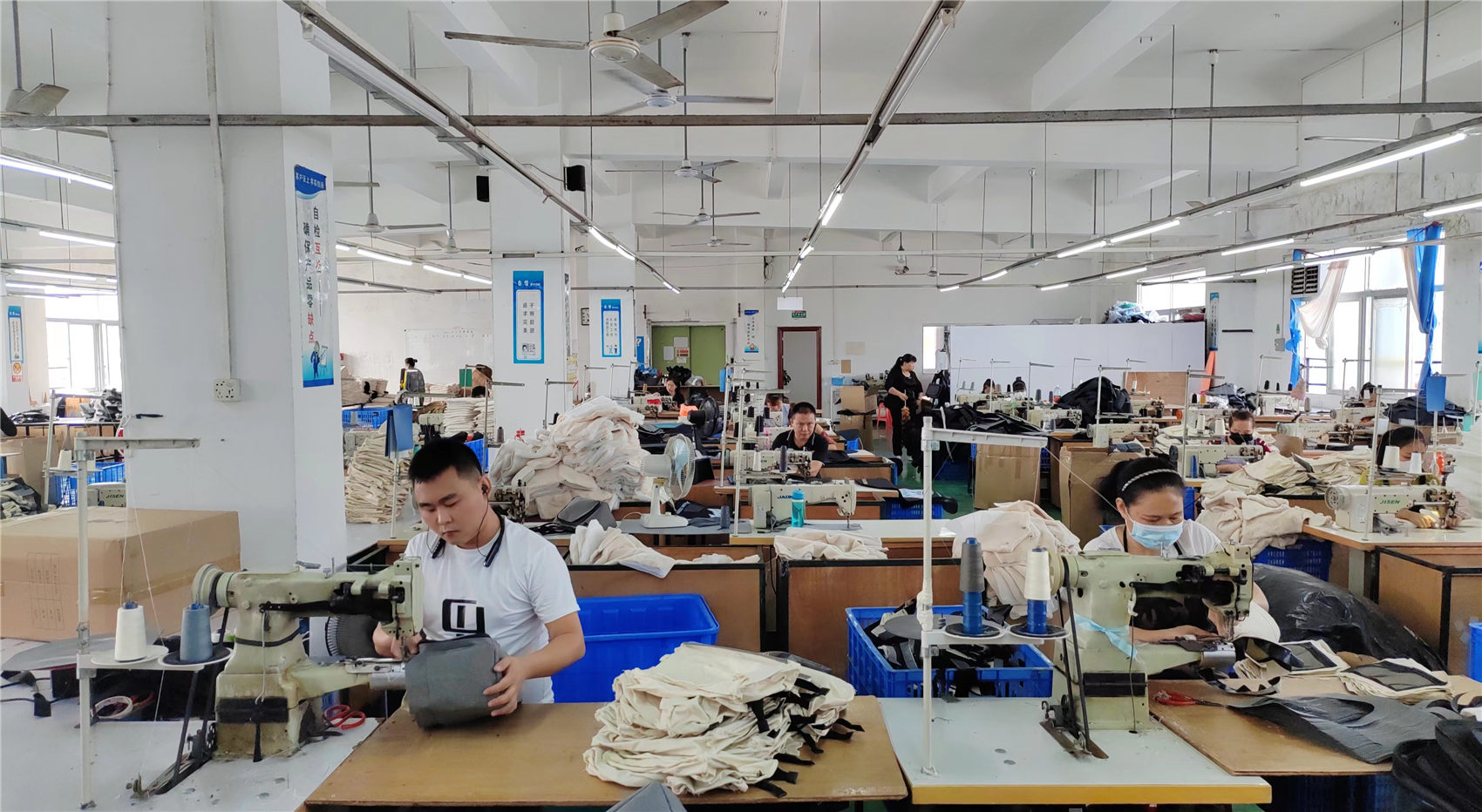
Ensuring products meet global quality certifications for international distribution.
For children's gear, compliance is a core requirement rather than an option. Sourcing goods for the North American and European Union markets requires strict adherence to physical, mechanical, and chemical safety standards.
Under CPSIA requirements, children’s products undergo testing for lead and phthalate content. Additionally, products must pass ASTM F963-17 testing, which regulates mechanical hazards, small parts, and sharp edges to prevent injury.
Our raw materials comply with REACH regulations, ensuring they are free from substances of very high concern (SVHCs), including azo dyes, heavy metals, and plasticizers. Physical designs are built to pass EN71 Parts 1, 2, and 3 standards.
Every backpack line undergoes tensile testing for strap pull-strength (exceeding 250N), zipper fatigue testing (surpassing 10,000 cycles), and colorfastness evaluations under wet and dry conditions to ensure long-term durability.
Strategic methods to reduce production lead times, control costs, and maintain quality.
Our design team turns concept sketches into physical samples in 5 to 7 working days. We utilize CAD pattern making and 3D prototyping to accelerate design adjustments and speed up time-to-market.
Located in the Baigou industrial area, we source buckles, high-density fabrics, and zippers directly from local manufacturers. This helps us manage raw material costs and pass those savings on to our clients.
We work with shipping ports in Tianjin and Qingdao to offer flexible logistics solutions, including FOB, CIF, DDP, and LCL cargo consolidation, helping to reduce transportation costs.
Answers to common questions about our custom manufacturing and ordering process.
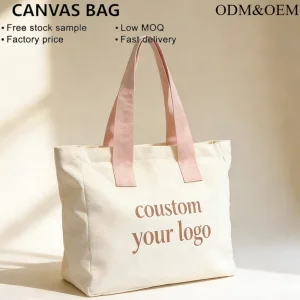
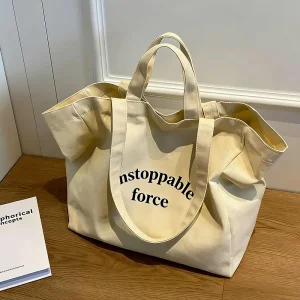
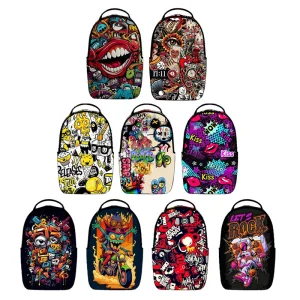
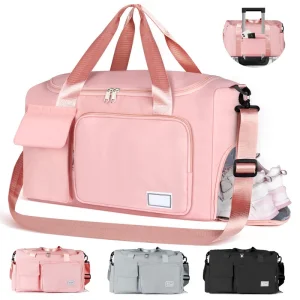
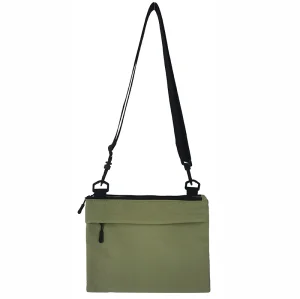
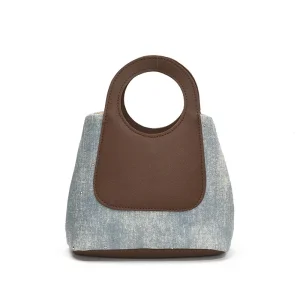
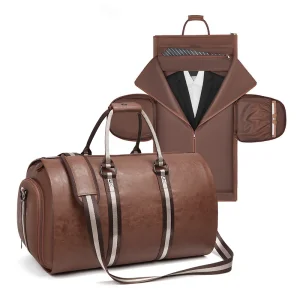
Explore our full selection of casual bags, canvas totes, and specialty luggage options.

 Ripped Fashion