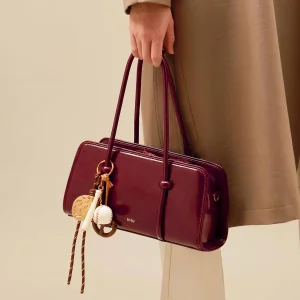
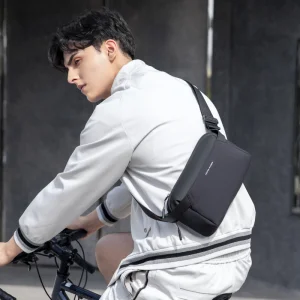
Engineered for durability, ergonomics, and device safety. Browse our foundational bag styles optimized for custom global OEM configurations.
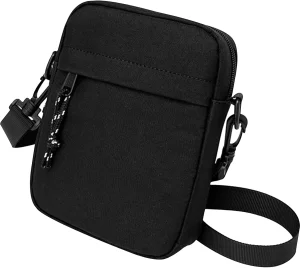

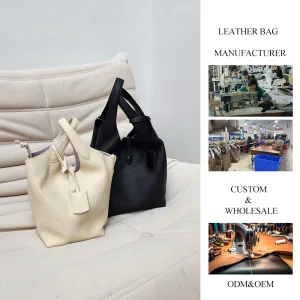
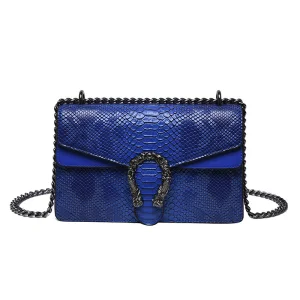
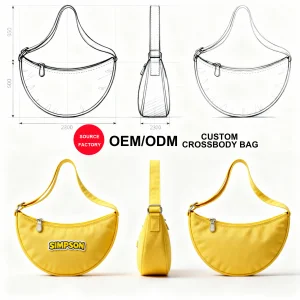

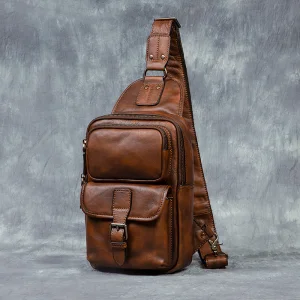
The global photography and videography ecosystem is undergoing a dramatic structural transformation. Driven by the expansion of the content creator economy, professional cinema production, and drone imaging, camera bags have transitioned from basic transport accessories to highly integrated protection systems. In today's market, camera carrying gear must balance maximum mechanical defense, ergonomic load distribution, thermal stability, and immediate mechanical access.
For international buyers, sourcing high-efficiency, reliable, and compliant carrying cases requires a manufacturing partner capable of managing complex composite materials. From waterproof ripstop fabrics and density-customized EVA/EPE foam inserts to high-performance hardware, the modern camera bag demands tight precision tolerances that only advanced factories can offer.
B2B procurement structures show high demand for dual-purpose, modular carrying containers that seamlessly handle field-work stressors and urban daily commutes.
An analysis of market-driving shifts in professional optical storage solutions, based on international buyer inquiries.
Modern professionals demand high hydrostatic head ratings (IP65+ equivalents) through high-density TPU coatings, water-repellent zippers (YKK Aquaguard style), and seam-taped shells. Nylon bases such as Cordura and Robic are replacing cheap polyesters to withstand long-term friction, tearing, and exposure to UV radiation.
Fixed compartments are obsolete. Sourcing strategies focus on micro-adjustable Velcro systems, high-density PE board reinforced dividers, and modular compartments that let users adjust space dynamically for mirrorless cameras, long lenses, gimbals, or field monitors.
The rise of the "commuter creative" has created a hybrid style. Products must blend technical protection with clean, minimalist aesthetics. A bag should fit into corporate offices and tech conferences while remaining rugged enough to handle mountain environments.
Hebei Ripped Fashion Co., Ltd. leverages the distinct advantages of Baigou Town, Baoding City, Hebei Province—the Luggage Capital of China—to deliver optimized solutions for global buyers.
Operating from Baigou Town gives us access to a complete localized ecosystem of raw materials, metal hardware, zippers, specialized linings, and advanced packaging options. Because all critical tier-2 supplier networks are within a 10-mile radius, raw material sourcing delays are virtually eliminated. This helps us optimize manufacturing costs and respond quickly to design modifications.
Our 3,000 square meter facility features dedicated zones for raw material storage, computerized nesting systems, high-efficiency cutting tables, precision sewing machinery, and strict QC testing. With more than 300 experienced assembly line technicians and a specialized design group, we convert complex specifications into high-performance protective gear with consistent structural integrity.
| Production Phase | Equipment & Capabilities | QC Validation Standard |
|---|---|---|
| Fabric Cut & Nesting | Laser cutting tables & automated CAD programs | Strict zero-deviation pattern compliance |
| Structure Assembly | High-frequency heat welding & heavy-duty sewing machines | Seams tension-tested to prevent split failures |
| Device Cushioning | Die-cut high-density EVA / EPE shock-absorbing foams | Drop-tested energy absorption analysis |
| Hard Accessories | Zinc alloy buckles & rust-resistant custom hardware | Salt-spray tested for high oxidation resistance |
Our workflow integrates precise material processing, assembly, and strict quality control protocols across our manufacturing facilities.
Inspection and classification of incoming water-resistant fabrics, PU layers, and structural support panels.
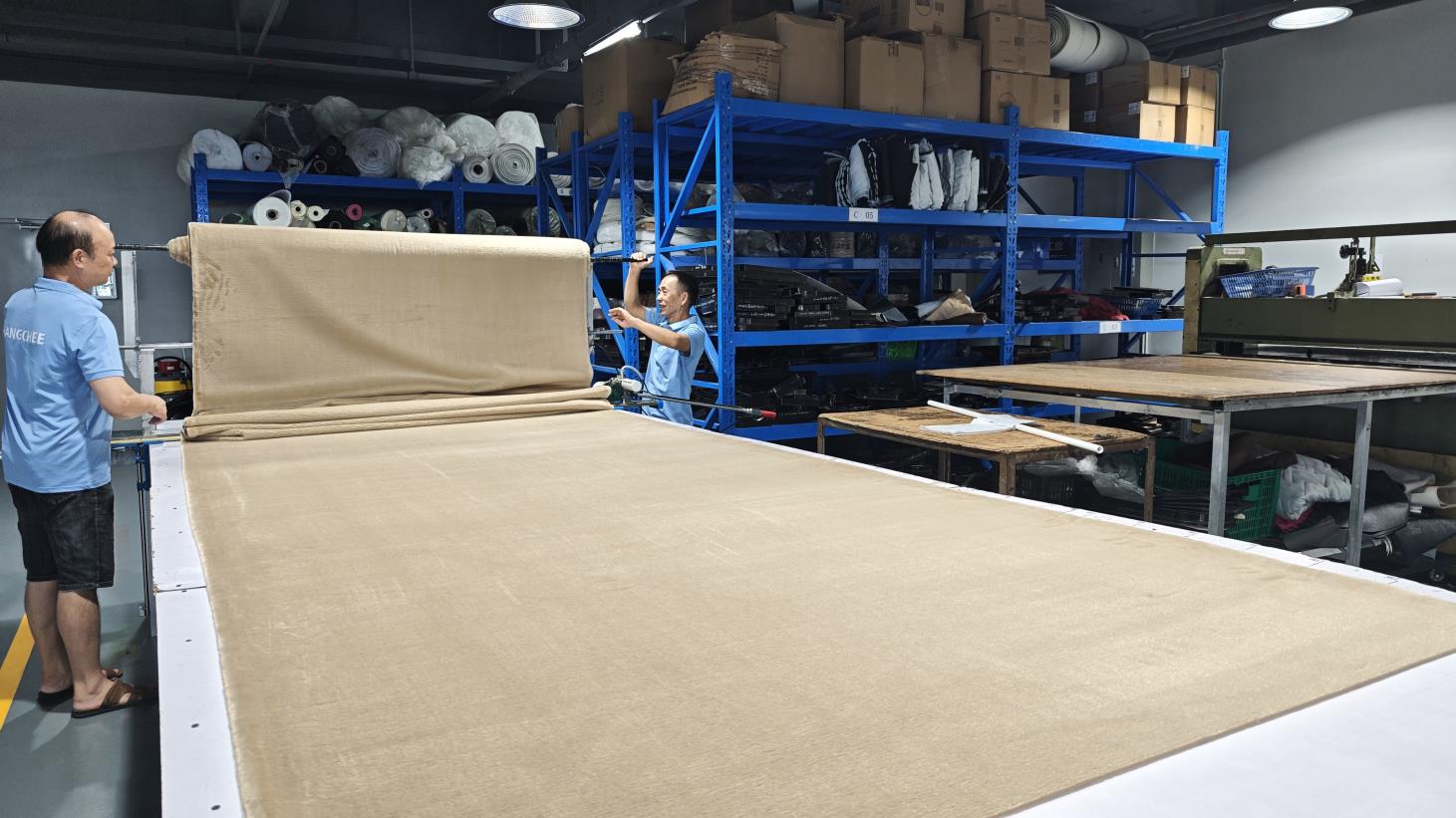
Advanced cutting systems maximize raw material yield and ensure precise panel shapes.
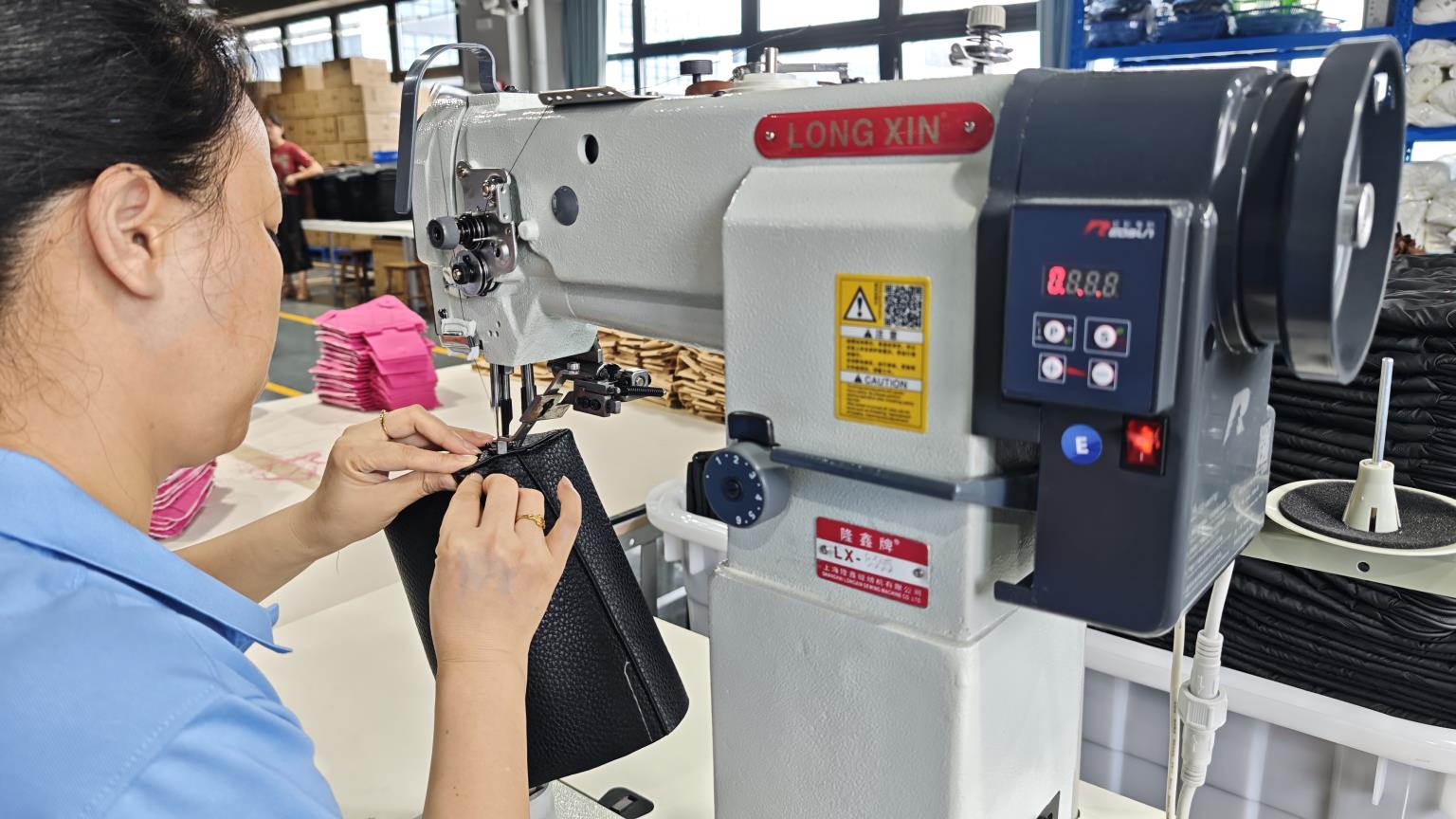
Experienced technicians perform critical stitching on reinforced stress areas and heavy-duty seams.
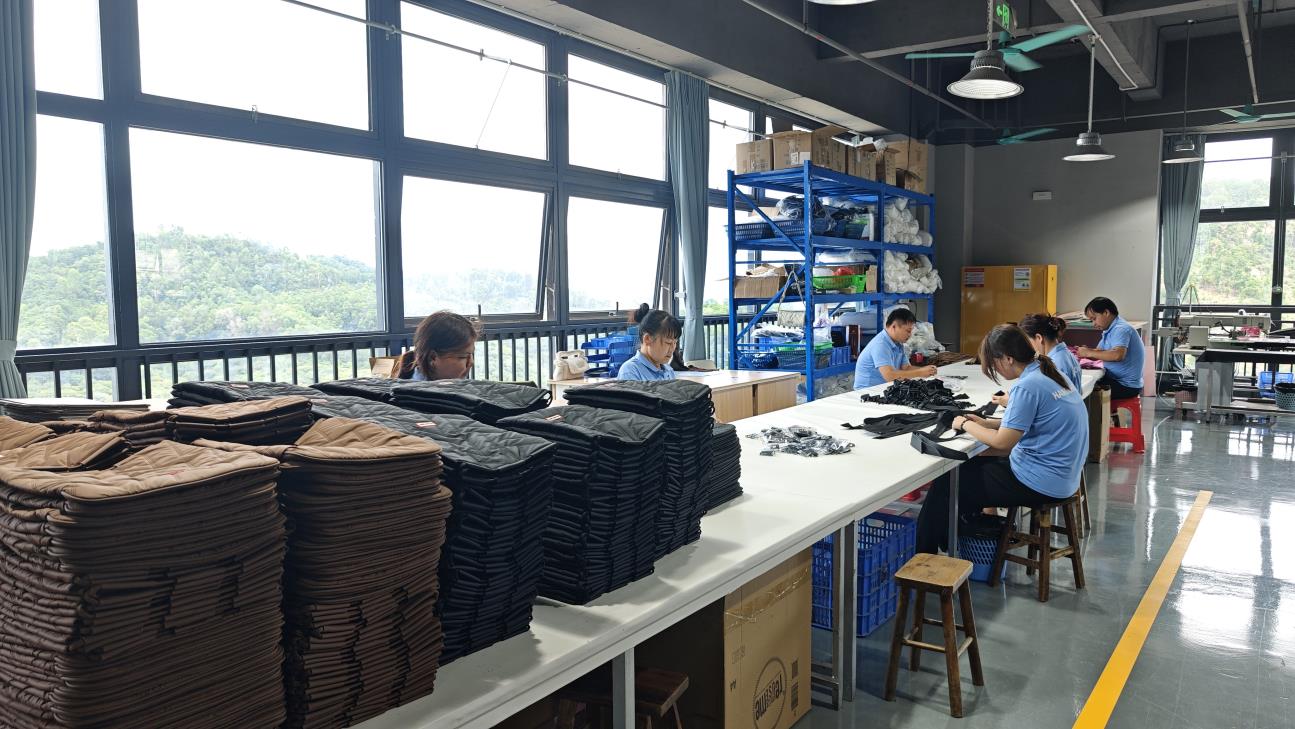
Every product undergoes a comprehensive quality check to confirm flawless stitch line tolerances.
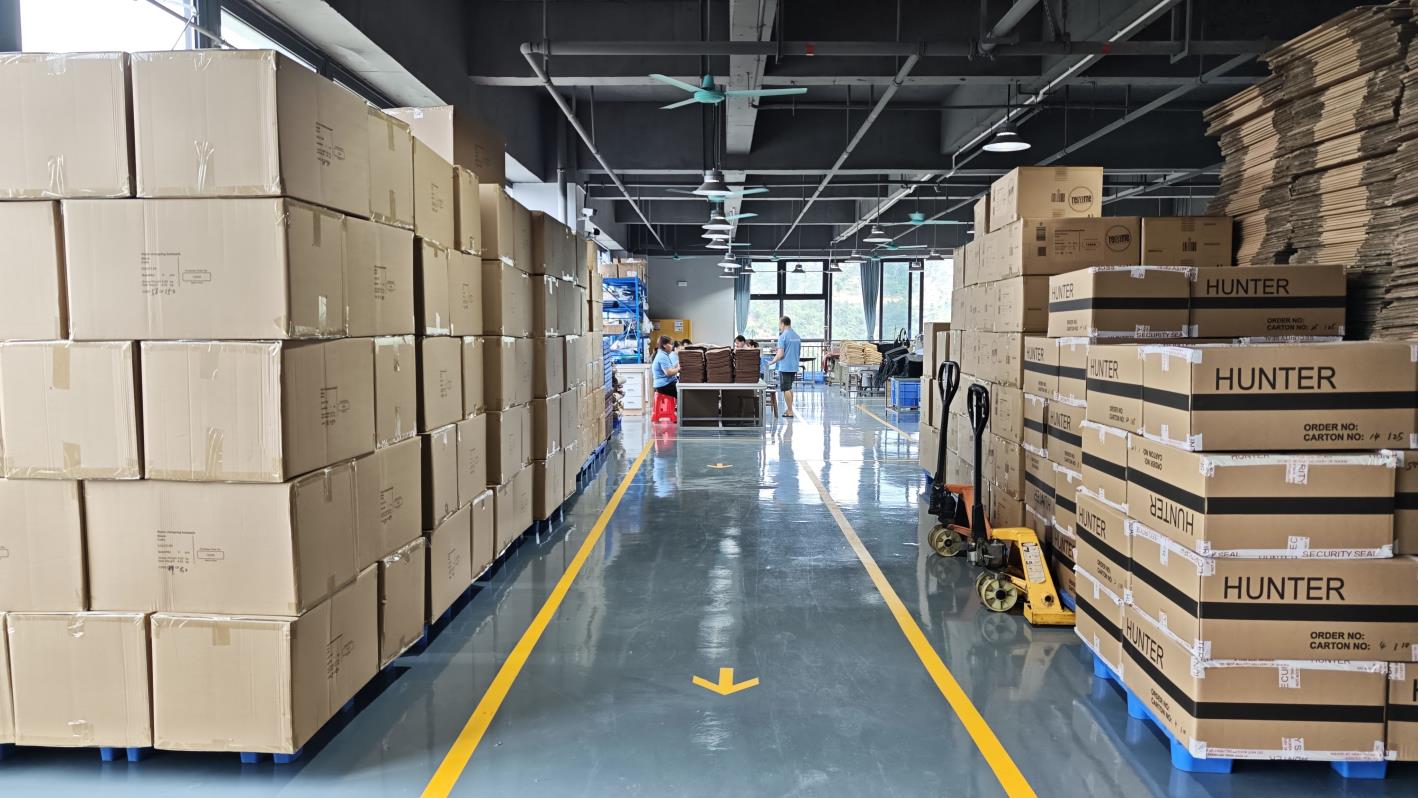
Order aggregation and custom palletizing prepared for efficient shipping to international markets.
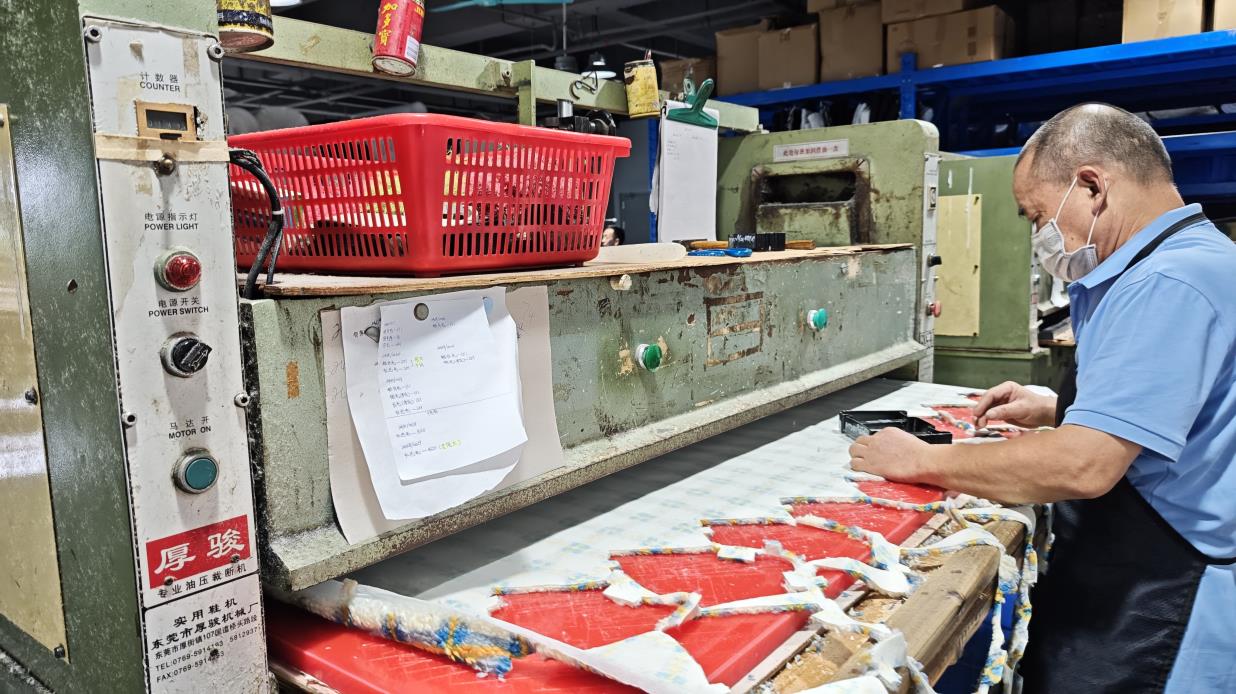
Precision machinery slices composite foams, lining layers, and shell components consistently.
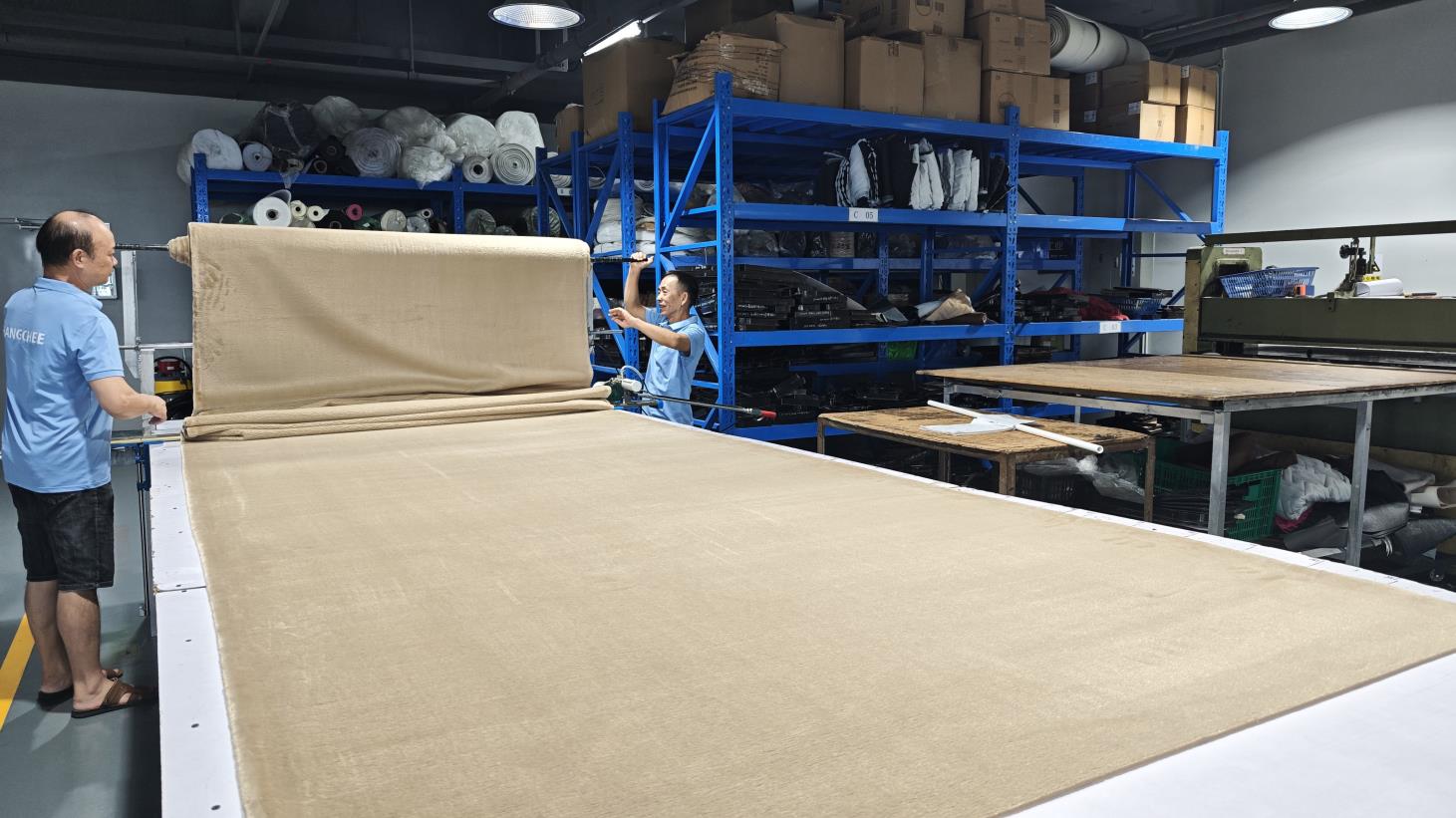
Large-format work surfaces handle high-volume fabric cutting with minimal dimensional deviation.
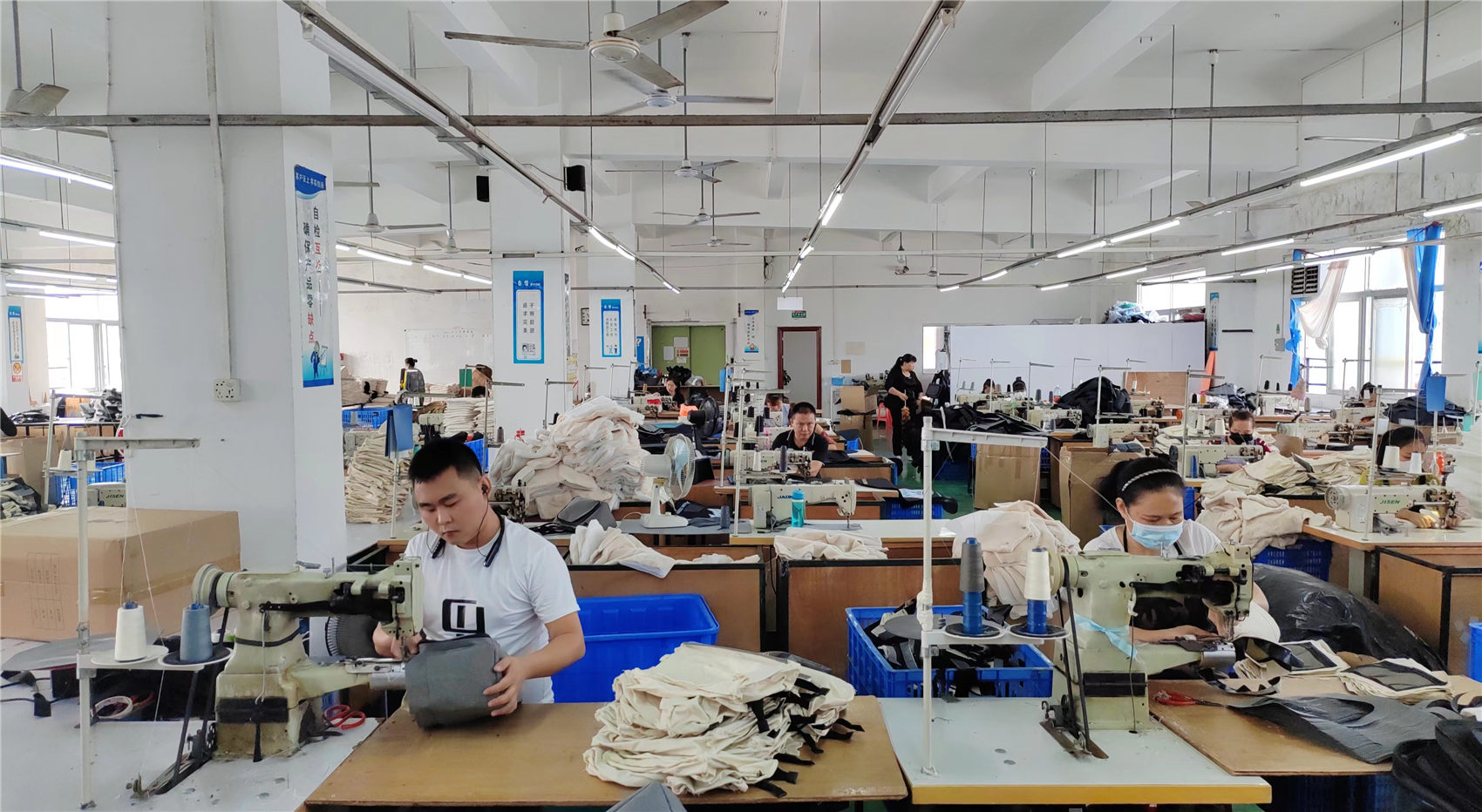
Dedicated sewing stations handle specialized components like shoulder strap assemblies.
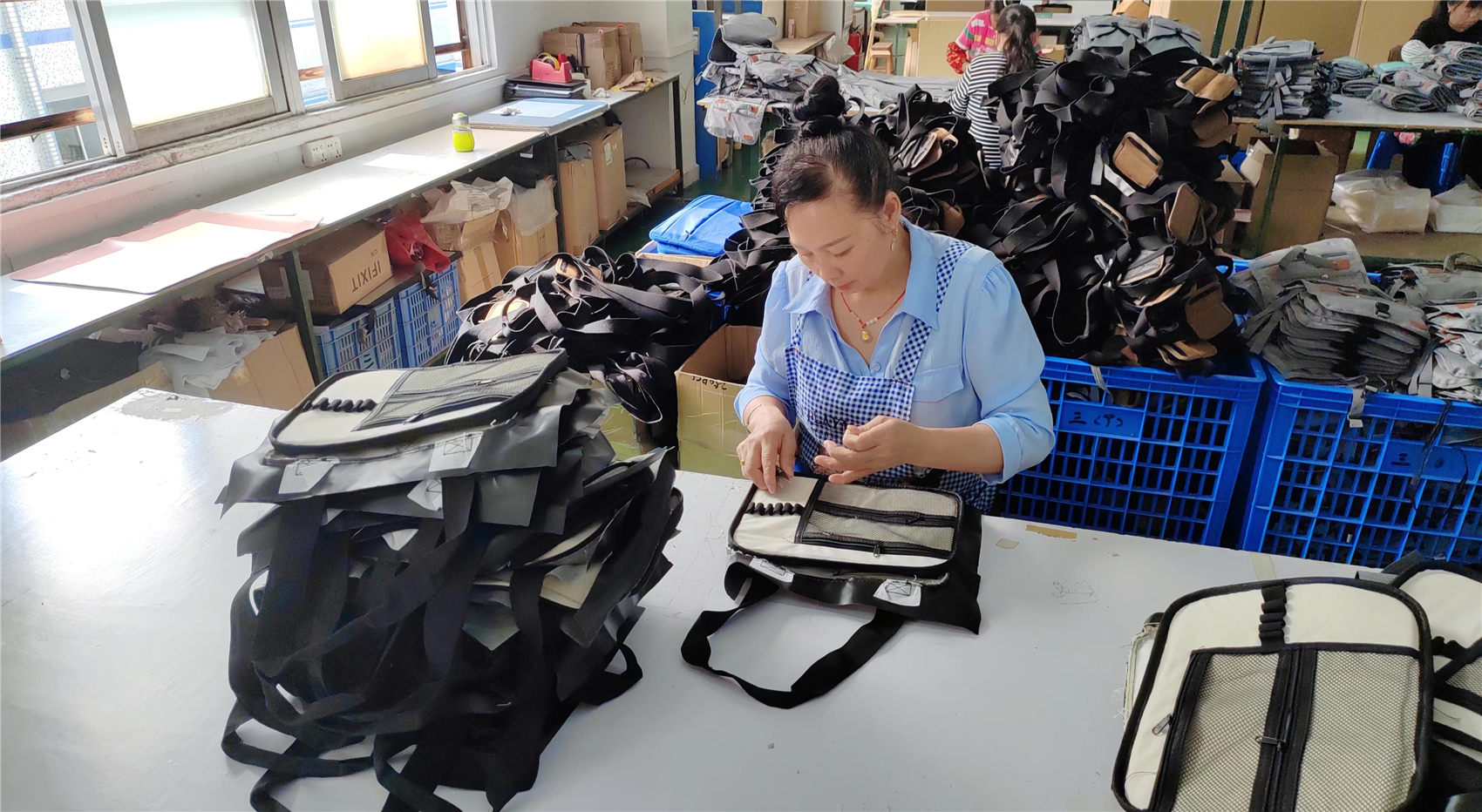
Detailed physical inspection ensures all hardware works smoothly and zipper chains align correctly.
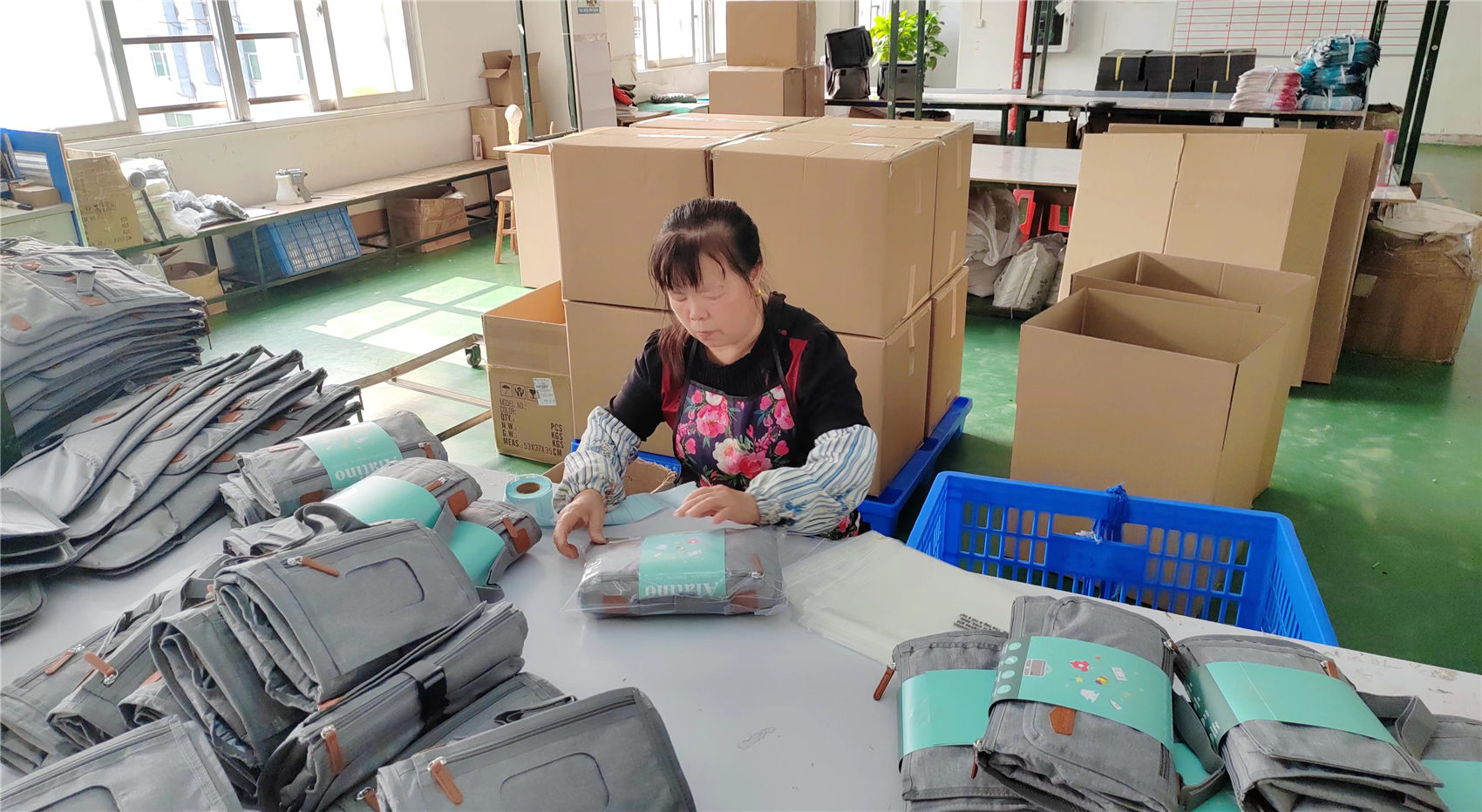
Dustproof wrapping and protective outer boxes prevent deformation during international transit.
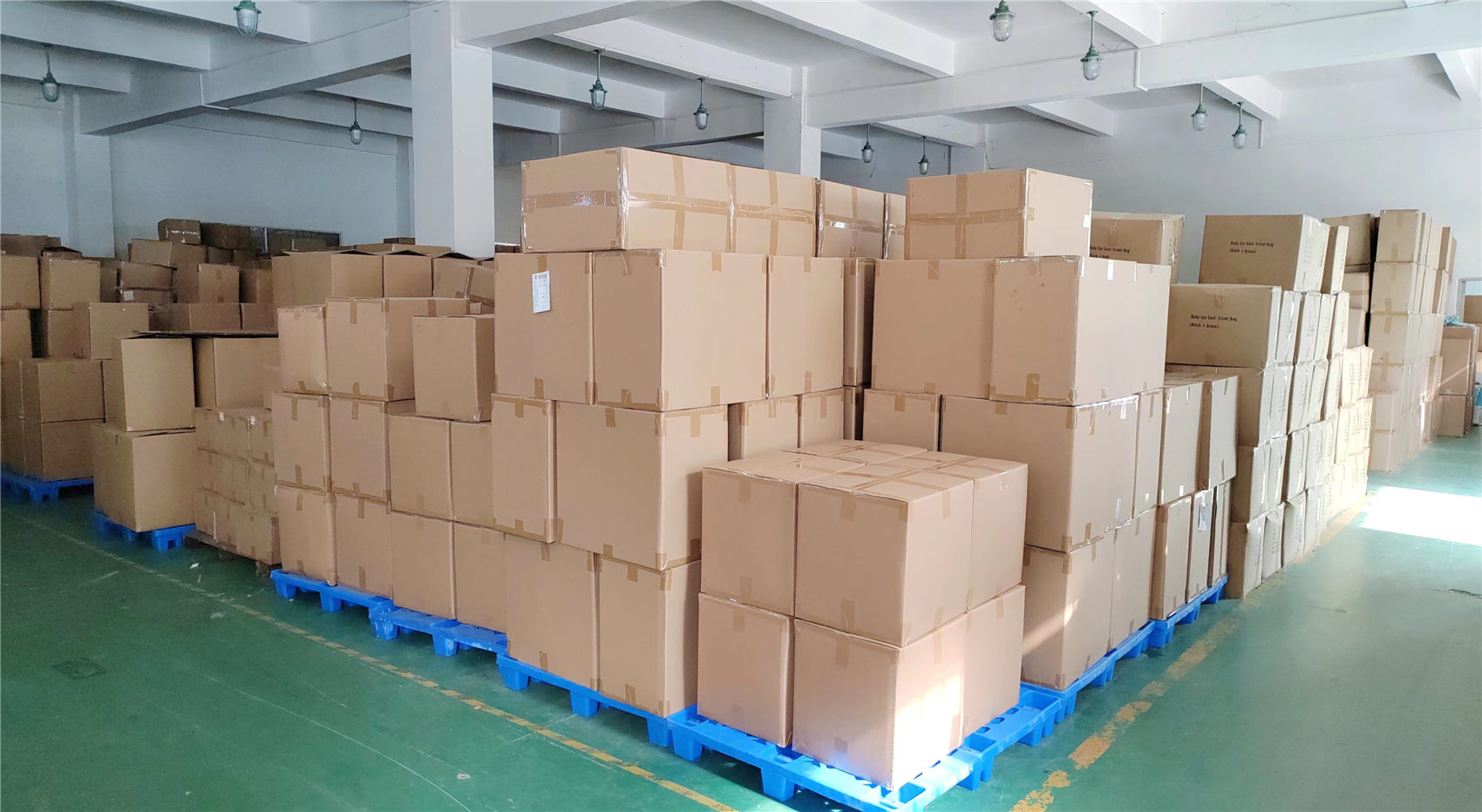
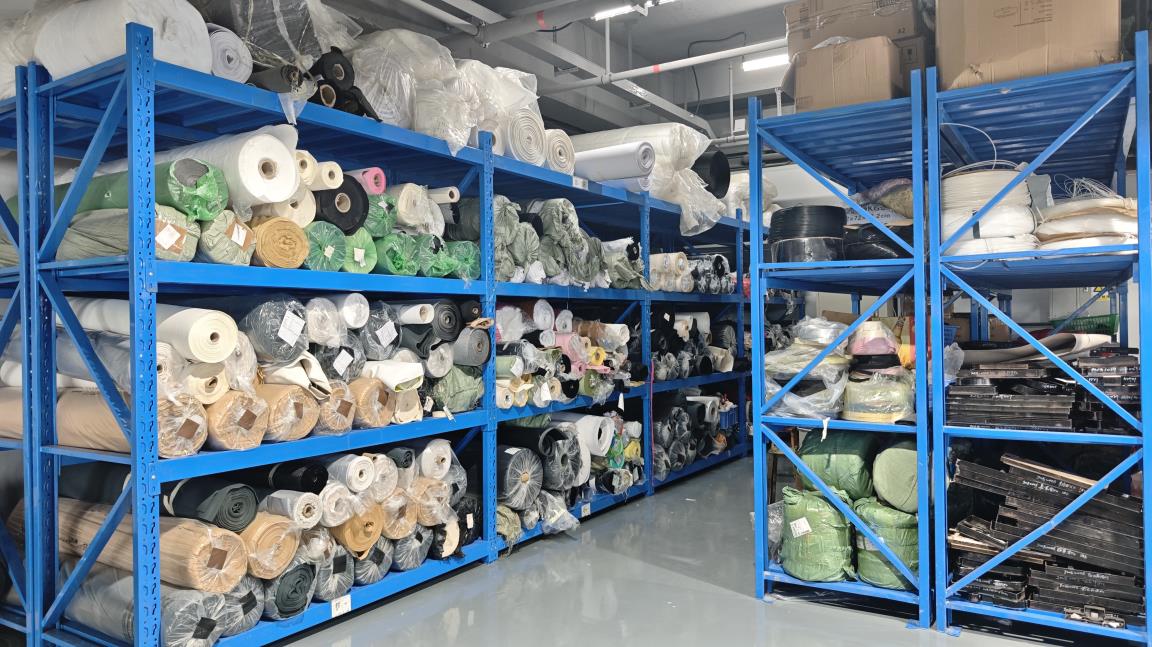
Controlled storage environment preserves fabrics and coatings away from moisture and direct UV light.
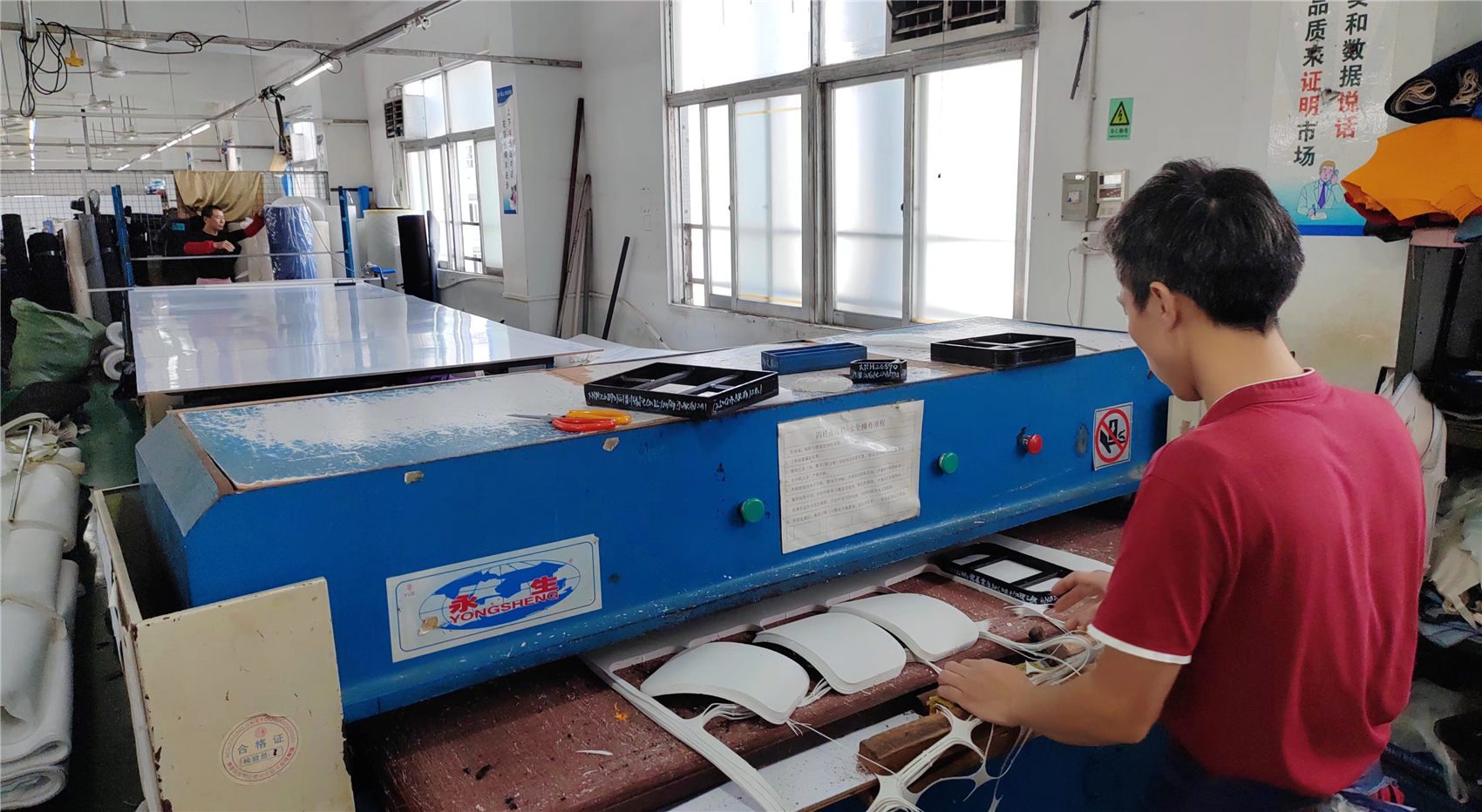
High-precision automated dies ensure consistent dimension matching across batch productions.
We design products optimized for specific outdoor, urban, and industrial environments based on global end-user applications.
Primary Needs: Ergonomic load support, external tripod mounts, and rain protection. Our designs feature lightweight aluminum internal frames, moisture-wicking back panels, and integrated rain covers to protect camera equipment in tough field conditions.
Primary Needs: Anti-theft designs, quick-access pockets, and dedicated laptop storage. These bags incorporate hidden zippers, RFID-blocking compartments, and low-profile styling, making them ideal for modern urban environments.
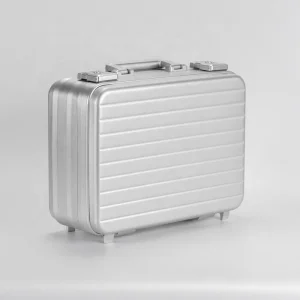
Primary Needs: Impact protection, dust-tight closures, and high load capacity. Our designs utilize impact-resistant shell configurations, crushproof lids, and reinforced handles to safely transport heavy professional camera systems.
Clear answers regarding customization options, materials, MOQ parameters, and shipping timelines.
Explore our wider catalog of customizable gear bags, utility packs, and specialized cases designed for diverse business operations.
 Ripped Fashion