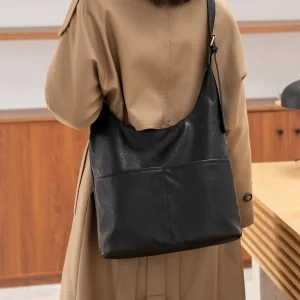
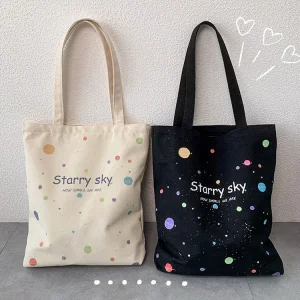
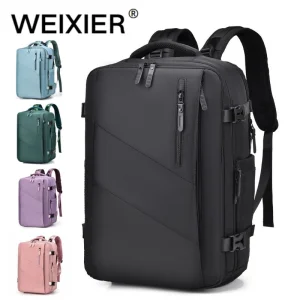
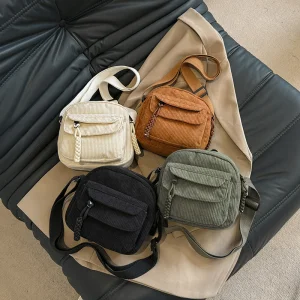
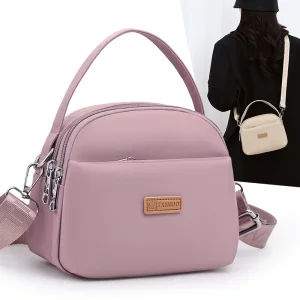
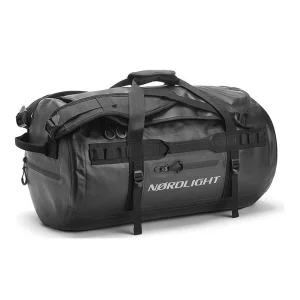
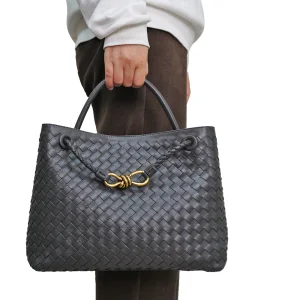
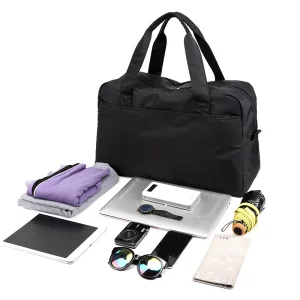
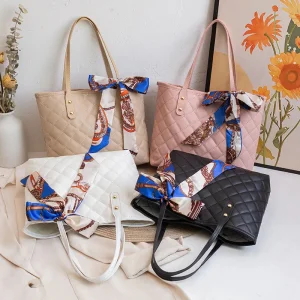
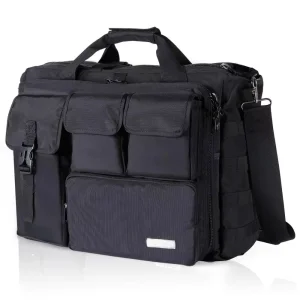
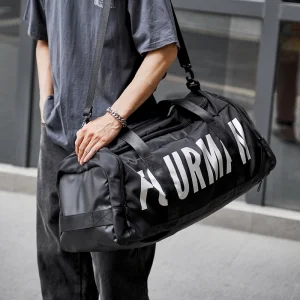
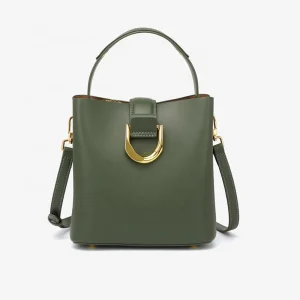
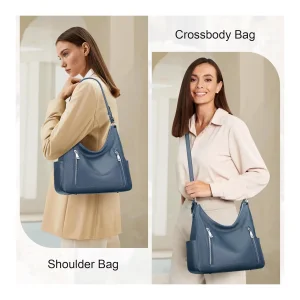
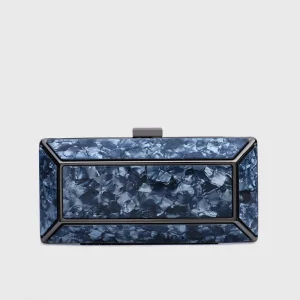
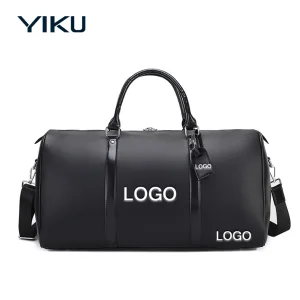
Explore our curated selection of high-durability, REACH-compliant shoulder bags, minimalist backpacks, and utility duffles designed for the modern lifestyle.
Established in 2009, Hebei Ripped Fashion Co., Ltd. is strategically headquartered in Baigou Town, Baoding City, Hebei Province—a global industrial cluster widely celebrated as the "luggage capital of China." Capitalizing on this unparalleled localized ecosystem, we integrate raw material procurement, structural design, automated precision manufacturing, and international trade operations into a seamless pipeline.
Over the past two decades of compounding experience in the bag manufacturing industry, we have dedicated ourselves to satisfying the evolving requirements of overseas department stores, retail chains, and direct-to-consumer digital brands. We offer customized design development, material innovation, logo branding, and compliant packaging to deliver finished goods that align perfectly with the standard policies of various markets.
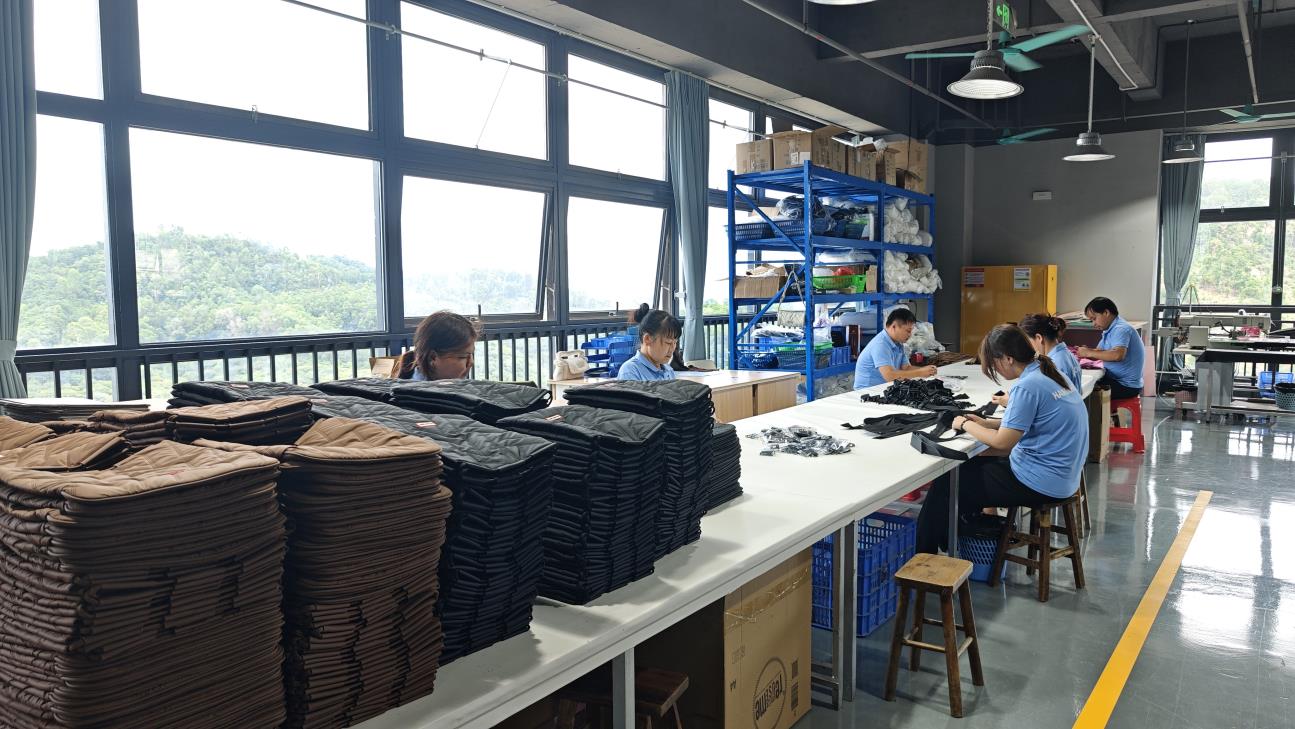
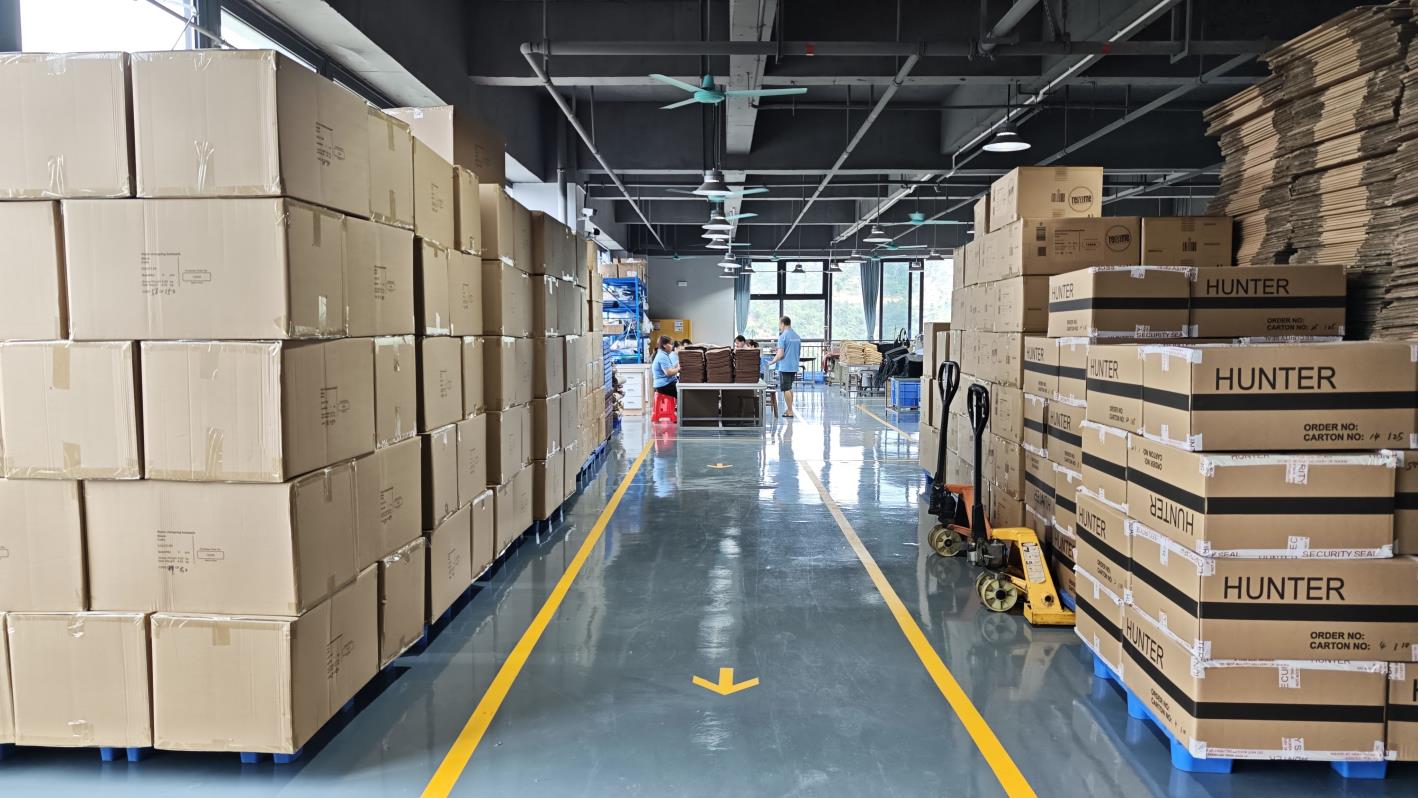
Our expansive production base occupies approximately 3,000 square meters, featuring a dedicated 2,000-square-meter modern production workshop. Anchored by a skilled workforce of over 300 experienced professionals and automated cutting machinery, we offer a steady and resilient output, mitigating supply chain vulnerabilities for our global clients.
We actively upgrade our technical capabilities to match changing global import policies. Our engineering roadmap prioritizes functional performance alongside environmental compliance.
Traditional polyurethane manufacturing utilizes Dimethylformamide (DMF) or volatile organic solvents, which face strict import regulation under international occupational health guidelines. Our technical roadmap incorporates solvent-free, waterborne polyurethane (WPU) technologies. This process substitutes chemical organic agents with water, preserving fabric flexibility and high mechanical resistance while lowering VOC emissions to near-zero levels.
To support global carbon-neutrality initiatives, we offer faux leather formulations utilizing bio-based polyols derived from agricultural waste, alongside recycled polyethylene terephthalate (rPET) derived from post-consumer plastic bottles. These materials reduce fossil resource consumption by up to 45% per product, helping fashion brands achieve their targeted ESG metrics without sacrificing surface texture or quality.
For items requiring high durability, we utilize structural polyamide microfiber arrays impregnated with high-durability polyurethane resins. This cross-linked cellular structure replicates the natural collagen fiber network of animal hides, providing strong tear strength, high flexing endurance (exceeding 200,000 cycles under Bally flex tests), and lasting hydrolysis resistance for long-term product life.
Global luggage buyers navigate challenging market forces, including volatile shipping lanes, shifting custom tariffs, and stringent chemical safety policies. We offer holistic solutions tailored to bulk retail buyers and private label developers.
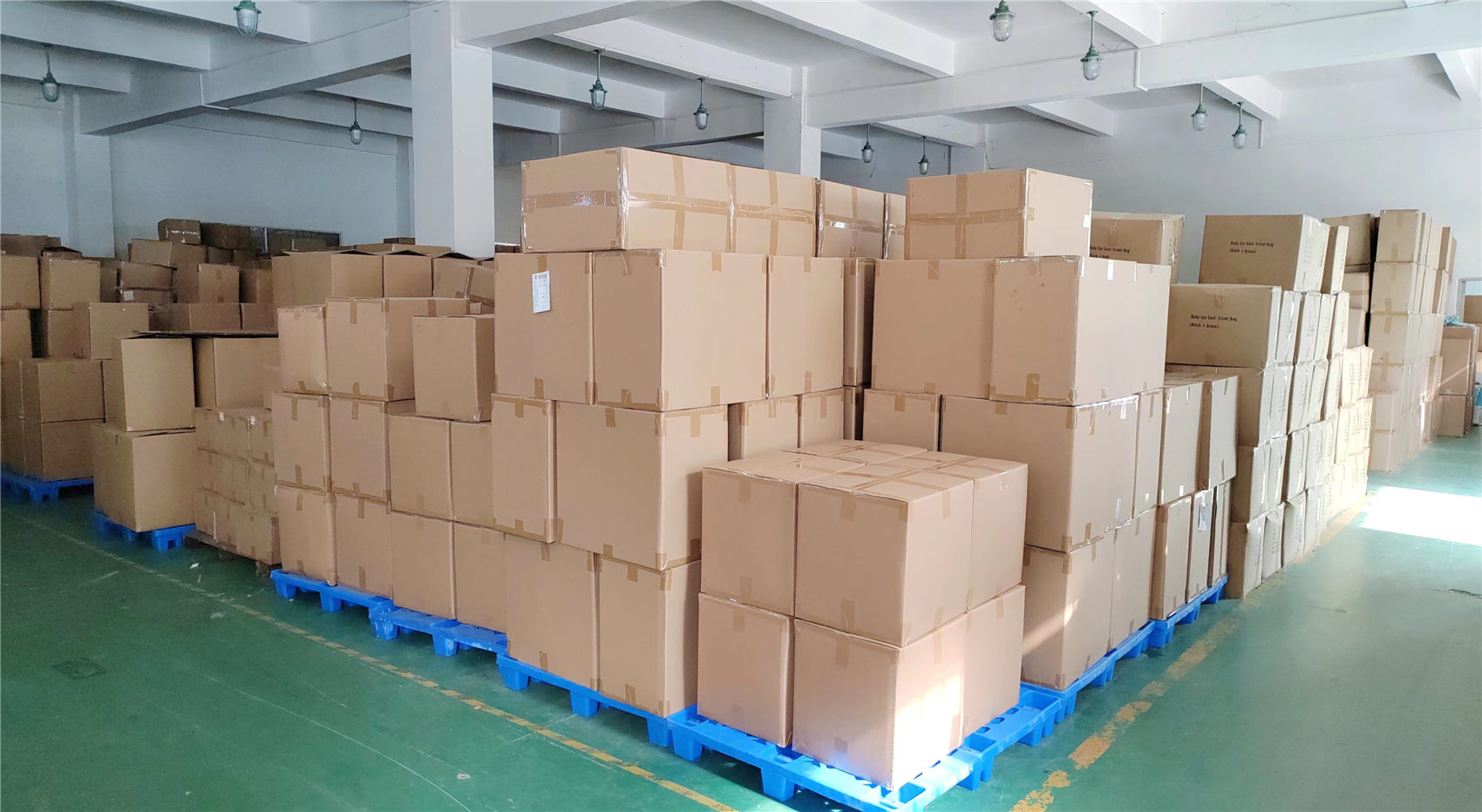
Utilizing high-density nesting software and custom component layouts, we maximize the space utilization of each shipping carton. We coordinate with shipping agents to offer consolidated shipping plans, helping import partners mitigate the impact of fluctuating freight costs.
By offering raw material combinations (such as blending synthetic leather with natural canvas or structural nylon), we help buyers qualify for favorable tariff classification brackets, reducing the average duty burden at the port of entry.
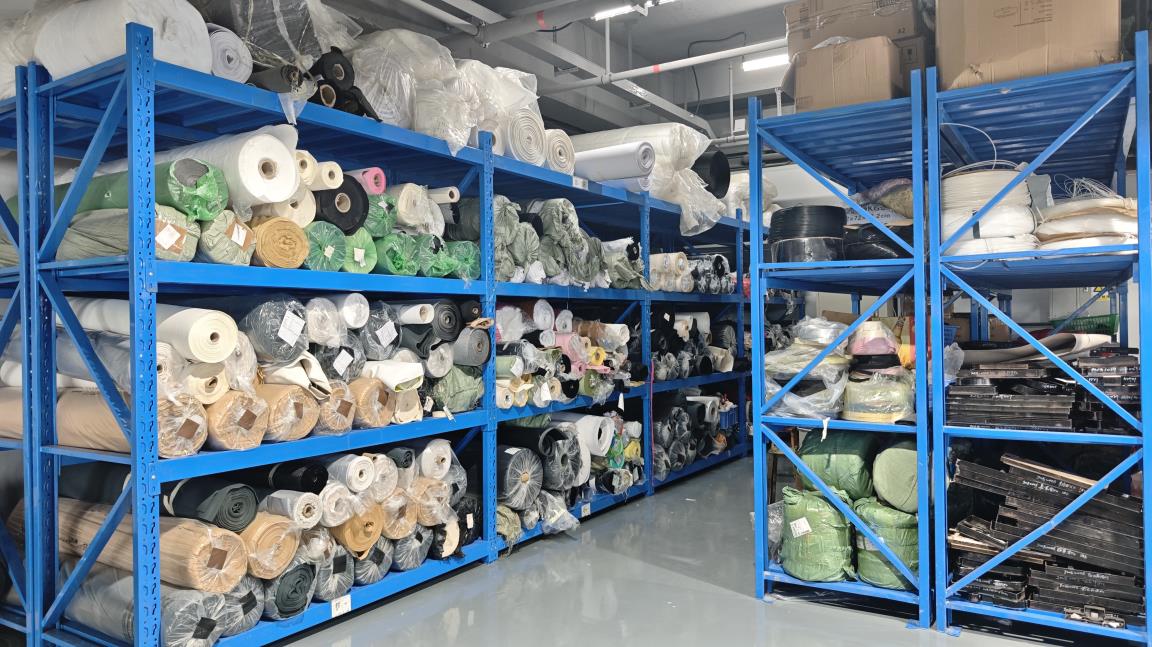
Our dedicated ODM sample division operates independently from the main assembly line. Armed with a vast library of raw materials and accessories, we can produce counter-samples within 5 to 7 working days, allowing brands to respond quickly to market trends.
Our facility incorporates digital production management methodologies. We optimize workflows from incoming material inspection through finished goods warehousing.
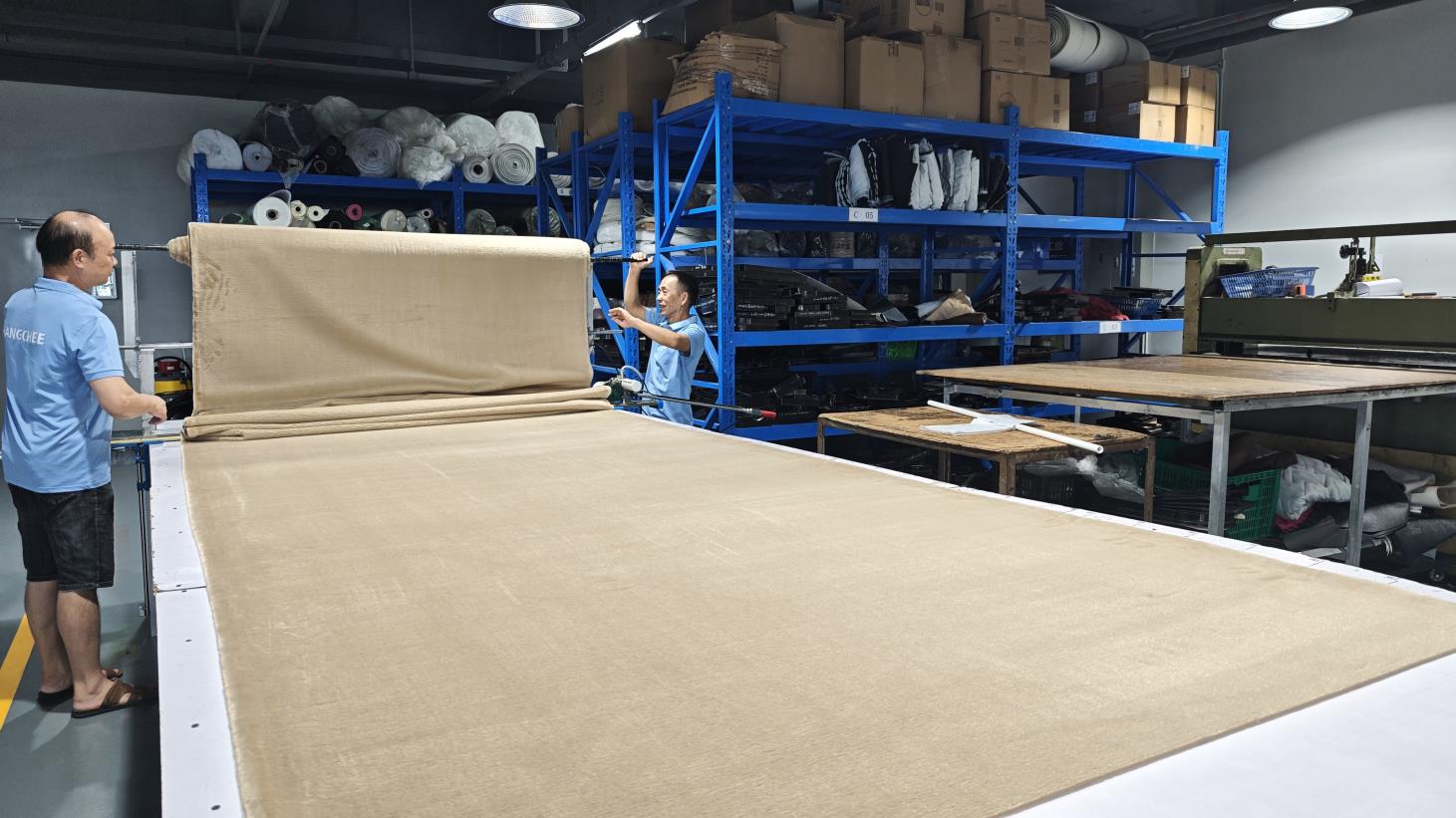
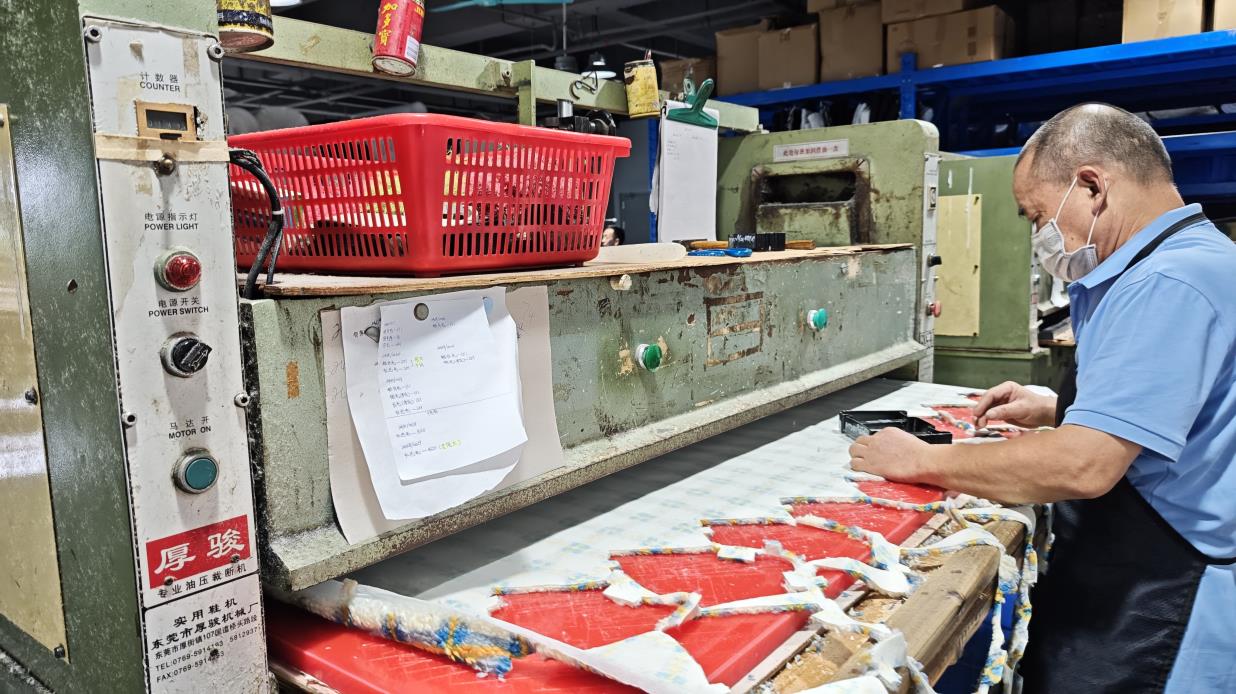
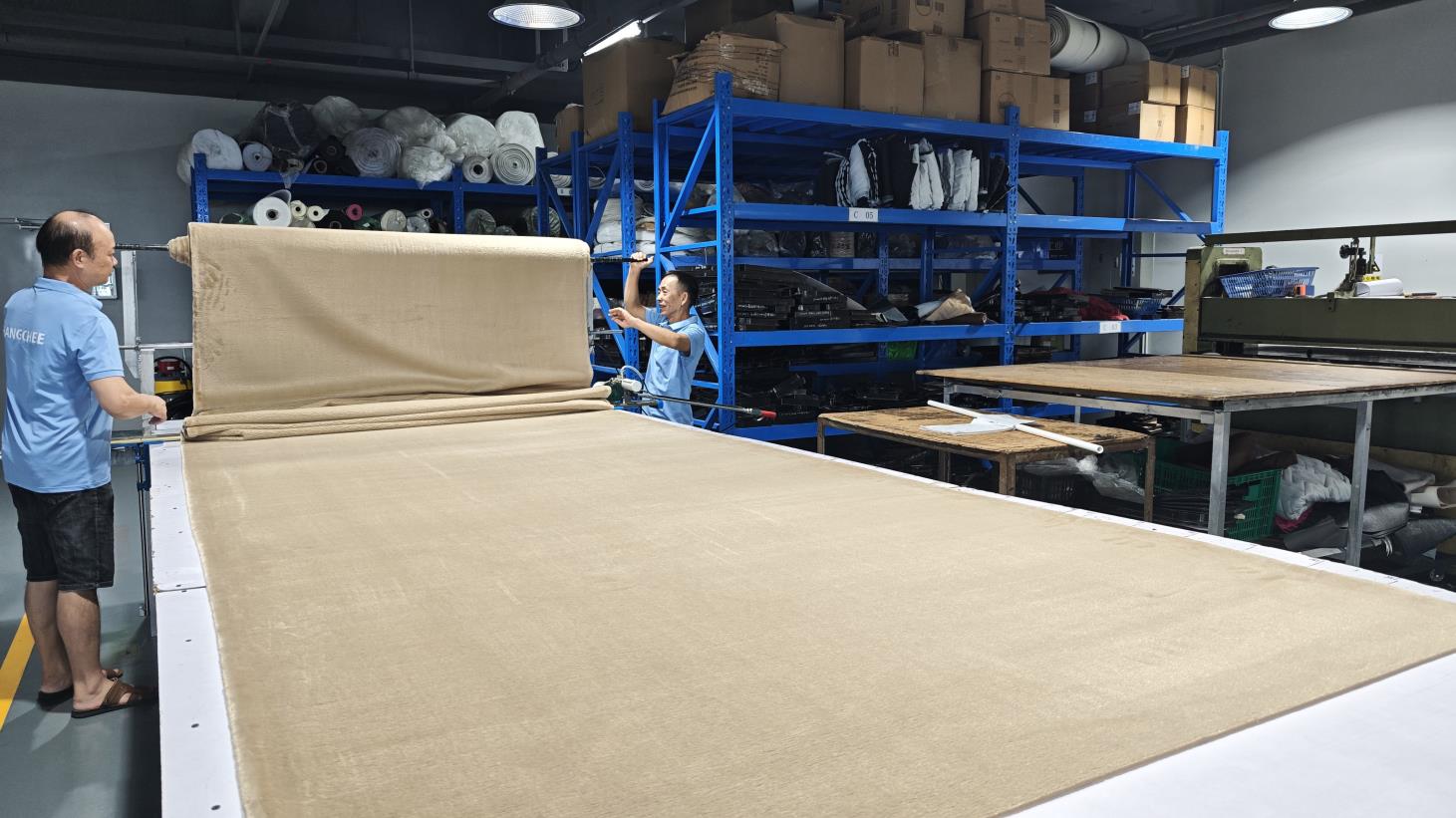
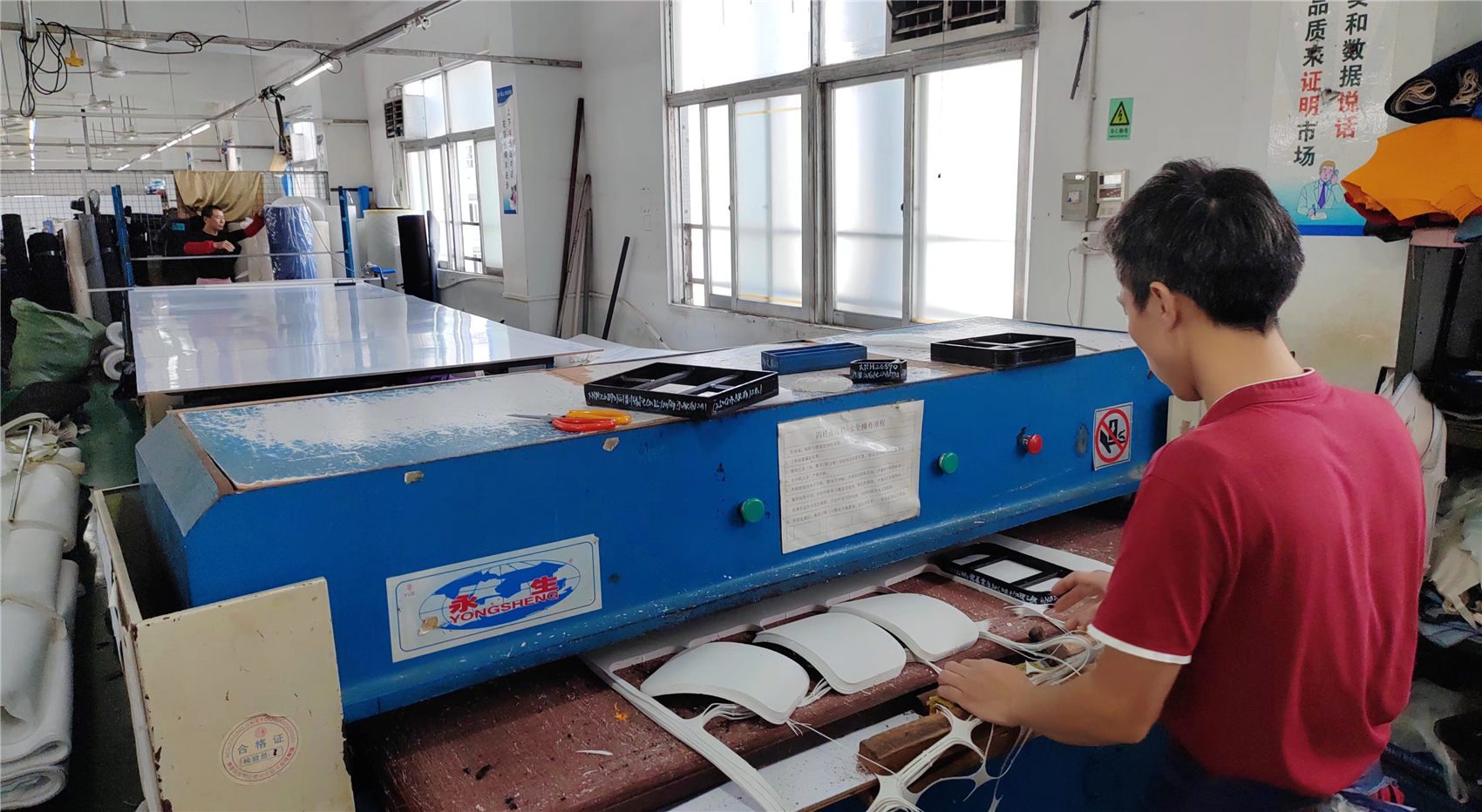
Our production floor uses computer-aided design (CAD) programs linked to automated laser cutting systems. This system maintains dimensional accuracy within a 0.1mm tolerance, ensuring consistent pattern pieces and minimizing fabric waste across large production runs.
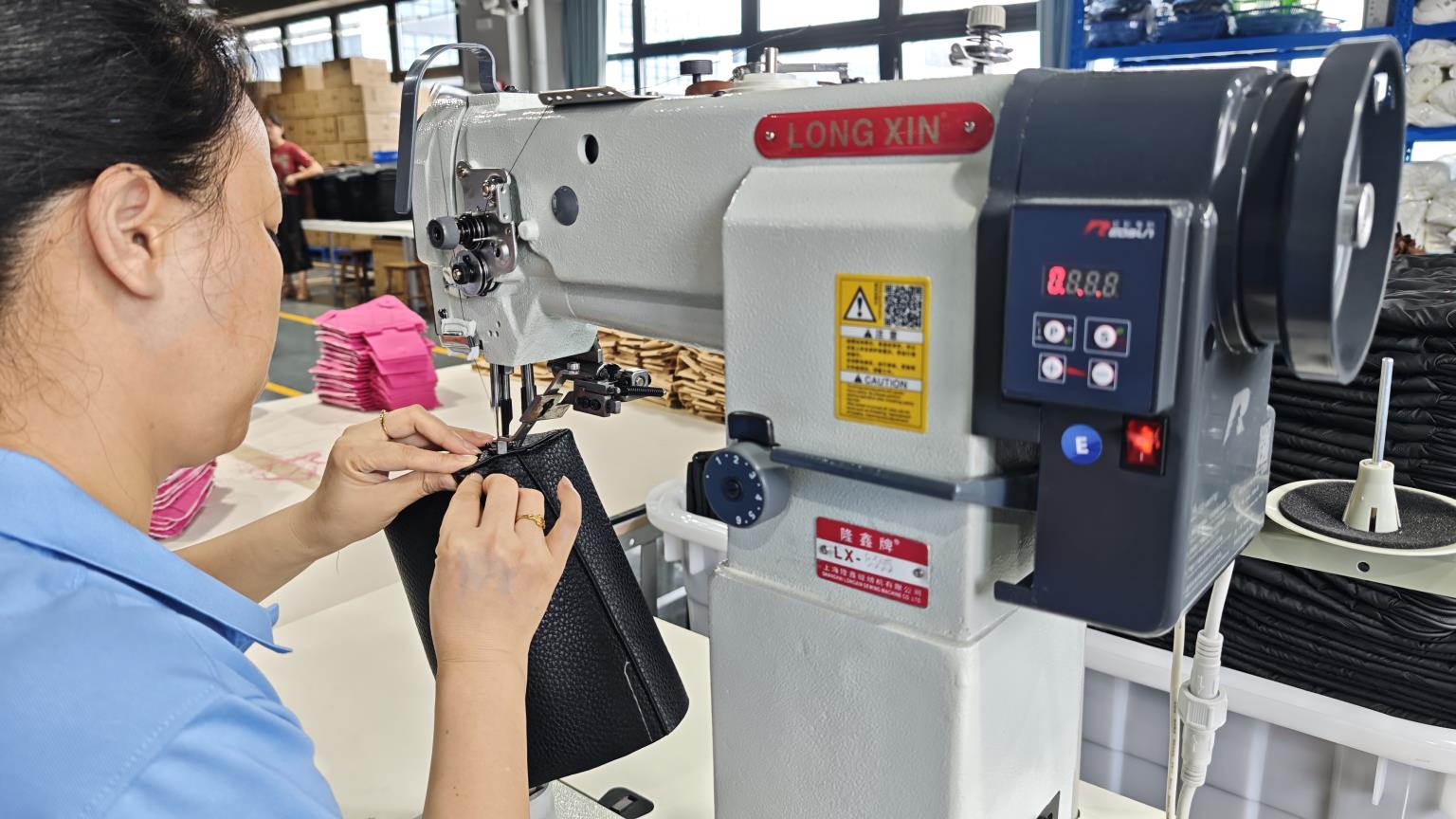
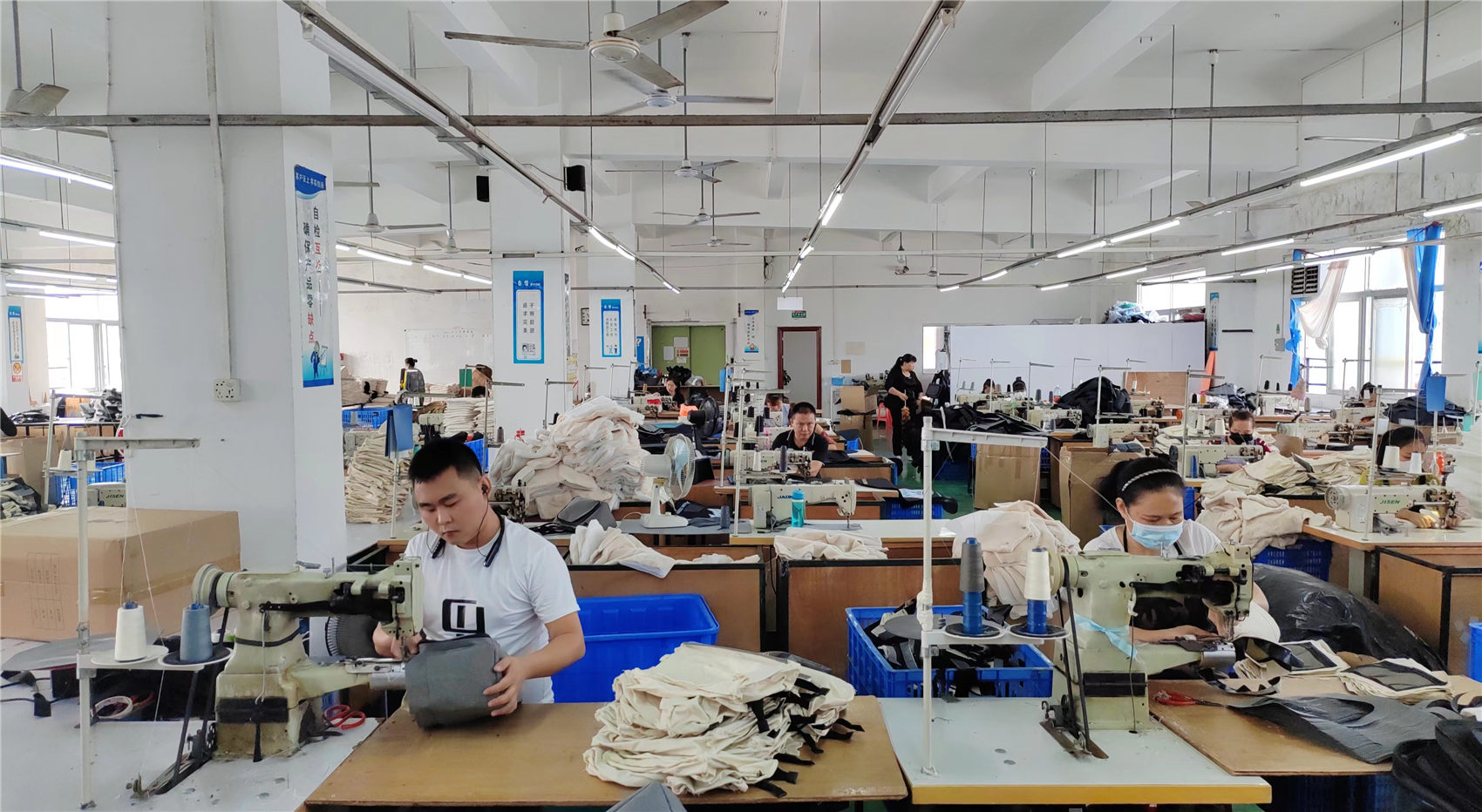
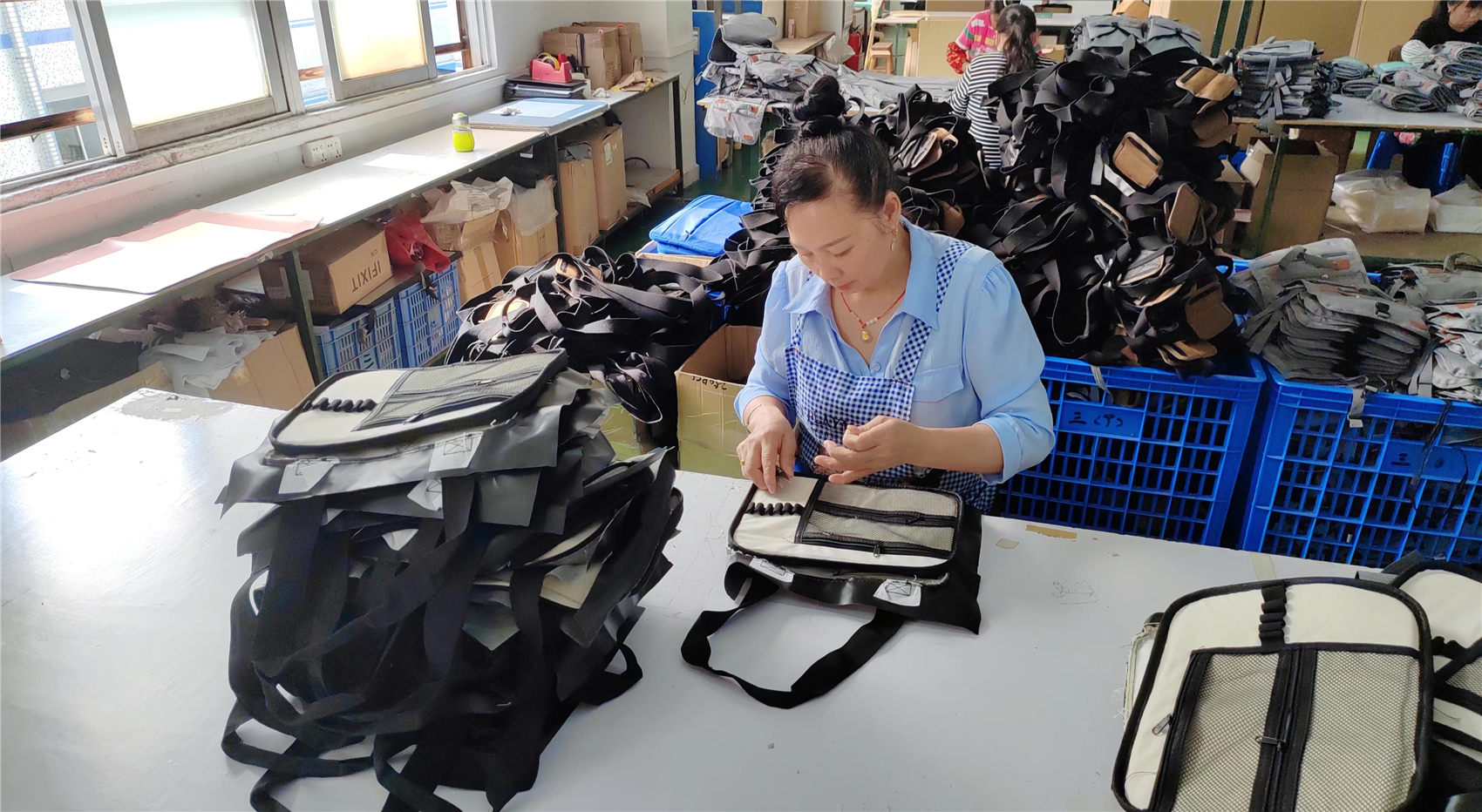
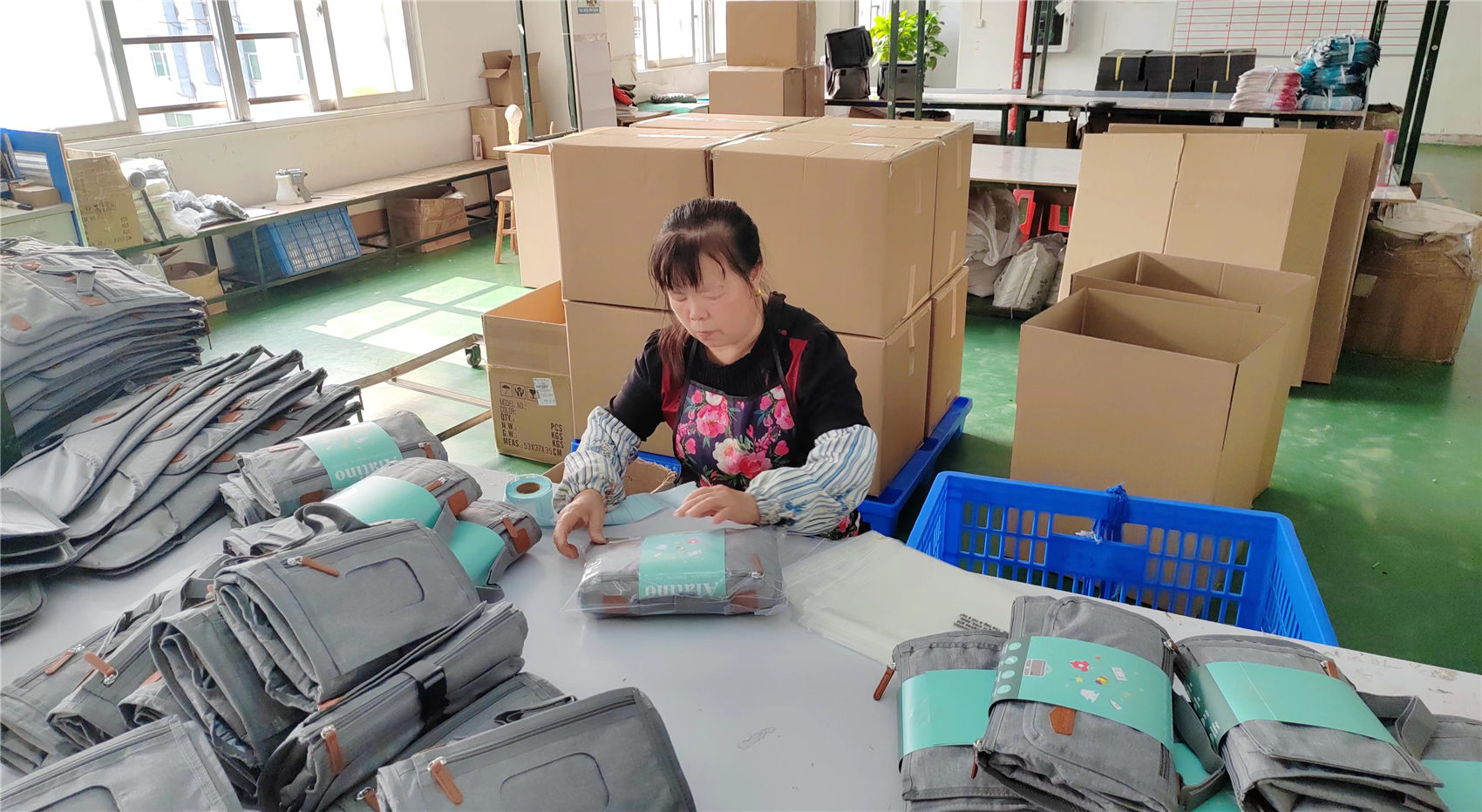
We apply lean manufacturing principles to avoid assembly line bottlenecks. Dedicated operators specialize in specific tasks (such as edge-inking, reinforcement stitching, and hardware mounting) to maintain a steady and predictable production rhythm.
Our ERP system tracks raw materials from arrival to final packaging. By monitoring consumption patterns and maintaining strategic reserves of common backing fabrics and zippers, we safeguard operations against external supply chain delays.
Take a virtual walkthrough of our facility, displaying our raw materials, precision machinery, and multi-stage manual sewing operations.
Navigating regulatory standards for import into the European Union and North America requires strict chemical safety documentation. We maintain active compliance pipelines to ensure all raw synthetics meet international protocols.
Our products are regularly batch-tested by third-party agencies (SGS, TUV, Intertek) to verify compliance with heavy metal limits, phthalate controls, and azo dye regulations.
Our material sourcing conforms with REACH Annex XVII directives. All PU leather and canvas materials are checked for restricted chemicals, including Lead, Cadmium, Hexavalent Chromium, and short-chain chlorinated paraffins (SCCPs).
Each production batch undergoes testing protocols to verify performance across several key metrics:
| Test Metric | Evaluation Standards | Our Baseline Performance |
|---|---|---|
| Abrasion Resistance | ISO 12947-2 (Martindale) | ≥ 50,000 Rubs (No surface breakdown) |
| Color Fastness (Wet/Dry) | ISO 105-X12 | Grade 4-5 (Minimal color transfer) |
| Tear Strength | ISO 13937-2 | ≥ 35 N (High load capacity) |
| Heavy Metals | EN 71-3 / REACH Annex XVII | ND (Not Detected) |
We address key logistics, manufacturing, and configuration questions commonly asked by global supply managers.
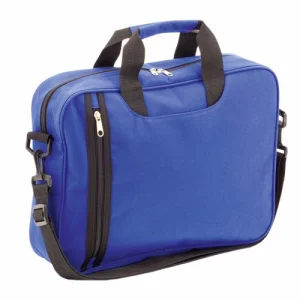
Discover our line of waterproof office briefs, quilted shoppers, and heavy-duty travel duffles configured for global B2B clients.
 Ripped Fashion