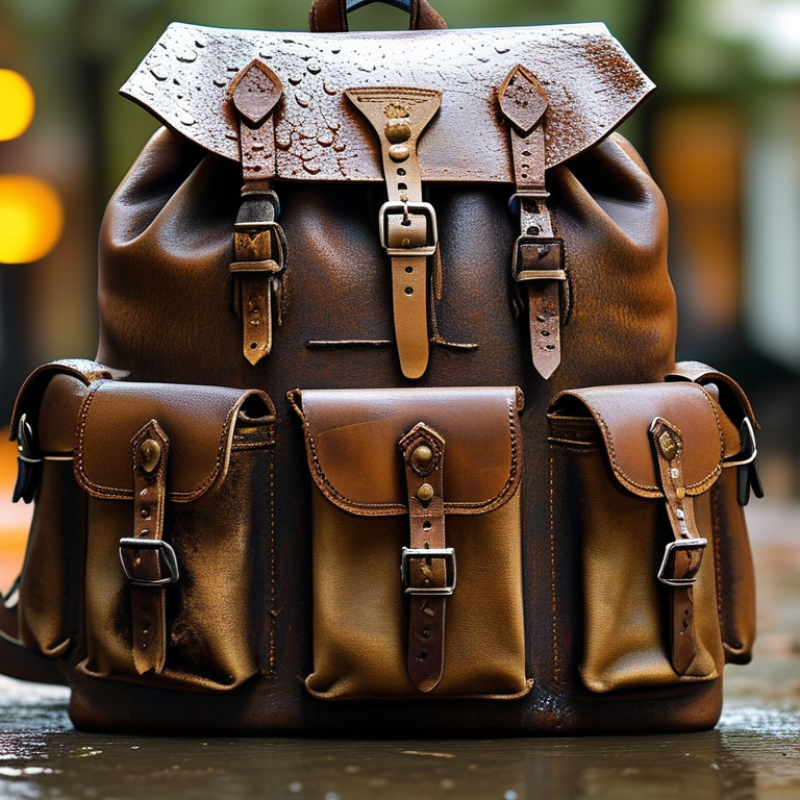
Leather backpacks are popular for their durability and style. However, a common issue many owners face is peeling. If you've been wondering, "why is my leather backpack peeling?" you're not alone. Leather can degrade over time due to various factors. Understanding the reasons behind this problem is essential for preserving your bag’s beauty.
Peeling can occur for several reasons. One main factor is exposure to moisture. Leather is not waterproof, and water damage can weaken its integrity. Additionally, lack of proper maintenance can lead to wear and tear. Neglecting regular conditioning can dry out the leather, causing it to flake.
It's crucial to recognize that sometimes, even high-quality leather can peel. This can be frustrating and may cause doubts about your purchase. However, there are effective ways to fix and prevent further damage. With the right knowledge and care, you can restore your leather backpack to its former glory.
Understanding the Causes of Leather Backpack Peeling
Leather backpacks can be a stylish and functional choice. However, one serious issue many owners face is peeling. Understanding what causes this can help prevent it. Common factors include low-quality leather, which often lacks proper treatment. Environmental conditions, like humidity and sunlight, also contribute significantly. A recent study highlighted that not all leather withstands wear equally. Cheap leather often deteriorates faster than higher-grade options.
Regular maintenance is crucial. One simple tip is to apply a leather conditioner every few months. This helps to keep the material hydrated and prevent cracking. Additionally, store your backpack in a cool, dry place. Avoid direct sunlight to reduce the risk of fading and peeling.
Sometimes, the peeling can be fixed. If the damage is minimal, use leather repair glue or patches. However, if it’s extensive, consider consulting a professional. Regular check-ups can also prolong the life of your backpack. A proactive approach can save time and money in the long run.
Types of Leather and Their Susceptibility to Peeling
When it comes to leather backpacks, the type of leather plays a significant role in their longevity and appearance. Full-grain leather is the highest quality, made from the top layer of the hide. It’s durable and ages beautifully, resisting peeling. However, it requires regular care to maintain its integrity. Without proper conditioning, this leather can still lose its sheen over time.
On the other hand, bonded leather is more affordable but less durable. It’s made from leftover scraps, making it more prone to peeling and cracking. This type of leather often looks good initially but can deteriorate quickly with use. If your backpack is made from bonded leather, expect some peeling after a few months.
Split leather is another common type. While it is thicker than bonded leather, it can still peel if not properly treated. This material often exhibits a rough texture, and it may require more attention to prevent damage. Incorporating regular maintenance routines can significantly prolong the life of your leather backpack, regardless of the type.
Types of Leather and Their Susceptibility to Peeling
How to Properly Maintain and Care for Your Leather Backpack
Caring for your leather backpack is essential for its longevity and appearance. Leather is a natural material that can deteriorate if not properly maintained. Regular care ensures that your backpack remains functional and attractive.
To prevent peeling, clean your backpack often with a soft, damp cloth. Dirt and grime can damage the leather over time. Avoid harsh chemicals, as they can strip away natural oils. Instead, use a mild soap solution. After cleaning, dry the backpack naturally, away from direct heat sources.
Applying leather conditioner every few months can significantly enhance its durability. This will nourish the leather and prevent it from drying out. Be mindful not to oversaturate. A little goes a long way.
Tip: If you spot any peeling, address it immediately. Use a leather repair kit for minor damages. For major peeling, consulting a professional might be the best option. Recognize that even well-maintained leather can show signs of wear. Embrace these imperfections; they tell a story of adventures.
Step-by-Step Guide to Repairing Peeling Leather
Peeling leather is a common issue with backpacks. It often arises from wear and tear or exposure to moisture. When your leather backpack begins to peel, it can be frustrating. Here’s how to tackle the problem step-by-step.
Start by assessing the extent of the peeling. If the damage is minimal, you can often fix it yourself. Clean the affected area gently with a damp cloth. Avoid using harsh chemicals.
Next, apply a suitable leather conditioner. This can help rejuvenate the leather's surface. For deeper cracks, consider using a leather repair kit. These kits usually contain patches or adhesive that blends well.
Allow the backpack to dry completely after repairs. Be sure to keep it stored in a cool, dry place. Regular maintenance is essential. You should check for ongoing wear and provide conditioning every few months. Understand that imperfections may still appear over time. Embrace these minor flaws as part of your backpack’s journey. Each scratch tells a story.
Prevention Tips for Keeping Your Leather Backpack in Top Condition
Taking care of your leather backpack is essential for longevity. Proper maintenance keeps it looking good and avoids issues like peeling. One of the best ways to prevent peeling is regular conditioning. Leather can dry out, becoming brittle and flaky. Using a quality leather conditioner helps maintain its softness. Aim to condition your backpack every three to six months, depending on use.
Additionally, avoid exposing your backpack to excessive moisture. Water can cause the leather to lose its natural oils. If your bag gets wet, gently pat it dry with a soft cloth. Never use heat to dry leather, as this can lead to cracking. Store your backpack in a cool, dry place; avoid direct sunlight. This helps prevent fading and maintains its shape.
Finally, be mindful of what you carry. Heavy items can stress the material. Consider using pouches to distribute weight more evenly. If you notice the leather starting to peel, seek professional help for repairs before it worsens. Reflecting on your care routine can save your backpack from serious damage. Regular attention makes a world of difference in the life of your leather accessory.
Why is My Leather Backpack Peeling and How to Fix It? - Prevention Tips for Keeping Your Leather Backpack in Top Condition
| Issue |
Cause |
Prevention Tips |
Repair Methods |
| Peeling |
Low-quality leather or finish |
Invest in high-quality leather and avoid exposure to extreme conditions |
Use leather conditioner and repair kits; consult a professional |
| Cracking |
Dry leather from lack of moisture |
Regularly apply moisturizer designed for leather |
Condition the leather and use leather fillers |
| Stains |
Dirt, ink, or oil exposure |
Keep your backpack clean and store it properly |
Gently clean with leather cleaner and soft cloth |
| Fading |
Sunlight exposure |
Store in a cool, dark place |
Recolor with leather dye or professional refinishing |
Conclusion
If you've ever wondered, "why is my leather backpack peeling?", it's essential to understand the various factors that contribute to this issue. The main causes range from the quality of the leather used to environmental conditions such as humidity and exposure to water. Different types of leather exhibit varying levels of susceptibility to peeling, making it crucial to identify what type of leather your backpack is made from.
To keep your leather backpack looking its best, proper maintenance is key. Regular cleaning and conditioning help maintain its integrity, while following a step-by-step guide for repairing any peeling can address minor damages effectively. Additionally, implementing preventive measures, such as avoiding excessive moisture and direct sunlight, can significantly extend the lifespan of your backpack, ensuring it remains a reliable companion for years to come.

 Ripped Fashion