When considering everyday fashion accessories, many people ask, "what is the difference between a tote bag and a shopper bag?" Renowned fashion expert, Emily Carter, states, "The distinction comes down to style, functionality, and personal preference." Both bags are popular choices, yet they cater to different needs and aesthetics.
Tote bags are often larger and more casual. They are perfect for carrying items like books, groceries, or beach gear. With their open-top design and sturdy handles, totes emphasize practicality. Shopper bags, on the other hand, are typically designed for a sleek shopping experience. They often feature structured designs and potential branding, making them ideal for retail environments.
Understanding what makes each bag unique is essential. For instance, some tote bags might lack pockets, making organization harder. Conversely, shopper bags may not accommodate bulky items as easily. Each type has its pros and cons, leading to ongoing debates about style and utility in the everyday fashion world.
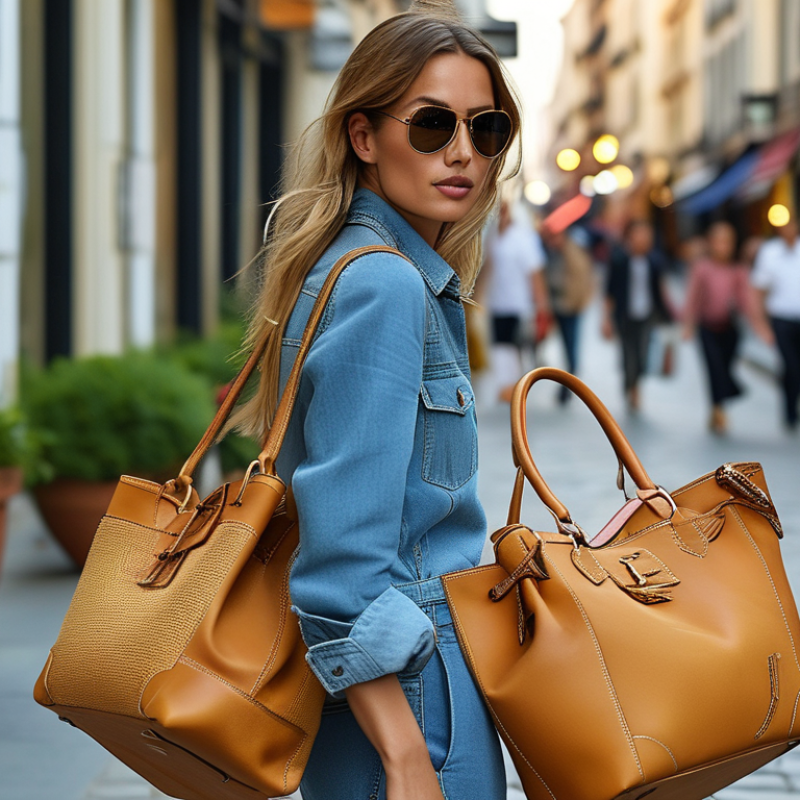
Definition of Tote Bags and Shopper Bags
Tote bags and shopper bags serve similar purposes but have distinct characteristics.
A tote bag typically features two sturdy handles and is made of durable materials like canvas or cotton.
These bags often lack closures, allowing for easy access to contents. Their spacious interior makes them ideal for carrying
books, groceries, or beach essentials. According to the National Retail Federation,
tote bags have seen a significant uplift in popularity, with a 40% increase in usage over the past few years.
On the other hand, shopper bags are designed for retail environments.
They usually incorporate a structured shape and are often made from plastic or paper.
Shopper bags may feature logos or branding, making them effective marketing tools. Reports indicate that 70% of consumers prefer
reusable shopper bags over single-use options. Despite their convenience, shopper bags can raise concerns about environmental impacts,
particularly when poorly made or overused. The shift towards sustainable options is essential but not yet universal. Thus,
understanding these differences is critical for responsible consumer choices.
Key Features of Tote Bags
Tote bags are designed for versatility and style. Typically, they feature wide, elongated handles that make them easy to carry. Made from materials like cotton, canvas, or synthetic fibers, they are durable and practical. Tote bags often have an open top, allowing for quick access to your belongings. This design aspect encourages users to toss items inside without the fuss of zippers or clasps.
One key feature of tote bags is their ample space. They usually have a large interior, perfect for carrying groceries, books, or beach essentials. Many totes include pockets for organizing smaller items. However, their open design also means less security for valuable contents. It's important to be mindful of what you place inside. Additionally, the weight of the bag can add up quickly when loaded with heavy items.
A tote bag reflects personal style while offering functionality. Despite their many advantages, they aren’t without flaws. Some users find them less comfortable to carry when filled. Choosing a sturdy material can help with this issue. Similarly, the lack of a closure may not suit everyone's preferences. Thoughtful consideration is needed when deciding on a tote bag for daily use.
Key Features of Shopper Bags
Shopper bags are designed with purpose and practicality. They are typically larger than standard tote bags and offer unique features. Many shopper bags come with reinforced handles and sturdy, durable materials. Research from the Bag Manufacturers Association indicates that 70% of shoppers prefer bags that can bear heavier loads. This is crucial for daily grocery runs or weekend market visits.
One notable feature is the versatility in design. Shopper bags often fold flat or can be rolled up. This makes them easy to store and carry. Additionally, many come with pockets for organization. This can help keep items from getting lost in the bag. A recent survey indicated that 60% of consumers prioritize organization in their shopping bags.
Tips: When selecting a shopper bag, consider the size and material. Opt for bags made from recycled or eco-friendly materials. Always check the weight capacity to avoid future problems. It’s wiser to invest in a high-quality bag, even if it costs a bit more upfront. Remember, a good bag lasts longer and serves you better.
Differences in Use and Functionality
When choosing between a tote bag and a shopper bag, the differences in use and functionality are significant. A tote bag often serves as a versatile accessory. It features sturdy straps and a wide opening. This design makes it suitable for carrying a variety of personal items. Many people use tote bags for daily errands or as a stylish option for work. They can be made from various materials, including canvas, cotton, and synthetic fabrics.
On the other hand, a shopper bag is typically designed with grocery shopping in mind. It often offers a more structured shape and may include additional features, such as insulated sections. These bags usually have reinforced handles for heavier loads. Shoppers might prioritize durability and ease of use. Although they may lack the stylish appeal of totes, they excel in functionality for carrying groceries or bulky items.
Both bags have their place in everyday life. The versatility of tote bags allows for personal expression. However, the practicality of shopper bags can make them indispensable for specific tasks. Balancing style with functionality can be a challenge. Choosing the right bag often depends on individual needs and preferences. Consider how each type fits into your lifestyle.
What is the Difference Between a Tote Bag and a Shopper Bag? - Differences in Use and Functionality
| Feature |
Tote Bag |
Shopper Bag |
| Design |
Simple and open-top design |
Usually features a closure like a zipper or buttons |
| Size |
Typically larger, allowing for more items |
Varies, but often medium-sized for everyday use |
| Material |
Commonly made from fabric or canvas |
Often made from plastic or paper |
| Usage |
Ideal for casual outings and carrying a variety of items |
Best suited for shopping trips or grocery runs |
| Durability |
Generally more durable for heavier items |
May not be as sturdy, depending on material |
Popular Materials Used in Tote and Shopper Bags
Tote bags and shopper bags often look similar, but they serve different purposes and are made from various materials. The most common materials for tote bags include cotton, canvas, and jute. These materials are favored for their durability and eco-friendliness. According to a market report from Grand View Research, the global reusable bags market is expected to grow significantly, reaching USD 12.3 billion by 2027. This trend reflects a shift toward sustainable options, with cotton and jute leading the way due to their renewable nature.
Shopper bags, on the other hand, are frequently made from materials like plastic, paper, or non-woven fabrics. Some shopper bags are designed for single-use, reflecting a more disposable culture. However, research shows that reusable shopper bags made of recycled materials are becoming popular. They provide an environmentally friendly alternative, yet their production might still involve concerns about energy consumption.
Understanding the materials used helps consumers make informed choices. Many people overlook the lifecycle of these bags. While cotton bags are reusable, their water and energy demands during production are often underestimated. In contrast, plastic bags are lightweight but contribute to pollution. This knowledge reminds us to think critically about our purchases and their environmental impact.
FAQS
: Shopper bags are designed for practicality and larger capacity than standard tote bags. They are suitable for daily grocery runs.
Many shopper bags have reinforced handles, durable materials, and pockets for better organization. These features improve user experience.
Consider size, material, and weight capacity. High-quality bags may be pricier but last longer and perform better.
Tote bags are often made of cotton, canvas, or jute. These materials are durable and eco-friendly options.
They are made from recycled materials and offer an environmentally friendly choice. However, production can still raise energy concerns.
Many overlook the environmental impact of bag production. Cotton bags use significant water, while plastic contributes to pollution.
No, some shopper bags are designed for single-use. This reflects a disposable culture, which can have negative environmental effects.
Research indicates that 60% of consumers prioritize organization features in shopper bags for better item management.
Yes, many shopper bags are designed to fold flat or roll up for easy storage and portability.
It's wise to choose bags made from recycled or eco-friendly materials. A better bag supports longer use and sustainability.
Conclusion
When exploring the question of "what is the difference between a tote bag and a shopper bag," it's essential to consider their definitions and key characteristics. Tote bags are generally defined as spacious, open-top bags with sturdy handles, making them ideal for carrying a variety of items. Their versatile design often includes features like a flat bottom, allowing for easier organization. In contrast, shopper bags typically have a more structured design, often featuring reinforced sides and may come with zippers or closures for added security, making them suitable for grocery trips or everyday errands.
The functionality of each bag also varies; tote bags are commonly used for casual outings or as beach bags, while shopper bags are tailored for focused shopping tasks. Additionally, both types of bags are made from popular materials like canvas, jute, and recycled fabrics, catering to different aesthetic preferences and environmental considerations. Understanding these distinctions can help consumers choose the right bag for their specific needs.

 Ripped Fashion