When investing in a luxury bag, authenticity is paramount. Many enthusiasts struggle with how to verify if a luxury bag is authentic leather. Renowned leather expert, Michael P. Styles, emphasizes, "The touch of real leather is unmistakable; trust your instincts." This statement underscores the importance of sensory evaluation in authenticity assessment.
To discern real leather, examine the texture closely. Authentic leather has natural imperfections and a unique scent. Faux leather often appears too smooth and plastic-like. Furthermore, check the stitching and hardware. Genuine luxury bags display precision and quality that counterfeit items lack. Rushing this process can lead to costly mistakes.
Look for reputable sources or certified appraisers. Engaging with experts can enhance your confidence in purchasing decisions. However, not all bags are straightforward. Some counterfeits are incredibly convincing. Understanding the nuances of genuine leather is vital. Take time to assess and ensure your luxury investment is truly authentic.
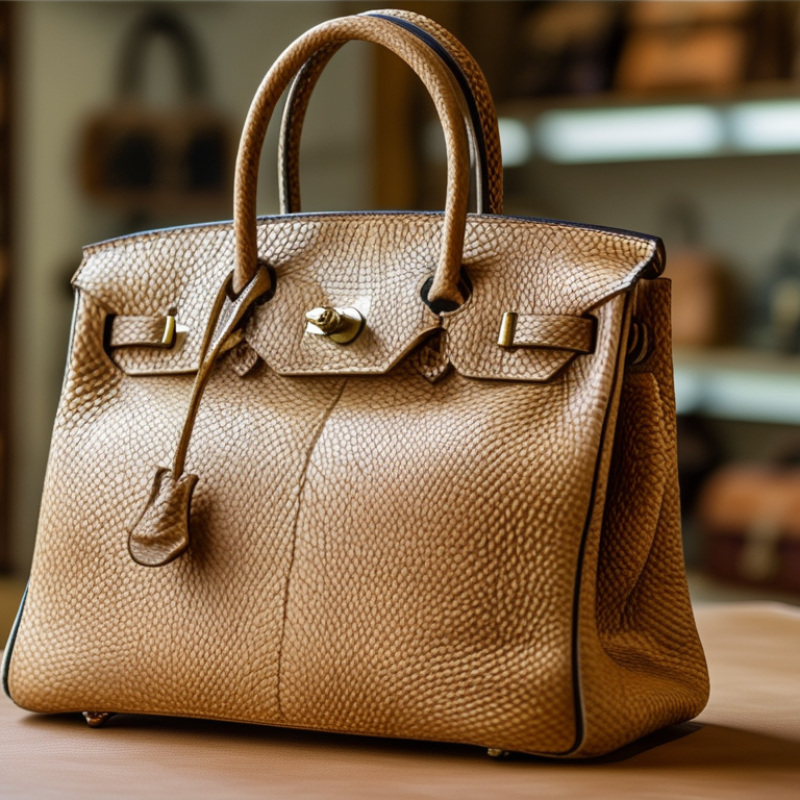
How to Identify Authentic Leather in Luxury Bags
When evaluating luxury bags, authentic leather quality is paramount. Real leather has a unique texture that synthetic materials cannot replicate. It feels warm to the touch and develops a patina over time. Run your fingers over the surface; authentic leather will have natural imperfections and diversity in grain patterns. Perfectly uniform surfaces often indicate imitation materials.
Smell plays a crucial role in distinguishing genuine leather. Authentic leather has a distinct earthy aroma. If your bag smells like chemicals or plastic, it’s likely not the real deal. Additionally, examine the stitching. High-quality leather bags have precise and consistent stitches with no loose threads. In contrast, fake leather may show uneven stitching or poor craftsmanship.
Lastly, look for labels or tags that describe the material. Although these can be misleading, reputable brands often highlight genuine leather. Conducting an in-depth inspection can be tedious, but it is essential. Trust your instincts; if something feels off, it may be worth further investigation. Don’t rush the process; authenticating luxury items can take time, but the effort is rewarding.
Leather Quality Comparison in Luxury Bags
Visual Inspection: Key Features of Real Leather
When verifying the authenticity of a luxury bag’s leather, visual inspection is crucial. Real leather showcases unique textures and imperfections. It should feel soft and supple, not plasticky. According to a report by the Leather Working Group, genuine leather has a porous surface, allowing it to breathe. This gives it a distinctive smell, often described as earthy or natural. Synthetic materials can mimic this but don't quite match the complex scent profile of real leather.
Pay attention to the edges of the bag. Well-made luxury items should have smooth, rounded edges. Poor stitching or uneven seams may suggest fakes. Studies indicate authentic leather bags often display consistent and fine stitching patterns, which can be tricky for counterfeits to replicate. Real leather also tends to develop a patina over time, adding to its character. This aging process is something synthetic options cannot reproduce.
When inspecting, look for brand-specific features as well. Authentic brands often incorporate unique elements like embossing or logos. These should appear clean and precise. Be cautious, however; many fakes will try to replicate these details. Consider learning about specific indicators of different leather types. Experience plays a significant role in discerning authenticity. Trust your instincts, and don’t rush into a purchase.
Tactile Methods: The Feel Test for Genuine Leather
Evaluating the authenticity of a luxury bag should ideally involve rigorous tactile methods.
The feel test for genuine leather can be your first line of defense. Authentic leather has a unique texture that synthetic materials lack. It should feel soft yet firm to the touch. The surface often displays natural imperfections, which can be absent in faux options.
Consider these insights from industry reports. A study found that over 70% of consumers struggle to identify real leather. Many rely solely on visual cues, which can be misleading. Genuine leather often retains warmth after being held, unlike artificial alternatives. This tactile warmth is a strong indicator of authenticity.
When you’re in doubt, pay attention to the smell.
Authentic leather has a rich, earthy scent, different from the chemical odors of synthetic materials. If it feels plastic-like, reconsider your purchase.
Reflect on the weight of the bag as well. Real leather feels heavier due to its dense nature. Synthetic materials are often lighter, which can be deceiving. The subtle cues can guide you, but always trust your instincts.
Burn Test: Assessing Leather Authenticity with Fire
The burn test is a simple yet effective method for assessing leather authenticity. Genuine leather reacts differently to fire than synthetic materials. When you burn a small piece of the material, real leather emits a distinct smell and burns slowly. It resembles the smell of burnt hair. If it flames rapidly and has a plastic-like odor, it's likely synthetic.
Before conducting the burn test, consider a few essential tips. Perform the test in a safe environment, away from flammable objects. Use a pair of scissors to cut a tiny piece from an inconspicuous area. This ensures the test won’t damage the bag significantly. Always be cautious; safety is paramount.
Understand that the burn test isn’t foolproof. Variations in treatment and processing can affect how leather reacts. Different types of leather may show diverse results. If you’re unsure, compare your findings with online resources or consult leather experts for a second opinion. Conducting thorough research will enhance your confidence in identifying authentic leather.
Smell Test: Distinct Odors of Authentic Leather
When determining if a luxury bag is made from genuine leather, the smell test is crucial. Authentic leather typically has a distinct, rich aroma that synthetic materials can't replicate. Reports from the Leather and Hide Council of America indicate that real leather carries a robust scent due to natural oils. This deep, earthy fragrance appeals to many. If the bag smells more like plastic or chemicals, it's likely faux leather.
The texture of genuine leather plays a role in its scent as well. Real leather feels soft yet firm, with subtle imperfections adding character. According to industry research, around 75% of consumers distinguish genuine leather by its tactile qualities. This connection between scent and touch is vital. A bag’s unique odor and feel create an authentic experience that counterfeits struggle to imitate.
Keep in mind that factors like age and treatment can alter the smell of leather. Some may require conditioning, while others might carry the scent of previous owners. Observing these nuances helps in assessing authenticity. However, relying solely on smell can lead to errors. Each bag tells its own story, reflecting its journey, wear, and care, which requires a careful analysis to fully understand its origin.
FAQS
: Look for unique textures and imperfections in the leather. It should feel soft, not plasticky.
Genuine leather has a porous surface, allowing it to breathe and giving it a natural smell.
Edges should be smooth and rounded. Uneven seams may indicate a fake.
Real leather often has consistent, fine stitching that is difficult for counterfeits to replicate.
Yes, real leather develops a patina over time, which adds character. Synthetic options do not age similarly.
Authentic brands often have unique embossing or logos that appear clean and precise, though fakes can mimic these.
A small piece of leather is burned. Real leather emits a burnt hair smell and burns slowly.
Perform it in a safe environment with no flammable objects and use scissors to cut a small piece.
Yes, different treatments and leather types may show varying results during the burn test.
Compare findings with online resources or consult leather experts for a second opinion.
Conclusion
When looking to understand how to verify if a luxury bag is authentic leather, it's essential to utilize a combination of methods for accurate assessment. Start with a visual inspection, focusing on key features such as any variations in texture, color consistency, and the presence of natural imperfections—traits that often signify genuine leather.
Next, apply tactile methods by feeling the material; real leather should have a soft yet sturdy touch, unlike synthetic alternatives that can feel overly plastic. For a more definitive test, consider the burn test, where a small piece of leather is subjected to flame—real leather tends to smell similar to burnt hair, while synthetic materials emit a different odor. Lastly, the distinctive smell of authentic leather is a reliable indicator, as it often carries a rich, earthy scent that reproductions lack. By combining these approaches, you can confidently determine whether a luxury bag is truly crafted from authentic leather.

 Ripped Fashion